Guided Elk Hunts in the Black Hills
Chasing an elk in the Black Hills of South Dakota is a dream for many, but the reality of securing a tag and navigating the dense timber and steep terrain can feel incredibly daunting, especially for those unfamiliar with the region. This guide aims to demystify the process of booking a guided elk hunt in the Black Hills, helping you understand what's involved, what to expect, and how to choose an outfitter that fits your hunting aspirations.
Understanding the Black Hills Elk Hunt Landscape
The Black Hills of South Dakota offer a unique elk hunting experience, far different from the vast wilderness areas in other Western states. While not as numerous as some other populations, these elk are truly wild and present a genuine challenge. However, getting a tag and knowing where to go can be major hurdles.
The Unique Challenge of Black Hills Elk
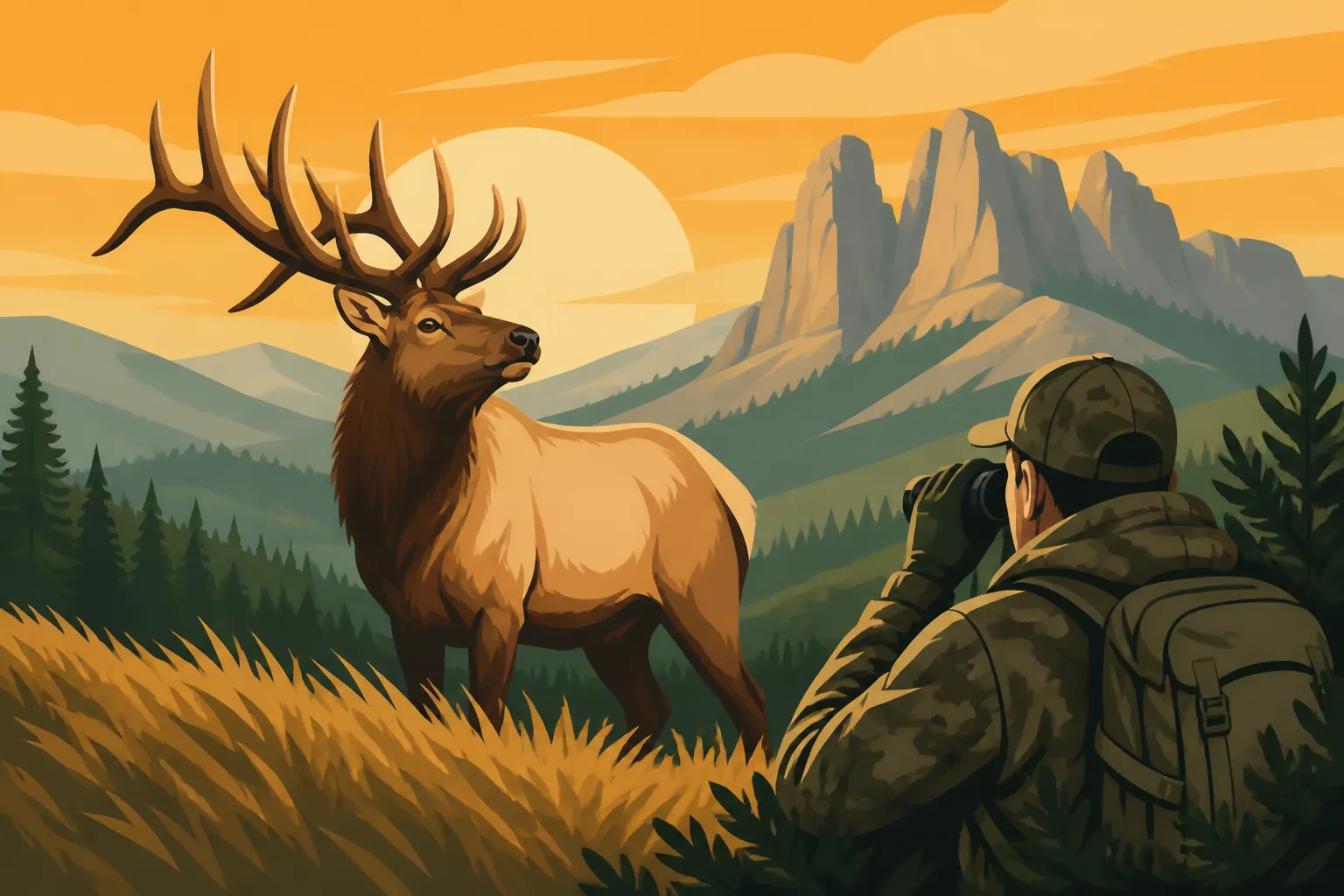
When you picture elk hunting, you might envision wide-open meadows and calling across vast canyons. The Black Hills presents a much different scenario. This is often tight, timbered hunting in ponderosa pine forests, with steep drainages and thick underbrush that can make visibility limited. Elk here are often resident animals, living within defined areas, but they are masters of using the cover to their advantage. They don't have the luxury of migrating hundreds of miles like some Western herds; they live year-round in these hills, making them extremely wary and educated to human pressure.
The terrain itself is rugged. Don't underestimate the steepness of some of these slopes, even if the overall elevation isn't as high as the Rockies. A long day of still-hunting through thick timber or following a fresh track can be physically demanding. Hunters often describe it as feeling much more like a deer hunt in terms of visibility and shot opportunities, rather than the long-range glassing typical of other elk habitats. Knowing how these elk use the varied terrain, from dark timber to sun-drenched ridges, is key to success. This is where local knowledge truly shines, understanding the subtle movements of the herd, their feeding patterns, and where they bed down under different weather conditions. Black Hills Elk Hunting Tactics delves deeper into these specific challenges.
Draw Odds and Tag Acquisition Realities
One of the biggest frustrations for hunters eyeing the Black Hills is the tag acquisition process. South Dakota manages its elk hunting through a lottery system, and tags are highly coveted and relatively limited, especially for nonresidents. It can feel like you're trying to win the lottery, and honestly, sometimes it feels that way for residents too! Understanding the draw odds is crucial for managing expectations. Many hunters build up preference points for years, hoping to draw one of these sought-after tags. For non-residents, the chances can be slim, making a guided hunt even more appealing as outfitters sometimes have access to landowner tags or can help navigate the complex application process, sometimes even offering hunts that include a tag.
It's not just about drawing a tag; it's about drawing the right unit and the right season. Archery, muzzleloader, and various rifle seasons each have their own nuances, and some units are more productive than others. For detailed information on this, check out South Dakota Elk Draw and Units. The application deadlines are strict, and missing them means waiting another year. This administrative burden alone can be enough to push hunters toward a guided experience, where the outfitter often handles the application logistics or provides clear guidance on the best approach for their clients. It's a huge relief to have someone knowledgeable in your corner when the odds feel stacked against you.
Why Consider a Guided Elk Hunt?
Given the complexities of Black Hills elk hunting, a guided hunt can transform a potentially frustrating experience into a memorable and often successful one. It's not just about killing an elk; it's about the entire journey, and a good guide enhances every aspect.
Maximizing Your Chances and Time
Let's be honest, for many of us, hunting time is precious. We might only get one week a year, maybe two, to chase our passion. When you're traveling a significant distance to hunt in an unfamiliar area like the Black Hills, every minute counts. A guided hunt dramatically increases your chances of success because you're leveraging the outfitter's deep local knowledge and countless hours of scouting. They know where the elk are likely to be, how they move, and what tactics work best in specific conditions. Instead of spending your valuable hunting days searching for animals or trying to interpret unfamiliar sign, you're immediately placed in areas with higher potential. This efficiency is invaluable, especially if you're a nonresident who can't scout the area beforehand.
Think about it: arriving in a new area, trying to decipher maps, understand private vs. public land boundaries, figure out access points, and locate game. It's a massive undertaking. A guide removes much of that guesswork. They've put in the legwork. They know the current patterns of the elk, which can change year to year based on weather, feed, and pressure. This means less wasted time and more quality hunting moments. They're also often equipped with the right gear, from specialized vehicles for tough terrain to calling setups that effectively bring in a bull.
Local Expertise and Access
One of the most significant advantages a guided hunt offers is unparalleled local expertise. These guides live and breathe the Black Hills. They've spent decades learning the nuances of the landscape, the habits of the elk, and the subtle shifts that dictate success. This isn't just about general knowledge; it's about intimate details—which specific ridge a bull favors in a southeast wind, the bedding areas when snow falls, or the secret waterholes during a dry spell. This kind of nuanced understanding simply cannot be gained from maps or short scouting trips.
Furthermore, many outfitters have secured access to prime private land. While the Black Hills National Forest offers ample public hunting opportunities, these areas often see significant pressure. Private land access can mean less crowded hunting, better quality animals, and more consistent success rates. Guides often cultivate relationships with landowners over many years, allowing them exclusive access to critical elk habitat. This combination of local knowledge and private land access, if applicable, creates a powerful advantage that's nearly impossible to replicate on a do-it-yourself hunt. It means you're not just hunting in the Black Hills, you're hunting the best of the Black Hills. For those interested in understanding how public lands in the area are accessed, Black Hills National Forest Hunting provides a good overview.
Minimizing Stress and Learning the Ropes
Hunting should be enjoyable, but let's be honest, the stress of logistics, navigating unfamiliar territory, and the pressure to find game can sometimes overshadow the experience. A guided hunt significantly reduces this stress. Your guide handles everything from navigating the wilderness to tracking game, field dressing, and often even getting your animal out of difficult terrain. You can focus entirely on the hunt itself, soaking in the experience and learning from a seasoned professional.
For new elk hunters, or those new to hunting in mountainous timber, a guided hunt is an invaluable learning experience. Guides are often incredible teachers, willing to share their knowledge on everything from reading sign and tracking to calling techniques and shot placement. You'll gain skills and confidence that you can carry into future hunts. Even for experienced hunters, learning new tactics specific to the Black Hills environment can be incredibly beneficial. Plus, having a capable partner with you when you're far from civilization adds a layer of safety and security that shouldn't be overlooked. This is particularly true if you're hunting steep, rugged areas where a mishap could be serious; having an experienced person by your side provides peace of mind.
What to Expect from a Black Hills Elk Outfitter
When you decide to go with a guided hunt, it's crucial to understand what a reputable Black Hills outfitter typically provides. This isn't just about showing up and shooting an elk; it's about a comprehensive service designed to give you the best possible experience.
Services Typically Included
Most reputable Black Hills elk outfitters offer a package that goes beyond simply leading you to an animal. Here's a rundown of common inclusions:
- Professional Guiding: This is the core service. You'll have an experienced guide (or guides, depending on the hunter-to-guide ratio) dedicated to helping you locate and harvest an elk. They will possess extensive knowledge of the local terrain, elk behavior, and effective hunting strategies. Their primary role is to guide you safely and efficiently through the hunt.
- Accommodation: Many outfitters provide lodging, which can range from comfortable cabins or lodge rooms to more rustic camps, depending on the package. This eliminates the stress of finding a place to stay and ensures you're close to the hunting grounds, maximizing your time in the field.
- Meals: Expect hearty, home-cooked meals or professionally prepared food designed to fuel you for long days in the field. Most outfitters will cater to dietary restrictions if informed in advance.
- Transportation During the Hunt: This typically includes transport from the lodge to the hunting areas, often using 4×4 vehicles or ATVs to access remote spots. They will also handle game retrieval from the field back to a processing point.
- Field Care of Game: Once an elk is down, guides will assist with field dressing, quartering, and packing out the meat. This is incredibly strenuous work, and having experienced help is invaluable. They'll ensure the meat is handled properly to preserve its quality.
- Pre-Season Scouting: While you won't see this directly, a significant portion of what you're paying for is the outfitter's year-round effort in scouting, monitoring elk populations, and understanding current patterns, which directly contributes to your success.
What's usually not included, but sometimes offered as an add-on, are things like taxidermy services, meat processing (beyond field dressing), and alcohol. Always clarify exactly what's covered in your package.
Hunt Styles and Expectations (Archery vs. Rifle)
The Black Hills offers elk hunting opportunities for various weapon types, and each demands a different approach and presents unique challenges. Your outfitter will specialize in certain styles, so it's important to match your preferences and skills.
- Archery Hunts: Archery elk hunting in the Black Hills, usually in September, coincides with the rut. This can be an incredibly exciting time, as bulls are bugling and more responsive to calls. However, it's also arguably the most physically and mentally demanding. Shot distances are short, requiring excellent stalking skills, patience, and proficiency with a bow. Guides will often focus on calling bulls into range, still-hunting through timber, or setting up on travel corridors. Success rates on archery hunts can be lower than rifle hunts due to the inherent challenges. For tips on calling, Calling Elk in Black Hills Timber might be a good read.
- Rifle Hunts: Rifle seasons typically occur later in the fall. These hunts often involve more still-hunting, glassing clearings, and focusing on feeding and bedding areas. Shot opportunities might be longer than archery, but the dense timber means shots can still be close and fast. The terrain remains rugged, so physical fitness is still paramount. Guides will often adapt their strategies based on the time of year, weather conditions, and how much pressure the elk have received.
- Muzzleloader Hunts: These hunts offer a middle ground, often during prime rut or post-rut periods, with the added challenge of muzzleloader limitations. Accuracy and quick reloading are key.
Regardless of the weapon, expect long days of hiking, often in steep and uneven terrain. Be realistic about your physical capabilities and communicate them with your outfitter. It's much better to be honest upfront than to struggle in the field.
Ethical Guiding Practices
A truly reputable outfitter will always prioritize ethical hunting practices, wildlife conservation, and client safety. This means adhering strictly to all South Dakota hunting regulations, including bag limits, shooting hours, and tag requirements. They will teach and enforce safe firearm handling and ensure that all game is harvested and handled respectfully. A good outfitter will never encourage or engage in unethical or illegal practices. They understand that their reputation, and the future of hunting, depends on maintaining high standards.
Furthermore, ethical guides are transparent about their operations, their success rates, and what's included in their packages. They should be willing to provide references from past clients and answer all your questions honestly. They will also prioritize your safety in the field, whether it's navigating treacherous terrain, handling dangerous wildlife encounters, or ensuring you're prepared for unexpected weather changes. Their goal is not just to get you an elk, but to provide a safe, memorable, and ethical hunting experience that you'll cherish.
Navigating Costs and Logistics of a Guided Hunt
The investment in a guided elk hunt in the Black Hills is significant, and it’s important to understand where your money is going and how to manage the logistics involved. This isn't a cheap endeavor, but the value can be immense.
Breaking Down the Investment
Guided elk hunts in the Black Hills vary widely in price, influenced by factors such as the duration of the hunt, the inclusions (e.g., lodging, meals, one-on-one guiding), the specific season (archery vs. rifle), and the outfitter's reputation and success rates. Generally, you can expect to pay a substantial sum for a multi-day guided elk hunt. This cost covers not only the guide's time and expertise but also the extensive scouting, equipment, access fees (if hunting private land), insurance, and operational overhead that goes into running a professional outfitting business.
It's important to look at the total value rather than just the dollar amount. Consider what you would spend on your own: travel, lodging, food, specialized gear you might need for elk hunting (even if you have a gun, do you have the right hiking boots, pack, or optics for this terrain?). When you factor in the significantly higher chance of success and the reduced stress, the guided hunt often presents a compelling value proposition, especially for non-residents or those with limited hunting time. Always get a detailed breakdown of costs from potential outfitters to understand precisely what you're paying for.
Hidden Costs and Tipping Etiquette
While a good outfitter will provide a comprehensive list of inclusions, there are often "hidden" or overlooked costs that can add up.
- Licenses and Tags: The cost of your South Dakota hunting license and elk tag is almost always not included in the outfitter's price. You will need to purchase these separately. For non-residents, these can be considerable expenses, and don't forget the application fees if you're going through the draw system. Information on this can be found at South Dakota Nonresident Licence Costs.
- Travel to and from the Lodge: You are responsible for your own transportation to the outfitter's meeting point or lodge. This includes flights, car rentals, and fuel.
- Meat Processing and Taxidermy: After your elk is field dressed, you'll need to arrange and pay for professional meat processing, which can be a few hundred dollars depending on the size of the animal and your desired cuts. If you want a shoulder mount or European skull mount, taxidermy is a separate, significant expense. Many outfitters can recommend local processors and taxidermists, and some might even help with transport to these facilities.
- Gratuities (Tips): Tipping your guide and any lodge staff is customary and expected in the outfitting industry. It's a way to acknowledge their hard work, dedication, and the quality of your experience. A general guideline is to tip a percentage of the hunt cost, but this can vary based on service and your satisfaction. Make sure to budget for this, as it can be a significant additional expense. Discuss this openly with the outfitter when booking, as they can usually provide clear guidance on their lodge's tipping policies.
- Gear: While the outfitter provides much of the hunting infrastructure, you're responsible for your personal hunting gear, including appropriate clothing layers, boots, optics, rifle/bow, and ammunition.
License and Application Support
Navigating the South Dakota big game draw system can be complex, especially for nonresidents. A valuable service many reputable outfitters provide is guidance and support with the license and application process. They can advise you on the best units to apply for, the correct application types, and the crucial deadlines. Some might even assist you directly with the online application if you provide the necessary information. For clients without a tag, some outfitters might offer "landowner tag" hunts, though this usually comes at a premium and requires careful verification of its legality and availability.
Having this support minimizes the chance of errors that could lead to your application being rejected or missing a crucial draw period. It ensures that when your hunt date arrives, your paperwork is in order, and you're ready to focus solely on the hunting itself. When researching outfitters, ask specifically about the level of support they offer regarding licenses and tags. This is a practical pain point that can be easily alleviated by a helpful outfitter.
Choosing the Right Black Hills Elk Guide for You
Selecting the right outfitter is arguably the most critical step in planning your guided elk hunt. It's about finding a match for your expectations, hunting style, and budget. Don't rush this decision.
Researching and Vetting Outfitters
The first step in choosing an outfitter is thorough research. Start by looking for outfitters specifically advertising guided elk hunts in the South Dakota Black Hills. Online platforms like BookYourHunt or GoHunt can be excellent starting points for finding and comparing various outfitters, often providing details on services, prices, and available dates. However, don't stop there. Visit the outfitters' individual websites, look for reviews on independent forums and social media, and read testimonials. Pay attention to consistency in positive feedback and any recurring concerns.
Check their affiliations. Are they members of professional outfitting associations? While not mandatory, it often indicates a commitment to professional standards. Verify their licensing and insurance with the appropriate state authorities. A legitimate outfitter will be properly licensed to operate in South Dakota. Don't hesitate to spend time on this vetting process. It's an investment of both time and money, and you want to ensure you're putting it into a trustworthy operation.
Asking the Right Questions
Once you've narrowed down your choices, prepare a comprehensive list of questions to ask potential outfitters. This direct communication is vital for setting clear expectations and avoiding misunderstandings.
Here's a table of essential questions to consider:
| Category | Key Questions to Ask | Why It Matters |
|---|---|---|
| Hunt Logistics | What is your typical hunter-to-guide ratio? | Affects personal attention and flexibility. |
| What is the average number of hunting days? | Determines total time in the field. | |
| What kind of terrain will we be hunting? What's the typical physical demand? | Helps you prepare physically and understand the challenge. | |
| What hunting methods do you primarily use (e.g., calling, spot & stalk, still-hunting)? | Ensures alignment with your preferred style and what's effective in the area. | |
| Success & Ethics | What are your typical success rates for elk in the Black Hills? | Provides a realistic expectation (but remember, it's hunting, not a guarantee). |
| Can you provide references from recent clients? | Direct feedback from past hunters offers invaluable insight. | |
| How do you handle wounded animals? | Shows commitment to ethical recovery and minimizing suffering. | |
| Inclusions & Costs | What exactly is included in the package price (lodging, meals, transport, etc.)? | Clarifies what you're paying for and helps identify potential extra costs. |
| What expenses are not included (license, tag, processing, taxidermy, tips)? | Crucial for budgeting accurately. | |
| What are your recommendations for tipping guides and staff? | Helps you plan for this customary expense. | |
| Booking & Policies | What is your deposit and cancellation policy? | Protects your investment in case of unforeseen circumstances. |
| What happens if I don't draw a tag, or if I draw an undesirable unit? | Important for managing tag acquisition risks. | |
| Do you assist with license applications or possess landowner tags? | Streamlines the often-complex tag acquisition process. |
Don't be afraid to ask follow-up questions until you feel completely comfortable. A professional outfitter will welcome your questions and provide clear, honest answers.
Contracts and Booking Safely
Once you've chosen an outfitter, you should receive a formal written contract. This document is crucial as it outlines all the terms and conditions of your hunt. Read it thoroughly before signing and making any deposits. It should clearly state:
- Hunt Dates and Duration: The exact start and end dates of your hunt.
- Services Included: A detailed list of everything the outfitter will provide.
- Total Cost and Payment Schedule: The full price, how much is due as a deposit, and when final payments are required.
- Cancellation and Refund Policy: What happens if you need to cancel, or if the outfitter cancels.
- Liability Waivers: Any forms you need to sign regarding personal injury or property damage.
- Licensing and Tag Requirements: Confirmation of what you need to bring or obtain.
If anything in the contract is unclear, ask for clarification. Never pay a deposit without a signed contract in hand. Be wary of any outfitter who requests full payment upfront or doesn't offer a formal agreement. Reputable outfitters understand the importance of clear, legally binding contracts for both their protection and yours. Consider purchasing hunt cancellation insurance, especially if you're making a significant investment, as it can protect you if unforeseen circumstances prevent you from going on your trip.
Preparing for Your Guided Elk Adventure
Booking the hunt is just the beginning. To truly make the most of your Black Hills guided elk experience, adequate preparation is key. This involves both your physical condition and your gear.
Physical and Mental Preparation
Elk hunting in the Black Hills, even with a guide, is physically demanding. You'll be walking through steep, often uneven terrain, sometimes pushing through dense timber or up and down coulees. A harvested elk can weigh hundreds of pounds, and while your guide will assist, being able to contribute to packing out meat is not only helpful but can be necessary. It's not uncommon to hike several miles a day, and sometimes much more if you're following a track or working a hot bull.
Start a fitness regimen well in advance. Focus on cardiovascular endurance (hiking, jogging, stair climbing) and strength training, particularly for your legs and core. Practice hiking with a loaded backpack, mimicking the weight of gear you'll carry. Don't forget flexibility and balance exercises, as navigating uneven ground can be tricky. Mental preparation is equally important. Hunting can be a roller coaster of emotions, with periods of intense excitement followed by long stretches of quiet. Be prepared for early mornings, long days, and the possibility of not seeing an elk every day. A positive, patient attitude will significantly enhance your experience, regardless of whether you punch your tag. Think about Hunting Elk on Steep Black Hills Ridges to get a clearer picture of the physical demands.
Gear and Equipment Essentials
Your outfitter will provide a detailed packing list, but here are some general essentials for a Black Hills elk hunt:
- Layered Clothing: The Black Hills weather can be unpredictable, with significant temperature swings between morning and midday, and rain or snow possible even in early fall. Pack moisture-wicking base layers, insulating mid-layers, and a waterproof/windproof outer shell. Avoid cotton, as it retains moisture and loses insulating properties when wet.
- High-Quality Boots: This is non-negotiable. Invest in comfortable, waterproof, broken-in hiking boots with excellent ankle support. Your feet are your most important asset on an elk hunt. Bring at least two pairs so one can dry if it gets wet.
- Optics: A good pair of binoculars (10×42 or 10×50) is essential for spotting elk in the timber or across clearings. A rangefinder is also highly recommended for accurate shot placement.
- Rifle/Bow and Ammunition: Bring a reliable rifle chambered for elk (e.g., .30-06, .300 Win Mag, 7mm Rem Mag) or your preferred archery setup. Practice extensively with your chosen weapon. Bring ample ammunition. Discuss caliber recommendations with your outfitter.
- Backpack: A comfortable daypack for carrying essentials like water, snacks, extra layers, first-aid kit, and calls. If you plan to assist with packing out meat, consider a larger pack frame.
- Headlamp: Crucial for early morning hikes and late returns to camp.
- First-Aid Kit: A compact personal first-aid kit for minor cuts, blisters, and medications.
- Hunting License and Tag: Don't forget these crucial documents!
Always confirm your packing list with your outfitter, as they will have specific recommendations based on the season, weather, and hunting style.
Post-Hunt Logistics and Game Care
Even after a successful harvest, the work isn't over. Your guide will assist with field dressing and getting the animal out of the woods. However, you'll need a plan for what happens next.
- Meat Processing: Discuss with your outfitter their recommendations for local meat processors. Many will have relationships with reliable butchers who can quickly process your elk into steaks, roasts, and ground meat, properly packaged for transport. You will be responsible for the cost of this service.
- Cooling and Transport: If you're driving home, ensure you have enough large coolers and ice to keep the meat cool and dry for the journey. Elk meat is highly perishable, especially in warmer early season temperatures. Getting the meat cooled quickly is critical for quality. For tips on this, consider Getting Meat Cooled in Warm Weather. If flying, research airline regulations for transporting game meat well in advance. Some processors offer shipping services.
- Taxidermy: If you've harvested a trophy animal, decide beforehand if you want a shoulder mount or a skull mount. Your outfitter can usually recommend a local taxidermist or prepare the cape and skull for transport to your preferred taxidermist at home. Proper caping and cooling of the hide are essential for a good mount.
Having these post-hunt logistics planned out beforehand will reduce stress and ensure your valuable meat and trophy are handled correctly. A good outfitter will walk you through these steps and offer guidance, but ultimately, the responsibility for meat and trophy care often falls to the hunter.
Disclaimer
This article is for general informational purposes only and does not constitute professional advice. Laws, prices and regulations vary by location and change over time. Consult a qualified professional for guidance on your specific situation.