Asking a South Dakota Landowner for Permission
One of the biggest hurdles many hunters face in South Dakota isn't the challenging prairie weather or the wily game, but simply finding a good place to hunt. With so much prime habitat sitting on private land, the question of "how do I get access?" weighs heavily on many minds. This guide is dedicated to demystifying the process of asking a South Dakota landowner for permission, offering practical tips and etiquette to increase your chances of a respectful and successful encounter.
Understanding South Dakota's Land Landscape
Before you even think about approaching a gate, it's crucial to understand the lay of the land, quite literally. South Dakota is a patchwork of public and private ground, and knowing this distinction is your first step towards legal and ethical hunting.
The Dominance of Private Land
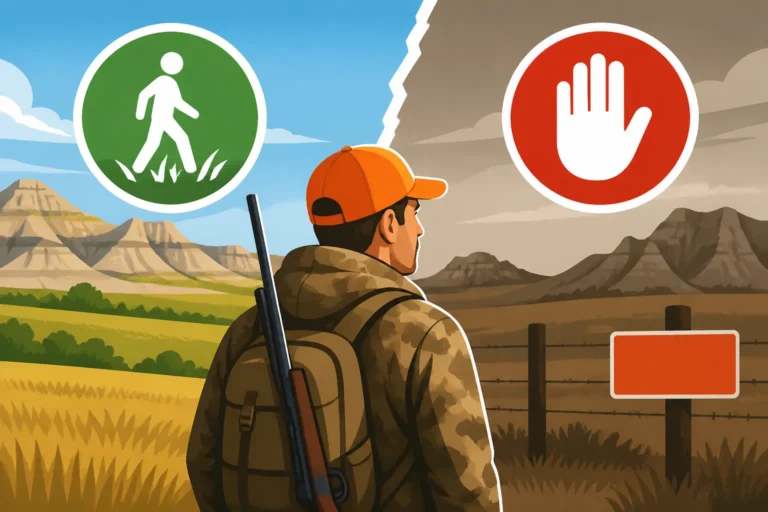
South Dakota is, without a doubt, a private land state when it comes to hunting opportunities, especially for sought-after species like pheasants and deer. Vast stretches of fertile croplands, dense shelterbelts, and winding river bottoms are all privately owned and managed. This means that while the hunting can be incredible, much of it isn't automatically open to the public. For many residents and non-residents alike, simply showing up and expecting to hunt can lead to disappointment or, worse, accusations of trespassing.
It's a frustrating reality for many. You might drive by fields absolutely teeming with pheasants or see big bucks cruising timber, knowing full well that without permission, that ground is off-limits. This makes developing relationships with landowners not just a nice idea, but often a necessity for consistent, quality hunting experiences in many parts of the state. The good news is that many landowners are receptive to respectful hunters, and building those connections can unlock access to truly exceptional areas.
Public Land Alternatives and Their Limits
Of course, South Dakota does offer a fantastic array of public hunting opportunities. We have our renowned South Dakota Walk-In Areas Explained, vast Game Production Areas, National Grasslands, and other accessible lands. These areas are vital resources and often provide excellent hunting, especially if you're willing to walk a bit and scout diligently. In fact, many of my own most memorable hunts have been on these publicly accessible parcels. You can find detailed maps and information on these public lands using resources like Using the South Dakota Public Hunting Atlas.
However, even with these options, the sheer volume of quality private habitat often means public lands can see significant hunting pressure, especially during opening weekends or peak seasons. Hunters often find themselves sharing a WIA with several other groups, or trekking into remote corners of a National Grassland to escape the crowds. For those seeking a quieter experience, or access to specific types of habitat less common on public ground, private land permission becomes the golden ticket. Understanding these limits reinforces why learning the art of the ask is such a valuable skill for any South Dakota hunter.
The Art of the Ask: Preparing for Your Conversation
Knocking on a stranger's door to ask for permission can feel intimidating, but a little preparation can go a long way in making a good first impression and increasing your chances of success.
Researching the Land and the Landowner
Before you even pull up the driveway, do your homework. Modern technology has made this infinitely easier. Tools like onX Hunt are absolutely invaluable here. You can identify property boundaries, determine who owns the parcel you're interested in, and even find basic contact information in some cases. Looking at aerial and topo maps on onX Hunt can give you a clear picture of the terrain, cover types, and potential access points, which allows you to ask more informed questions when you meet the landowner. It shows you've done your due diligence. Another excellent resource for broader land ownership insights or even drawing odds that might influence where you look for private ground is GoHunt, which compiles a wealth of data for hunters.
Beyond just identifying the owner, try to learn a little about their operation. Are they primarily a row crop farmer? Do they raise cattle? Are there specific times of year they are incredibly busy, like planting or harvest season? Knowing these details can help you tailor your approach and avoid interrupting them at a critical time. For instance, showing up during the middle of corn harvest is almost guaranteed to get you a polite, but firm, rejection. By taking the time to understand the land and its owner, you demonstrate respect and genuine interest, not just a desire to hunt. This foundational research can be aided by resources that help you with Finding Property Lines in South Dakota.
Timing and Presentation
Timing is everything when approaching a landowner. The absolute worst time to show up is unannounced on opening day, in full camouflage, with a pickup truck full of barking dogs. This signals that you haven't planned and are desperate, which doesn't inspire confidence. The best approach is often during the off-season or well in advance of the hunting season you're interested in. For pheasants, try mid-summer or early fall. For deer, late summer or early fall is ideal.
When you do go, present yourself respectfully. Dress neatly and casually—no need for a suit, but leave the hunting attire in the truck. Go alone, or perhaps with one other person if they are also mature and well-spoken. A large group can be intimidating. If possible, avoid busy times of day like early mornings when they might be tending to livestock or evenings when they're gathering for dinner. Mid-morning or mid-afternoon on a weekday often works best. Have a clear, concise reason for your visit. Bring a small notebook and pen to jot down any specific instructions or permission details. A simple business card with your contact information can also be a nice touch, showing you're organized and professional.
What to Say and How to Say It
The actual conversation with a landowner is where you build trust and demonstrate your responsibility. It’s not just about asking for permission; it’s about establishing a relationship.
Crafting Your Opening
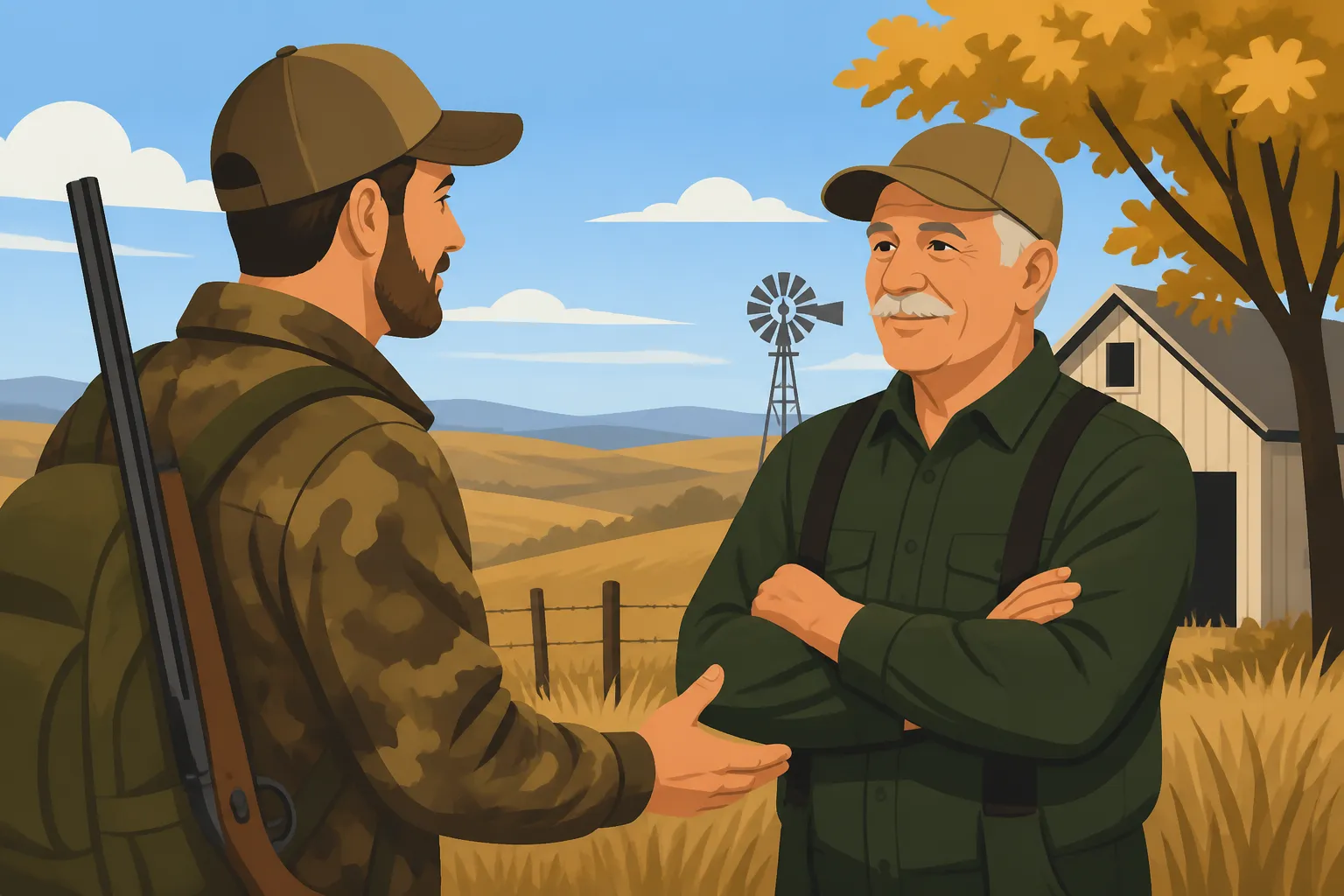
When you first meet the landowner, introduce yourself clearly and state your general purpose upfront. Something like, "Hello, my name is [Your Name], and I live over in [Your Town]. I was driving by and noticed you have some fantastic cover, and I was hoping to speak with you for a few minutes about the possibility of hunting pheasants on your land this fall." This is direct, polite, and doesn't beat around the bush.
From there, shift the conversation to them. Ask about their farm or ranch, their crops, or their livestock. Express genuine interest. Maybe comment on how good their corn looks, or how healthy their cattle seem. Building rapport is critical. This isn't about immediate access; it's about making a connection. If you've noticed a fence down or something that looks like it needs attention, respectfully offer to help. "I noticed a stretch of fence near your north field that looks like it might be down, if you ever need an extra hand with repairs, I'd be glad to help out." This type of offer demonstrates that you're not just there to take, but to contribute if you can.
Detailing Your Request and Proving Your Responsibility
Once you've built a little rapport, be very specific about your request. Don't just ask, "Can I hunt here?" Instead, specify: "I'm primarily interested in bowhunting for deer, just myself, and I focus on the timber along the creek bottom." Or, "I have a well-behaved retriever, and we're looking to walk for pheasants, focusing on the cattail slough on the east side of your property." Being clear about what, where, and how you hunt helps alleviate a landowner's anxieties.
This is your opportunity to address their potential concerns before they even voice them. Emphasize your commitment to safety and respect for their property. Explain that you will always close gates, drive only on established trails, never litter, and be mindful of livestock. If you bring a dog, assure them it's under control and will not bother cattle or other animals. Mention that you carry South Dakota Hunter Safety Requirements certifications and adhere to all legal shooting hours and bag limits. Offering to provide references, or even showing proof of liability insurance (some hunters carry this through organizations), can further demonstrate your responsibility. Highlight your understanding of rules like Safe Gun Handling on a Bird Drive. Always offer to call or text before and after each hunt, so they know exactly when you're on their property.
Understanding Their Concerns
Landowners often have a list of valid concerns when it comes to granting hunting access. These can range from liability issues to worries about property damage, gates being left open, livestock being spooked, or even dealing with other hunters who might see you and assume the land is open. They might have had negative experiences in the past. Your job is to address these concerns proactively and empathetically.
Acknowledge their worries. "I completely understand your concerns about gates being left open; I always double-check every gate behind me." Or, "I know liability is a big concern, and I'm always extremely careful and mindful of safety." Let them know you understand the value of their property and their peace of mind. Discuss how you will mitigate risks, such as parking in a specific area, avoiding certain fields, or staying away from active livestock. Reassure them you know the rules about South Dakota Trespass Law and Posted Land and will respect their wishes explicitly. You can even ask, "Is there anything specific you're concerned about?" This opens the door for them to voice their particular reservations, allowing you to address them directly. Landowners often appreciate a hunter who understands the value of their property and is committed to protecting it from misuse or poaching, highlighting the importance of Reporting Poaching in South Dakota.
After the Ask: Building and Maintaining the Relationship
Getting permission is a fantastic first step, but the real work of building a lasting hunting relationship begins after they say yes.
The Importance of Written Permission (Even If Not Always Required)
While South Dakota law doesn't always mandate written permission for every type of hunting on private land, especially for residents on unposted land, it is an incredibly smart and professional practice. For nonresidents, or for any hunting on posted private land, written permission is often legally required or highly recommended to avoid any misunderstandings. Even if the landowner says it's not necessary, politely offering to provide a simple written agreement or asking them to sign a basic permission slip shows you're serious about respecting their property and protecting both of your interests.
A good, simple permission slip doesn't need to be fancy or complex. It should clearly state who is being granted permission, on what property (legal description or clear geographic markers), for what species, during what dates, and any specific conditions the landowner might have (e.g., "no vehicles beyond the main gate," "hunt only with a shotgun"). Both the hunter and the landowner should sign and date it, and each should keep a copy. This document serves as a clear understanding and can prevent any future disputes. If you're wondering Do You Need Written Permission in South Dakota?, consider it a best practice regardless.
Here's a basic structure for a permission slip:
| Element | Description |
|---|---|
| Landowner Name | Full name of the property owner granting permission |
| Hunter Name(s) | Full name(s) of the individual(s) granted permission to hunt |
| Property Address | Physical address or clear description of the land (e.g., "SW Quarter of Section 12") |
| Species Allowed | Specific game animals approved for hunting (e.g., "pheasant, deer") |
| Dates of Permission | Start and end dates for the hunting access |
| Specific Conditions | Any rules regarding vehicle use, areas to avoid, gate closures, etc. |
| Signatures & Date | Spaces for both landowner and hunter to sign and date |
Showing Gratitude and Respect
A simple "thank you" is good, but consistent, heartfelt gratitude is what solidifies a long-term hunting relationship. Always thank the landowner sincerely after each hunt, whether it was successful or not. Consider a thoughtful gesture at the end of the season. This doesn't have to be expensive; it's the thought that counts. A gift certificate to a local restaurant or farm supply store, a nice fruit basket, a bottle of something they enjoy, or even just offering to help with a chore around the farm can go a long way. Many hunters find that offering to share some of their wild game meat, if they're successful and the landowner is receptive, is also a highly appreciated gesture.
Above all, always follow through on every promise you made during your initial conversation. If you said you'd close gates, close every single one, every time. If you said you'd call, call. Your actions speak louder than any words. Respect their land as if it were your own, and then some. This consistent respect and gratitude is truly the secret to getting invited back year after year, and it’s what turns a one-time permission into a lasting friendship. Remember the value of Gifts and Thanks for Landowner Access.
What to Do if Permission is Denied
Despite your best efforts and impeccable etiquette, there will be times when a landowner says no. This can be disappointing, especially if the ground looks phenomenal, but how you handle the refusal is critical. Never argue, complain, or try to pressure them. A polite and graceful acceptance of their decision is paramount.
Thank them for their time and for even considering your request. "I completely understand. Thank you for your time, and I really appreciate you hearing me out." You can then politely ask if it would be okay to ask again next year, or if there might be a different time that would be better. "Would it be alright if I checked back with you next year, or perhaps inquired about hunting another species?" Leave your contact information in case their situation changes or they remember you positively in the future. Remember that a "no" today doesn't necessarily mean "never." Landowners might already have hunters, be dealing with a personal issue, or simply be too busy to entertain the idea. Your polite and understanding reaction might leave a positive impression that opens a door for you down the road.
Disclaimer
This article is for general informational purposes only and does not constitute professional advice. Laws, prices and regulations vary by location and change over time. Consult a qualified professional for guidance on your specific situation.