Pothole Sloughs Worth Walking in East River
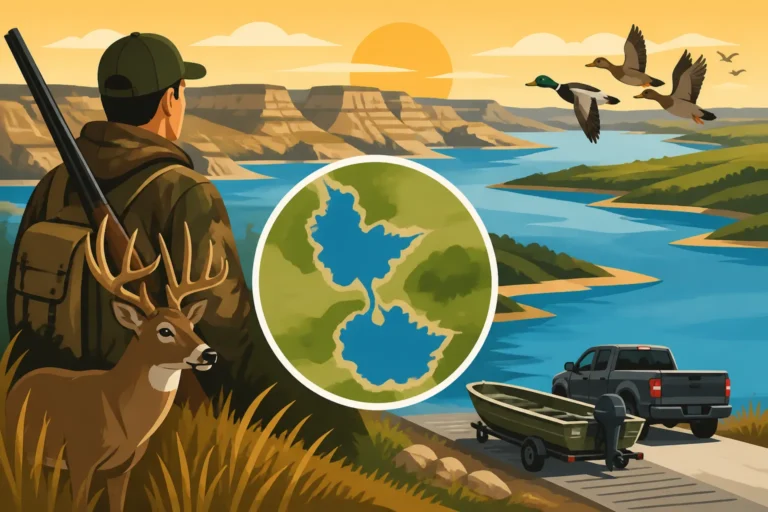
The East River region of South Dakota is a patchwork of fertile farmland and scattered wetlands, often leaving hunters wondering where they can actually walk in and find pheasants or waterfowl. It’s a common frustration to see fantastic cover from the road, only to realize it's all private land or inaccessible. This guide aims to demystify the process, helping you pinpoint those valuable pothole sloughs that offer legitimate, productive public hunting opportunities in East River South Dakota.
Understanding East River Pothole Country
If you've spent any time driving through East River South Dakota, especially north of I-90, you've undoubtedly noticed the landscape is dotted with countless small wetlands – the eponymous "potholes." This unique topography is a direct result of ancient glaciers that sculpted the land, leaving behind depressions that filled with water, creating the "Prairie Pothole Region." These aren't just pretty features; they are biological powerhouses, acting as magnets for everything from pheasants to migratory waterfowl.
The Landscape and Its Appeal
Imagine rolling hills of corn and soybean fields, interrupted by shimmering patches of water and dense stands of vegetation. That's the heart of East River South Dakota's pothole country. These wetlands vary wildly in size and depth, from shallow seasonal depressions that dry up by late summer to deep, permanent sloughs that hold water year-round. What makes them so appealing to wildlife, and consequently to us hunters, is the incredible diversity of cover they provide. You'll find towering cattails, which can grow to impressive heights, forming impenetrable fortresses. Mixed in might be thick stands of phragmites, tough rushes, or even willow thickets, especially around the edges. Adjacent to these watery havens, you often find grasslands, either native prairie or Conservation Reserve Program (CRP) acres, which provide crucial upland cover for nesting and loafing.
This mosaic of cover is a year-round refuge. In spring and summer, it’s prime nesting habitat, offering hens a secluded spot to raise their broods away from predators. Come autumn and winter, the dense, tall vegetation of a cattail slough acts as an incredible insulator, shielding birds from bitter prairie winds and heavy snows. Without these natural thermal blankets, pheasants and many waterfowl species would struggle to survive the harsh South Dakota winters. It’s a visually striking and ecologically vital landscape, and learning to read it is the first step to successful hunting.
Why Potholes Hold Birds
So, why exactly do pheasants and waterfowl flock to these seemingly isolated pockets of wetland? It comes down to basic survival needs: cover, food, and water. For pheasants, a healthy cattail or phragmites slough offers unparalleled escape cover. When a bird hears the crunch of footsteps or the bark of a dog, it will often dive straight into the thickest part of a slough, vanishing from sight. This dense vegetation also provides crucial thermal cover, especially during frigid winter days. It’s a windbreak, a snow trap, and a hidden sanctuary all rolled into one. Birds will roost in these sloughs overnight, seeking shelter from the elements and predators like coyotes and raptors. During the day, they might move out to feed in adjacent crop fields or nearby grasslands, but they almost always return to the safety of the slough to loaf, dust, and ultimately, evade danger.
Waterfowl, naturally, depend on these potholes for open water. Ducks and geese utilize them for feeding, resting, and staging during migration. While some potholes are too dense with vegetation for open water loafing, many have channels or open pockets that are ideal. In fact, many of these same wetlands that hold pheasants in the afternoon might be covered in ducks and geese at first light. The combination of water, emergent vegetation, and often adjacent grain fields makes them irresistible to a variety of species. The sheer density and protective qualities of the cover, combined with readily available food and water, make pothole sloughs the ultimate bird magnets across East River South Dakota.
Identifying Productive Pothole Sloughs on Public Ground
Finding these gem-like sloughs is half the battle, especially when you’re trying to stick to public hunting lands. It's not always as simple as spotting a slough from the road; you need to understand the nuances of public access and bird behavior. Modern tools have revolutionized this scouting process, making it far more efficient than ever before.
Leveraging Digital Mapping Tools
Gone are the days of relying solely on paper plat books or driving endless gravel roads in hopes of finding public access. Digital mapping applications, like onX Hunt, have become indispensable for identifying productive pothole sloughs from the comfort of your home. These apps allow you to overlay property boundaries with public land designations, revealing Game Production Areas (GPAs), Waterfowl Production Areas (WPAs), and critical Walk-In Areas (WIAs) that might contain these hidden honey holes.
When using such an app, start by filtering for public lands in your target East River counties. Then, zoom in and look for the tell-tale blue patches that signify wetlands. Now, here's where the real detective work begins:
- Vegetation Density: Look for areas within those wetlands that appear darker green or have a distinct texture on satellite imagery, indicating dense cattail or phragmites stands. Not all "wetlands" are equal; shallow, grassy depressions might not offer the same heavy cover as a true, deep slough.
- Adjacent Food Sources: Scan the fields bordering these public wetlands. Are they corn? Soybeans? Sunflowers? Pheasants need food, and a slough that's nestled beside a standing or recently cut crop field is far more attractive than one surrounded by pasture or hay ground.
- Proximity to Other Cover: Is there a tree line, a shelterbelt, or a block of dense grassland nearby? Birds often move between different cover types throughout the day. A slough that offers diverse adjacent habitat is often more productive.
- Access Points: Critically, identify legal parking and walking access. Many WPAs and WIAs require foot traffic only, so look for parking areas or county road shoulders where you can leave your vehicle without trespassing or blocking access. Sometimes, the best sloughs are those that require a significant walk, deterring other hunters. For a deeper dive into how to use these tools effectively, check out E-Scouting Walk-In Areas Before the Season. You can even upload your planned routes and mark potential bird-holding cover. GoHunt also offers similar mapping capabilities, allowing you to thoroughly analyze terrain and ownership before you even hit the road.
Reading the Ground in Person
While digital maps are a powerful starting point, nothing beats "boots on the ground" scouting. Once you've identified a promising public pothole slough on your map, a pre-season visit can confirm its potential and provide invaluable insights. Look for physical signs of bird activity:
- Tracks and Trails: Pheasants and other wildlife leave distinct trails through the dense cover, especially in the mud around the edges or in patches of matted-down grass. Look for pheasant tracks, which resemble chicken tracks but are typically larger.
- Droppings: Fresh droppings are a clear indicator that birds are using the area. Pheasant droppings are often dark and tubular, sometimes with a white cap.
- Dusting Bowls: In dry areas or along the edge of a slough, pheasants will create shallow depressions where they dust themselves to clean their feathers and deter parasites. Finding these bowls, especially if they show recent use, is a great sign.
- Feeding Activity: If adjacent crop fields are accessible and legal to hunt, look for scratched-up ground where birds have been feeding on dropped grain. This confirms they are moving between the slough and food.
- Escape Routes: Pay attention to how a slough transitions into other cover. Birds will often have preferred escape routes, and knowing these can help you position blockers or anticipate flushes during a hunt.
Also, observe the slough's water level. In dry years, some potholes may shrink significantly or even dry out, impacting their value for waterfowl and potentially reducing the thermal cover for pheasants. A slough that looks great on an aerial photo from a wet year might be less productive in a drought. Understanding these on-the-ground details can significantly increase your chances of success.
The Importance of Access and Pressure
East River South Dakota is popular, and public lands, especially during pheasant season, can see significant pressure. The challenge isn't just finding a good slough, but finding one that hasn't been hunted hard already. This is where strategic thinking about access comes into play.
- Distance from Parking: Many hunters will stick to spots with easy, roadside access. By identifying sloughs that require a longer walk – perhaps a quarter-mile or more from the nearest road or parking area – you significantly increase your chances of finding less pressured birds. Use your mapping app to find obscure parking spots or walk-in access points that might not be immediately obvious.
- Smaller, Isolated Sloughs: Don't overlook smaller potholes. While big, sprawling sloughs seem more appealing, they also draw more attention. A compact, dense slough that's slightly off the beaten path can hold just as many, if not more, pheasants per acre than a larger, more accessible one.
- Mid-Week Hunts: If your schedule allows, hunting on a weekday can dramatically reduce the amount of pressure you encounter. Weekends, especially the opener, can be a crowded affair on popular public lands. For more insights on this, read Hunting Pressure Patterns on Walk-In Areas.
- Late Season: As the season progresses and birds have been pushed around, they become savvier and seek out the densest, most difficult-to-access cover. These late-season hunts can be incredibly rewarding in deep sloughs, as birds are reluctant to leave their sanctuary. Remember, finding unpressured ground often means putting in more legwork, but the reward of unpressured birds is often worth every step.
Hunting Strategies for Pothole Sloughs
Once you’ve identified a promising pothole slough and have your public access sorted, it’s time to think about how to hunt it effectively. The thick cover of a cattail slough presents unique challenges and requires specific tactics, whether you're hunting solo or with a group.
Solo Hunting and Dogless Tactics
Hunting a dense pothole slough by yourself, especially without a dog, can feel daunting, but it’s absolutely doable and often incredibly rewarding. The key is to be methodical, patient, and strategic.
First, consider the wind. Whenever possible, hunt into the wind. This allows your scent to blow behind you, keeping you undetected by birds for longer, and it can also push birds deeper into the slough where they are more likely to hold. If you’re pushing a slough, having the wind in your face means any birds that flush will be fighting the wind, often flying slower and presenting easier shots.
Your walking pace is crucial. Don't rush. Walk slowly, pausing frequently. Those pauses are often what make a nervous pheasant flush. They'll run ahead, then stop to listen, and when you pause, they might think they've been spotted or are about to be overtaken, prompting them to fly. A zig-zag pattern can be very effective in wider sloughs. Instead of a straight line, weave back and forth, covering more ground and hitting different pockets of cover. This helps disorient birds and makes them more likely to flush within range. Always be ready to shoot; pheasants can explode out of thick cover with surprising speed and noise. For more tips on this approach, check out Dogless Pheasant Hunting in South Dakota. Be aware of the slough’s boundaries and potential escape routes. If birds are running out the far end, you might need to try looping around to cut them off or change your approach on subsequent pushes.
Group Hunts and Blocking Tactics
Hunting a pothole slough with a group and dogs is where the classic South Dakota pheasant drive comes into its own. This method is incredibly effective at flushing birds that would otherwise hold tight in the thick cover.
The primary strategy involves "walkers" pushing through the densest part of the slough, while "blockers" are strategically positioned at the far end or along the sides to intercept birds attempting to run out or flush wide.
- Walkers: These hunters move through the cover, often in a line, working their way towards the blockers. They should maintain a steady, relatively slow pace, making noise and thoroughly covering the ground. Communication is vital here – ensure everyone knows their position and pace. Muzzle discipline is paramount in thick cover; always know where your hunting partners are.
- Blockers: Blockers are the interceptors. They should be set up well in advance, concealed if possible, at the end of the slough where birds are likely to exit. They must remain absolutely still and silent until birds are in range. It's often best for blockers to position themselves slightly outside the thickest cover, allowing for clearer shots at flushing birds.
- Dogs: A good flushing dog is invaluable in a slough hunt. They can penetrate the thickest cover, find birds that hunters might miss, and retrieve downed game.
The success of a group drive hinges on coordination. Before you start, clearly define roles, establish a plan for moving through the cover, and designate shooting lanes. Safety is always the top priority, especially when multiple hunters are pushing through dense cover. Remind everyone of safe gun handling practices, especially muzzle discipline. For a deeper dive into coordinated drives, read Pushing a Cattail Slough With Blockers and Best Way to Push a Cattail Slough. These tactics, when executed safely and effectively, can make a single pothole slough yield a fantastic number of wild South Dakota roosters.
Waterfowl Opportunities in Potholes
While often discussed for pheasants, many of East River's potholes are also fantastic for waterfowl, offering dual-purpose hunting potential. If you're out scouting for pheasants, always keep an eye out for duck and goose activity.
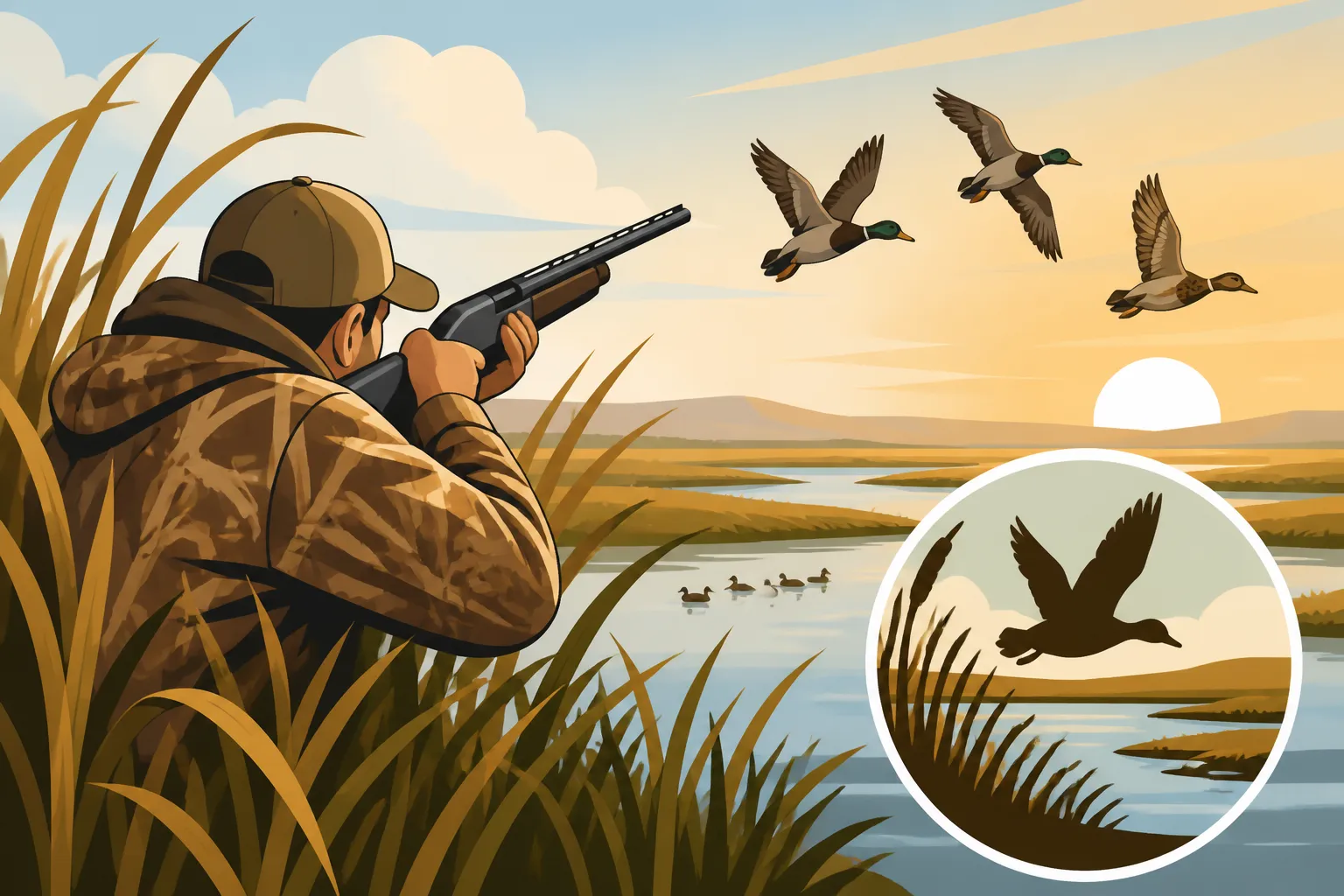
Small, isolated potholes, especially those surrounded by standing corn or beans, can be magnets for local ducks. Jump shooting these small wetlands can be incredibly exciting. Approach quietly, using any available cover like tree lines or low rises, to get within range before you surprise a flock. Another approach, especially for larger potholes or those with more open water, is to set up a small decoy spread. You don't need dozens of decoys; a half-dozen mallard decoys, strategically placed, can often be enough to pull in curious birds. Using a layout blind or natural vegetation for concealment is key.
For goose hunting, look for potholes that are within sight of actively feeding goose fields. Geese often use these water bodies as resting areas during the day or as loafing spots before heading out to feed in the evening. Understanding migration patterns and local bird movements, which often involves some scouting at dawn and dusk, will greatly improve your waterfowl success. Remember that many Waterfowl Production Areas (WPAs) are specifically managed for these birds, making them prime targets. A small boat or even waders can be extremely useful for setting decoys or retrieving downed birds in these wetlands. For more specific waterfowl tactics, check out Decoying Ducks on a South Dakota Prairie Pothole.
| Public Land Type | Typical Pothole Slough Characteristics | Access Considerations | Best For (Generally) |
|---|---|---|---|
| Walk-In Areas (WIA) | Variable size, often adjacent to private crop fields, diverse cover | Foot traffic only; map boundaries carefully | Pheasants, small game |
| Waterfowl Production Areas (WPA) | Abundant water, dense cattail/phragmites, sometimes surrounded by grass | Foot traffic, often no vehicle access directly to water | Waterfowl, pheasants |
| Game Production Areas (GPA) | Larger, managed for diverse wildlife, can have deeper water features | Better vehicle access in some spots, but still plenty of walk-in | Pheasants, waterfowl, deer |
| School/State Trust Lands | Scattered, can be similar to WIA, check specific rules often | Public access unless explicitly leased; verify regulations | Mixed bag, scouting key |
This article is for general informational purposes only and does not constitute professional advice. Laws, prices and regulations vary by location and change over time. Consult a qualified professional for guidance on your specific situation.