Which Office Manages the National Grasslands
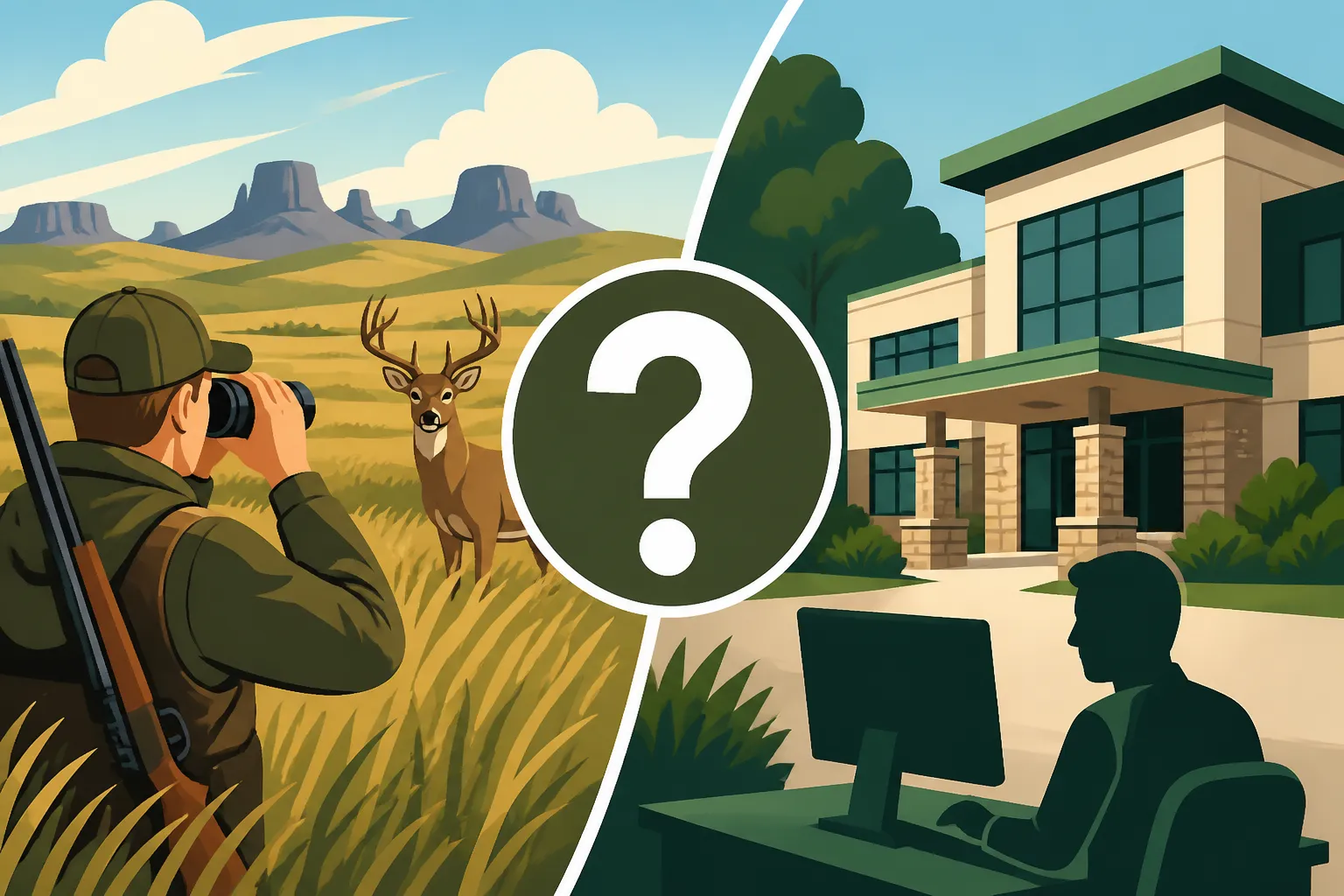
It can feel incredibly confusing when you’re trying to plan a hunting trip to a vast public area like a National Grassland in South Dakota. You know it's public land, but who actually calls the shots on things like access, roads, and general land management? It’s a common frustration, especially when you’re trying to nail down specifics for your hunt. This guide is here to untangle that confusion, clarifying which office manages these incredible landscapes and how that knowledge can make your next hunt smoother and more successful.
Understanding National Grasslands in South Dakota
South Dakota is blessed with an abundance of public lands, and among the most unique and often misunderstood are its National Grasslands. These aren't just big, empty fields; they are working landscapes with a rich history and specific management goals that every hunter should understand.
What Exactly Are National Grasslands?
National Grasslands are units of the National Forest System, managed by the United States Forest Service (USFS). Unlike National Parks, which prioritize preservation and recreation, National Grasslands are managed for multiple uses, including livestock grazing, wildlife habitat, oil and gas development, and, crucially for us, outdoor recreation like hunting. They were largely established in the 1930s on lands that had been over-farmed during the Dust Bowl era. The government purchased these lands, rehabilitated them, and put them under the care of the Forest Service, transforming them from ecological disasters back into productive ecosystems. This multi-use philosophy means you’ll often encounter cattle, oil wells, and other human activities alongside prime hunting habitat. This can be a bit of a shock if you're used to pristine wilderness, but it's part of the fabric of these working landscapes.
The Three Main Grasslands in South Dakota
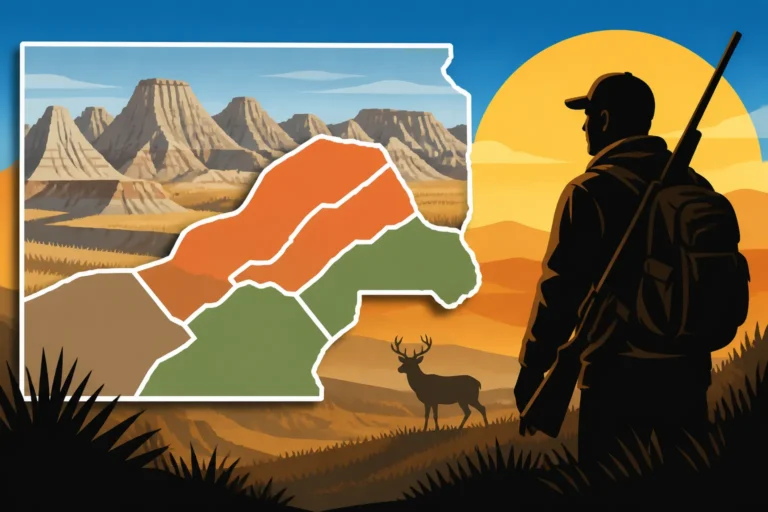
South Dakota is home to three significant National Grasslands, each offering unique hunting opportunities and requiring specific knowledge to navigate. These sprawling areas are primarily located west of the Missouri River, contributing significantly to the state's public land base.
First, there's the Buffalo Gap National Grassland, an immense expanse of prairie stretching across southwestern South Dakota. It's truly a mosaic of land ownership, often interspersed with private and state lands, which can make navigation a real challenge if you're not prepared. Hunters here chase mule deer, whitetails along the draws, antelope, and prairie grouse. You can find deep dives into this area in resources like Buffalo Gap National Grassland Hunting.
Then we have the Fort Pierre National Grassland, located south of Pierre. This grassland is famous for its rolling hills, numerous prairie potholes, and exceptional prairie grouse hunting, particularly for sharp-tailed grouse and greater prairie chickens. It’s also excellent for deer and antelope. Its vast, uninterrupted expanses can feel overwhelming, but with the right tools, it's incredibly rewarding. For more details on this area, check out Fort Pierre National Grassland Hunting.
Finally, the Grand River National Grassland sits in the far northwestern corner of the state, bordering North Dakota. This area is characterized by more rugged terrain in places, with draws and badlands-like formations, making it fantastic habitat for mule deer, whitetails, and antelope. It’s often less pressured than some other areas due to its remote location. To learn more about hunting options here, consider looking at Grand River National Grassland Hunting. Understanding these distinctions and their sheer scale is your first step to a successful grassland hunt.
The United States Forest Service: The Primary Manager
When you're out on any of South Dakota's National Grasslands, the overarching authority you're dealing with for land management is the United States Forest Service. This isn't just a detail; it profoundly impacts how you access, use, and respect these lands.
The Role of the US Forest Service
The United States Forest Service (USFS) is an agency of the U.S. Department of Agriculture, and it's the entity responsible for the health, diversity, and productivity of the nation’s forests and grasslands to meet the needs of present and future generations. For National Grasslands, this means they oversee everything from grazing permits for local ranchers to managing wildfire risk, maintaining roads and trails, and regulating recreational use, including hunting. It’s a common misconception for new hunters to assume that because they're hunting in South Dakota, the state Game, Fish and Parks (GFP) manages all aspects of the land. While GFP manages the wildlife (seasons, limits, licenses), the USFS manages the dirt, the trees, the roads, and the overall landscape. This distinction is critical because federal regulations, not just state laws, apply to these lands. For instance, specific rules about vehicle travel, camping, or even where you can place a temporary blind might come directly from the USFS.
This setup is different from how other federal lands might be managed. For example, some public lands might fall under the Bureau of Land Management (BLM), which often has a slightly different management philosophy focused more on multiple-use grazing and mineral extraction. Waterfowl Production Areas (WPAs) or National Wildlife Refuges (NWRs) are managed by the U.S. Fish and Wildlife Service (USFWS), with a primary focus on wildlife conservation and habitat. Understanding that National Grasslands fall squarely under the USFS helps you know who to contact when you have questions about the land itself, beyond just hunting regulations.
Local Ranger Districts and Their Importance
While the US Forest Service is the big picture, federal agency, the practical, day-to-day management of the National Grasslands falls to specific local offices called Ranger Districts. These are the boots-on-the-ground folks who know the terrain, the local issues, and the specific nuances of their particular patch of grassland. For a hunter, these local Ranger District offices are invaluable resources.
For instance, the Buffalo Gap National Grassland is primarily managed by the Wall Ranger District, headquartered in Wall, South Dakota. The Fort Pierre National Grassland is managed by the Fort Pierre Ranger District, located right in Fort Pierre. And the Grand River National Grassland falls under the Lemmon Ranger District, out of Lemmon, South Dakota.
These local offices are where you can get the most current information on road conditions (crucial after heavy rains or snow!), fire restrictions, seasonal closures, or any specific land-use rules that might affect your hunt. They can provide Motor Vehicle Use Maps (MVUMs), which are absolutely essential for understanding which roads are open to public vehicle traffic and which are closed or restricted. Relying solely on a general map or even an older mapping app without cross-referencing an MVUM can lead to frustration or even violations. A quick call to the relevant Ranger District office before your trip can save you a world of trouble and point you towards less-pressured areas or provide insights into recent habitat projects that might be drawing game.
Navigating Regulations and Access on Grasslands
Hunting South Dakota's National Grasslands isn't just about finding the right cover; it's also about navigating a layered set of regulations that can sometimes feel like a puzzle. Understanding how federal land management intertwines with state wildlife laws is key to a smooth and legal hunt.
Layering Federal and State Regulations
This is where many hunters get tangled up. You've got the United States Forest Service managing the land, and the South Dakota Department of Game, Fish and Parks (GFP) managing the wildlife. What does that actually mean for you?
Simply put, the USFS dictates where you can drive, where you can camp, whether you can cut firewood, and the general condition of roads and trails. They enforce federal rules regarding things like dispersed camping limits, fire regulations, and even the use of off-highway vehicles. You might be perfectly legal by state hunting laws, but if you drive past a closed gate on a USFS road, you're breaking federal rules. This interaction means that you need to be familiar with both sets of rules. Your South Dakota hunting license and tags are issued by the GFP, which also sets the seasons, bag limits, and legal methods of take for all game species. You’ll need to understand the nuances of South Dakota Hunter Education and Licensing and specific regulations like South Dakota Deer Licence Types by Region based on the unit you draw.
It's a dance between two authorities. The GFP tells you what you can hunt, when you can hunt it, and how you can hunt it (e.g., weapon type, shooting hours). The USFS tells you where you can physically be and what activities are allowed on the land while you're hunting. For example, the GFP might say deer season is open, but if the USFS has implemented a fire restriction on the grassland, you might not be able to have a campfire, which could impact your camping plans. Always check both federal and state regulations before heading out.
Essential Tools for Grassland Hunters
Given the often complex patchwork of land ownership and access rules on National Grasslands, modern mapping tools aren't just convenient; they're absolutely essential. Relying on paper maps alone, while always a good backup, can leave you guessing on the ground, and that's a dangerous game in country this vast.
Applications like onX Hunt have revolutionized how hunters approach these public lands. With onX Hunt, you can overlay layers that show federal land boundaries, state public land, private land ownership, and even USFS Motor Vehicle Use Maps, clearly marking roads open for vehicle travel versus those that are foot-traffic only. This visual clarity helps you avoid accidental trespass onto private land and ensures you stay on legal access routes. Imagine trying to follow a faint two-track road in the middle of Buffalo Gap and wondering if it continues onto public land or dead-ends at a private ranch. A tool like onX Hunt immediately answers that question.
Similarly, platforms like GoHunt can offer valuable insights, not just on land status but often on drawing odds, unit breakdowns, and harvest data, helping you plan which units might be best for your target species within these grasslands. These digital aids can make the difference between a frustrating hunt spent trying to figure out where you are and a productive hunt focused on finding game. Before you go, ensure your phone is charged, you have offline maps downloaded, and ideally, a portable charger. For more on navigating these digital resources, check out guides on Using the South Dakota Public Hunting Atlas and onX Layers for South Dakota Land Status. These technologies are your best friends for Finding Legal Access in South Dakota and maximizing your time on game.
Practical Advice for Hunting South Dakota's National Grasslands
Hunting the National Grasslands is an incredible experience, but it requires diligent preparation. These vast landscapes offer immense opportunity but also present unique challenges.
Planning Your Hunt and Getting Information
Before you even load up your truck, serious pre-hunt research is paramount. These aren't areas where you can just show up and expect to figure it all out on the fly, especially if it's your first time. Start by identifying which specific Ranger District manages the part of the grassland you intend to hunt. Then, give them a call. Seriously, pick up the phone. The local staff are an invaluable source of real-time information. They can tell you about current road closures, fire restrictions (which can be common in dry years), recent prescribed burns, or even ongoing grazing operations that might impact game distribution. They can also often mail you hard copies of Motor Vehicle Use Maps (MVUMs) that detail every legal road and trail for motorized travel.
Beyond the USFS, always consult the current South Dakota Game, Fish and Parks hunting handbook. This will give you all the details on seasons, bag limits, and general state hunting regulations. The GFP website is also a treasure trove of information, including maps and recent wildlife surveys. Don't forget to look into historical weather patterns for the time of year you plan to hunt; unexpected blizzards in late fall or intense heat in early season can drastically alter your hunt. Thoroughly Scouting a South Dakota Unit From Home using online resources and phone calls will give you a significant advantage.
Respecting Multi-Use Land and Other Users
Remember, National Grasslands are managed for "multiple uses." This means you're not just sharing the land with deer and pheasants; you're sharing it with cattle, ranchers, other recreational users like hikers or horseback riders, and potentially oil and gas workers. Respecting all users is a fundamental aspect of ethical hunting here.
One of the most common encounters you'll have is with cattle. Grasslands are actively grazed, so you'll see fences, gates, and livestock. Always leave gates as you found them – if it was closed, close it behind you; if it was open, leave it open. This is crucial for ranchers managing their herds. When driving on two-track roads, be mindful of livestock on the road or in nearby pastures. Additionally, other recreational users might not expect hunters, especially during non-traditional hunting times. A friendly wave and a respectful interaction go a long way in fostering good relationships between different user groups. Always practice Leave No Trace principles, packing out everything you pack in, and being especially careful with fire. If you plan to camp, familiarize yourself with USFS rules on Camping on South Dakota Public Land, as these can differ from state park rules.
South Dakota National Grasslands: Key Information
Here's a quick overview of the three main National Grasslands in South Dakota and their managing Ranger Districts:
| National Grassland | Primary Ranger District | Location | Key Hunting Opportunities |
|---|---|---|---|
| Buffalo Gap | Wall Ranger District | Southwestern South Dakota | Mule Deer, Whitetail, Antelope, Prairie Grouse |
| Fort Pierre | Fort Pierre Ranger District | South Central South Dakota (near Pierre) | Prairie Grouse, Whitetail, Antelope, Mule Deer |
| Grand River | Lemmon Ranger District | Northwestern South Dakota (near Lemmon) | Mule Deer, Whitetail, Antelope, Prairie Grouse |
This table provides a snapshot, but remember to contact the specific Ranger District for the most up-to-date and detailed information for your planned hunt.
So, when you're planning that epic hunt on the expansive South Dakota prairie, remember it's the United States Forest Service, specifically its local Ranger Districts, that manages the very ground you'll be walking on. While the South Dakota Game, Fish and Parks handles the wildlife regulations, knowing who maintains the roads, sets the camping rules, and issues fire restrictions will be your secret weapon for a successful, legal, and truly enjoyable experience on these incredible public lands. A little homework before you go can make all the difference, transforming potential confusion into a confident stride across the grasslands.
Disclaimer
This article is for general informational purposes only and does not constitute professional advice. Laws, prices and regulations vary by location and change over time. Consult a qualified professional for guidance on your specific situation.