Is Every CREP Acre Open to Hunting?
One of the biggest head-scratchers for hunters, especially those new to South Dakota or trying to explore different areas, is figuring out where they can actually hunt. There's a lot of conservation land out there, and it's easy to assume that if it's protecting wildlife, it must be open to us hunters. This guide is here to untangle the specifics of the Conservation Reserve Enhancement Program (CREP) in South Dakota and clarify precisely which acres are open for your hunting adventures.
Understanding CREP and Its Purpose
When you hear terms like "conservation land," it's natural to think of wide-open spaces teeming with wildlife, ready for ethical pursuit. However, the reality of various federal and state programs is a bit more nuanced.
What is CREP, Really?
CREP stands for the Conservation Reserve Enhancement Program. At its heart, it's a voluntary program for agricultural landowners. Its primary goal is to address specific environmental concerns related to agriculture, like water quality, soil erosion, and habitat for certain species. Landowners agree to remove environmentally sensitive land from agricultural production for a specified period – often 10 to 15 years – and implement conservation practices. In return, they receive annual rental payments and cost-share assistance for establishing those practices. Think filter strips along waterways, grass buffers, or even wetland restoration. It's a fantastic program for wildlife, providing crucial nesting cover, food sources, and thermal protection that might otherwise be lost to row crops or intensive grazing. While often confused with the broader Conservation Reserve Program (CRP), CREP is typically a more targeted, geographically specific variant, focusing on larger-scale environmental benefits in particular watersheds or regions.
The Hunter's Hope and the Reality of Access
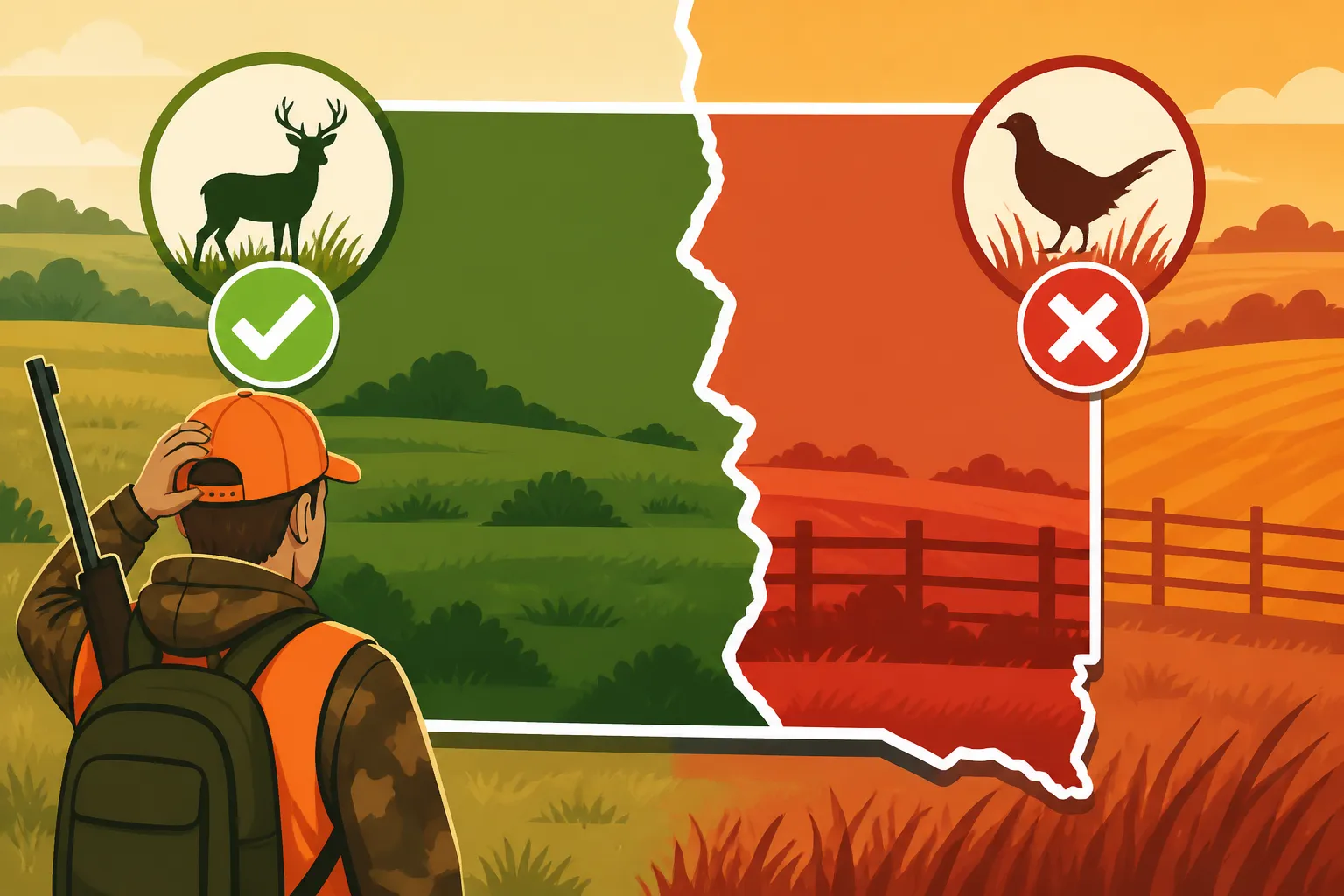
Here's where the rubber meets the road for hunters. Many folks, myself included, see those lush, restored acres and immediately picture pheasants bursting from the cover or a whitetail buck moving through a dense buffer. The logical leap is often, "If it's good for wildlife, it must be open for hunting." And sometimes, that's exactly right! But critically, the mere existence of a CREP contract on a piece of ground does not automatically grant public hunting access. It provides habitat, yes, but it doesn't unilaterally open the gates. This can be a real source of frustration when you're driving through prime habitat only to find "No Hunting" signs, or worse, you mistakenly step onto private land assuming it's fair game. Understanding this distinction is vital for a responsible and legal hunt in South Dakota.
Navigating Access: When CREP is Open for Hunting
So, how do you know which CREP acres you can hunt? It comes down to understanding how South Dakota intentionally layers public access onto some of these conservation lands.
South Dakota's Public Access Programs: The Key Difference
In South Dakota, the public hunting access you're looking for typically comes through specific programs managed by the South Dakota Game, Fish and Parks (GFP). The two big ones are the Walk-In Area (WIA) program and Game Production Areas (GPAs). GPAs are lands owned outright by the state for wildlife management and public recreation. Walk-In Areas, however, are privately owned lands, and sometimes even federal lands, that landowners have voluntarily enrolled in a program to allow public hunting. This is where CREP often intersects with hunting access. A farmer might have a CREP contract on a portion of their land to establish grassland habitat, and then also enroll that same parcel (or parts of it) into the WIA program. It's this second layer of enrollment that opens the land to public hunting. Without the WIA or GPA designation, even if it's excellent CREP habitat, it remains private land, and you'll need explicit permission to hunt it. It's a common misconception, but remembering that CREP provides the habitat, and WIA/GPA provides the access, is crucial. For more on this, you might find How South Dakota Walk-In Areas Work particularly helpful, as well as South Dakota's Walk-In Area Acres and Landowners.
How to Identify Huntable CREP Land
This is the actionable part: how do you actually find these golden opportunities? The absolute best tool at your disposal is the South Dakota Public Hunting Atlas. This resource, available online and often through various mapping apps, is your definitive guide.
- Online Atlas: The GFP website hosts an interactive map where you can see all publicly accessible lands, including Walk-In Areas and Game Production Areas. You can filter by county, species, and even type of cover. Many of these WIA parcels overlap with CREP or CRP ground. Look for the distinct yellow WIA signs or green GPA signs on the map.
- Mapping Apps: This is where modern technology shines. Apps like
onX HuntandGoHunt(and others) are invaluable. They overlay public/private land boundaries directly onto detailed topographical and aerial maps, often color-coding WIA and GPA lands. Crucially, these apps often specify the managing agency or program, helping you identify if a public parcel is, in fact, WIA land that might include CREP. The beauty of these tools is that you can see exactly where you are in relation to public boundaries in real-time, right there in the field. This is game-changing for confidently identifying huntable areas. You'll want to check out onX Layers for South Dakota Land Status for more on how to use these tools effectively. - On-the-Ground Signage: When you get out there, always, always look for the official signs. Walk-In Areas are clearly marked with distinctive yellow signs that state "Walk-In Area: Public Hunting and Fishing." Game Production Areas have green signs. If you don't see these signs, even if your
onX Huntapp shows a WIA boundary, it's wise to proceed with caution or double-check. The signs are the final word on the ground.
By combining digital mapping tools with vigilant on-the-ground confirmation, you can confidently identify those valuable CREP acres that are, indeed, open for public hunting.
The Nuances of CREP Access and Hunter Etiquette
Even when you've identified CREP ground that is open to public hunting, there are critical nuances to consider, both legally and ethically, to ensure a positive experience for everyone involved.
Permission is Paramount on Unsigned CREP
Let's be crystal clear: if a piece of CREP land is not explicitly marked with those bright yellow Walk-In Area signs or green Game Production Area signs, it is considered private land. Period. It doesn't matter how great the habitat looks or how much you wish it was open. Without those official designations, you must obtain permission from the landowner before stepping foot on it. This is a non-negotiable aspect of hunting in South Dakota. Walking onto unsigned CREP land without permission is trespassing, plain and simple, and it can lead to serious legal consequences, including fines and the loss of hunting privileges. Beyond the legal ramifications, it erodes trust with landowners, making it harder for all hunters to gain access in the future. Always err on the side of caution. If there's any doubt, assume it's private and seek permission. For guidance on this, South Dakota Trespass Law and Posted Land and Do You Need Written Permission in South Dakota? are essential reads. You may also find Asking a South Dakota Landowner for Permission helpful for advice on how to approach this.
Respecting the Resource and the Landowner
When you are fortunate enough to hunt on CREP land that is part of the WIA program, remember that you are a guest on someone's private property. Treating it with the utmost respect is paramount.
- Foot Traffic Only: Most Walk-In Areas, by their very nature, are for foot traffic only. This means no vehicles, ATVs, or even bicycles unless explicitly stated otherwise. Park your vehicle appropriately, often along a fence line or in a designated parking area, and be mindful not to block gates or access points. Check out Foot Traffic Only Rules on South Dakota Walk-In Areas for more details.
- Leave No Trace: Pack out everything you pack in, and then some. This includes empty shell casings, snack wrappers, and anything else that doesn't belong. The goal is for the landowner to barely know you were there, aside from a few fewer pheasants.
- Stay Within Boundaries: Use your GPS device (like your
onX Huntapp!) to confirm you are staying within the WIA boundaries. It's easy to accidentally drift, especially in dense cover or rolling terrain. Finding Property Lines in South Dakota will explain how important this is. - Respect Other Users: You might encounter other hunters, hikers, or even the landowner themselves. A friendly wave and mutual respect go a long way.
- Manage Expectations: While these CREP lands offer fantastic habitat, they are still wild birds and wild animals. Don't expect guaranteed limits. Enjoy the experience of hunting in a beautiful, conserved landscape.
- Be Mindful of Pressure: These public access areas can see significant pressure, especially early in the season or on weekends. Consider hunting them during weekdays or later in the season when crowds thin out. Even better, learn to work the edges and less obvious spots that others might overlook. This pressure can shift bird behavior, as detailed in Hunting Pressure Patterns on Walk-In Areas.
By adhering to these principles of respectful conduct, you not only ensure your own positive hunting experience but also contribute to the longevity and expansion of public hunting opportunities in South Dakota.
Why Not All CREP is Public: The Landowner's Perspective
It’s easy for us hunters to wish every acre of prime habitat was open to us, but understanding why not all CREP land is publicly accessible is crucial for appreciating the delicate balance at play.
Balancing Conservation with Private Rights
Landowners enroll in CREP for a variety of reasons, and while conservation is a huge motivator, public hunting access isn't always part of their vision. For many, enrolling in CREP is about protecting their soil, improving water quality on their land, or simply creating wildlife habitat for their own enjoyment. The payments received help offset the cost of taking that land out of production.
Think about it from their shoes:
- Privacy: Many landowners value their privacy. Opening their land to the public means a constant stream of strangers potentially near their homes, livestock, or private operations. This is a very real concern, especially in rural areas where privacy is highly valued.
- Liability Concerns: Even with state protections for landowners who open their land, the perceived risk of a hunter getting injured on their property can be a significant deterrent. They worry about potential lawsuits or responsibilities.
- Managing Their Own Hunting: Some landowners enroll in CREP specifically to enhance hunting opportunities for themselves, their family, or close friends. They might be passionate hunters too and want to cultivate a private hunting paradise.
- Specific Wildlife Sanctuary: A landowner might want a particular parcel to be a true sanctuary, perhaps for deer to grow old or for birds to roost undisturbed, without the added pressure of public hunting.
While we see fantastic habitat, the landowner sees their home, their livelihood, and their personal space. It's a significant decision for them to open their gates to the public, and it’s important to respect that choice, whether they opt into public access programs or not. This is a key distinction to remember when you're looking at various conservation programs; How CREP Differs From Walk-In Areas dives a bit deeper into these nuances.
The Future of Public Access on Private Land
South Dakota has one of the most successful public access programs in the nation, thanks in large part to the willingness of private landowners to enroll acres into the Walk-In Area program. These programs are vital because they provide much-needed hunting ground in a state where a vast majority of the land is privately owned. The future of public access on private land hinges on strong relationships between hunters and landowners, and a mutual respect for the land itself.
The state works hard to incentivize landowners to open their property by offering payments for access, along with liability protections. When hunters demonstrate responsible behavior, respect property boundaries, adhere to rules like "foot traffic only," and leave no trace, it makes landowners more likely to continue their enrollment in public access programs and potentially encourages others to join. Every positive interaction, every clean field, every polite conversation, contributes to the overall health of public hunting opportunities. So, while not every CREP acre is open to hunting, the ones that are represent a huge opportunity and a testament to cooperative conservation efforts, making it essential for us to be the best stewards of these lands we can be.
Disclaimer
This article is for general informational purposes only and does not constitute professional advice. Laws, prices and regulations vary by location and change over time. Consult a qualified professional for guidance on your specific situation.