Hunting Pressure on South Dakota Public Ground
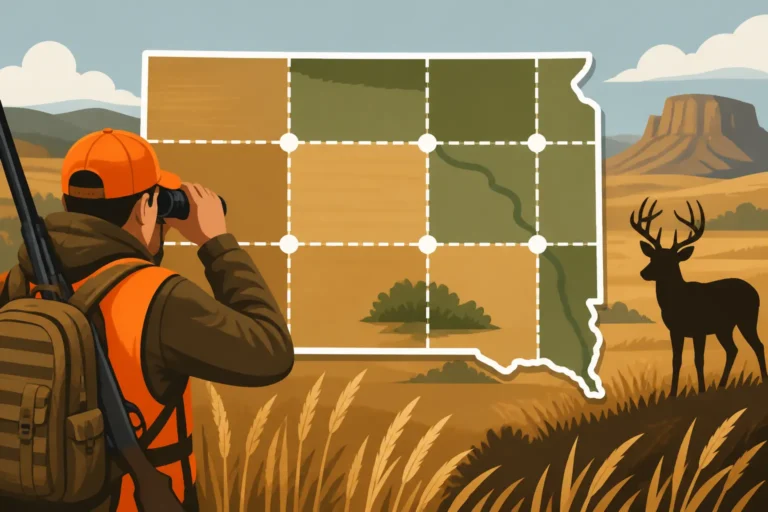
Let's be honest, few things are as deflating as driving an hour or more to a promising piece of public hunting ground in South Dakota, only to pull up and see three other trucks already parked there. That gut-punch feeling of knowing your carefully scouted spot is likely already being worked by another party is a common frustration for hunters who choose to pursue game on the state's incredible public lands. This guide is here to help you understand why certain areas draw crowds and, more importantly, equip you with strategies and insights to minimize your encounters with other hunters and maximize your solitude and success.
Understanding the Reality of Public Pressure
South Dakota has an undeniable allure for hunters, drawing folks from all corners of the country, and for good reason. From pheasants to deer, antelope to prairie grouse, the opportunities are vast. But with such a glowing reputation, especially for ringnecks, comes the inevitable reality of increased interest and, yes, increased pressure on those lands accessible to everyone. It's not a secret anymore; the word is out about South Dakota's hunting heritage.
The Lure of South Dakota's Reputation
There's a reason why South Dakota is often called the "Pheasant Capital of the World." The sheer abundance of habitat and birds, coupled with a generally hunter-friendly culture, creates a powerful magnet. Non-resident hunters, in particular, often target the state, sometimes making an annual pilgrimage. This popularity means that while South Dakota boasts an impressive amount of public hunting acreage, much of it, especially the most accessible and game-rich spots, can see significant traffic. It's a double-edged sword: the fantastic hunting is what draws people, but those very people then contribute to the pressure.
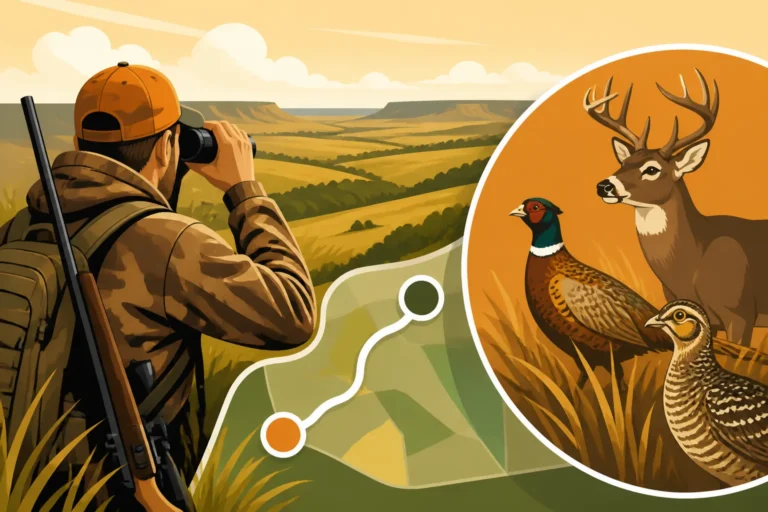
It's not just pheasants, either. The West River breaks hold incredible mule deer, and the eastern part of the state has fantastic whitetail hunting. Antelope dot the prairie, and waterfowl pile into potholes and reservoirs. Each of these species has its dedicated followers, and when seasons open, particularly on public ground, those hunters converge. We all want a piece of the pie, and sometimes it feels like everyone is reaching for the same slice.
Defining "Crowded" on the Prairie
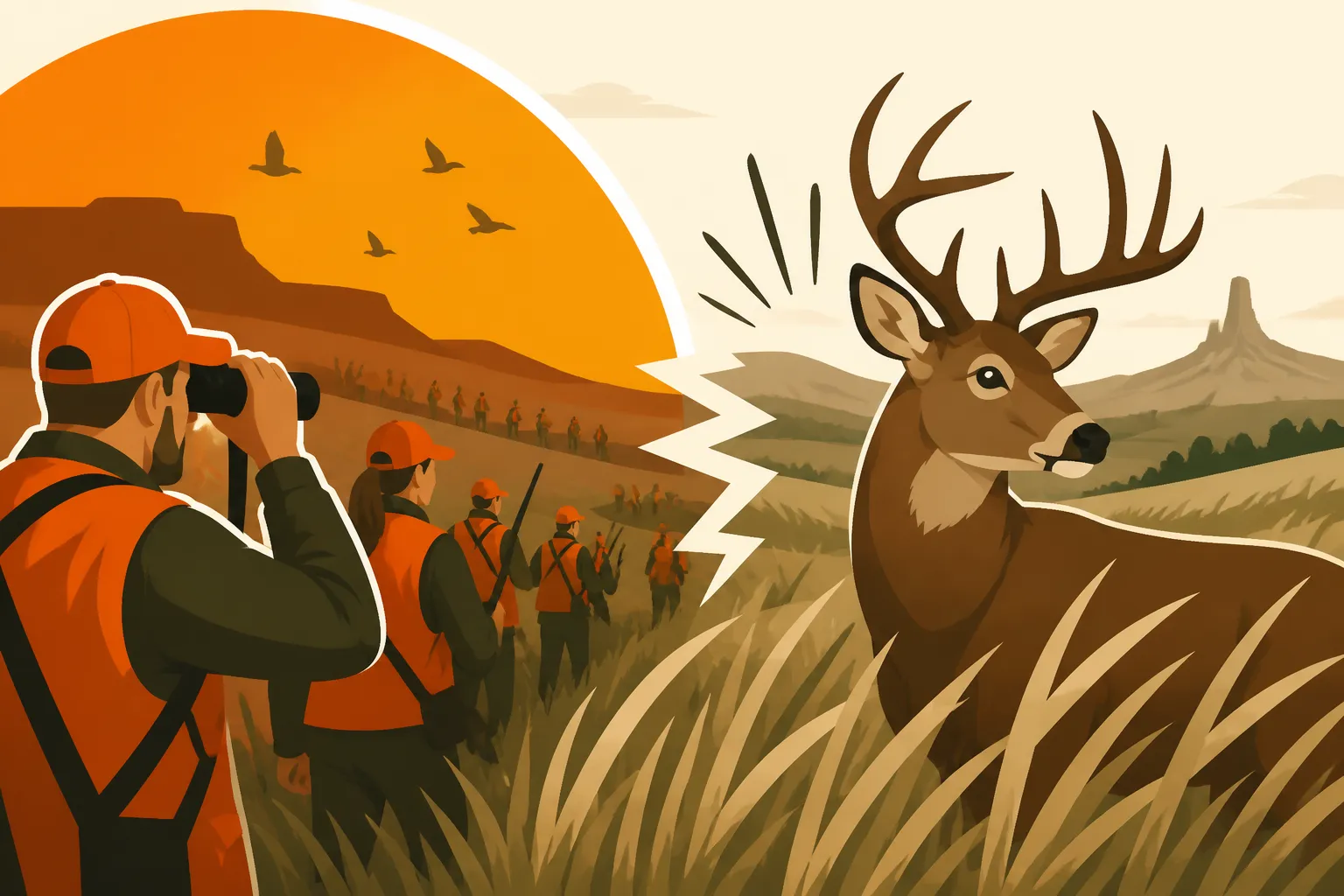
What does "crowded" even mean when you're talking about vast expanses of South Dakota prairie? It's certainly not Times Square, but for a hunter seeking solitude and undisturbed game, seeing another truck, or hearing another group's shotgun blasts in the distance, can feel like a crowd. On a typical Walk-In Area (WIA) of a few hundred acres, seeing one other hunting party might mean you need to adjust your plans. Seeing two or three could mean it's time to move on entirely.
Consider a cattail slough: an absolute magnet for pheasants, especially later in the season. If two groups are trying to work the same slough from opposite ends, it's not just uncomfortable; it's potentially unsafe and certainly unproductive. The birds get pushed back and forth, eventually flushing wild or simply running out the sides. Similarly, on big game hunts, finding fresh tracks only to realize another hunter has already walked through the area can be disheartening. The "crowd" isn't necessarily shoulder-to-shoulder people, but rather any presence that impacts your ability to hunt effectively or enjoy the wild experience.
Factors Contributing to High Pressure
Understanding why certain areas get hit hard is the first step to developing strategies to avoid those pressures. It's rarely random; there are often predictable patterns that emerge based on timing, access, and species popularity.
Season Openers and Holiday Weekends
This is probably the most obvious factor, but it's worth reiterating. The opening weekend of pheasant season in South Dakota is practically a holiday, attracting hordes of hunters, both resident and non-resident. If you're heading out on the first Saturday, or even the first few Saturdays, expect company, especially on easily accessible public lands. The same goes for holiday weekends like Veterans Day or Thanksgiving, when people have an extra day off and decide to hit the fields or the deer woods.
Think about it: everyone has limited vacation time, and they want to make the most of it. The opener is a tradition, a social event for many. This convergence means that even vast stretches of land can feel compressed. Early mornings on opening day will see trucks lining the roads near prime areas. If you cherish solitude, avoid these peak times. Sometimes, even simply starting your hunt an hour or two later on these days can help, as some of the initial rush might have moved on or settled into spots. When South Dakota Walk-In Areas Get Crowded is a great read if you want more insight into this specific challenge.
Accessibility and Road Systems
The easier a piece of public land is to get to, the more likely it is to see heavy pressure. Areas right off a paved highway, or those with well-maintained gravel roads leading directly into them, are always the first to get hit. Hunters, understandably, prefer convenience. They want to park close to the action and minimize long walks, especially when hunting with dogs or carrying a lot of gear.
Conversely, public lands that require a bit more effort—maybe a mile or two down a less-traveled two-track, or those that are landlocked and require a longer hike from a specific parking area—tend to see less pressure. This might mean driving a little further, or walking a little more, but the reward is often a more private and productive hunt. When you're Using the South Dakota Public Hunting Atlas, pay close attention to the roads. The blue squares or polygons indicating public access that are surrounded by county roads are often high-pressure spots. The ones you have to search for, maybe with a smaller access point tucked away, are your hidden gems.
Specific Species Popularity
While pheasants are king, other species also have their designated hotspots that attract crowds. Waterfowl hunters will converge on specific Waterfowl Production Areas (WPAs) or Corps of Engineers land along the Missouri River, especially during peak migration. Deer hunters might focus on particular units known for trophy bucks or high success rates, leading to more competition for prime river bottom timber or isolated coulees.
For instance, certain units in West River for deer might consistently produce bigger bucks, drawing more out-of-state tags and more local attention. Similarly, if a WPA has a reputation for holding thousands of ducks, you can bet there will be layout blinds and decoy spreads already in place if you show up late. The popularity of the species you're pursuing directly influences where you'll find other hunters. Being aware of these species-specific hotbeds allows you to either adjust your expectations or seek out less conventional hunting grounds.
Strategies for Avoiding Crowds
Okay, so we know why public land gets crowded. Now, let's talk about the practical steps you can take to put some distance between yourself and other hunting parties. It often comes down to timing, effort, and a willingness to think outside the box.
Timing Your Hunt Strategically
As mentioned, opening weekends and holidays are pressure cookers. If your schedule allows, consider hunting midweek. Tuesdays, Wednesdays, and Thursdays often see a significant drop in hunter numbers, especially in the afternoon. Many working hunters are back at their jobs, leaving the fields quieter. Even if you can only take a day or two off, targeting the middle of the week can dramatically improve your experience. Weekday Versus Weekend Public Ground dives deeper into this.
Beyond the specific days of the week, think about the time of day. Most pheasant hunters are out first thing in the morning when shooting hours open, or in the late afternoon for the evening roost. But what about midday? Roosters, after the initial morning flush or disturbance, will often seek out heavy thermal cover for loafing. This "dead time" between 11 AM and 2 PM can be incredibly productive if you're willing to work the thickest cattails, plum thickets, or deep grass that other hunters might overlook or simply not want to trudge through. The birds are there, just tucked in tight.
For big game, this midday lull can also be prime time to stalk bedded animals or cover ground when other hunters are back at camp eating lunch. Deer, for instance, often bed down in dense cover during the middle of the day. If you're patient and methodical, moving slowly through these areas when others aren't, you might jump a buck that's been overlooked.
Getting Off the Beaten Path
This is perhaps the most critical strategy for avoiding pressure. While many hunters stick to the easy-access points, the ones who consistently find undisturbed game are those willing to go the extra mile—literally. Public lands with limited parking, or those requiring a significant walk from the road, are your friends. This doesn't mean you need to embark on a multi-day backcountry expedition, but walking a mile or more from your truck can make all the difference.
Think about areas that are further from obvious access points, or those that are adjacent to private land where permission is difficult to obtain. Hunters tend to work the perimeter. If you can get into the interior of a large public block, you're more likely to find less pressured birds or deer. This often involves wading through dense cover, traversing sloughs, or hiking up and down coulees. It's more work, but the payoff can be substantial. Walking In Before Legal Shooting Time is about just that — getting ahead of the game, both literally and figuratively. Make sure to consult your map and identify these less-trodden paths.
Leveraging Overlooked Habitat Types
Not all public land is created equal, and not all habitat is equally popular. While everyone is piling into cattail sloughs and dense CRP fields for pheasants, consider targeting less obvious cover. Think about smaller, isolated pockets of heavy grass, neglected fence lines, brushy draws that might seem too small, or even unharvested corn or food plots if they're on public land (always check regulations for specific areas). These areas might hold fewer birds overall, but the birds they do hold are often less pressured and more willing to hold for a dog or a hunter.
For deer, instead of focusing solely on river bottoms, look at small draws and pockets of sagebrush on the open prairie. These areas might seem exposed, but a cunning mule deer buck knows how to use subtle terrain features to stay hidden. Antelope, too, often hang out in terrain that seems open but provides just enough undulation to hide a stalk. The key is to analyze the landscape and consider what other hunters might be overlooking. Sometimes, the most productive spots are those that don't immediately scream "prime habitat." Reading Aerial Imagery for Cattail Cover can help you spot these nuanced differences.
Tools and Resources to Aid Your Hunt
In today's hunting world, technology can be your greatest ally in navigating hunting pressure. Forget dusty paper maps; modern mapping apps put a wealth of information at your fingertips, helping you scout smarter and find those less-pressured spots.
Mapping Apps as Your Best Friend
Digital mapping applications, especially those tailored for hunting, are indispensable for public land hunting in South Dakota. Brands like onX Hunt and GoHunt have revolutionized how we find and navigate public land. With these apps, you can layer satellite imagery, topographic maps, and crucially, public/private land ownership boundaries right on your phone or tablet.
This allows you to identify public access points, see the shape and size of Game Production Areas (GPAs) and Walk-In Areas, and most importantly, visualize the terrain before you even set foot on it. You can mark potential parking spots, plot long walking routes to skirt heavily hunted perimeters, and identify dense cover or isolated pockets that might hold game. You can literally sit at home and "walk" the property, seeing where bottlenecks might occur or where you could slip in unnoticed. onX Layers for South Dakota Land Status are incredibly powerful for this kind of detailed pre-hunt scouting. Being able to pinpoint exactly where public land ends and private land begins means you can maximize your time on legal hunting ground without worrying about accidental trespass.
Scouting Beyond the Obvious
While mapping apps are fantastic, they're only one piece of the puzzle. Real-world scouting, even if it's just driving by an area during the off-season or a weekday, can provide invaluable intelligence. Look for subtle signs of pressure: tire tracks leading to unexpected parking spots, worn paths into cover, or even discarded shotgun shells. These are all clues that an area sees significant traffic.
Conversely, look for the absence of these signs. A WIA that looks promising on a map but has no obvious beaten paths might be a golden opportunity. Pay attention to how the land lays, where the prevailing winds hit, and where the thickest cover is concentrated. If possible, a quick walk-through (obeying all regulations regarding entry during non-hunting seasons) can tell you more than any map. Scouting South Dakota Public Ground Before the Season is crucial for truly understanding an area. You can identify potential hiding spots for game and plan your approach long before the season opens, giving you a distinct advantage over hunters who just show up cold.
The Etiquette of Sharing Public Land
Even with the best strategies, you're still likely to encounter other hunters on South Dakota's public ground. When you do, how you interact with them can significantly impact everyone's experience, including your own. A little courtesy goes a long way.
Respecting Other Hunters
This is perhaps the simplest, yet most overlooked, rule of public land hunting. If you pull up to a parking area and see another vehicle, especially if it's early in the morning, consider moving on. There's plenty of public land in South Dakota, and finding another spot, even if it's a few miles away, is often better than trying to squeeze into an already occupied area. No one likes to have their hunt disrupted by another party, and you wouldn't want it done to you.
If you do decide to stay and hunt a different part of the same parcel, make sure there's ample room. Give them a wide berth. If you're a pheasant hunter, don't walk directly toward the sounds of other shots; that's a sure way to disrupt their drive or push birds out prematurely. For big game, understand that another hunter in the area might be trying a long, patient stalk. Your presence, even if unintentional, could ruin their chances. A simple wave, a nod, and a respectful distance are usually all that's needed. Pheasant Hunting Etiquette on Public Ground covers many specific scenarios you might encounter.
Communicating in the Field
Sometimes, a friendly, brief conversation can prevent conflicts and even lead to productive cooperation. If you see another group, especially in a large area, a quick chat can establish who is hunting what and where. "Hey guys, just wondering which direction you're planning to work this quarter section? We were thinking of going north." This kind of clear communication can help avoid crossing paths, pushing birds prematurely into another party, or inadvertently ruining someone's hunt.
Many hunters are happy to share their plans if it means everyone can have a more enjoyable and safer experience. You might even discover that their plans align with yours in a way that allows you both to hunt effectively, or you might realize it's simply better to wish them luck and find another spot. South Dakota is known for its friendly, helpful people, and that often extends to the hunting field. Don't be afraid to strike up a respectful conversation; it's a lot better than silently stewing over perceived interference or, worse, causing a safety issue.
By being mindful of others, using available resources, and employing smart hunting tactics, you can still find incredible and solitary hunting experiences on South Dakota's public lands. It takes a bit more effort and planning, but the rewards are absolutely worth it.
Disclaimer
This article is for general informational purposes only and does not constitute professional advice. Laws, prices and regulations vary by location and change over time. Consult a qualified professional for guidance on your specific situation.