South Dakota Walk-In Area Acres and Landowners
For many hunters, especially those of us who don't have family land or deep pockets for private leases, the idea of finding quality hunting ground in South Dakota can feel like searching for a needle in a haystack. The vast majority of the state is privately owned, which often leaves newcomers and non-residents feeling frustrated and restricted. But there's a truly incredible program that throws open a significant amount of that private land to public hunting: the South Dakota Walk-In Area (WIA) program. This guide will delve into the remarkable scale of this program, exploring the thousands of acres it makes accessible and the crucial role that private landowners play in making it all happen.
What are Walk-In Areas and Why They Matter to Hunters?
When you first hear "Walk-In Area," you might picture a small, isolated parcel of public land, easy to overlook. But in South Dakota, WIAs are a game-changer, offering access to an immense and ever-changing tapestry of habitat across the state. They are fundamentally different from traditional public lands, and understanding this distinction is key to appreciating their value.
Beyond the "Public Land" Misconception
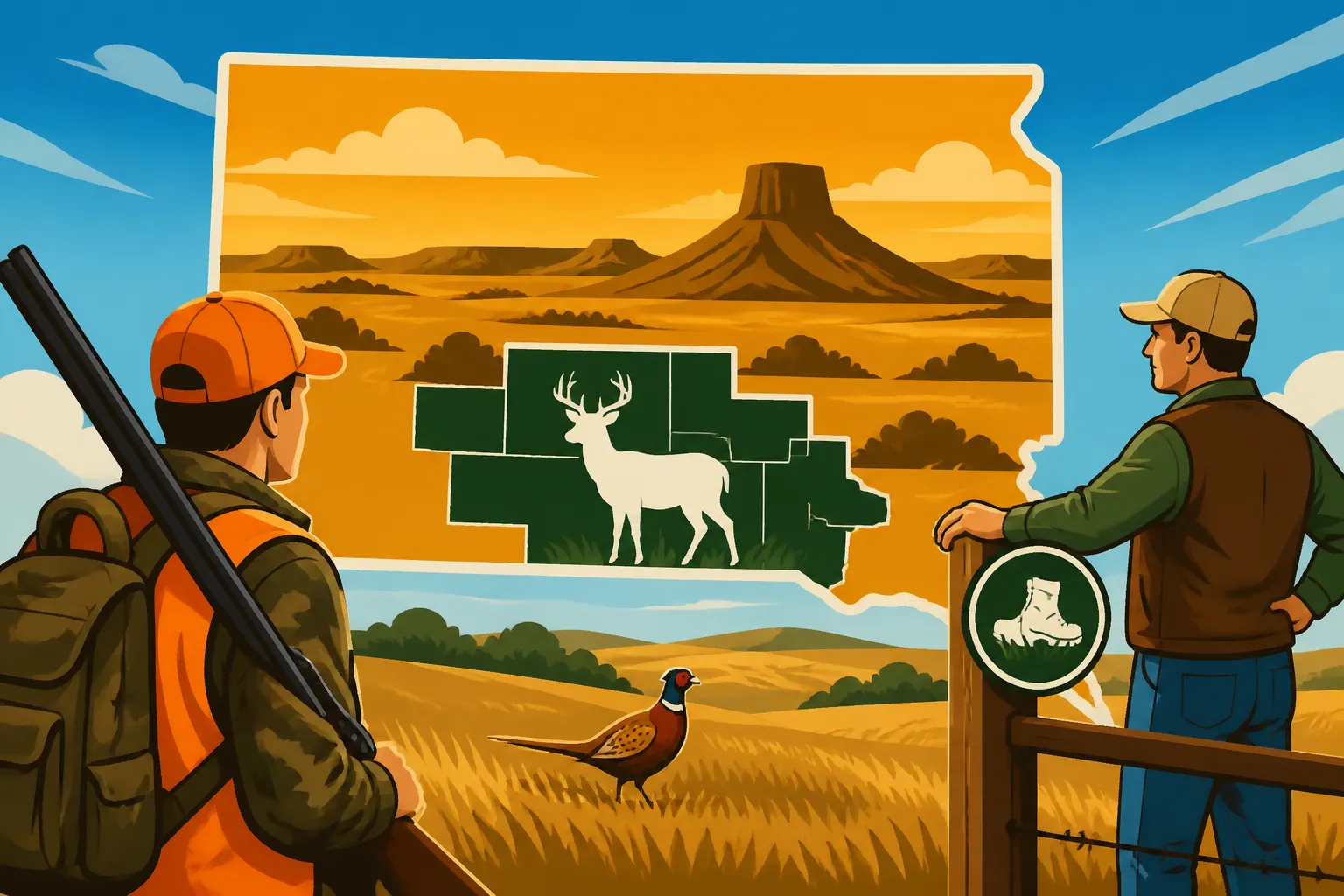
It’s easy to confuse Walk-In Areas with Game Production Areas (GPAs) or federal lands like the National Grasslands. While all offer public access, WIAs are unique. They are parcels of private land that the South Dakota Game, Fish and Parks (GFP) leases from individual landowners specifically for public hunting access. This means that while you are hunting on what feels like public ground, you are technically on private property whose owner has generously agreed to open it up for limited, foot-traffic-only hunting. The boundaries are clearly marked with distinctive yellow signs, often placed at gates or along fence lines, which denote the start of a WIA. Understanding this difference is crucial for proper etiquette and adhering to the specific rules, which often include restrictions on vehicle use and sometimes even species hunted.
Benefits for the Dedicated Hunter
The WIA program is a boon for hunters willing to put in the work. For starters, it democratizes access, meaning you don't need to be wealthy or connected to find productive ground. These areas often include prime habitat that might otherwise be locked up behind private gates, offering everything from sprawling native grasslands and dense cattail sloughs crucial for pheasants, to vital food plots and creek bottoms that hold deer. The sheer variety of terrain and cover available through WIAs means you can find opportunities for a diverse range of species, depending on the area. Hunting South Dakota Walk-In Areas discusses some of the general tactics for these unique spaces. Beyond the biological aspect, the program fosters a sense of exploration; every year brings new parcels and new possibilities, keeping the hunting experience fresh and challenging.
A Lifeline for Nonresident Hunters
For nonresident hunters, securing hunting access in South Dakota can be one of the biggest hurdles. The WIA program often serves as a lifeline. Without it, many nonresidents would be forced to rely solely on expensive guided hunts or limited traditional public lands, which can quickly become crowded, especially during the pheasant opener. WIAs provide a viable, affordable alternative, allowing nonresidents to experience the legendary hunting opportunities South Dakota offers. It empowers them to plan DIY hunts, scout their own ground, and truly immerse themselves in the prairie experience. While the rules for Nonresident Access to South Dakota Public Land generally apply, WIAs represent a significant expansion of those opportunities.
The Sheer Scale of South Dakota's WIA Program: Acres and Opportunity
The term "thousands of acres" doesn't quite capture the immense scope of South Dakota's Walk-In Area program. We're talking about a landscape-level commitment to providing hunter access that is truly unparalleled in many other states. This isn't just a few scattered parcels; it's a dynamic network of private lands that changes and expands annually.
Counting the Acres: A Moving Target of Opportunity
While I can't give you a current, precise tally, rest assured that the South Dakota WIA program encompasses a monumental amount of land. Each year, the Game, Fish and Parks department works tirelessly with private landowners to enroll new tracts, renew existing agreements, and occasionally see parcels leave the program. This constant flux means that the total acreage available is a living, breathing number, continually adjusting. What matters most is that year after year, the program consistently opens up hundreds of thousands of acres to public hunting across the state. This scale provides a vast canvas for hunters, spreading out pressure and offering diverse hunting experiences. Hunters often find that exploring new WIA additions is part of the yearly ritual.
Mapping the Landscape: Where WIAs Are Concentrated
You'll find Walk-In Areas scattered throughout South Dakota, but certain regions tend to have a higher concentration. Generally, the prime pheasant country in East River South Dakota sees a significant number of WIA acres, often comprising crucial nesting cover, winter habitat, and food sources. However, don't overlook West River. There, WIAs might offer access to mule deer coulees, antelope flats, or sharp-tailed grouse habitat on the rolling prairie. The distribution isn't random; it's often strategic, targeting areas with high wildlife populations or where public access is traditionally limited. The South Dakota Public Hunting Atlas, available online and often updated annually, is your go-to resource for pinpointing these areas. Using the South Dakota Public Hunting Atlas is a must-read for anyone serious about hunting public ground in the state.
Seasonal Fluctuations and What They Mean
The availability and quality of WIAs can fluctuate not just annually, but even seasonally. Landowners may enroll tracts for specific seasons (e.g., fall pheasant season only) or for longer durations. Additionally, agricultural practices on or near WIAs can change the hunting dynamics from one year to the next. For instance, a field that was in corn one year might be beans the next, impacting how pheasants use the area. Severe weather, like heavy snow, can also affect access and how game animals utilize cover, making some WIAs more productive than others at certain times. It’s important to understand that these areas are part of working landscapes, and their condition reflects that reality.
The Heart of the Program: Landowners and Their Role
Behind every yellow WIA sign is a private landowner who has made the generous decision to open their property to public hunting. Without their participation, the program simply wouldn't exist. This partnership is the cornerstone of South Dakota's successful public access strategy.
Why Landowners Participate: More Than Just Payments
While there is a monetary incentive for landowners to enroll their property in the WIA program, it's often more complex than just a check. Many landowners have a deep appreciation for wildlife and hunting heritage and see the program as a way to contribute to conservation and provide opportunities for others. For some, it might be a way to manage specific wildlife populations on their land, or even to help control problematic species like coyotes. The program also offers liability protection, which is a significant concern for landowners opening their property to the public. It's a testament to the community spirit and shared love of the outdoors that so many are willing to participate.
The Partnership: Landowners, GFP, and Hunters
The WIA program is a true three-way partnership. The South Dakota GFP manages the program, handling the contracts, marking the boundaries, and enforcing regulations. The landowners provide the crucial land access and often continue to manage their property in ways that benefit wildlife. And finally, hunters are the beneficiaries, with a responsibility to uphold their end of the bargain by respecting the land, following the rules, and leaving no trace. When this partnership functions well, everyone benefits: hunters gain access, landowners receive compensation and liability protection, and wildlife populations have secure habitat. Any breakdown in this respect, whether through littering or rule violations, threatens the future of the program.
Respecting the Landowner's Investment
When you step onto a Walk-In Area, remember you are a guest on someone's private property. This isn't just a patch of anonymous land; it's often a working farm or ranch, a family's livelihood. This means showing immense respect is paramount. Foot Traffic Only Rules on South Dakota Walk-In Areas are not suggestions; they are explicit requirements to ensure minimal disruption to the landowner's operations and property. Don't drive on fields, leave gates as you found them (closed if closed, open if open), pack out all your trash, and be mindful of livestock or equipment. A simple act of disrespect, like cutting a fence or leaving garbage, can jeopardize a landowner's willingness to continue participating, impacting countless other hunters.
Navigating WIAs: Tools and Considerations for Success
Successfully hunting Walk-In Areas requires preparation, good tools, and a solid understanding of the rules. You can't just show up and expect to find birds or deer without doing your homework.
Essential Tools for Identifying WIA Boundaries
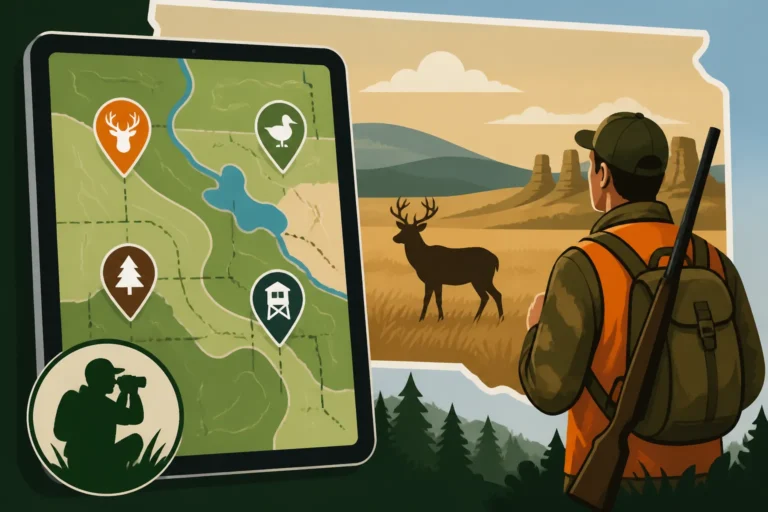
In today's hunting world, digital mapping tools are absolutely indispensable for navigating WIAs. Relying solely on paper maps or small printed atlases can lead to confusion, especially when boundaries can be complex or terrain features make it difficult to orient yourself. Apps like onX Hunt or GoHunt are invaluable. These applications allow you to layer public land data, including WIAs, over satellite imagery, showing you precisely where WIA boundaries lie, as well as adjacent private and public parcels. You can see your exact location in relation to these boundaries in real-time, helping you avoid accidental trespass and maximize your hunting time within the designated areas. You can mark waypoints, track your movements, and even download maps for offline use, which is critical in areas with spotty cell service.
Understanding Access Rules and Restrictions
Each WIA comes with a set of rules, and these are prominently displayed on the yellow signs at access points. Typically, all WIAs are "foot traffic only," meaning no motorized vehicles are allowed beyond the designated parking area. This is a crucial element of the program, designed to minimize disturbance and maintain the integrity of the private land. Always read the signs carefully; some WIAs might have additional restrictions, such as specific hunting hours, limitations on certain species, or even temporary closures due to landowner activities or environmental factors. It's your responsibility to know and follow these rules. The South Dakota GFP website and annual hunting handbooks are also excellent resources for general regulations regarding WIAs.
Scouting and Strategy for WIA Success
Just like any other hunting ground, effective WIA hunting starts with good scouting. Use your mapping tools, like onX Hunt, at home to e-scout potential areas. Look for prime habitat features: dense thermal cover in cattail sloughs or shelterbelts, water sources, food plots, and natural funnels or pinch points. Pay attention to access points and how they might affect hunting pressure. Remember that WIAs can see a fair amount of hunter traffic, especially on weekends and during the pheasant opener. Consider hunting during weekdays or exploring more remote corners of larger WIAs where other hunters might not venture. E-Scouting Walk-In Areas Before the Season can give you a significant advantage, helping you identify promising spots before you even set foot on the ground. When hunting pheasant, understanding How Far Roosters Fly When Pushed can also help you anticipate bird movement across WIA boundaries.
The Impact and Future of Walk-In Areas
The South Dakota Walk-In Area program has become a cornerstone of public hunting access, and its impact stretches far beyond just providing places to hunt. It plays a vital role in conservation, landowner relations, and the overall health of South Dakota's outdoor traditions.
Boosting Hunter Access and Conservation
By opening up hundreds of thousands of acres of prime habitat, WIAs significantly increase hunter access, which in turn helps manage wildlife populations and contributes to conservation funding through license sales. Many WIA parcels include critical habitat features like wetlands, native grasslands, and shelterbelts that are essential for pheasants, deer, and other species. The program encourages landowners to maintain these habitats, sometimes even enhancing them, because their participation directly benefits the wildlife and, by extension, the hunters. This creates a mutually beneficial cycle where hunters, landowners, and wildlife all gain.
Challenges and Opportunities for Growth
While incredibly successful, the WIA program isn't without its challenges. Funding for landowner payments is always a consideration, and the annual renewal process requires significant effort from the GFP. Changes in land use, such as conversions of grassland to cropland, can also impact the availability of certain types of habitat within the program. However, these challenges also present opportunities. Continued strong hunter participation and advocacy can help secure funding and demonstrate the program's value. Expanding outreach to landowners and highlighting the benefits of enrollment could bring even more acres into the fold, especially in regions where access is currently limited. Understanding South Dakota GFP Commission Season Proposals and providing input is one way hunters can contribute to the program's future.
Sustaining the WIA Model for Generations
The long-term sustainability of the WIA program hinges on a few critical factors. Firstly, continued landowner willingness is paramount. This means ensuring that the program remains attractive and beneficial for them, both financially and in terms of liability protection. Secondly, hunter ethics and respect for private property cannot be overstated. Every instance of littering, trespassing, or disrespect erodes the trust between landowners and hunters, jeopardizing future access. Finally, adequate funding and political support are essential for the GFP to continue managing and expanding the program. The WIA program is a unique and precious asset for South Dakota hunters, and its continuation relies on the collective efforts of all stakeholders.
| Aspect | Description | Hunter's Benefit | Considerations for Hunters |
|---|---|---|---|
| Land Ownership | Private land leased by SD GFP for public hunting. | Access to prime private habitat that would otherwise be inaccessible. | Must respect landowner property and adhere strictly to WIA rules; it's not traditional public land. |
| Access Rules | Primarily "foot traffic only"; specific rules posted on yellow signs. | Peaceful, unpressured hunting experiences in areas free of vehicle traffic, often requiring more physical effort. | No ATVs, UTVs, or other motorized vehicles; always read and follow posted signs carefully for specific restrictions (e.g., shooting hours, species). |
| Acreage & Dynamics | Hundreds of thousands of acres; constantly changing as landowners enroll/renew/exit the program. | Vast and varied hunting opportunities across the state for diverse species; new areas open up annually, keeping things fresh. | Requires active scouting and checking the updated Public Hunting Atlas (online or apps like onX Hunt) to find current boundaries. |
| Landowner Role | Private citizens voluntarily open their land, contributing to conservation and public access. | Opportunity to experience the generosity of private landowners and the fruits of a strong public-private partnership. | Absolute respect for the property, livestock, and landowner is crucial to ensure the program's longevity; any disrespect can jeopardize future access. |
| Habitat Quality | Often includes excellent habitat (CRP, native grasslands, cattails, food plots) vital for pheasants, deer, and other game. | High potential for encountering quality game due to focus on suitable habitat and landowner management. | Habitat conditions can vary year to year based on landowner decisions, weather, and agricultural cycles; what was good one year might be different the next. |
| Tools Needed | Current Public Hunting Atlas (digital/physical), GPS-enabled mapping apps (e.g., onX Hunt, GoHunt). | Precision in identifying boundaries, avoiding trespass, and navigating unknown terrain efficiently. | Must use up-to-date maps; cell service can be spotty, so download offline maps; understand how to interpret map layers for land status. |
| Hunting Pressure | Can experience pressure, especially during peak seasons like the pheasant opener, but spread out over vast acreage. | Opportunities to find less-pressured areas by walking further, hunting weekdays, or targeting less obvious cover. | Be prepared to share the field; consider alternative strategies or times to avoid crowds; Hunting Pressure Patterns on Walk-In Areas can greatly influence success. |
Disclaimer
This article is for general informational purposes only and does not constitute professional advice. Laws, prices and regulations vary by location and change over time. Consult a qualified professional for guidance on your specific situation.