South Dakota Walk-In Areas Explained
It's no secret that finding good hunting ground, especially when you're traveling a long way to get here, can feel like a daunting puzzle. You scour maps, talk to folks, and still, that lingering question remains: "Where can I actually go?" South Dakota's landscape is vast, but much of it is private property. That's where the state's Walk-In Area (WIA) program steps in, offering a truly invaluable solution to open up hundreds of thousands of acres for public hunting access. This isn't just a list of fields; it's a dynamic, ever-changing opportunity that every hunter visiting or living in South Dakota should understand and use to their full advantage.
The Foundation of Walk-In Areas: What They Are and Why They Matter
For many hunters, especially those new to South Dakota, the sheer amount of private land can be intimidating. You see prime habitat from the road, but it's all marked with "No Trespassing" signs, leaving you wondering where to even begin. The Walk-In Area program was specifically designed to bridge that gap, providing clear, legal access to privately owned lands that are often teeming with game. It's a game-changer for anyone who doesn't have private land connections or the budget for an expensive guided hunt.
A Collaborative Conservation Effort
At its heart, the Walk-In Area program is a brilliant collaboration between private landowners and the South Dakota Game, Fish and Parks (GFP). It's a voluntary program where landowners agree to open their private property for public hunting and fishing access for a set period, typically during the fall and winter hunting seasons. In return, these landowners receive compensation from the state for providing that access. This isn't charity; it's a mutually beneficial partnership that ensures wildlife has good habitat on private ground, and hunters have places to pursue it. For hunters, it eliminates the often awkward and sometimes unsuccessful process of knocking on doors to ask for permission. Instead, the "No Trespassing" sign is temporarily replaced with a "Walk-In Area" sign, signaling that you are welcome to hunt ethically and responsibly. The state also provides liability protection to participating landowners, which is a huge incentive for them to open their gates.
It's crucial to understand that WIAs are not public land in the traditional sense, like National Grasslands or Game Production Areas. They are still private property, but with a public access easement for hunting. This distinction is important because it often means that rules and expectations can be a little different than on state-owned land. For example, you might encounter agricultural equipment or livestock, and you always need to remember that someone's livelihood is tied to this land.
Identifying and Accessing WIA Tracts
The most important thing to know about WIAs is how to identify them in the field. South Dakota makes it straightforward: look for the distinctive bright yellow and black signs. These signs are strategically placed at common access points and along boundaries, clearly marking the land as a Walk-In Area. The signs aren't just for show; they convey vital information. They'll often specify which species are legal to hunt on that particular tract (e.g., "Pheasant Hunting Only," or "Deer and Small Game") and the dates the area is open. Always, always read these signs carefully, as the specific rules can vary slightly from one WIA to another. If a specific species isn't listed, or if the dates don't align with your hunt, then it's not open for what you're after.
To truly master WIA hunting, you need to become intimately familiar with the South Dakota Public Hunting Atlas. This essential tool, available online, as a free app, and in print format, is your comprehensive guide to all public access lands in the state, including every single WIA tract. It overlays property boundaries, land ownership, and WIA designations onto satellite imagery and topographic maps. This is where tools like onX Hunt and GoHunt truly shine as complementary resources. While the official atlas is your legal reference, these apps allow you to download maps for offline use, pinpoint your exact location on a WIA, track your movements, and mark potential hotspots or access points. Before you leave home, spend considerable time with this atlas, identifying potential WIAs in your target hunting areas. Look for those yellow-and-black polygons on the map, and get a feel for their shape, size, and surrounding landscape.
When you arrive at a WIA, you'll almost always see "Foot Traffic Only" emblazoned on the signs. This means exactly what it says: no ATVs, no UTVs, no trucks, no horses. You park legally, usually along a public road, and proceed on foot. It's an important rule to adhere to, not only for legal reasons but also out of respect for the landowner and the integrity of the program. Always be mindful of where you park, ensuring you don't block gates or private driveways, and avoid creating ruts in soft shoulders. Your approach to a WIA is often your first impression on any neighboring landowners, and a good one goes a long way.
Unlocking Diverse Hunting Opportunities on WIAs
The beauty of the WIA program is its sheer diversity. These aren't just isolated pockets; they cover a wide range of habitats across the state, offering opportunities for pheasants, deer, antelope, waterfowl, and other small game. Understanding the typical habitat found in different regions of South Dakota will help you identify which WIAs are best suited for your target species.
Pheasant Paradise: Grasslands, Sloughs, and Food Plots
Let's be honest, for many, "South Dakota hunting" means pheasants. And Walk-In Areas deliver in spades. You'll find countless WIA tracts that consist of prime ringneck habitat: dense native grasslands that offer fantastic thermal cover and nesting sites, large CRP (Conservation Reserve Program) fields with thick, tangled vegetation, and those iconic, impenetrable cattail sloughs. These sloughs are often the last refuge for roosters when other cover gets pounded or snowed under, especially as the season progresses. Many WIAs also include strips of food plots or corn edges, planted specifically to attract and hold pheasants, offering a concentrated buffet for the birds.
When hunting these areas, be prepared for classic South Dakota pheasant tactics. Birds in these dense covers will often run rather than flush, especially after they've been pressured a bit. This means you need a consistent walking pace, good dog work (if you have a dog), and strategic blockers to push birds toward a natural or artificial barrier. Understanding how roosters use different types of cover throughout the day – moving from heavy roosting cover in the morning to feeding areas, then back to dense thermal cover for midday naps – will greatly increase your success. Reading Aerial Imagery for Cattail Cover can give you a significant advantage in identifying these patterns from home. These areas are truly an ode to the "Pheasant Capital of the World," offering vast stretches of accessible cover that would otherwise be off-limits.
Pursuing Big Game: Deer and Antelope Prospects
While the pheasant draw is undeniable, don't overlook the significant big game potential on many Walk-In Areas, particularly in the West River regions of South Dakota. Many WIAs out west encompass coulees, draws, breaks, and river bottom timber that are fantastic for mule deer and whitetails. You'll find tracts with sagebrush flats and rolling grasslands that hold pronghorn antelope. These areas provide vital bedding cover, travel corridors, and even water sources that big game animals rely on.
Hunting big game on WIAs requires a different approach than birds. Stealth, patience, and good optics become paramount. You'll often be glassing from a distance, trying to spot deer or antelope in the vast landscape, then planning a careful stalk within the WIA boundaries. The "Foot Traffic Only" rule really comes into play here, as you'll be covering ground slowly and quietly. It's not uncommon for a WIA to be a long, narrow strip of cover along a creek bottom, or a large block of isolated breaks that act as a sanctuary. Always check the specific WIA sign for big game allowances; some may be pheasant-only, even if they look like great deer habitat. Understanding Which Coulees Hold Bucks in Dry Years can be incredibly helpful for identifying productive WIA tracts for deer hunting.
Waterfowl and Other Small Game on the Prairie
Beyond pheasants and big game, WIAs also open up opportunities for waterfowl and other small game species. Many East River WIAs contain prairie potholes, stock dams, or sloughs that can be fantastic for ducks and geese, especially during the migration. While calling and decoy spreads are effective, jump-shooting these small waters can also be incredibly productive, requiring a careful approach and quick reflexes. Remember to respect all waterfowl hunting regulations, including shooting hours and the requirement for a federal duck stamp and HIP registration if you're targeting migratory birds.
You'll also find WIAs that provide habitat for sharp-tailed grouse and Hungarian partridge, particularly in the grasslands of the Coteau des Prairies or the western stretches of the state. These birds often prefer more open country or specific types of brushy cover. Cottontail rabbits are common across many WIAs, offering a fun target and excellent table fare. For those interested in predator hunting, coyotes are abundant on WIA tracts, and their presence can be a year-round hunting opportunity (check specific WIA rules, as some may not allow predator hunting if it interferes with other game management). Identify areas with mixed habitat – grasslands, brush, and agricultural edges – for the best chance at a diverse bag of small game.
Essential Tools and Tactics for Successful WIA Hunts
Success on Walk-In Areas isn't just about showing up. It requires thoughtful planning, smart execution, and an understanding of how to navigate both the landscape and the social dynamics of public hunting. Being prepared with the right tools and strategies can make all the difference.
E-Scouting and Pre-Season Planning
The internet has revolutionized hunting, and for WIAs, e-scouting is your secret weapon. Before you ever hit the road, spend hours pouring over the E-Scouting Walk-In Areas Before the Season from the comfort of your home. Using mapping software like onX Hunt or GoHunt, coupled with the official South Dakota Public Hunting Atlas, allows you to digitally explore hundreds of thousands of acres.
What should you look for? Start by identifying large blocks of WIA land. Then, zoom in. Look for access points, parking areas, and potential pinch points or funnels that might concentrate game movement. Analyze the habitat: dense cover (cattails, thick CRP) for pheasants, brushy draws and coulees for deer, or potholes for waterfowl. Identify topographical features like ridges, low spots, and terrain changes that could offer concealment for a stalk or direct bird movement. Pay attention to adjacent private land; understanding the boundaries is paramount, and identifying surrounding agricultural fields can help predict where game will feed and travel. Having multiple WIA tracts scouted and marked as potential hunting spots is crucial, as you might find your first choice already occupied when you arrive.
On-the-Ground Strategy and Execution
Once you're actually in the field, your e-scouting homework will pay off. For pheasant hunting, effective strategies on WIAs often involve teamwork. If you're with a group, coordinate your efforts: some hunters walking through the cover, others acting as "blockers" positioned at the end or along the sides of the tract to intercept running birds. Pushing a Cattail Slough With Blockers is a classic South Dakota tactic, and WIAs offer endless opportunities for it. Maintain a consistent walking speed – not too fast to push birds out wide, not too slow to let them slip behind you. For big game, wind direction is king. Plan your approach to stay downwind of your quarry, using terrain features to break up your silhouette and close the distance.
Remember the "Foot Traffic Only" rule. WIA hunting is often physically demanding. You'll be walking, and often walking a lot, through thick cover, uneven ground, and sometimes muddy or snowy conditions. Investing in quality gear, particularly sturdy, waterproof Boots for Walking Cattails All Day, is not a luxury; it's a necessity. Pack light but wisely, carrying enough water, snacks, and emergency supplies for your planned excursion. Being in decent physical shape will significantly enhance your enjoyment and success.
Navigating Hunter Pressure and Etiquette
It's a reality: public hunting means sharing the resource. WIAs can experience significant hunter pressure, especially during opening weekends of pheasant season. Don't be surprised if you pull up to a promising WIA and see other vehicles already there. Instead of being deterred, be prepared.
Strategies to deal with pressure include:
- Walk Further: Many hunters stick close to their vehicles. The further you're willing to walk into a WIA, the more likely you are to find less-pressured birds or deer. Walking Distance From Public Parking is often directly correlated with success.
- Hunt Mid-Week: If your schedule allows, hunting on weekdays will almost always offer a more solitary experience than weekend hunts.
- Target Overlooked Spots: Sometimes the thickest, nastiest cover that looks "too hard to hunt" is exactly where unpressured game will be hiding.
- Be Flexible: Have backup plans! If your primary WIA is occupied, move on to your second or third choice.
- Practice Good Etiquette: This is paramount. If another group is already hunting a WIA, give them ample space. Don't walk directly into a field they're working, or try to "cut them off." Find another section or move to a different WIA entirely. A quick, friendly wave and a nod of respect can go a long way. Safety is also key; always be aware of where other hunters are located, especially when working a bird drive. Safe Gun Handling on a Bird Drive should be second nature. The future of the WIA program depends on hunters demonstrating responsible behavior.
Rules, Regulations, and Responsible Hunting
Hunting Walk-In Areas means adhering to both statewide hunting regulations and specific rules unique to the WIA program. Being knowledgeable and compliant is not only a legal requirement but also a crucial part of being a responsible hunter and ensuring these valuable access points remain available for future generations.
Understanding South Dakota's Licensing Requirements
Before you even step foot on a WIA, you need to ensure you have the proper licensing. For nonresident pheasant hunters, this typically includes a South Dakota Nonresident Small Game Licence Price and a state habitat stamp. If you're targeting migratory waterfowl, you'll also need a federal duck stamp and register with the Harvest Information Program (HIP). For big game, you'll need the appropriate South Dakota Deer Licence Types by Region or antelope tag, which are often acquired through a draw system.
It's critical to check the current South Dakota Hunting Handbook or the GFP website for the most up-to-date regulations, season dates, and bag limits. These regulations apply directly to WIAs, just as they would on any other public or private land. Don't assume anything; always verify the current year's rules.
Specific WIA Rules and Restrictions
While WIAs provide invaluable access, they often come with a few specific rules to protect the private property and ensure the program's sustainability. The most significant, as mentioned, is the "Foot Traffic Only" rule. This means no motorized vehicles beyond legally established parking areas. You might see farm equipment or landowner vehicles on the property, but that doesn't extend to hunters.
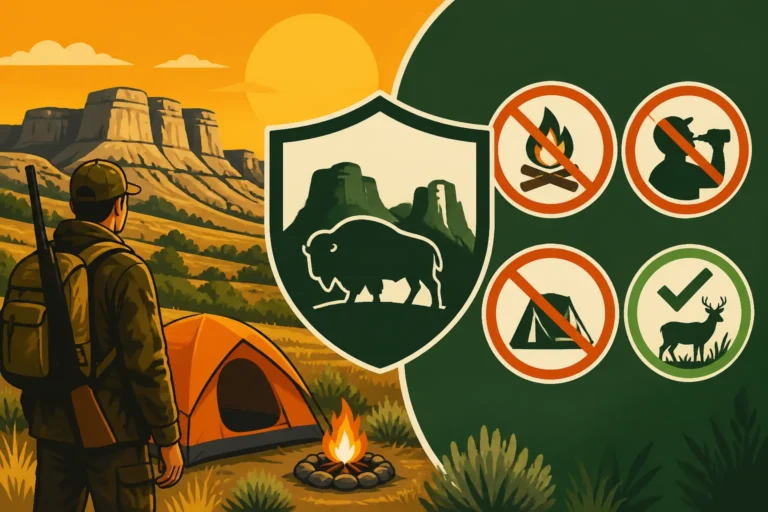
Another common restriction is regarding permanent structures. Generally, erecting permanent blinds, treestands, or leaving equipment unattended on a WIA is prohibited. Some WIAs might allow temporary, portable blinds for waterfowl or big game, but always check the specific signage for that tract. Do not build fires, litter, or damage property fences or gates. These are all surefire ways to jeopardize the program.
A common scenario that arises is when a wounded animal crosses from a WIA onto adjacent private property that is not a WIA. In South Dakota, you generally do not have the right to trespass onto private land to retrieve wounded game without explicit permission from the landowner. This can be a frustrating situation, but it's important to respect property rights. If this happens, your best course of action is to immediately attempt to contact the landowner to request permission to retrieve your animal. Retrieving Game From Private Land can be a complex issue, and knowing the local laws and making that effort to communicate is vital.
Practicing Ethical and Legal Conduct
Ethical hunting and legal compliance go hand-in-hand on Walk-In Areas. The WIA program is a privilege, not a right, and its continuation relies heavily on hunters acting responsibly. Always carry out everything you carry in, including spent shotgun shells, food wrappers, and any other trash. Leaving a field cleaner than you found it is the ultimate show of appreciation.
Report any violations you witness. If you see someone driving a vehicle onto a WIA, littering, or engaging in unsafe or illegal hunting practices, contact the South Dakota GFP. Protecting the integrity of the program is everyone's responsibility. By respecting the land, the wildlife, the landowners, and your fellow hunters, you contribute to a positive perception of hunting and ensure that Walk-In Areas remain a vibrant part of South Dakota's hunting landscape for years to come.
| Aspect | South Dakota Walk-In Area (WIA) | Traditional Public Land (e.g., GPA, National Grassland) |
|---|---|---|
| Ownership | Private land, leased for public access by state | State or federally owned land, managed for public use |
| Access Rule | Typically "Foot Traffic Only" (clearly marked) | Varies; some allow vehicle use on designated roads, others foot traffic only |
| Signage | Distinctive yellow and black signs, specifying open species/dates | Various signs (green, brown, etc.) indicating land type, general rules |
| Permanent Structures | Generally prohibited (blinds/stands), unless specified on sign | May allow temporary blinds/stands; check specific area regulations |
| Season Dates | Follows statewide seasons, but may have specific WIA opening/closing dates | Follows statewide seasons |
| Landowner Interaction | Indirect (state manages agreement), but respect for property is key | None, managed by government agency |
| Habitat Diversity | Highly diverse, reflecting private agricultural and natural lands | Diverse, but generally managed for specific ecological goals |
| Program Purpose | Increase public hunting access on private lands | Provide long-term public access, conservation, and recreation |
Beyond the Hunt: Maximizing Your WIA Experience
The hunt itself is only one part of the experience. From the gear you carry to how you handle your game afterwards, every step contributes to a memorable and responsible outing on South Dakota's Walk-In Areas.
Gear for the South Dakota Prairie
Beyond your firearm or bow and ammunition, thoughtful gear selection can significantly impact your comfort and effectiveness on a WIA hunt.
- Layered Clothing: South Dakota weather is notoriously unpredictable. Dress in layers to adapt to rapidly changing temperatures, wind, and precipitation. Early season can be warm, while late season can bring brutal cold and snow. Layering for South Dakota Wind is essential.
- Quality Footwear: As mentioned, sturdy, waterproof, and comfortable boots are paramount for covering miles of uneven terrain and slogging through wet cattails.
- GPS/Mapping Device: A reliable GPS unit or a mapping app like onX Hunt on your smartphone is an absolute must. It helps you navigate, identify WIA boundaries, mark game, and ensure you stay on legal ground. Always carry a portable charger for your phone.
- Water and Snacks: Dehydration can sneak up on you, especially when walking for hours. Carry more water than you think you'll need. High-energy snacks are also crucial.
- First-Aid Kit: Minor injuries are common when navigating rough cover. A basic first-aid kit for cuts, scrapes, and blisters is a smart addition to your pack. First Aid Kit for a Prairie Hunt is good practice.
- Dog Gear: If you're hunting with a dog, bring plenty of water for them, a portable bowl, and consider a protective vest to shield them from thorns, burrs, and sharp stubble. A good burr comb is indispensable. Dog Water and Burrs on the Prairie
Game Care in the Field
Proper game care begins the moment an animal is down. This is especially important in South Dakota, where early season temperatures can be surprisingly warm, even in October.
- Field Dressing: For big game, field dress immediately to allow the carcass to cool as quickly as possible. This is crucial for meat quality. Field Dressing an Antelope Fast is a skill worth practicing.
- Cooling: If temperatures are warm, get birds or small game on ice or into a cooler as soon as possible. For larger game, get it out of direct sunlight and allow air to circulate around it.
- Tagging and Transport: Always ensure your game is properly tagged according to South Dakota regulations before moving it. Understand the rules for transporting game, especially across state lines if you're a nonresident. Cleaned birds often have specific transport requirements. Tagging and Transporting Birds Legally
- Processing: If you're not processing your own game, have a plan for a local processor. During peak pheasant season, processors can be extremely busy, so calling ahead can save you a lot of hassle.
Planning for the Long Haul
Don't treat your WIA experience as a one-and-done venture. The WIA program is dynamic, with tracts entering and leaving the program each year. The Public Hunting Atlas is updated annually, so always get the newest version before each season.
- Explore and Learn: Don't limit yourself to just one or two WIAs. Explore different types of habitat, different regions of the state, and learn how various tracts hunt. Over time, you'll develop a deeper understanding of what makes a WIA productive.
- Adaptability: Be prepared to adapt your plans based on current conditions. A WIA that was great last year might be different this year due to changes in cover, crop rotation on adjacent fields, or shifting game patterns.
- Support Conservation: The WIA program, along with other public access initiatives like Game Production Areas and National Grasslands, are often funded through hunting license sales and conservation programs. By purchasing licenses and stamps, you're directly contributing to the continuation and expansion of these vital resources. This investment ensures that future generations will also have the opportunity to experience the incredible hunting South Dakota has to offer, often on land that would otherwise be inaccessible.
Disclaimer
This article is for general informational purposes only and does not constitute professional advice. Laws, prices and regulations vary by location and change over time. Consult a qualified professional for guidance on your specific situation.