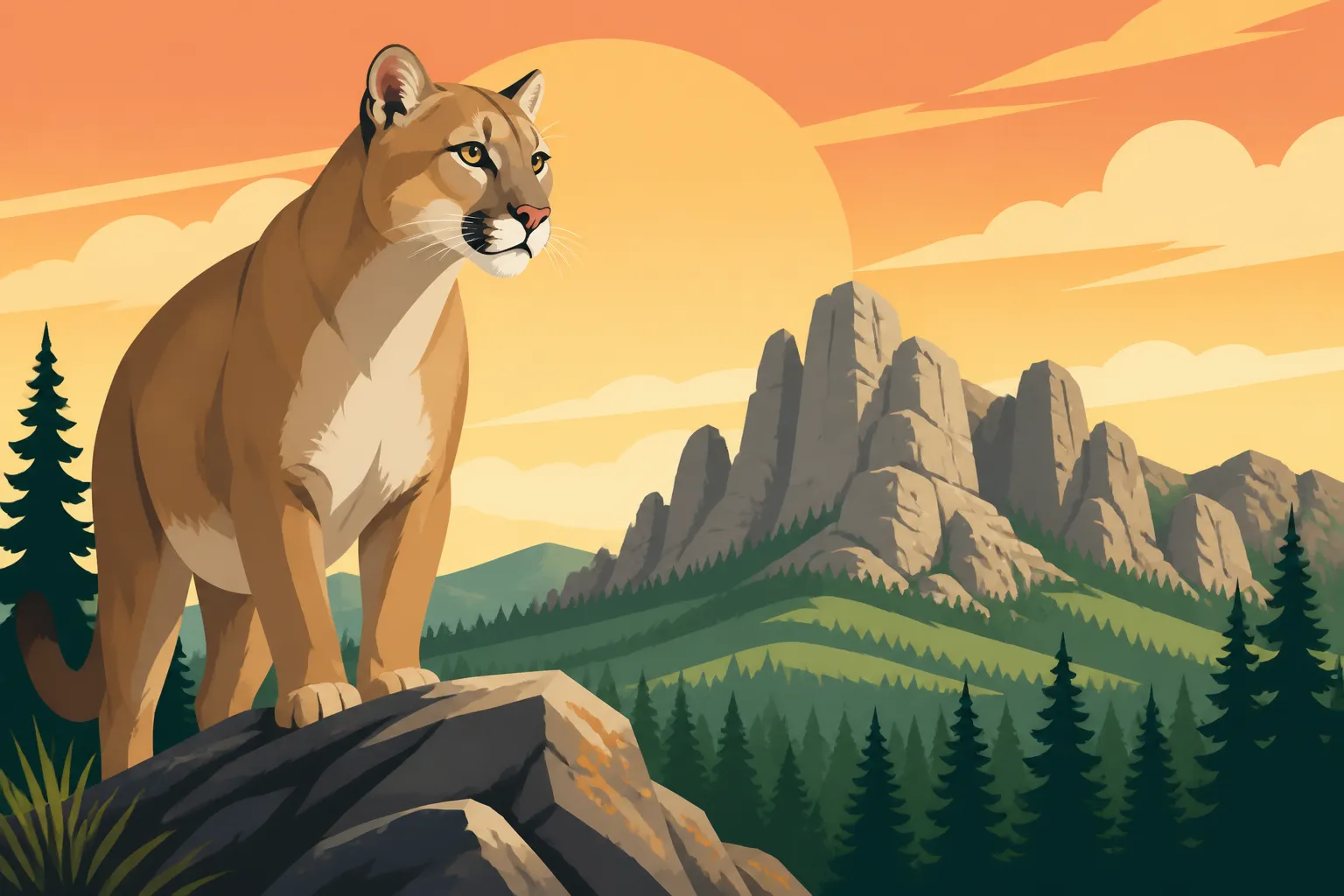
Mountain Lion Numbers in the Black Hills
The Black Hills of South Dakota, with their rugged terrain and dense timber, are home to an apex predator that many hunters and outdoor enthusiasts rarely see: the mountain lion. Their elusive nature makes it incredibly difficult to pin down exact population figures, leading to a lot of speculation and questions among those who spend time in their domain. This guide will delve into what we know about mountain lion numbers in the Black Hills, the challenges of tracking them, and what these majestic creatures mean for the ecosystem and hunters in the region.
The Ghost of the Black Hills: Why Mountain Lions Are So Hard to Count
Mountain lions are naturally secretive animals, preferring solitude and vast territories. This characteristic alone presents a monumental hurdle when wildlife biologists attempt to estimate their numbers accurately. Unlike deer or even elk, which often congregate in herds or are more visible in open country, mountain lions are masters of camouflage and stealth, making direct observation incredibly rare.
Habitat and Range in the Black Hills
The Black Hills offer prime habitat for mountain lions. We're talking about extensive Ponderosa pine forests, deep canyons, rugged rock formations, and an abundance of prey animals like deer and elk. These lions are true generalists when it comes to habitat, adapting to the varied landscape. They often follow deer and elk migratory paths, establishing territories that can span hundreds of square miles. A lion might be seen near Custer one day and then travel many miles towards Spearfish or even the prairie breaks bordering the Hills in a relatively short period. Understanding their movement patterns is crucial, but their preference for thick cover and nocturnal activity complicates any census effort significantly. The sheer vastness and ruggedness of the Black Hills National Forest alone make comprehensive, direct observation nearly impossible. Hunting Elk in Ponderosa Timber is an entirely different experience when you know what else might be sharing that same thick cover.
Challenges of Population Monitoring
Counting mountain lions isn't as simple as counting deer at a food plot. Their solitary habits mean they don't group up, and their low densities across large areas make them needle-in-a-haystack propositions. Traditional aerial surveys that work for bighorn sheep or antelope are virtually useless for mountain lions hiding deep within the timber. Biologists rely on a combination of indirect methods, each with its own limitations. These can include tracking snow, deploying remote camera traps, or analyzing harvest data. Even with these methods, the data points are scattered and often represent individuals rather than a total population, which means estimations always come with a degree of uncertainty. This makes the work of wildlife managers incredibly challenging, as they strive to balance conservation with public safety and hunting opportunities.
Understanding South Dakota's Mountain Lion Population Trends
Despite the challenges, wildlife agencies in South Dakota have been working for decades to understand the ebb and flow of the mountain lion population in the Black Hills. It's a complex picture, one that has seen these animals make a significant return to the region.
Historical Context and Management Goals
Mountain lions were historically present throughout South Dakota but were largely extirpated from the state by the early 20th century due to extensive hunting and habitat loss. However, starting in the 1980s and 90s, lions began to naturally re-colonize the Black Hills, primarily from populations in Wyoming. This return was a testament to the resilient nature of the species and the recovering health of the Black Hills ecosystem. The South Dakota Game, Fish and Parks (GFP) now manages mountain lions with goals focused on maintaining a healthy, viable population while also addressing public safety concerns and managing potential impacts on other big game species. Their approach often involves limited hunting seasons designed to control growth, gather biological data, and reduce human-lion conflict incidents. Hunters play a key role in providing essential harvest data that contributes to these management efforts.
Factors Affecting Lion Numbers
Several critical factors influence mountain lion numbers in the Black Hills. First and foremost is the prey base. A robust population of white-tailed deer and mule deer, along with elk, provides the necessary food source for lions to thrive. Without sufficient prey, lion numbers would naturally decline. Deer Meat Yield From a Mule Deer for a lion means successful hunting, but for a hunter, it's about putting food on the table. When prey populations fluctuate due to severe winters or disease outbreaks, it directly impacts the ability of lions to reproduce and survive.
Secondly, human-lion interactions, while still relatively rare, can affect populations. As humans increasingly use the Black Hills for recreation and development, the potential for encounters rises. Management strategies often aim to minimize these conflicts through public education and targeted removals of problem animals, though this is a last resort. Finally, regulated hunting seasons in South Dakota are a significant factor. The harvest quotas are carefully set based on population estimates and management objectives, aiming to keep the population within ecological carrying capacity while providing hunting opportunities. Organizations like GoHunt provide resources for hunters to understand these quotas and draw odds, which are always a part of managing big game populations.
How South Dakota Estimates and Manages Lion Populations
Given the difficulties, how do biologists even begin to put a number on these secretive predators? It involves a blend of cutting-edge technology and boots-on-the-ground fieldwork.
Survey Methods and Data Collection
The primary methods used by the South Dakota GFP to estimate mountain lion populations are indirect. One of the most effective is snow-tracking surveys, where biologists meticulously search for lion tracks after fresh snowfall. This provides data on presence, minimum number of individuals, and even information on age and sex if tracks can be thoroughly analyzed. While highly dependent on weather conditions, these surveys offer invaluable insights.
Another crucial tool is remote camera traps. These motion-activated cameras are strategically placed in areas known for lion activity, capturing images that can help identify individual lions (through unique scar patterns or whisker spots, though less reliable than other species ID methods) and their movements. While not a precise counting method, it provides presence-absence data and insights into activity patterns.
Finally, harvest data from legal hunting seasons is indispensable. When a hunter successfully harvests a mountain lion, the animal must be presented to GFP for biological sampling. This allows biologists to collect data on age, sex, health, and genetics, which are all vital pieces of the population puzzle. Analyzing the age structure of harvested animals, for instance, can provide clues about recruitment and overall population health. This comprehensive data collection helps inform future management decisions, including setting tag quotas and season dates.
Implications for Hunters and Wildlife Enthusiasts
For hunters hoping to pursue a mountain lion in the Black Hills, understanding these population dynamics is crucial. Tags are often limited and typically allocated through a lottery draw system, making success in the draw highly dependent on demand and established quotas. South Dakota Big Game Draws and How to Apply explains how this process generally works for big game. The number of tags offered directly reflects the state's confidence in the current population estimates and its management goals for the species. A hunter who draws a tag is engaging in a challenging hunt that often involves tracking dogs, covering vast amounts of rugged terrain, and a deep understanding of lion behavior. It's not a hunt for the faint of heart, but for those who commit, it offers an unparalleled wilderness experience. The population numbers, even if estimates, guide the state in ensuring sustainable hunting opportunities while protecting the species. For wildlife enthusiasts, knowing these numbers helps foster appreciation for these magnificent animals and promotes responsible outdoor recreation, encouraging vigilance and reporting of sightings or conflicts. Information available on sites like GoHunt can further assist hunters in understanding their odds and preparing for such a challenging hunt.
Here's a look at common methods for estimating mountain lion populations:
| Method | Description | Pros | Cons |
|---|---|---|---|
| Snow Tracking Surveys | Systematic searches for tracks after fresh snowfall. | Direct evidence of presence, can estimate minimum numbers. | Weather dependent, time-consuming, difficult in areas without snow. |
| Remote Camera Traps | Motion-activated cameras deployed in suspected lion habitats. | Non-invasive, operates 24/7, captures behavior. | Cannot reliably identify individuals, requires extensive setup, false triggers. |
| Harvest Data Analysis | Collecting biological samples (age, sex, health) from legally harvested lions. | Provides direct data on health and age structure. | Only reflects harvested population, not total, can be biased by hunter effort. |
| Genetic Analysis | Collecting DNA (hair, scat) to identify individuals. | Highly accurate for individual identification. | Expensive, difficult to collect sufficient samples, requires specialized lab work. |
| Public Sightings/Reports | Collecting and verifying reports from the public and trail cameras. | Provides broad distribution data, low cost. | Highly biased, prone to misidentification, not suitable for population estimation. |
Living With Mountain Lions in the Black Hills
The presence of mountain lions is a sign of a healthy ecosystem, but it also means adapting to coexist with these powerful predators. Whether you're a hunter, hiker, or simply a resident of the Black Hills, understanding how to share the landscape safely is paramount.
Minimizing Conflict and Staying Safe
While mountain lion attacks on humans are exceedingly rare, it's wise to be aware and prepared when spending time in their habitat. The South Dakota GFP actively provides guidelines for living and recreating in lion country. This includes things like hiking in groups, keeping children and pets close, and knowing what to do if you encounter a lion. Typically, making yourself look big, making noise, and fighting back if attacked are recommended. Never run, as it can trigger a chase response. Secure pet food and garbage around your home, especially if you live on the fringe of the Black Hills, as these can attract prey animals, which in turn might draw lions closer to human habitation. Education is key, and resources like the South Dakota Hunting Handbook Release often contain sections dedicated to predator awareness and safety.
Furthermore, reporting significant sightings or any concerning lion behavior to GFP is incredibly helpful. This data, while not used for direct population counts, can inform management decisions and help identify potential conflict areas. Reporting a Sick Animal in South Dakota extends to predators as well, ensuring wildlife health is monitored across all species. The more information collected, the better the state can manage its lion population and ensure public safety. For hunters, knowing these safety protocols is an essential part of responsible participation in the sport, particularly if you're venturing into dense areas like those preferred by mule deer and mountain lions alike. Glassing South Dakota Breaks at First Light might reveal more than just deer, so always be aware of your surroundings.
The Role of Hunters in Conservation
Hunters play a crucial, often unsung, role in mountain lion conservation and management. Through the purchase of licenses and tags, hunters contribute significant funds directly to wildlife management and research efforts, including those focused on mountain lions. Furthermore, as mentioned earlier, the data collected from harvested lions provides biologists with invaluable biological information that would be incredibly difficult and expensive to obtain otherwise. This partnership between hunters and wildlife agencies is fundamental to the sustained health of South Dakota's wildlife populations. When considering a hunt in areas like the Black Hills, understanding the specific unit boundaries and regulations, which can be easily found using tools like GoHunt, ensures you are hunting legally and ethically, contributing positively to conservation efforts. Black Hills National Forest Hunting and Black Hills Forest Roads and Access are important resources for any hunter heading into this unique landscape.
Disclaimer
This article is for general informational purposes only and does not constitute professional advice. Laws, prices and regulations vary by location and change over time. Consult a qualified professional for guidance on your specific situation.