Snow Goose Numbers in Spring Migration
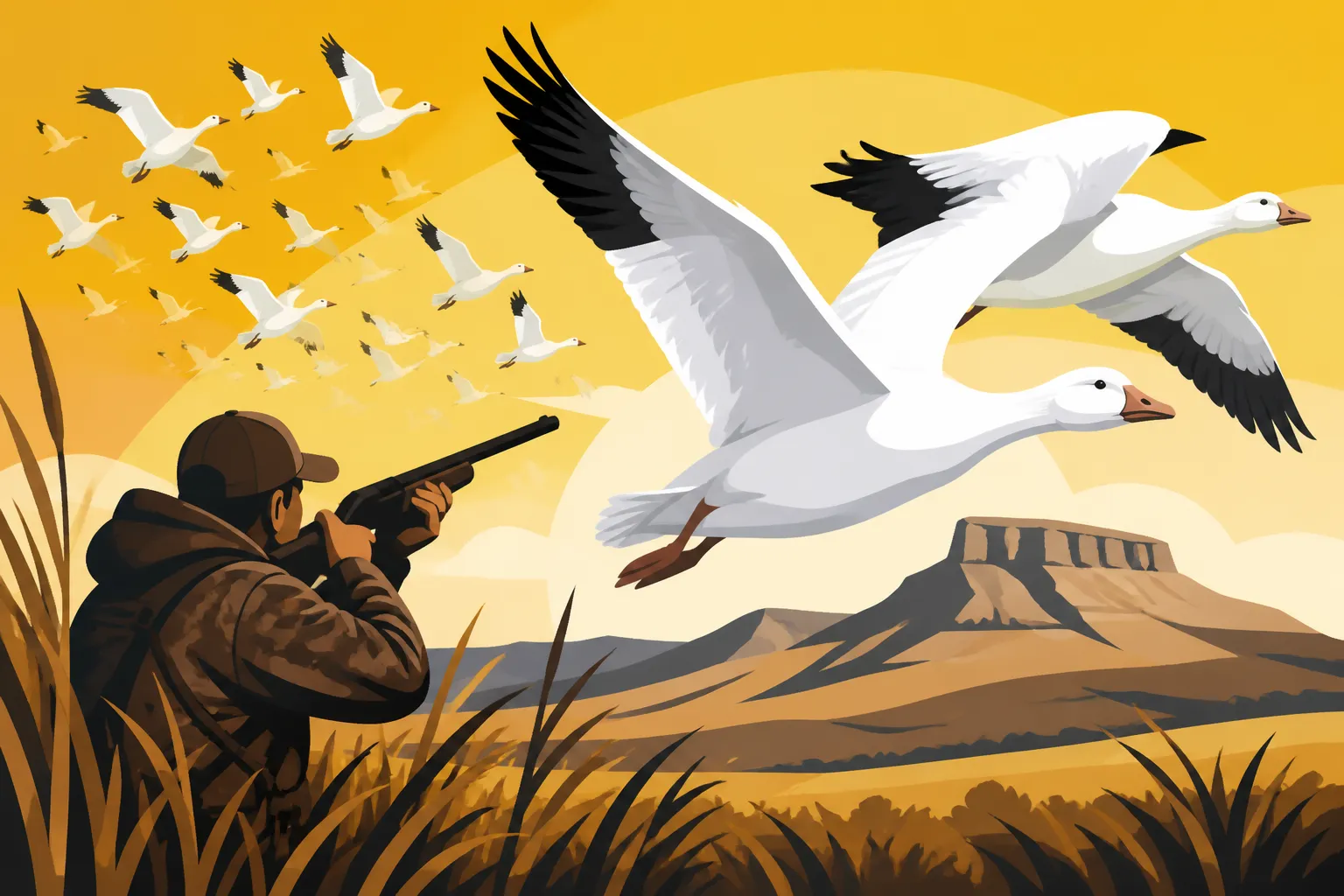
The arrival of spring in South Dakota brings with it an incredible natural spectacle: the annual snow goose migration. For many hunters, this period is a thrilling, albeit sometimes perplexing, pursuit. It's common to wonder just how many birds are actually making their way through the state, and what those shifting numbers really mean for a successful hunt. This guide will dive deep into understanding these massive flocks, the challenges of estimating their populations, and how this knowledge can help you better anticipate their movements.
The Dynamic Nature of Snow Goose Populations During Spring Migration
When we talk about "snow goose numbers" during the spring migration, it's never a static figure. These are not local residents that stay put. Instead, we're discussing a vast, continent-spanning phenomenon involving millions of birds moving north from their wintering grounds to their Arctic breeding grounds. South Dakota, nestled squarely in the Central Flyway, often becomes a critical stopover point for an immense portion of this population. However, the exact number of birds present in the state on any given day, or even over the entire season, is a constantly fluctuating dance influenced by a myriad of environmental and biological factors. It’s less about a precise count and more about understanding the overall flow and concentration.
Factors Influencing Migration Numbers and Timing
Many elements conspire to dictate how many snow geese make it to South Dakota, and when. It starts far to the south, where the birds have spent the winter, and extends all the way to the Arctic tundra where they plan to nest. A mild winter on their southern wintering grounds, for example, might mean birds are healthier and more numerous as they begin their journey north. Conversely, a harsh winter can lead to higher mortality, reducing the total population before the migration even begins.
Weather patterns, perhaps more than anything else, are the conductors of this grand orchestra. A prolonged cold snap in states to our south can hold birds up, causing a sudden, massive influx into South Dakota once conditions break. Imagine days of freezing rain and snow covering their feeding grounds in Nebraska or Kansas. When that weather finally lifts, millions of birds can pour into our state within a matter of days. Conversely, a warm, early spring can see birds push through South Dakota quickly, sometimes bypassing traditional staging areas if melting snow cover opens up feeding opportunities further north faster than usual. Similarly, strong tailwinds can act like a slingshot, propelling birds rapidly across vast distances, potentially shortening their stay here. Conversely, persistent headwind or strong crosswinds might ground them for longer periods in suitable habitat, artificially inflating the numbers seen in specific areas for a few days. The interplay between these factors creates an incredibly dynamic situation, making predictions a true art form.
South Dakota as a Bottleneck in the Central Flyway
South Dakota's geographical position and diverse habitat make it an undeniable magnet, and often a bottleneck, for migrating snow geese. The eastern half of the state, in particular, is riddled with countless prairie potholes and sloughs, interspersed with vast agricultural fields of corn and soybean stubble. This combination provides the perfect refuge for resting and crucial high-energy food sources for refueling. As the migration progresses north, the available open water and feeding grounds can shrink or become bottlenecked into specific corridors, forcing birds to concentrate in certain areas of South Dakota.
Consider the spring melt. As temperatures rise, snow cover recedes from south to north, exposing critical waste grain in fields. Simultaneously, ice begins to break up on lakes and potholes, creating safe roosting areas. This progression creates a moving front of suitable habitat that snow geese follow. South Dakota often represents a critical point where this front either broadens, allowing birds to spread out, or narrows, funnelling them into distinct regions. This makes certain areas historically renowned for holding massive numbers, year after year, if the conditions are right. Hunters who study these patterns, perhaps with the aid of mapping tools like GoHunt, can often predict where the birds will stack up. South Dakota Waterfowl on the Central Flyway is a prime example of why our state is so vital.
Understanding How Snow Goose Numbers Are Tracked
Given the sheer scale of the snow goose migration, getting an accurate, real-time count is virtually impossible. Instead, wildlife agencies rely on a combination of different methods to estimate population trends and understand the health of the overall population. These methods provide valuable data for setting season limits and managing the resource, but they are designed to give a broad picture rather than a precise, daily count of birds in any one field or county. It’s important for hunters to understand these limitations so they can interpret the information appropriately.
How Agencies Monitor Snow Goose Populations
Wildlife management agencies, often in collaboration across states and even international borders, employ several techniques to keep tabs on snow goose numbers. One primary method involves aerial surveys, particularly on the wintering grounds where birds are more concentrated and static. Biologists fly fixed transects, visually estimating the number of birds below. This provides an overall population estimate before the spring migration even begins. During migration, these surveys become more challenging due to the birds' constant movement.
Another crucial tool is the analysis of hunter harvest data. Every year, hunters are required to report their harvest, and this data helps biologists understand the age structure of the population, reproduction rates, and overall hunting pressure. Banding programs also play a significant role. Thousands of birds are banded annually on their breeding grounds, and when these birds are harvested, the band information provides insights into migration routes, survival rates, and population demographics. While these methods don't tell you how many birds are in a specific cattail slough today, they paint a broad, scientific picture of the species' health and abundance over time. This foundational data, often shared through reports that you can find by e-scouting tools like GoHunt, is what informs major management decisions.
Challenges in Counting a Moving Target
Counting millions of birds that are constantly on the move is, to put it mildly, a logistical nightmare. Imagine trying to count every raindrop in a storm. Snow geese don't stay in one place long, and their movements are highly influenced by weather, food availability, and hunting pressure. A field that holds tens of thousands of birds one evening can be completely empty by sunrise if a favorable tailwind picks up overnight.
Aerial surveys during migration are often "snapshot" estimates, capturing what's present at that moment in time within the survey area. They can't account for birds that have just arrived or are about to leave. Furthermore, distinguishing between different species of geese from the air, especially at high speeds, can introduce inaccuracies. The sheer density of large flocks also makes precise counting incredibly difficult; it’s more about estimating numbers in vast, swirling masses. Ground observations, while more precise in smaller areas, are often too localized to provide a regional or statewide picture. This means that reported numbers are always estimates, and hunters should treat them as indicators of general trends rather than absolute, real-time figures. Keeping an eye on reports, especially through resources like GoHunt, can still give you a leg up, but understanding these inherent difficulties keeps expectations realistic.
What Spring Migration Numbers Mean for Hunters
For the dedicated snow goose hunter, understanding the dynamics of spring migration numbers isn't just academic; it directly translates into strategic planning and increased success. While you can't get an exact daily count for your specific hunting spot, grasping the larger picture of population trends and migratory patterns is absolutely invaluable. It informs everything from when to plan your trip to where you should set up your spread.
Impact on Hunting Pressure and Success Rates
When snow goose numbers are high and concentrated in a particular area, it often leads to a phenomenon many hunters know well: increased hunting pressure. A strong push of birds into a specific region will inevitably draw more hunters, whether they are local or traveling from out of state. This surge in hunter activity can, ironically, make hunting more challenging. Birds become wary quickly, learn to avoid fields with vehicles, and may shy away from decoy spreads if they've been shot at repeatedly. They become "educated" by the constant barrage, flying higher and being much more selective about where they land.
On the other hand, high overall bird numbers still offer increased opportunities. Even with pressure, there are more birds in the air, meaning more chances for a flock to make a mistake. Your success often hinges on finding fields that haven't been pounded, getting permission from landowners, or utilizing large, effective decoy spreads that can pull in high-flying, wary birds. Sometimes, a massive influx can saturate an area to the point where birds are just trying to find an open spot to feed, momentarily letting their guard down. Conversely, if overall numbers are down or the migration is spread thin, hunters might find less competition but also fewer birds to work, making scouting even more critical. Hunting Pressure Patterns on Walk-In Areas can often apply to snow goose hunting, especially around popular public access points.
Regional Hotspots and Bird Movement Patterns
The beauty of the spring snow goose migration in South Dakota is its dynamic nature, which creates "hotspots" that can shift from week to week, or even day to day. These hotspots are areas where conditions — open water, available feed, and less pressure — align to hold large concentrations of birds. Knowing the general spring migration path, which typically follows the receding snow line from south to north and west to east across the state, is your first step.
Early in the spring, the southern and western parts of the state might light up first. As the season progresses, the action often shifts towards the central and eastern regions, particularly the prairie pothole country. Monitoring weather patterns and snow cover maps is paramount. Tools like GoHunt or local online forums often provide up-to-date reports from hunters on the ground, indicating where birds are currently stacked up.
| Migration Phase | Typical Location in South Dakota | Characteristics | Hunting Implications |
|---|---|---|---|
| Early Spring (Feb-Mar) | Southern/SW SD (Missouri River, warmer regions) | First major push, can be large numbers, often tied to warm fronts. | High volume, but birds can push through quickly. Focus on scouting and being mobile. |
| Mid-Spring (Mar-Apr) | Central/Eastern SD (Prairie Pothole Region) | Peak numbers, birds spread out across numerous potholes and agricultural fields. | Excellent opportunities, but high pressure. Focus on concealment, large spreads. |
| Late Spring (Apr-May) | Northern SD, along state borders with ND/MN | Remaining birds, often smaller, wary flocks. Can be hit-or-miss. | Less competition, but birds are highly educated. Persistence and specific tactics are key. |
Understanding these patterns allows you to anticipate where the birds might be next. If you see a major push reported in southern South Dakota on a given week, you can anticipate those birds moving north over the next few days with favorable weather. This predictive thinking, combined with good old-fashioned scouting, helps you position yourself for success. For example, if you know the general Snow Goose Spreads in Spring that work, you can deploy them effectively in these shifting hotspots. Additionally, knowing Field Hunting Geese in South Dakota Cut Corn tactics can be a game-changer when birds are feeding heavily.
Ultimately, hunting spring snow geese in South Dakota is a dynamic challenge that rewards persistence and adaptability. While precise numbers remain elusive, a deep understanding of the factors that influence their migration and population trends can significantly enhance your chances of being in the right place at the right time.
Disclaimer
This article is for general informational purposes only and does not constitute professional advice. Laws, prices and regulations vary by location and change over time. Consult a qualified professional for guidance on your specific situation.