Whitetail Range Along South Dakota Rivers
South Dakota river systems such as the Missouri, James, and Cheyenne provide whitetail deer habitat, cover, food, and movement corridors.
Know what you’re after.
Big game, small game, upland birds, and waterfowl — identification, behavior, rut and migration timing, and how each species moves through the season.
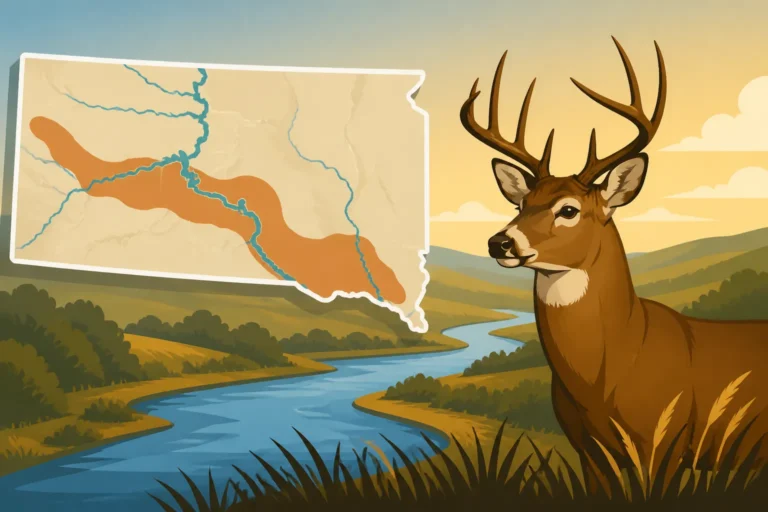
South Dakota river systems such as the Missouri, James, and Cheyenne provide whitetail deer habitat, cover, food, and movement corridors.

South Dakota mule deer populations, historical trends, and West River habitat factors explain shifting herd numbers for hunters.
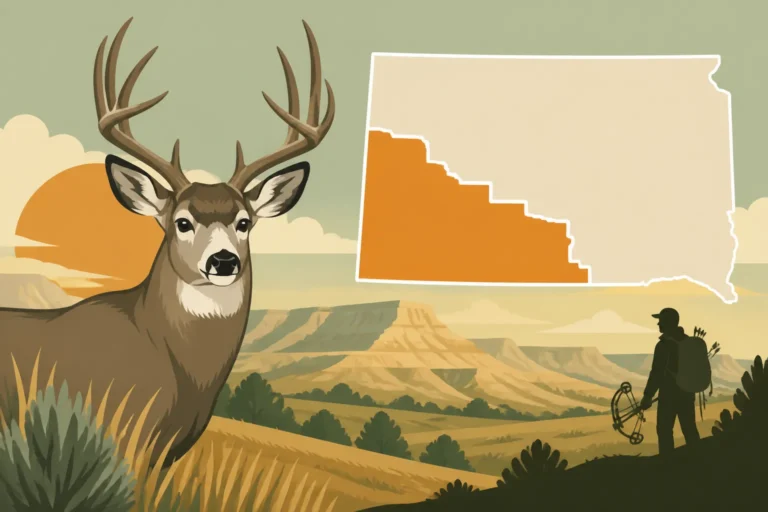
West River South Dakota mule deer range features rugged buttes, deep canyons, sagebrush flats, and stock dams.
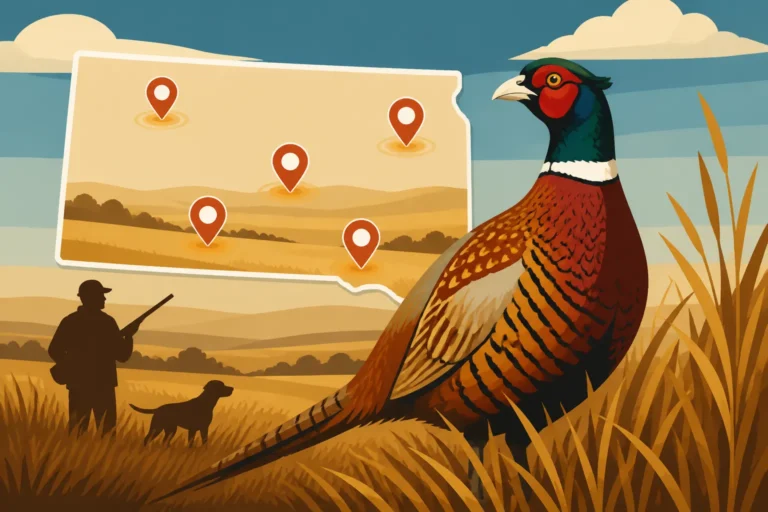
South Dakota pheasant concentration depends on agricultural food sources, winter thermal cover, and undisturbed nesting habitat alignment.

South Dakota pheasant populations and hunting success depend on Conservation Reserve Program native grasses and wildlife habitat.
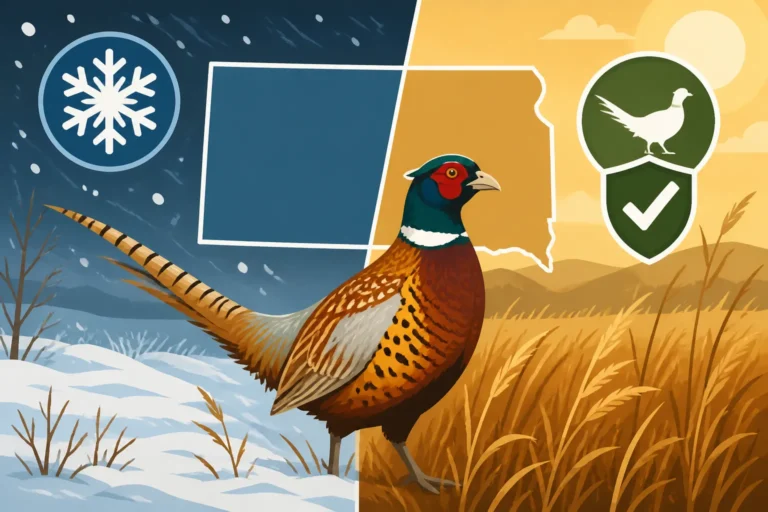
South Dakota pheasant survival during severe winters, explaining how extreme cold, deep snow, and predators cause winter kill losses.
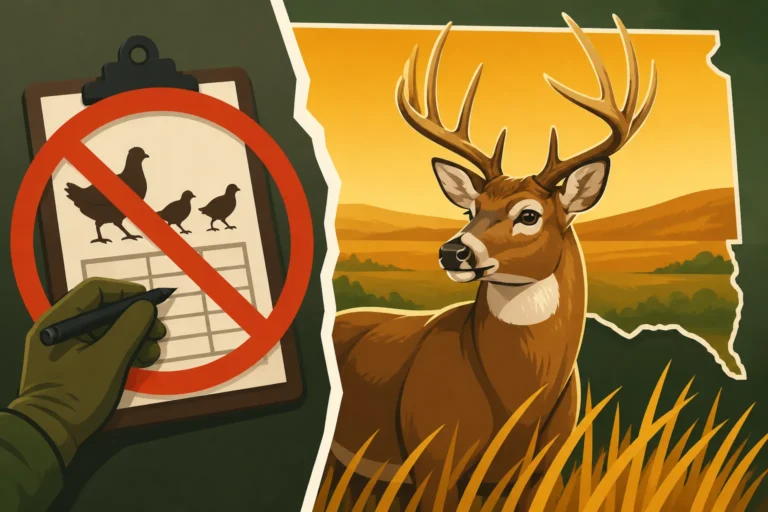
South Dakota Game, Fish and Parks ended the annual pheasant brood survey because staff and volunteers relied on roadside counts.
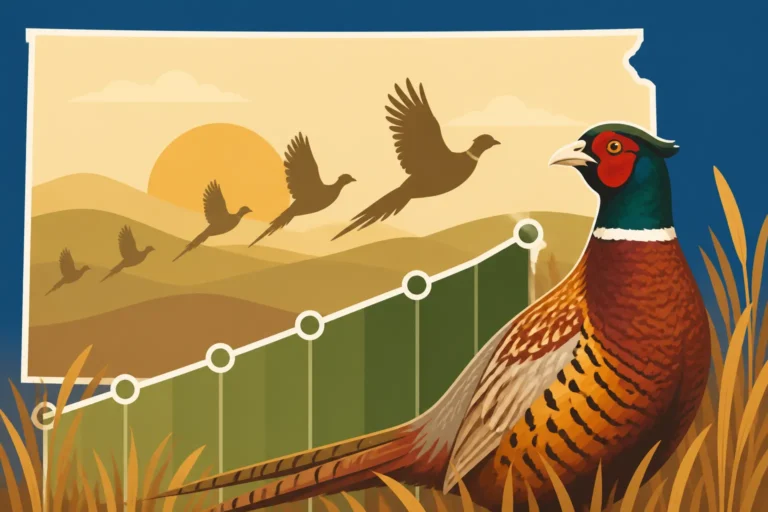
South Dakota pheasant population history covers the ringneck introduction by private citizens and state stocking programs.
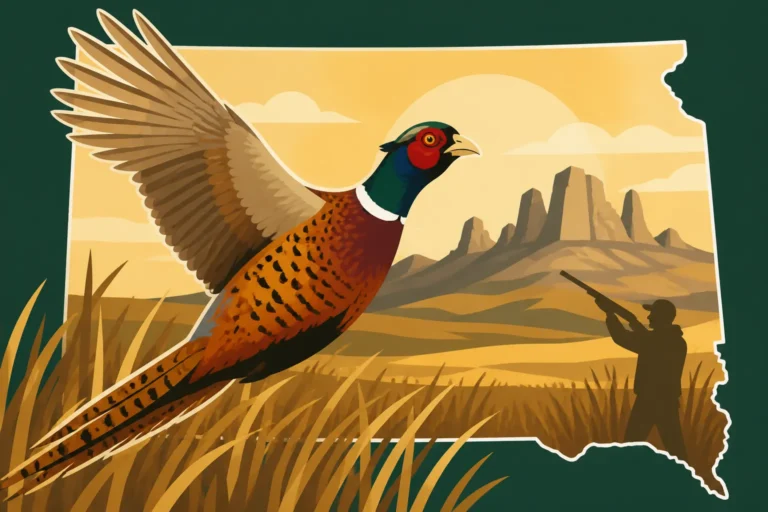
Pheasants in South Dakota arrived through deliberate introductions and early attempts by individuals like Reverend George W. McFarland.
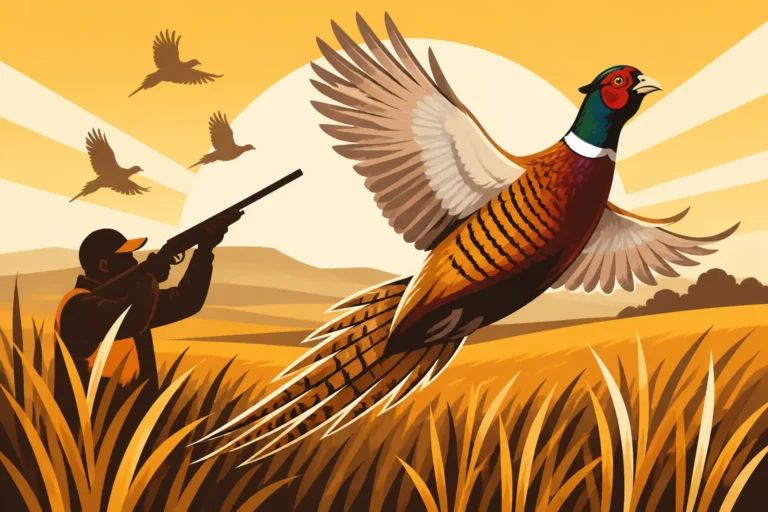
South Dakota glacial potholes, rich agriculture, and conservation programs create ideal habitats producing abundant pheasants.