Mountain Lions in the Black Hills
Mountain lions in the Black Hills utilize dense Ponderosa pine forests and rocky canyons while hunting mule deer and elk.
Know what you’re after.
Big game, small game, upland birds, and waterfowl — identification, behavior, rut and migration timing, and how each species moves through the season.
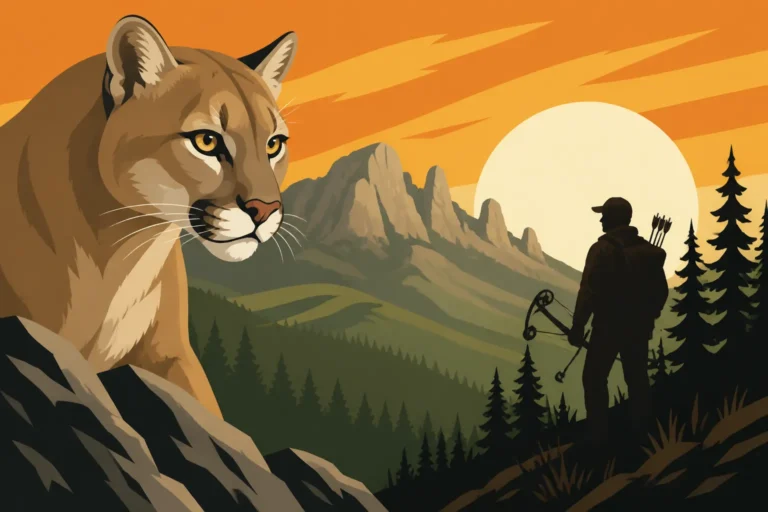
Mountain lions in the Black Hills utilize dense Ponderosa pine forests and rocky canyons while hunting mule deer and elk.
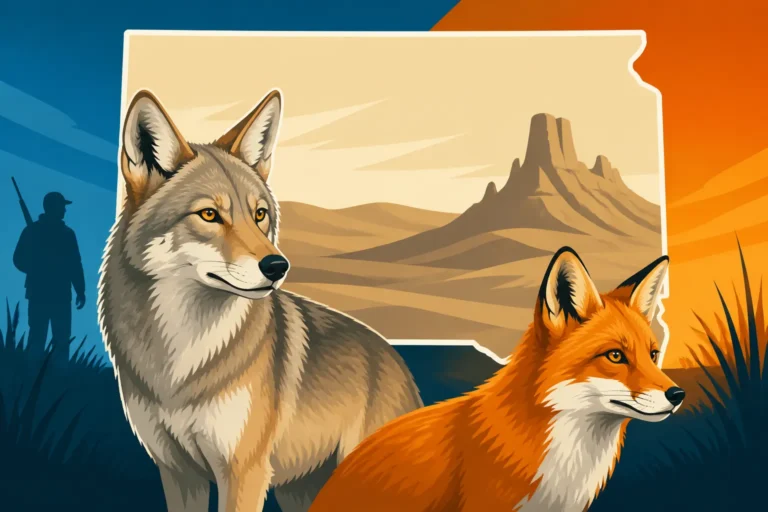
South Dakota coyote and fox populations, habitats, diets, and survival factors are explained for hunters and wildlife enthusiasts.
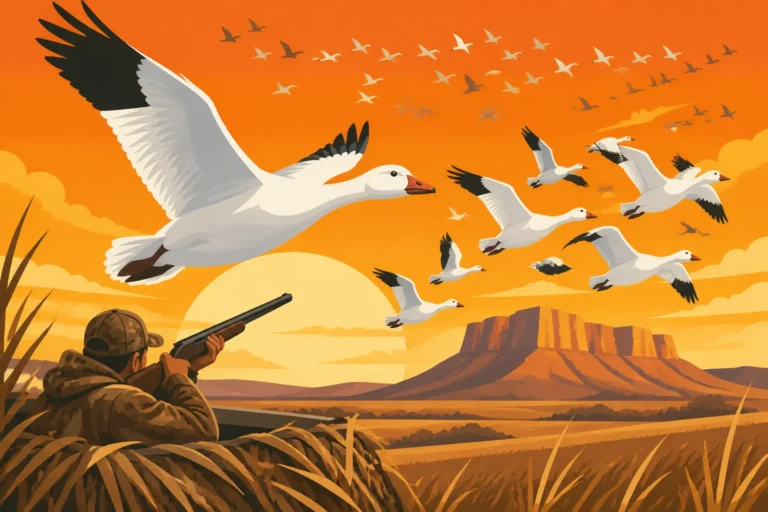
Snow goose migration patterns through South Dakota explain spring and fall movements for hunters and birdwatchers tracking massive flocks.
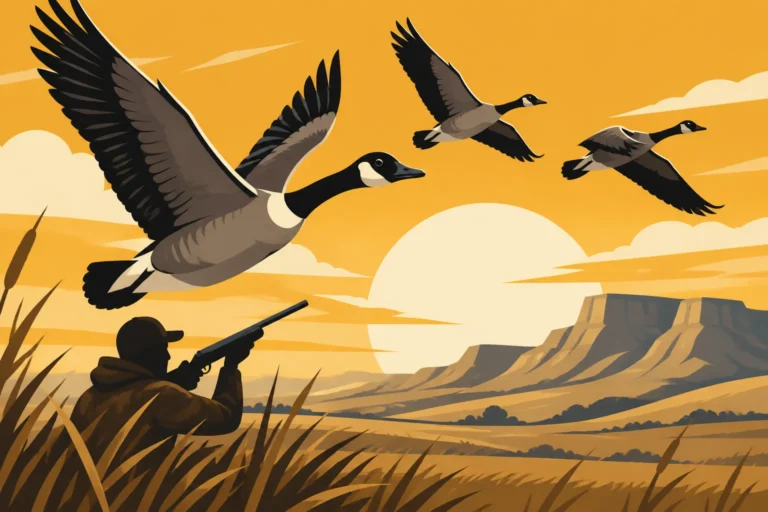
Canada goose hunting in South Dakota involves understanding resident and migratory bird patterns, seasonal dates, and local agricultural feeding grounds.
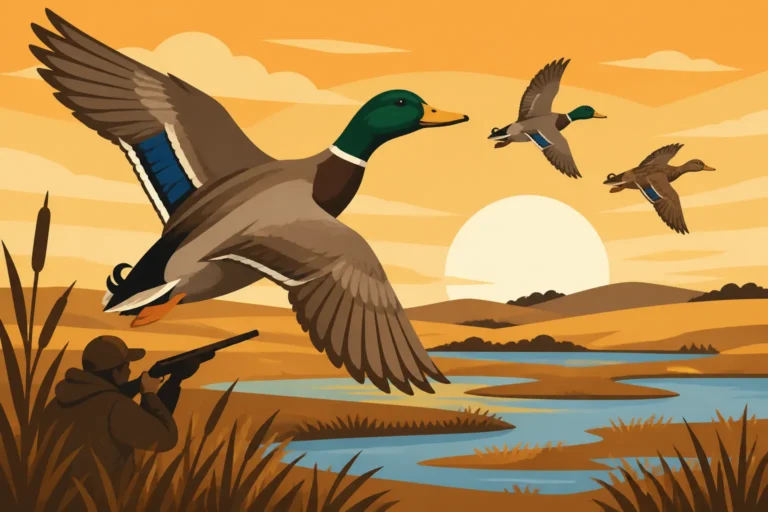
South Dakota prairie potholes serve as glacial wetland nurseries that produce millions of ducks and various waterfowl species.
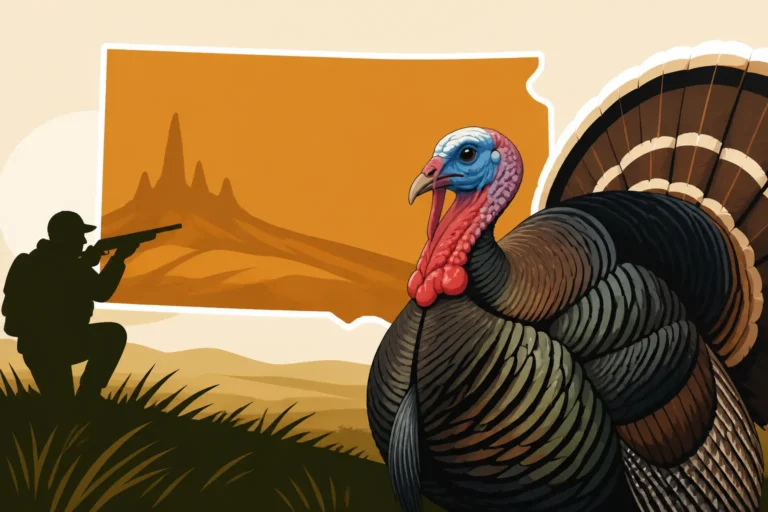
South Dakota turkey subspecies include Merriam and Eastern birds, each with distinct physical characteristics across different state landscapes.
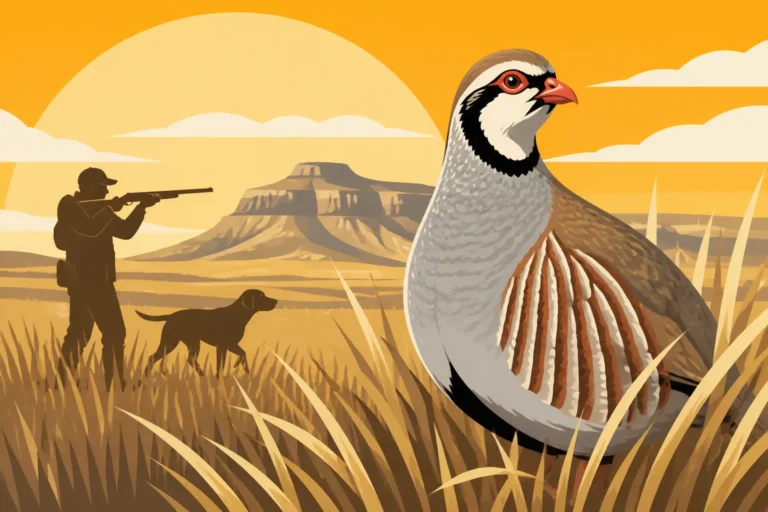
Hungarian partridge habits, prairie habitats, and hunting tactics in South Dakota explain how to locate these elusive covey birds.
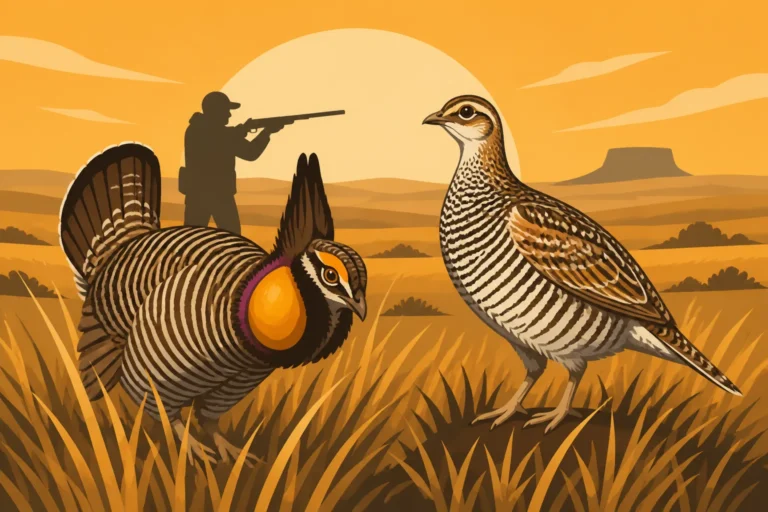
Sharp-tailed grouse and prairie chickens in South Dakota differ in tail shape, coloration, and grassland habitat preferences.
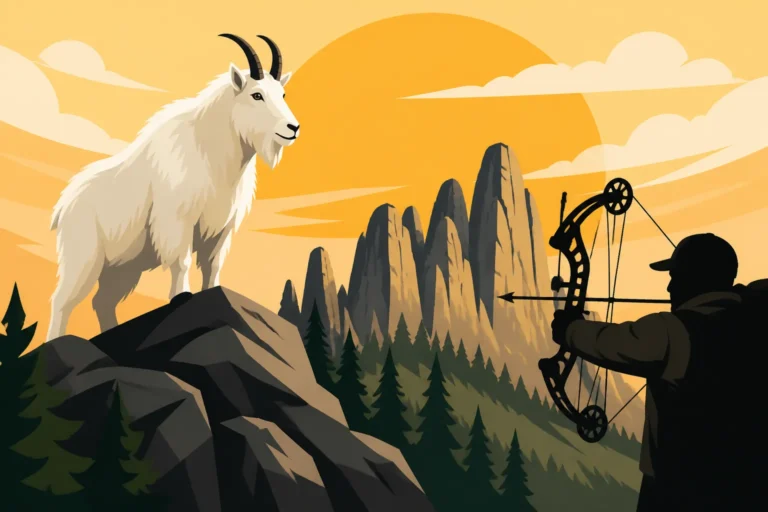
Six mountain goats from Alberta escaped a Custer State Park enclosure in the 1920s to establish a thriving South Dakota wild population.
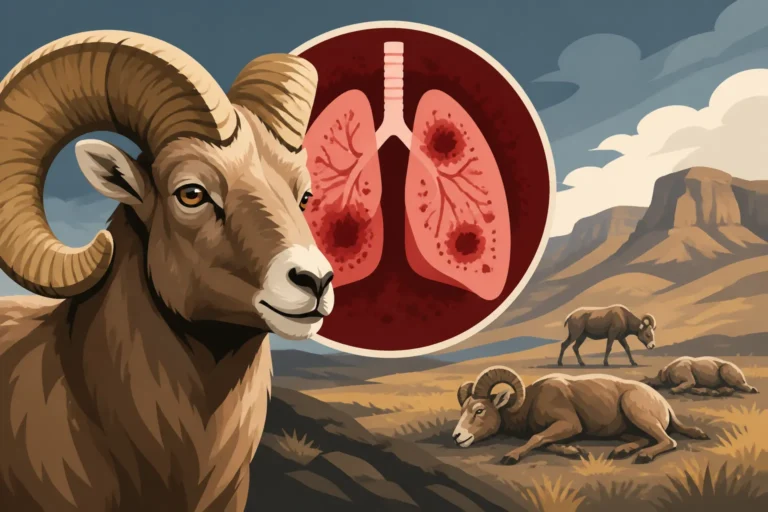
Bighorn pneumonia mechanics, herd history, and domestic animal risks explain South Dakota sheep population setbacks.