South Dakota Whitetail Population
South Dakota whitetail population dynamics, regional habitat differences, and deer densities across East River and West River regions.
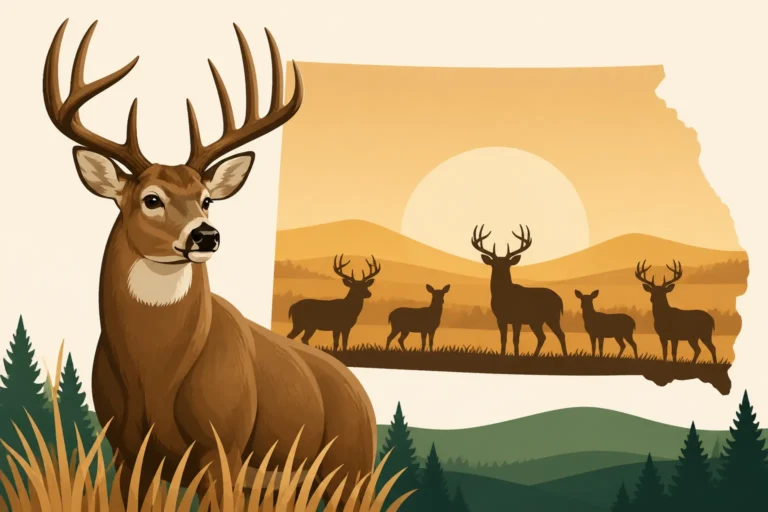
South Dakota whitetail population dynamics, regional habitat differences, and deer densities across East River and West River regions.
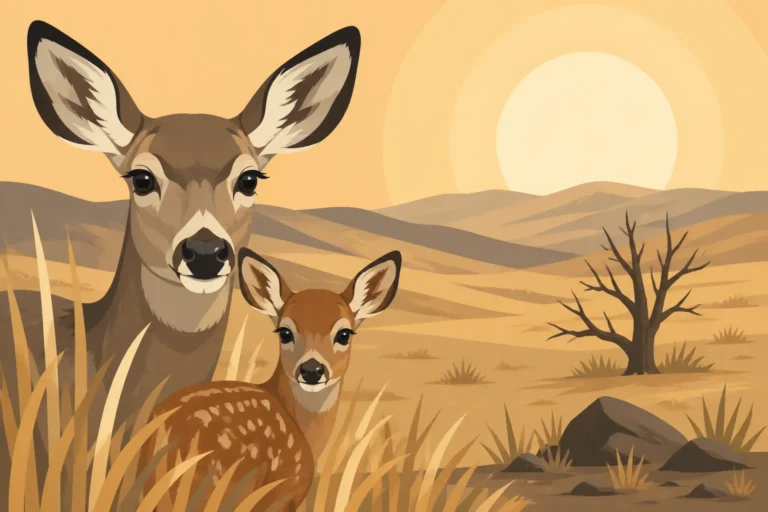
Mule deer fawn recruitment in South Dakota suffers during dry years because poor forage and water scarcity reduce doe body condition.
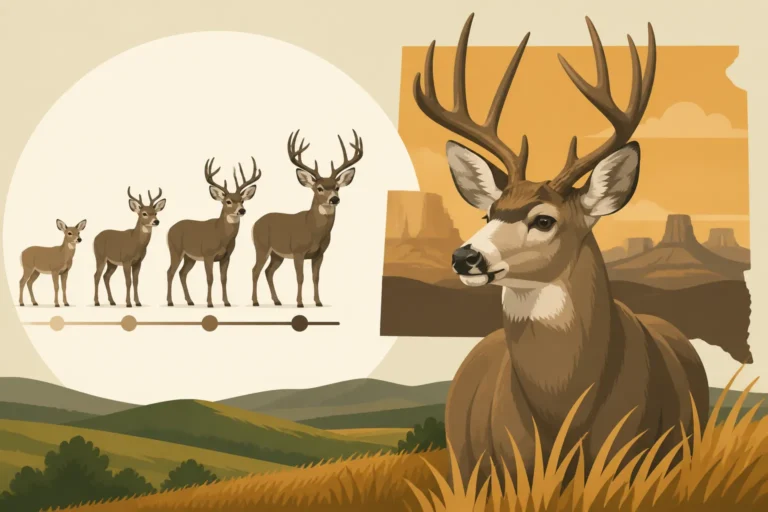
South Dakota mule deer buck age structure depends on harsh winters, forage quality, and hunting pressure managed by GFP.
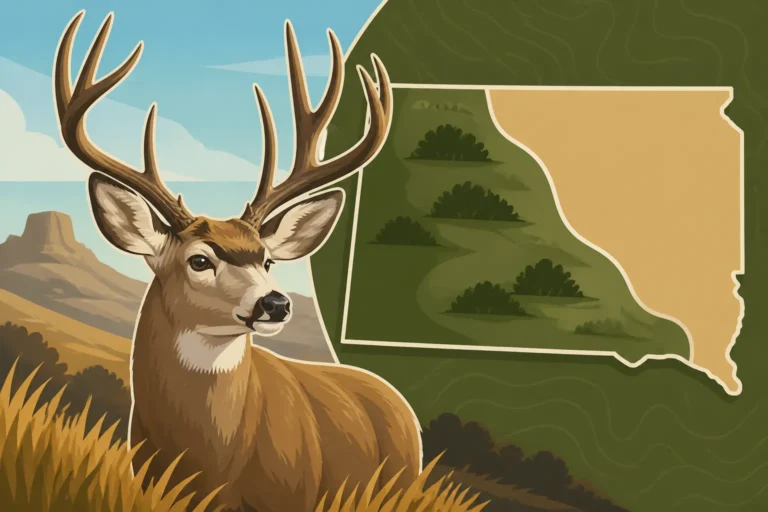
South Dakota West River mule deer habitats, including Buffalo Gap National Grassland, badlands, breaks, prairies, coulees, and river bottoms.
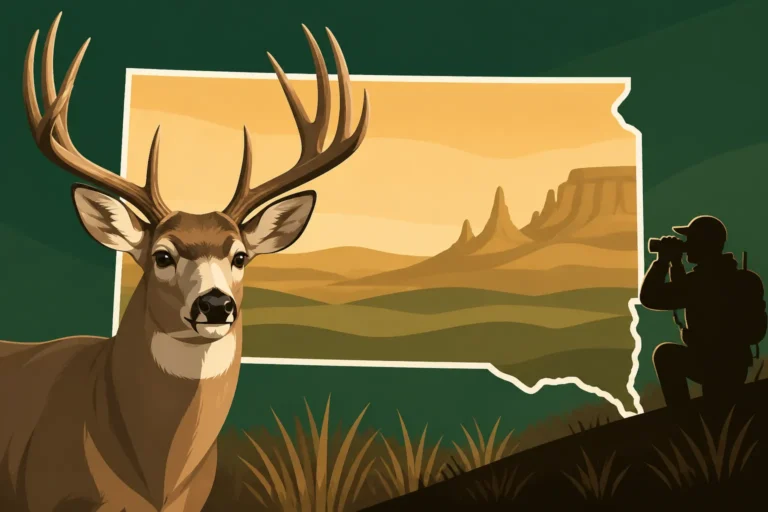
South Dakota mule deer populations fluctuate due to severe winters, drought conditions, habitat quality changes, and available forage.

Cattail sloughs provide South Dakota ring-necked pheasants with vital thermal cover and windbreaks to survive freezing winter blizzards.
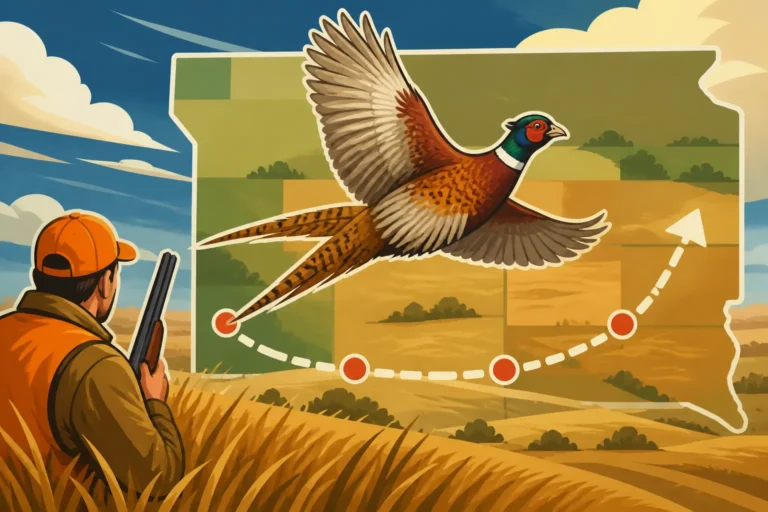
Daily pheasant movement patterns, from morning feeding commutes to midday cover seeking, help hunters intercept birds successfully.
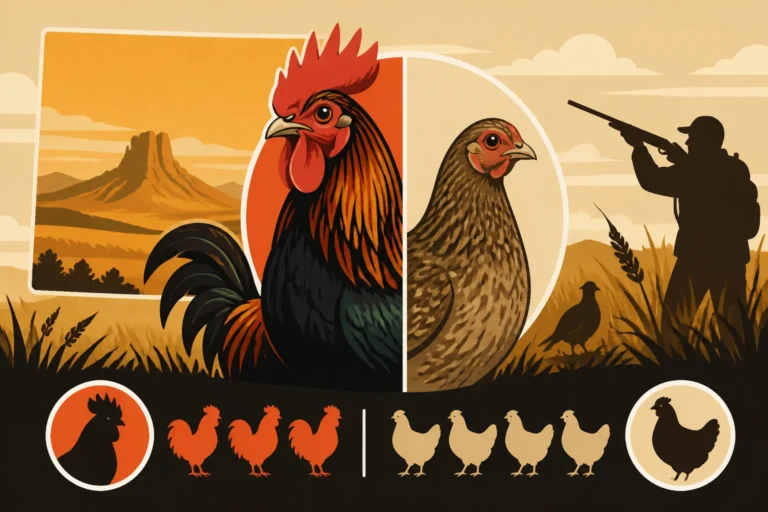
South Dakota rooster to hen pheasant ratios and post hunting season breeding numbers explain bird population health for hunters.
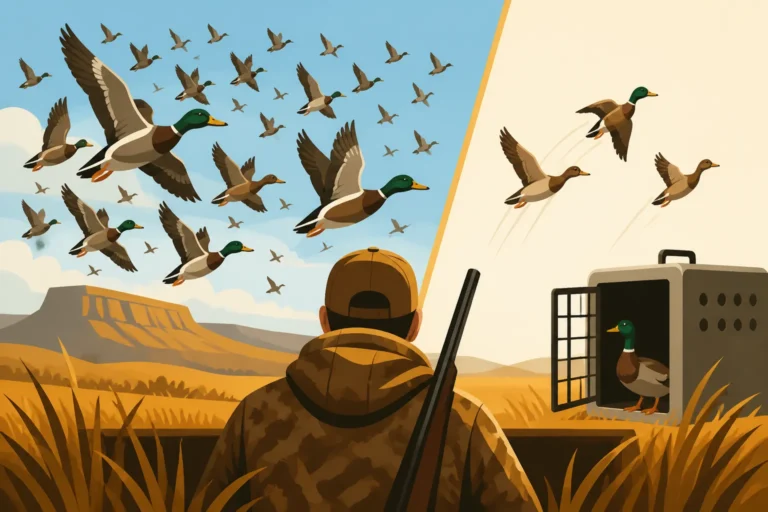
South Dakota wild pheasants provide authentic hunting challenges compared to captive released birds through natural survival instincts.
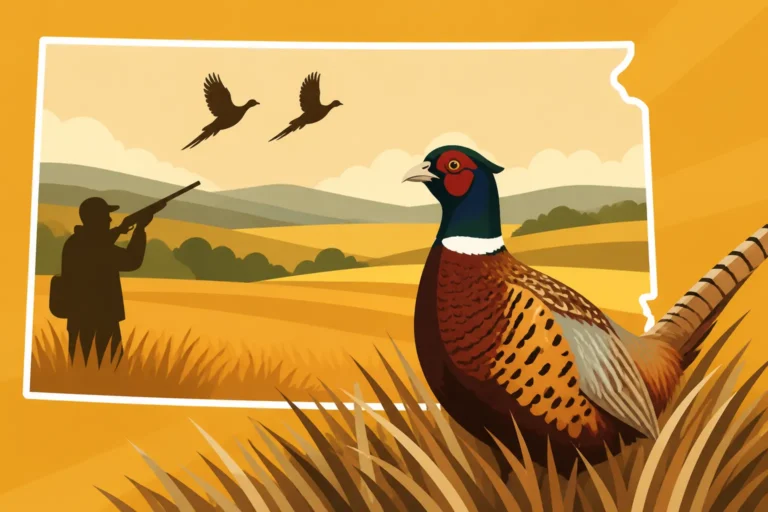
South Dakota counties offer prime pheasant hunting locations with diverse cover, rich agriculture, and reliable winter survival factors.