CRP Loss and South Dakota Bird Numbers
Conservation Reserve Program land losses in South Dakota directly reduce pheasant nesting cover and overall bird numbers.
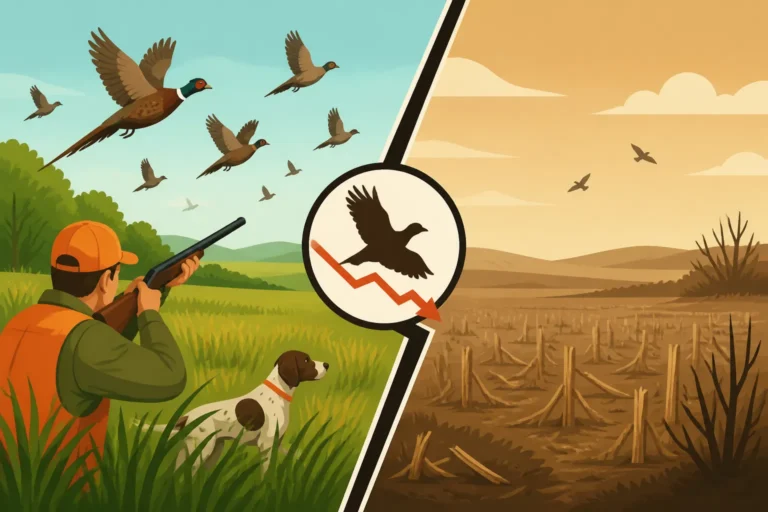
Conservation Reserve Program land losses in South Dakota directly reduce pheasant nesting cover and overall bird numbers.
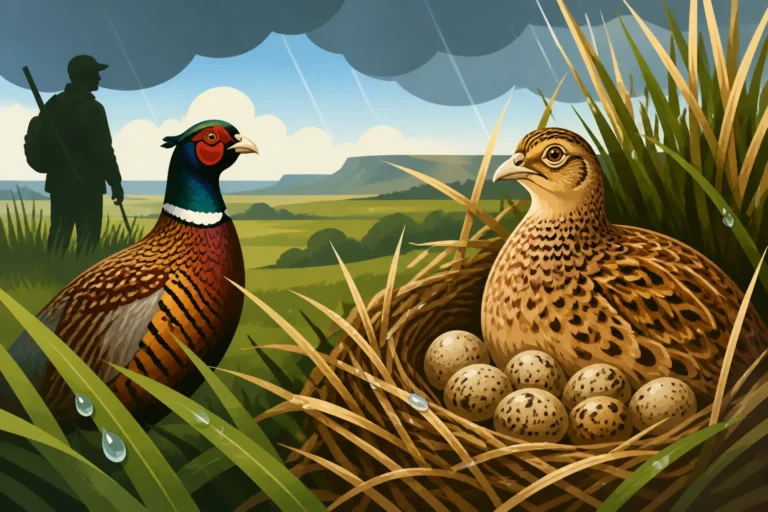
South Dakota spring rains directly impact pheasant nesting success, influencing habitat vigor, insect populations, and chick survival rates.
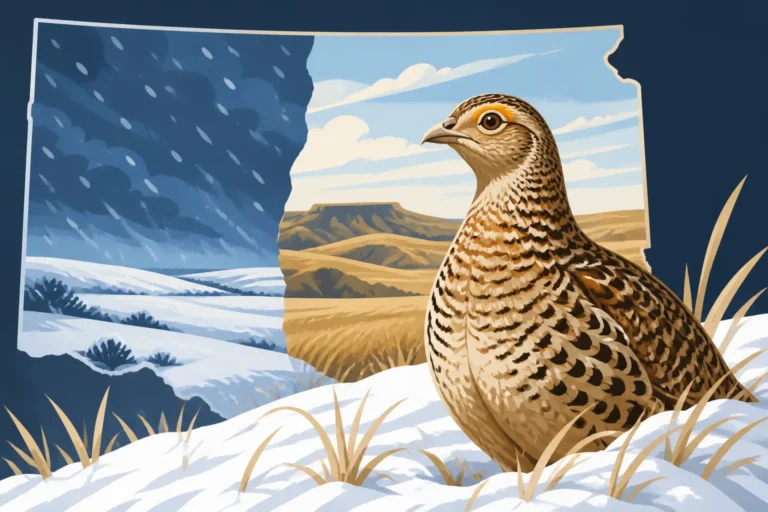
South Dakota pheasant hen survival rates during harsh winters, examining severe weather impacts and vital winter cover needs.
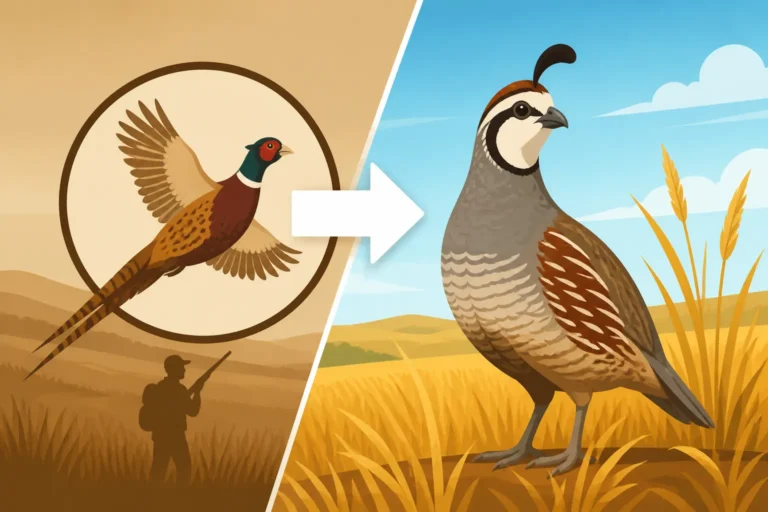
South Dakota pheasant hunters learn why the traditional brood survey ended and what modern wildlife management tools replaced it.
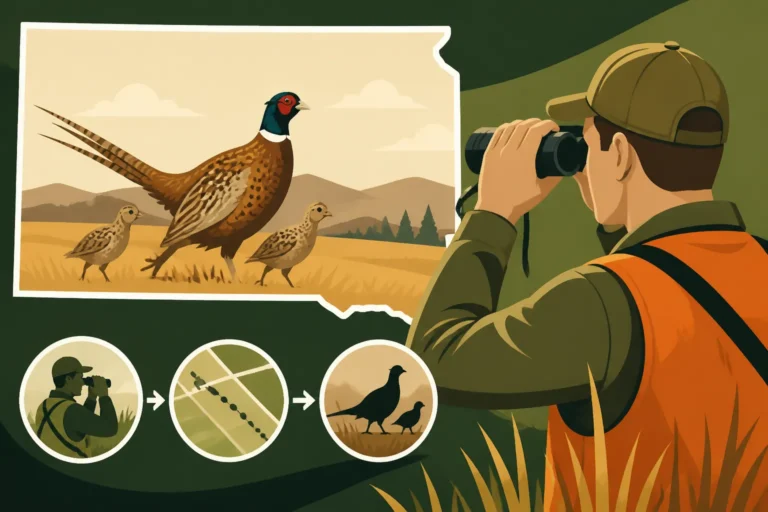
The old South Dakota pheasant brood survey used established roadside routes to measure reproductive success and manage hunting seasons.
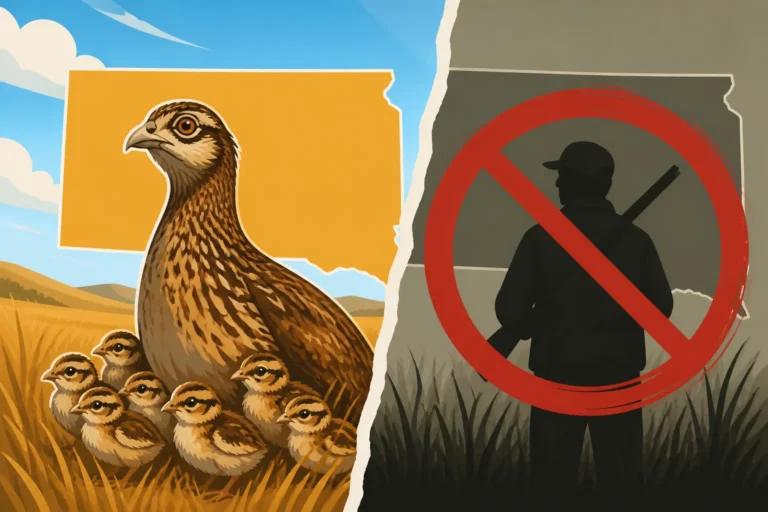
The South Dakota Game, Fish and Parks discontinued the annual pheasant brood count due to growing logistical hurdles and changing landscapes.
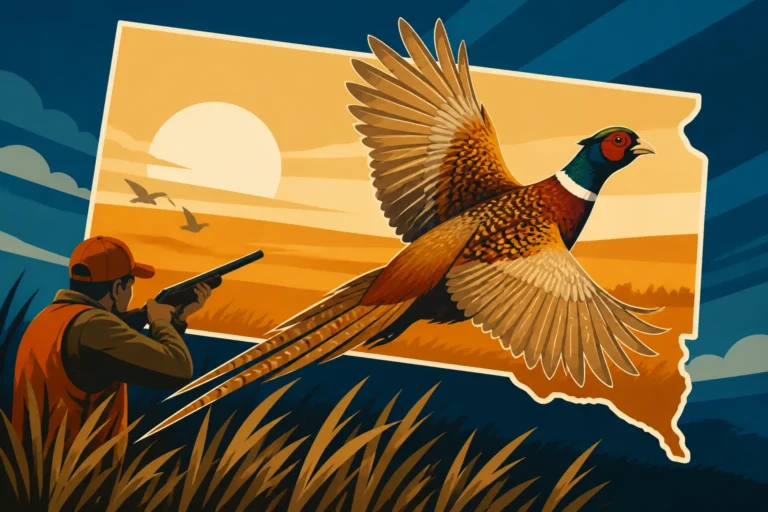
South Dakota pheasant population metrics and replacement data explain how hunters can plan trips without the old brood survey.
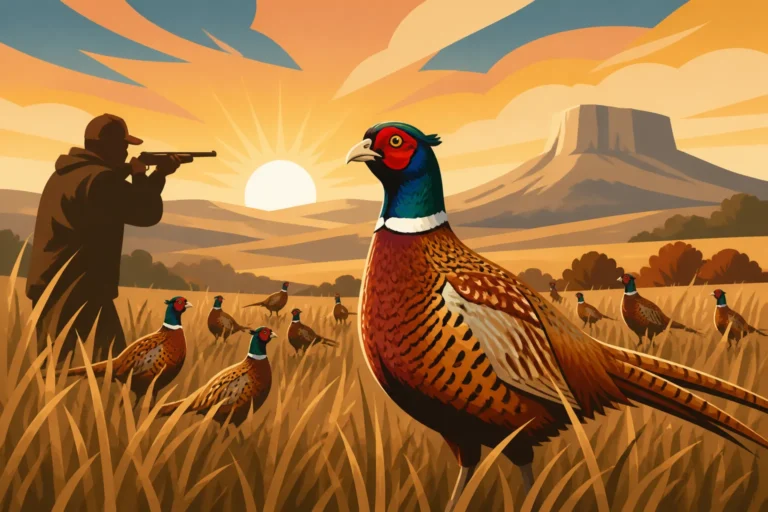
South Dakota pheasant population peaks during the mid-1940s and mid-1960s, driven by diverse agricultural practices and abundant habitat.
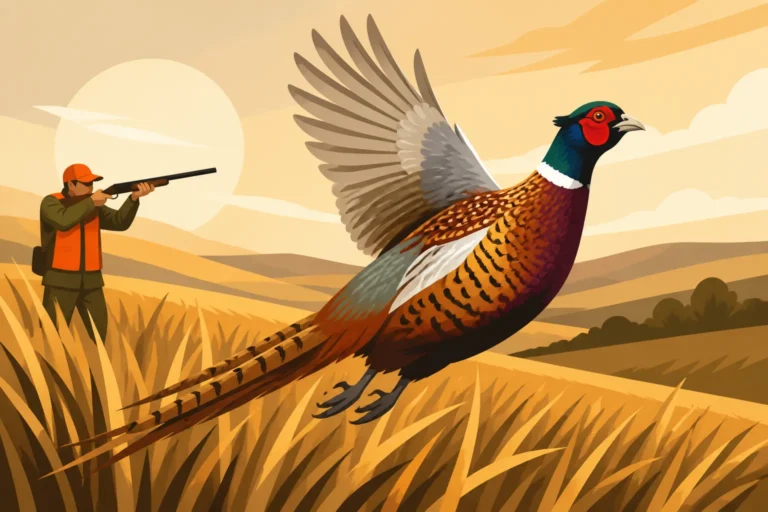
The introduction of ring-necked pheasants to South Dakota details how Asian game birds established a prairie population.
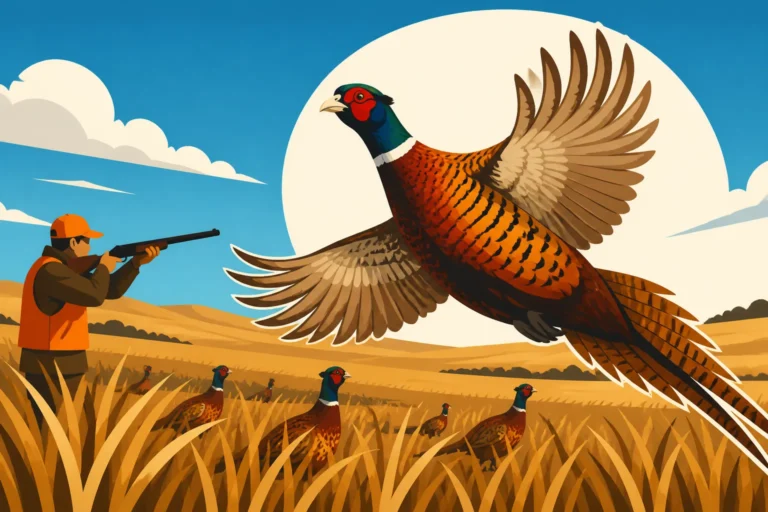
South Dakota pheasant populations thrive due to diverse prairie habitats, agricultural waste grain, and historical introductions.