Where South Dakota Antelope Concentrate
South Dakota pronghorn habitat preferences, including short-grass prairie and water sources, help hunters locate prairie herds.
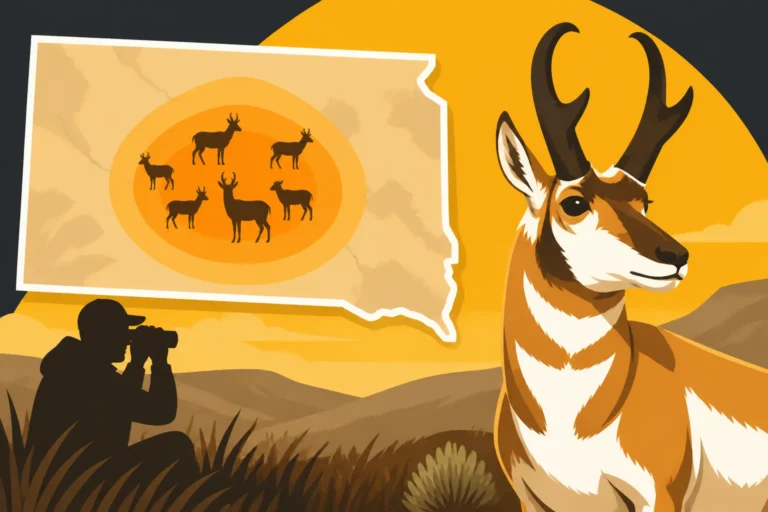
South Dakota pronghorn habitat preferences, including short-grass prairie and water sources, help hunters locate prairie herds.
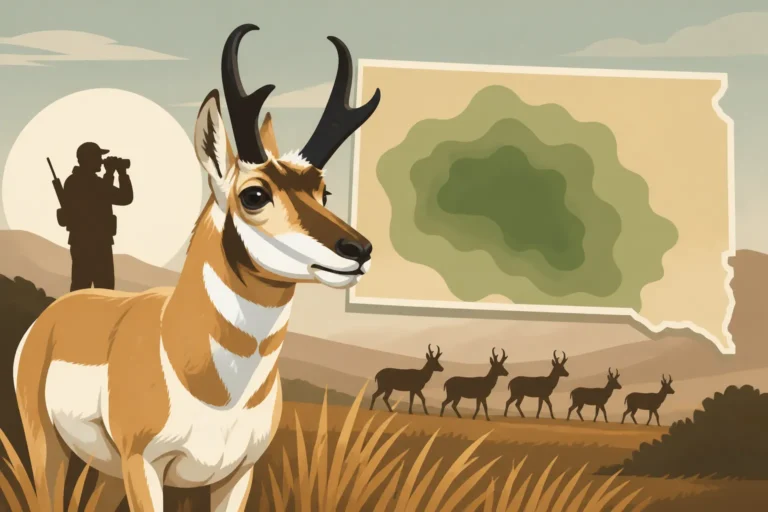
South Dakota pronghorn population estimates explain herd trends, management methods, and statistical models for hunters planning trips.
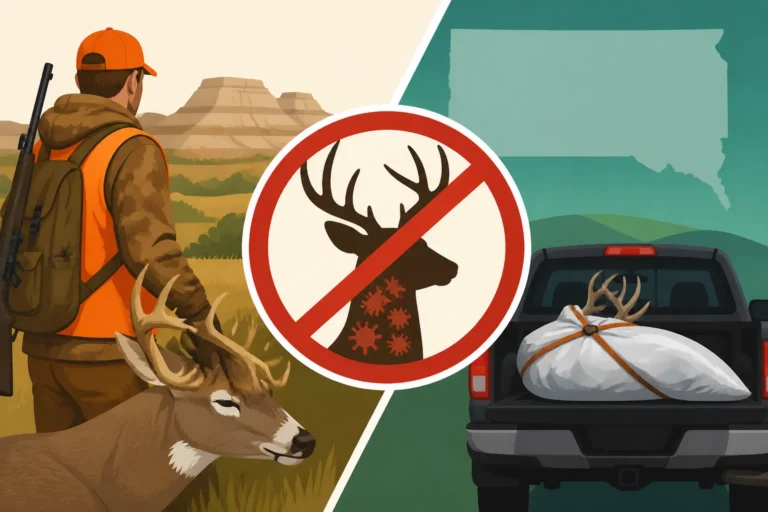
South Dakota carcass transport regulations explain how hunters can legally move deer, elk, and moose parts to prevent spreading chronic wasting disease.
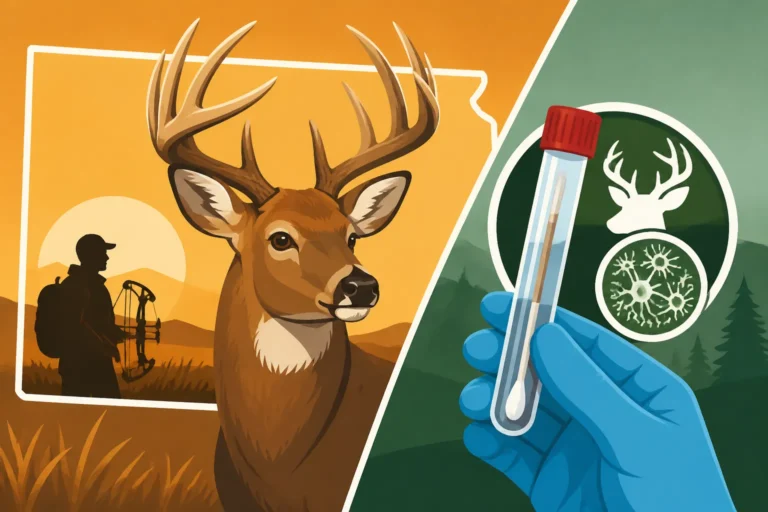
South Dakota deer hunters learn testing requirements for Chronic Wasting Disease to protect local wildlife populations and herds.
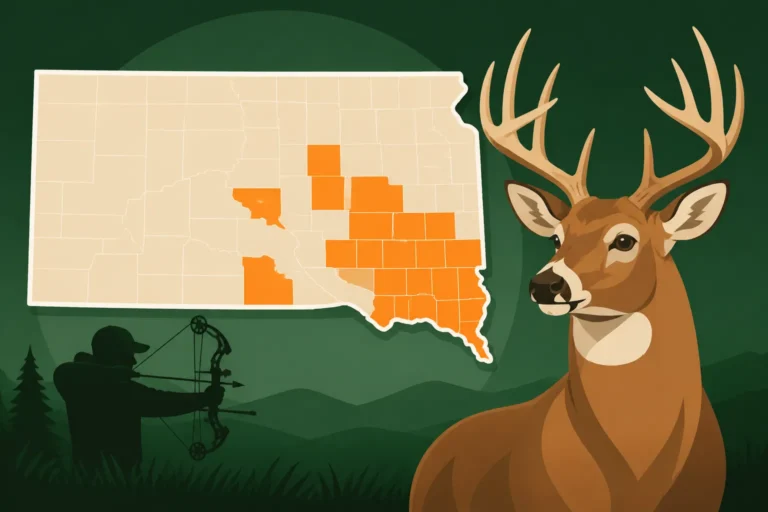
Chronic Wasting Disease in South Dakota affects deer and elk populations in the Black Hills and isolated eastern regions.
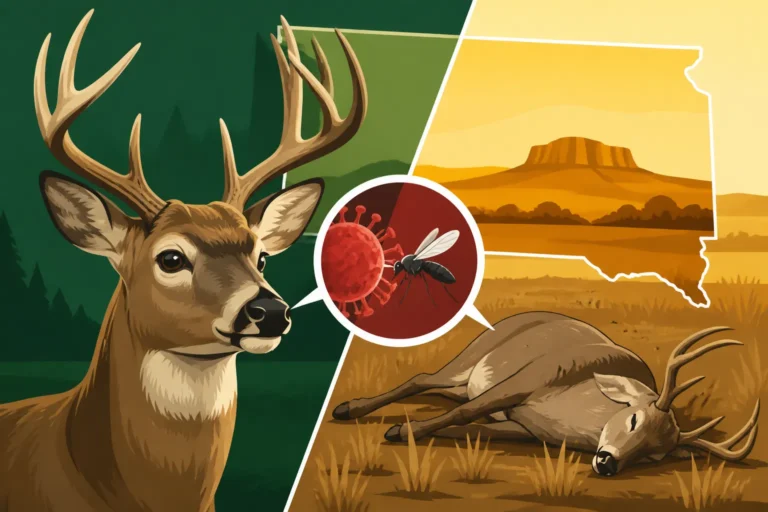
Epizootic Hemorrhagic Disease causes severe South Dakota deer die-offs through midge bites during late summer and early fall.
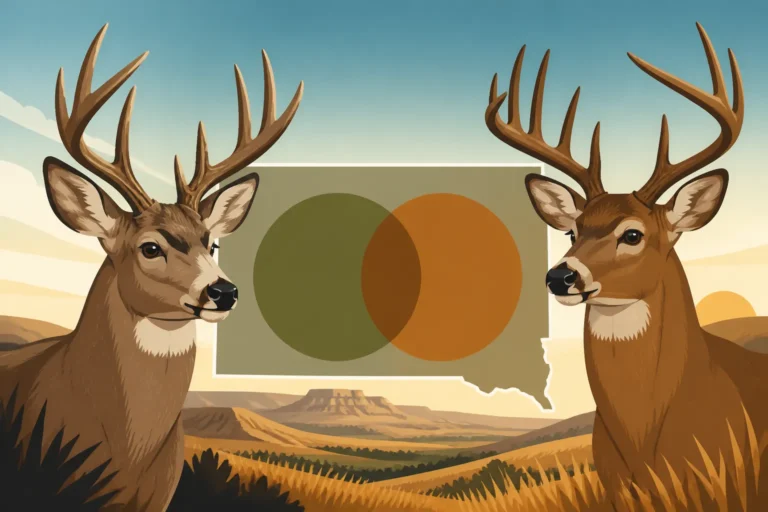
Mule deer and whitetail overlapping habitats in South Dakota create mixed zones where hunters find both species together.
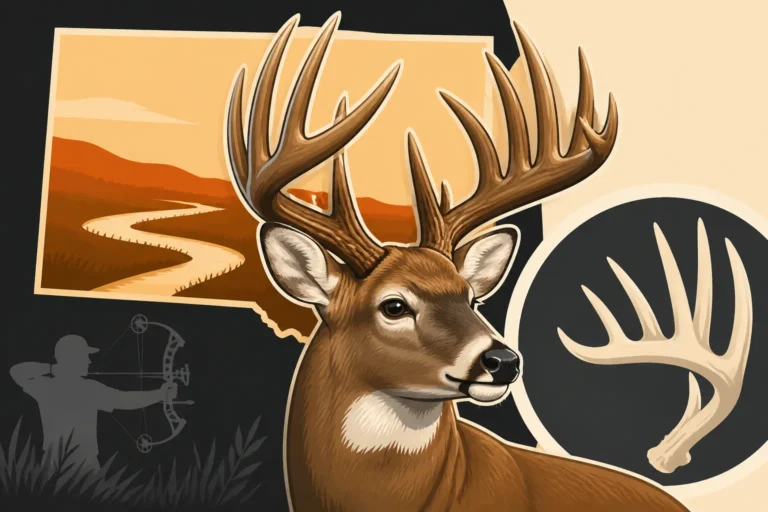
West River buck antler growth depends on genetics, nutrition, and age, shaping mule deer rack size and field judging in South Dakota.
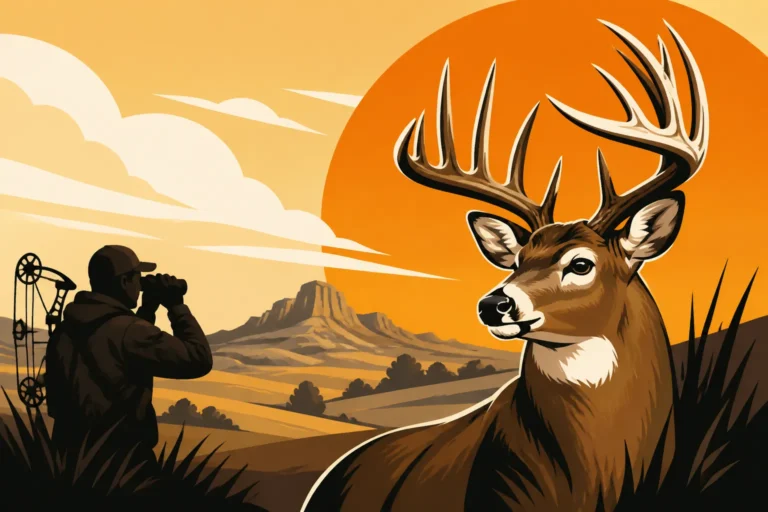
South Dakota deer rut timing details explain whitetail and mule deer breeding phases from late October through November.
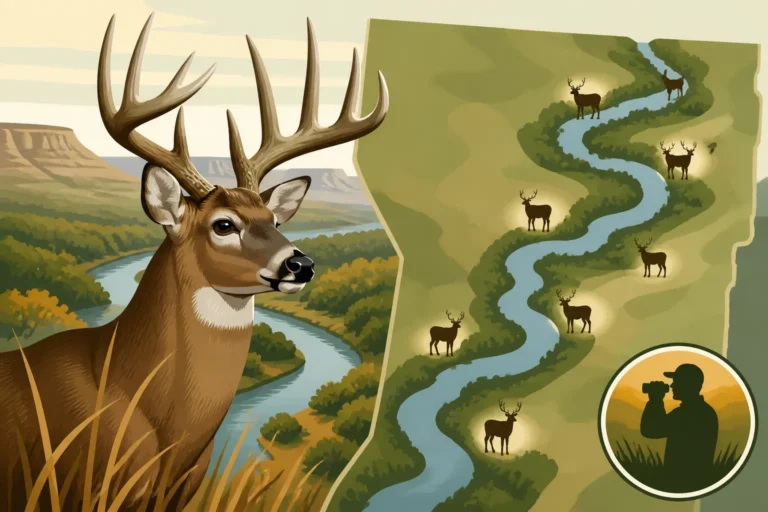
South Dakota whitetail deer density along river corridors provides hunters reliable water, food, and dense cover for success.