South Dakota Turkey Population Trends
Anyone who's spent a frosty morning shivering in a blind, waiting for that tell-tale gobble to shatter the silence, knows the thrill and the frustration of turkey hunting in South Dakota. One year the woods might be alive with birds, the next it feels like you're chasing ghosts. Understanding these fluctuations, especially the overall South Dakota turkey population trends, is key to managing your expectations and planning a successful hunt, and that's exactly what we're going to dive into here.
The Journey of Turkeys in South Dakota: A Comeback Story
It's hard to imagine, but once upon a time, wild turkeys were completely gone from South Dakota. The vast prairies and even the Black Hills, which now hold robust populations, were silent of their resonant calls. It's a classic wildlife comeback story, driven by dedicated conservation efforts and thoughtful reintroduction programs.
Early Reintroduction Efforts and Initial Success
The modern era of wild turkeys in South Dakota truly began in the mid-20th century. Pioneers of wildlife management realized the potential for turkeys to thrive here, particularly with the diverse habitats available. The first successful reintroductions of Merriam's turkeys into the Black Hills in the 1950s laid the groundwork. These birds, well-suited to the ponderosa pine forests, quickly established themselves, expanding their range and proving that South Dakota could indeed be turkey country. It wasn't just a simple release; it involved careful planning, habitat assessment, and often, trapping wild birds from established populations in other states to ensure genetic diversity and adaptability.
As the Black Hills Merriam's population grew, attention turned to the rest of the state. The wide-open prairies and river bottoms presented a different challenge and required different subspecies. This led to introductions of Eastern and Rio Grande turkeys, and various hybrids, across the East and West River regions. These birds adapted to the mosaic of agricultural fields, shelterbelts, and timbered draws, transforming much of the state into prime turkey habitat. It was a remarkable period of expansion, where hunters saw the turkey population seemingly explode, offering incredible opportunities across diverse landscapes.
The Role of Habitat and Subspecies Distribution
The success of these reintroduction efforts is intrinsically linked to habitat. In the Black Hills, the Merriam's thrive in the open pine forests, utilizing the consistent mast crops and scattered meadows. East River, with its mix of timbered river corridors, farmsteads, and food plots, provides ideal conditions for Eastern and hybrid turkeys. These birds are often found concentrated along the Missouri River breaks and its tributaries, where mature trees offer crucial roosting sites and cover. Then, out west, beyond the Black Hills, Rio Grande influence and hybrids often populate the broken country, utilizing sparse timber in draws and creek bottoms, often adjacent to agricultural fields.
Understanding which South Dakota Turkey Subspecies you're likely to encounter is more than just a biological curiosity; it informs your hunting strategy. Merriam's are known for covering vast distances in the open ponderosa, while Easterns in the river bottoms can be incredibly vocal but might require more patience as they navigate dense cover. The landscape itself dictates turkey behavior and, consequently, population density and distribution.
Key Factors Influencing Turkey Population Trends
Wild turkey populations are dynamic, always ebbing and flowing in response to a complex interplay of environmental factors. It's never just one thing, but usually a perfect storm of conditions that can lead to boom or bust years. For hunters, these fluctuations directly impact their experiences in the field, making some seasons feel abundant and others incredibly challenging.
Weather Extremes: Winters and Wet Springs
Perhaps the most significant natural driver of turkey populations is the weather. South Dakota is known for its dramatic seasons, and these extremes can have profound effects.
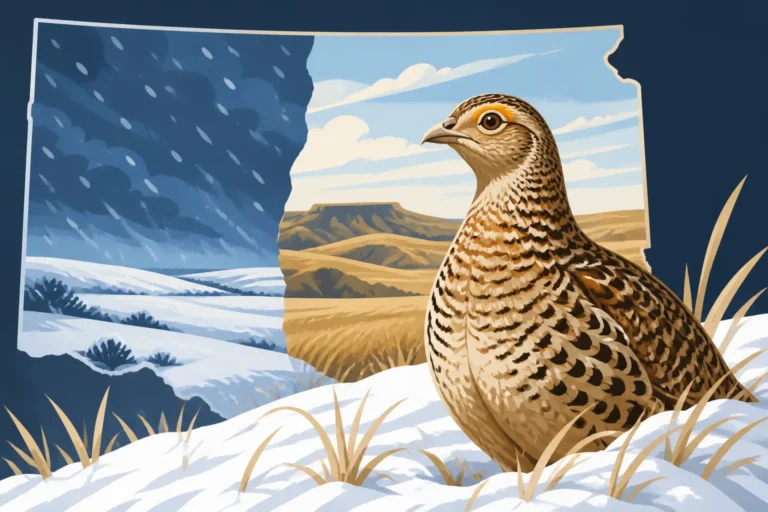
Severe winters, especially those with prolonged periods of deep snow and ice, can be incredibly tough on turkeys. While adult turkeys are remarkably resilient, able to roost high in trees and find food, persistent deep snow can cover up critical food sources like waste grain and acorns, making foraging difficult. Malnutrition can weaken birds, making them more susceptible to disease and predation. Moreover, harsh winters can impact the breeding condition of hens heading into spring, potentially reducing clutch sizes or delaying nesting.
Equally, if not more, critical are the conditions during nesting and poult rearing in spring. Turkeys are ground-nesters, and young poults are extremely vulnerable to cold, wet weather. A prolonged period of heavy rains and unseasonably cold temperatures in May and June can decimate an entire year's hatch. Poults, particularly in their first few weeks, lack full feather development and can quickly succumb to hypothermia if soaked and chilled. When you have multiple years of poor poult survival, it creates a "gap" in the age structure of the population, leading to fewer two-year-old gobblers in subsequent seasons – the very birds that hunters often target. A beautiful, warm, and relatively dry spring, on the other hand, allows for high poult survival, and you'll often hear hunters talking about seeing "broods everywhere" that year.
Habitat Changes and Land Use Practices
Habitat is the foundation upon which all wildlife populations rest, and turkeys are no exception. Changes in land use across South Dakota have a direct impact on how many birds the landscape can support.
The expansion of agriculture, while providing waste grain as a food source, can also lead to the loss and fragmentation of vital habitat. Vast, monoculture crop fields offer little cover for nesting hens or escape routes from predators. The removal of shelterbelts, brushy draws, and riparian timber for agricultural expansion directly reduces crucial nesting cover, roosting sites, and winter thermal protection. Conversely, conservation programs like the Conservation Reserve Program (CRP) have been a boon for turkeys, especially in the East River country. Areas enrolled in CRP provide dense nesting cover, bugging habitat for poults, and generally create a more resilient ecosystem. It's worth noting that these CRP Acres and South Dakota Bird Numbers are important for pheasants, but also indirectly benefit turkeys by providing diverse cover.
Forest management practices, particularly in the Black Hills, also play a role. Thinning operations, controlled burns, and timber harvests can initially disturb habitat but, if managed properly, can create a healthier forest ecosystem with better forage and a mix of age classes that benefits turkeys in the long run. The critical aspect is always a mosaic of different habitat types – mature trees for roosting, dense understory for nesting, and open areas for foraging and bugging.
Predation and Disease Pressures
While turkeys are robust birds, they face constant threats from predators and disease. These pressures are always present but can become more pronounced when other factors, like poor habitat or harsh weather, weaken the population.
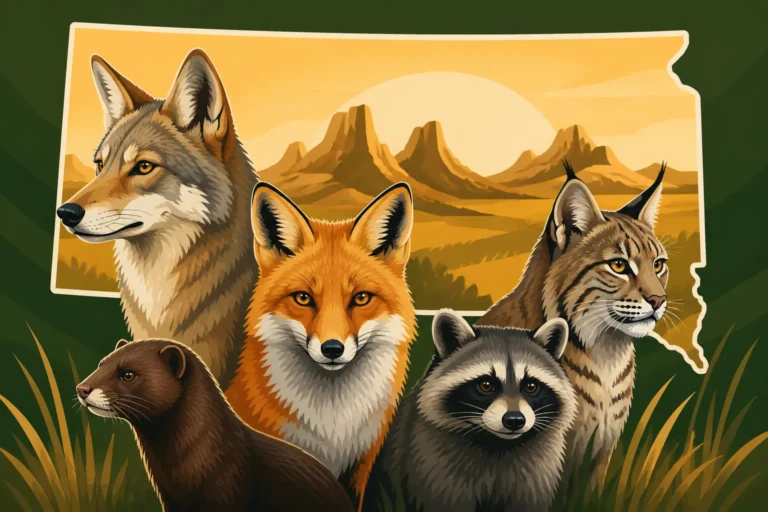
Predators such as coyotes, foxes, raccoons, bobcats, and even raptors like great horned owls, all impact turkey numbers. Nests are particularly vulnerable, with raccoons, skunks, and opossums being notorious egg predators. Young poults are easy targets for a wide range of predators. While predation is a natural part of the ecosystem, abnormally high predator populations or reduced turkey resilience due to other factors can tip the scales. It's similar to how Predator Impact on South Dakota Fawns can affect deer numbers, where generalist predators can take a toll on young game animals.
Diseases, though often less visible, can also impact turkey populations. Avian diseases, like Avian Pox or Lymphoproliferative Disease, can cause localized die-offs, especially in high-density areas. Blackhead disease, a parasitic infection, is another concern, often spread through contaminated soil or consumption of infected earthworms and beetles. While widespread epidemics are rare, these diseases contribute to overall mortality and can suppress population growth, particularly if birds are already stressed. The state closely monitors for these issues, and hunters sometimes play a role by reporting sick birds.
Monitoring and Management: The State's Role
The South Dakota Game, Fish and Parks (GFP) plays a critical role in monitoring turkey populations and setting season regulations. Their work ensures sustainable hunting opportunities while safeguarding the future of the species. This isn't just about counting birds; it's about understanding trends and adapting management strategies.
How GFP Tracks Turkey Populations
Unlike some game species that have extensive annual surveys, turkey population monitoring in South Dakota often relies on a combination of methods, particularly hunter harvest data and anecdotal observations. There isn't a single, statewide "turkey count" in the same way there might be for deer or pheasants.
One of the primary tools is the annual harvest report. When hunters tag a turkey, they are required to report their harvest to GFP. This data provides invaluable insight into hunter success rates, the number of birds taken, and the age structure of the harvest (e.g., how many adult gobblers versus jakes). Over time, these harvest trends can indicate whether populations are increasing, decreasing, or remaining stable. A decreasing harvest, particularly if hunter numbers remain consistent, can suggest a decline in the overall population. It's a system that relies on hunter participation and accuracy, so proper South Dakota Harvest Reporting Rules are crucial.
Beyond harvest data, GFP biologists and conservation officers spend countless hours in the field, making their own observations. They track brood success during the summer months, noting the number of hens seen with poults and the average number of poults per hen. These informal surveys provide a crucial ground-level assessment of reproduction, which is a key indicator of future population health. When you combine these observations with the detailed information you might get from a tool like GoHunt, which aggregates hunting statistics and even offers scouting tools, hunters can get a more comprehensive picture.
Season Setting and Regulation Adjustments
The data collected directly influences the setting of hunting seasons and regulations. If harvest data and field observations suggest a healthy and growing population, GFP might consider expanding opportunities, perhaps by increasing tag numbers, extending season lengths, or offering more units for certain weapons. Conversely, if populations show signs of decline, the agency might implement more conservative measures, such as reducing tag quotas, shortening seasons, or even closing specific units to allow for recovery.
Regulations like bag limits, shooting hours, and weapon restrictions are all carefully considered to manage hunter pressure and ensure fair chase. For example, the limitation of spring gobbler tags helps to protect the reproductive capacity of the flock by ensuring that enough breeding hens remain. GFP aims to strike a balance: provide ample hunting opportunities while ensuring the long-term health and sustainability of the turkey population. This often involves public comment periods, where hunters can voice their opinions and provide additional input on proposed changes.
Conservation Initiatives and Habitat Improvement
Beyond direct regulation, GFP also engages in various conservation initiatives aimed at improving turkey habitat. This can include programs that incentivize landowners to create or enhance habitat, such as planting food plots, establishing shelterbelts, or managing timber stands. Partnering with organizations like the National Wild Turkey Federation (NWTF) is also common. The NWTF works tirelessly on habitat projects, advocating for sound management, and promoting the wild turkey's conservation.
These efforts are vital, as habitat loss remains a persistent challenge. By working with private landowners – who own the vast majority of South Dakota's land – and managing public lands effectively, GFP and its partners strive to ensure that turkeys have the food, cover, and nesting sites they need to thrive. Using resources like GoHunt can even help hunters identify areas that might have undergone recent habitat improvements or where habitat is naturally robust, aiding in scouting efforts.
Current Trends and What It Means for Hunters
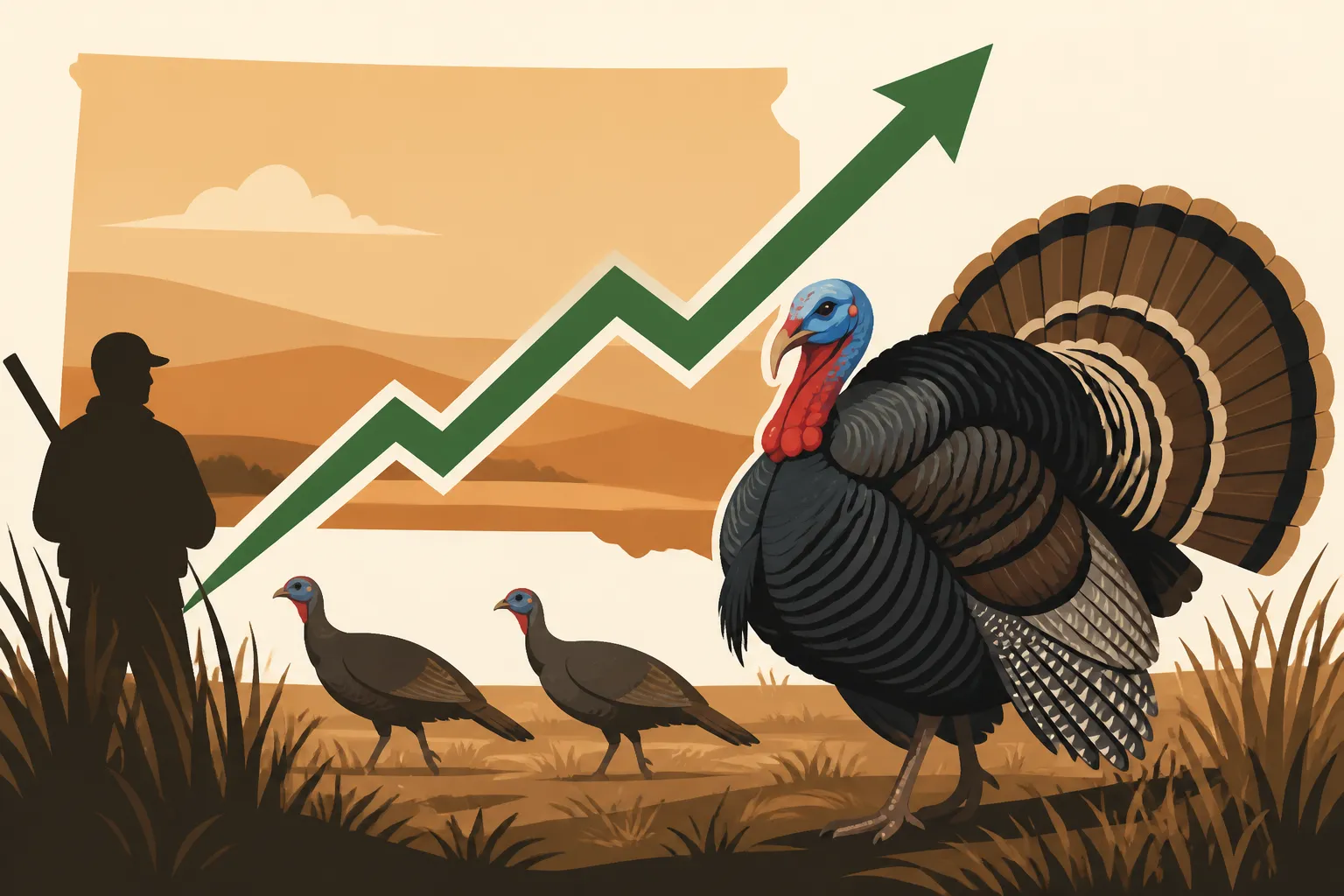
So, where do things stand today with South Dakota's wild turkey populations? It's a nuanced picture, one that varies significantly depending on where you're looking in the state. Generally speaking, we've moved past the initial boom years of reintroduction, and now manage more mature, established populations that respond to habitat and environmental factors more acutely.
Regional Variances: Black Hills, East River, and West River
The Black Hills, home to the state's Merriam's population, generally maintains a very stable and healthy turkey population. The forested landscape provides consistent cover and food, and while localized fluctuations occur, the overall trend has been positive. Hunters here can often find birds, though the challenging terrain and dense timber can make for a physically demanding hunt. Success rates tend to be good, and the opportunity to hunt a true mountain turkey in a stunning setting remains a major draw. When you're trying to figure out which units to focus on, remember to Reading a South Dakota Harvest Report for previous years, as it will give you a good indication of where the highest success typically occurs.
The East River region, with its mix of Eastern and hybrid birds, has seen more variability. Populations here are often tied closely to the quality of riparian timber, shelterbelts, and the availability of winter food sources. Some areas along the major river systems continue to hold strong numbers, while others, particularly those with more intense agricultural pressure or less protective winter cover, might see more significant ups and downs. Wet springs can hit these populations particularly hard because the less diverse landscape offers fewer alternative nesting sites for hens whose first nests fail. However, in good years, these areas can still provide exceptional hunting, especially in units with significant public access like Game Production Areas.
West River, outside the Black Hills, is a vast and diverse area, primarily holding Rio Grande and hybrid turkeys in the draws and breaks. Populations here can be resilient, but they are also vulnerable to prolonged drought, which reduces vegetation and insect populations crucial for poult survival. Severe winters, particularly those with widespread blizzards, can also impact these birds. Like the East River, these populations are more susceptible to habitat fragmentation, so finding areas with intact riparian corridors and brushy draws is key. Scouting with tools like GoHunt can help identify these prime areas.
The Hunter's Perspective: Managing Expectations
For hunters, understanding these trends means managing expectations and adapting strategies. Gone are the days when a turkey tag was almost a guaranteed bird in many areas. Today, it often requires more dedicated scouting, especially for those pursuing public land birds or trying to avoid areas that have seen recent population downturns.
Hunting early in the spring season, for example, might offer better opportunities before birds become "gobbled out" or heavily pressured. Focusing on habitat-rich areas, whether it's dense river bottoms in the east or remote draws in the west, will always yield better results. Utilizing resources like the South Dakota Public Hunting Atlas, or advanced mapping services, is crucial for finding accessible ground.
It also means that drawing a specific tag might become more challenging in popular units if populations dip. Pay close attention to draw odds and consider applying for units that might have slightly lower success rates but also less competition, especially if you're willing to put in the legwork. Remember, the true joy of turkey hunting isn't always about the kill, but the challenge, the experience of being out in nature, and the sheer thrill of hearing a gobbler sound off at dawn.
Looking Ahead: What Hunters Can Do
The future of South Dakota's wild turkeys largely depends on continued habitat conservation and responsible management. As hunters, we have a vital role to play. Supporting conservation organizations like the NWTF through membership and volunteering directly contributes to habitat projects. Participating in GFP's harvest reporting system accurately and promptly provides crucial data for management decisions.
Staying informed about proposed regulation changes and offering constructive feedback can also help shape the future of turkey hunting in the state. And of course, being ethical hunters, respecting private land, and practicing good sportsmanship ensures that landowners remain amenable to providing access and that the hunting tradition continues for generations to come. South Dakota Turkey Season Dates and bag limits are always subject to change, so staying current with the GFP regulations annually is paramount.
Disclaimer
This article is for general informational purposes only and does not constitute professional advice. Laws, prices and regulations vary by location and change over time. Consult a qualified professional for guidance on your specific situation.