Where South Dakota Pheasants Concentrate
Finding where pheasants truly concentrate in South Dakota can feel like a lifelong quest for many hunters. You drive for hours, scout public ground that looks phenomenal on paper, only to walk endless acres without seeing much more than a songbird. This frustration is real, and it often stems from not understanding the subtle yet critical habitat nuances that draw these wily birds to specific locations. This guide aims to pull back the curtain on those secrets, diving deep into the factors that create prime pheasant habitat and revealing exactly where you can expect to find significant numbers of South Dakota pheasants.
Understanding the Core Habitat Needs of Pheasants
Pheasants, those magnificent ring-necked rockets we all pursue, aren't just randomly distributed across the landscape. They're creatures of comfort and necessity, driven by a few fundamental needs: food, cover, and water. When these elements align perfectly, you've found a pheasant magnet. Without even one of these critical components, an area that looks good might just be a pretty picture, not a pheasant hotspot. It's about thinking like a pheasant, anticipating their needs throughout the day and the changing seasons, and then finding where those needs are best met.
Food Sources and Agricultural Influence
It's no secret that South Dakota is prime agricultural country, and that's precisely why pheasants thrive here. Their diet is largely comprised of grains and seeds, making them perfectly adapted to landscapes dominated by corn, soybeans, and small grains like wheat. During the early season, after the crops are harvested, waste grain becomes an absolute buffet for pheasants. They'll spend a significant portion of their morning and evening hours scratching in stubble fields, hoovering up every stray kernel of corn or bean they can find.
However, it's not just about the presence of these fields; it's about their proximity to quality cover. A vast cornfield might hold birds temporarily, but without dense escape and roosting cover nearby, they're vulnerable. Think about a field that bottlenecks into a cattail slough or abuts a thick shelterbelt—that's a pheasant's dream. The combination allows them to feed securely, quickly retreating to safety if a predator, or a hunter, comes calling. This dynamic is why understanding the relationship between food plots and corn edges and surrounding cover is so crucial to consistent success.
Winter Cover and Thermal Protection
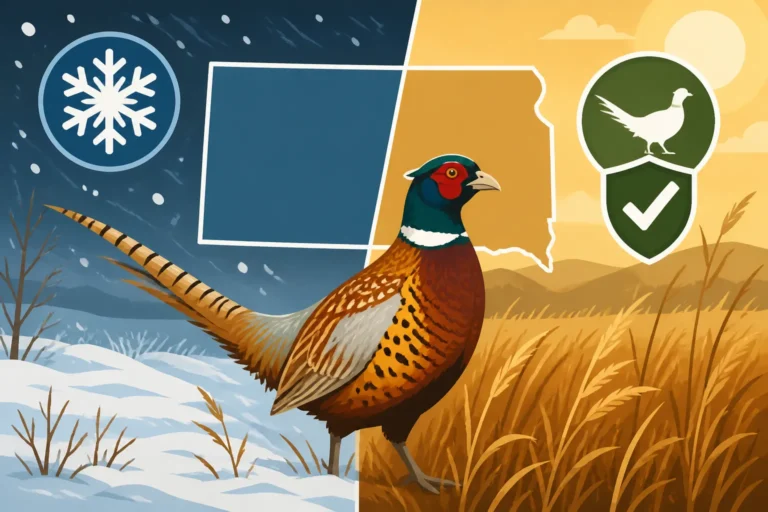
When the prairie wind howls and snow begins to pile up, pheasants' priorities shift dramatically from food abundance to sheer survival. This is where dense, robust winter cover becomes paramount, concentrating birds in often surprisingly small pockets. They need protection from blizzards, driving snow, and biting cold, and not just any vegetation will do. Thin, sparse grass, while excellent for nesting, offers little thermal protection against sub-zero temperatures and windchill.
Instead, look for cover that provides a solid overhead canopy and dense understory, trapping warmth and blocking wind. Towering cattail sloughs, thick stands of switchgrass or big bluestem, and mature, multi-row shelterbelts with coniferous trees are invaluable. These areas act as thermal refuges, allowing pheasants to conserve energy and weather even the harshest South Dakota winters. When winter hits hard, birds will literally pack into these havens. It's in these conditions, particularly during late-season hunting in South Dakota snow, that you'll find birds concentrated in numbers that seem almost unbelievable, making them a prime target for hunters who brave the cold.
Nesting and Brooding Habitat Requirements
The life cycle of a pheasant begins and largely depends on successful nesting and brooding, and this stage requires a very specific type of habitat. Hens need areas with dense, undisturbed herbaceous cover to lay their eggs, typically starting in late April or early May. This nesting cover needs to be relatively tall and thick enough to conceal the nest from aerial predators like hawks and ground predators like coyotes or skunks. Think of those sprawling acres of Conservation Reserve Program (CRP) land, native prairie, or even roadside ditches and field borders—these are critical nesting grounds.
Once the chicks hatch, usually in June, the habitat needs shift slightly. Brooding cover, while still dense, also needs to provide easy travel for tiny chicks, access to insect protein (vital for their rapid growth), and overhead cover from rain and sun. Areas with a mix of taller grasses and forbs (broadleaf plants) are ideal, as the varied vegetation supports a rich insect population and allows the chicks to move around without getting bogged down. Farmers leaving idle areas around pivot corners or along field edges can inadvertently create fantastic brooding cover. Understanding these needs helps predict where the next generation of pheasants will come from, and by extension, where future concentrations will be found. Without healthy nesting and brooding success, even the best winter cover won't hold many birds the following season.
Key Geographical Regions for Pheasant Concentrations
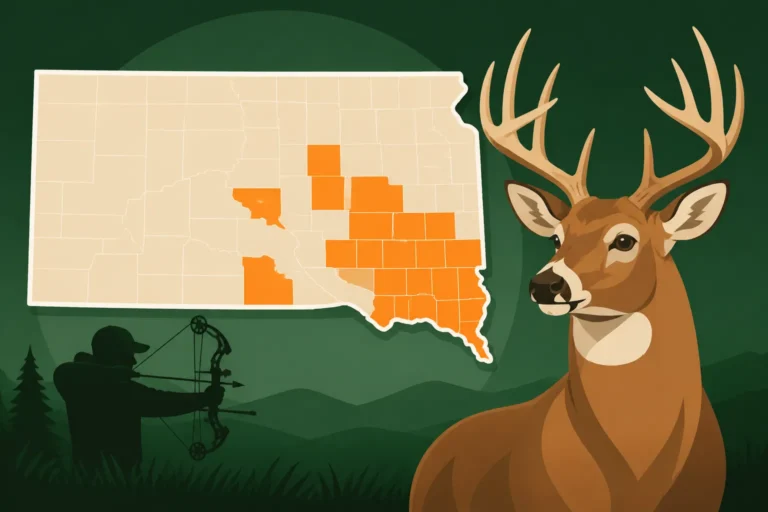
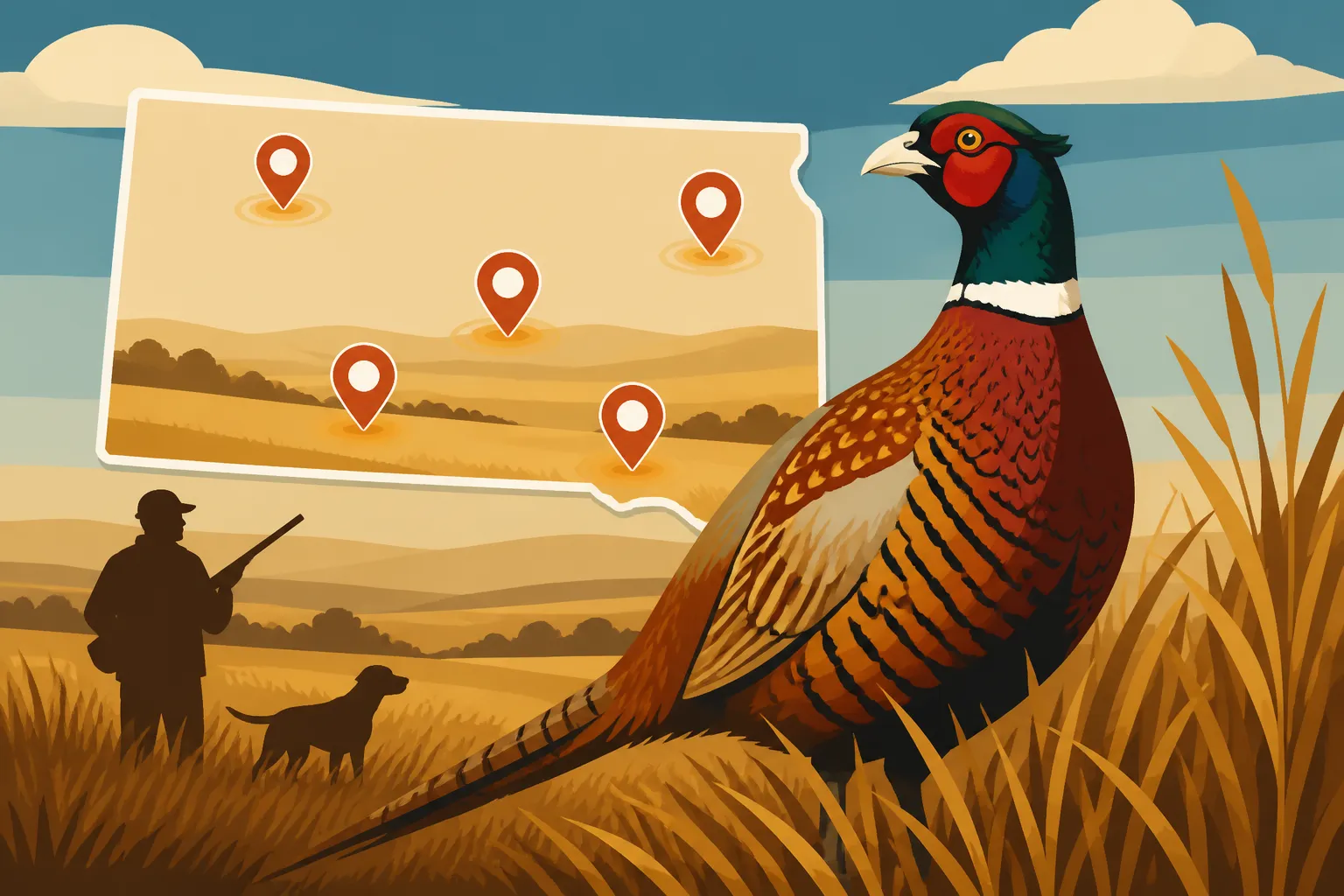
While pheasants are found across much of South Dakota, certain regions consistently hold higher concentrations due to a perfect storm of geography, agriculture, and land use practices. It's not just about looking at a map and finding green areas; it's about understanding the subtle ecological differences that make one county a pheasant mecca and another merely "okay." These regions have historically, and continue to be, the backbone of South Dakota's pheasant reputation, drawing hunters from all corners of the globe.
The Glacial Lakes Region: East River's Pothole Country
Heading to the northeastern part of South Dakota, you'll enter what's often referred to as the Glacial Lakes Region, or simply "pothole country." This area, left behind by receding glaciers, is characterized by a high density of wetlands—shallow depressions that collect water, forming countless small lakes, marshes, and sloughs. What makes this area exceptional for pheasants isn't just the water, but the incredibly rich mosaic of habitats it supports.
The uplands are typically a mix of agricultural fields (corn, soybeans, wheat) interspersed with expansive blocks of native prairie and Conservation Reserve Program (CRP) grasslands. Crucially, the edges of these potholes and sloughs are often lined with dense cattails, reeds, and other emergent vegetation, providing unparalleled winter cover, roosting sites, and escape routes. This intricate mix means pheasants rarely have to travel far to find food, water, and shelter, allowing for incredibly high densities. Counties like Day, Marshall, Roberts, and McPherson are legendary for their bird numbers. When you're Waterfowl Hunting the South Dakota Prairie, you're often in the heart of this same incredible pheasant country, illustrating the richness of its diverse ecosystems.
The James River Valley: Fertile Fields and River Bottoms
Moving west from the Glacial Lakes, you encounter the James River Valley, a broad, relatively flat expanse that stretches north to south through the heart of East River South Dakota. This region is a true agricultural powerhouse, dominated by large-scale farming operations. While the landscape might appear more uniform than pothole country, it possesses its own unique pheasant magnets. The James River itself, along with its numerous tributaries and drainage ditches, provides crucial linear cover corridors. These often feature tree rows, thickets of brush, and pockets of denser grasses that act as vital arteries for pheasant movement and cover in a sea of cropland.
Furthermore, within this intensively farmed landscape, you'll still find pockets of critical habitat. Old farmsteads with overgrown tree claims, neglected fencerows, small patches of CRP, and, significantly, the dense cover found in the river bottoms themselves are pheasant havens. The key here is to look for those breaks in the agricultural pattern—any un-farmed, brushy, or grassy parcel of land adjacent to a food source is worth investigating. The sheer scale of waste grain combined with these linear and patchy cover types allows for excellent pheasant numbers, particularly in counties like Spink, Brown, Beadle, and Sanborn. Hunters who learn to effectively navigate and hunt the available public and private land in these areas can find tremendous success.
West River Transition Zone: Where Prairie Meets Agriculture
While East River traditionally gets all the glory for pheasant hunting, the transition zone just west of the Missouri River offers a different, but equally compelling, pheasant experience. This region marks the shift from the intensively cultivated lands of the east to the vast, rolling prairies of West River. Here, you'll find a more broken landscape, with large blocks of native grass and rangeland interspersed with farming operations, particularly dryland farming where crops like winter wheat, sunflowers, and corn are grown.
The pheasant concentrations in this zone are often tied closely to these agricultural islands within the prairie sea. River and creek bottoms with their associated woody draws and dense cover become critical, acting as natural highways and shelters for birds. Look for areas where farming pushes right up against rangeland, creating ideal edge habitat. The rougher terrain, with its draws, coulees, and shelterbelts, provides excellent natural cover. While bird densities might not be as universally high as in the most prime East River counties, the birds tend to be tougher, wilder, and the hunting experience often feels more solitary. Counties like Gregory, Tripp, Lyman, and Brule can offer fantastic hunting, particularly where agricultural activity is consistently integrated with pockets of dense, undisturbed prairie and riparian cover. This unique blend can make for some incredible pheasant hunting, especially if you enjoy covering ground and Dogless Pheasant Hunting in South Dakota.
Habitat Features That Draw Pheasants in Numbers
It’s one thing to know which regions hold pheasants, but it’s another entirely to understand the specific habitat features that act as magnets within those regions. These aren't just random patches of greenery; they are carefully selected areas by the birds themselves, offering a combination of survival necessities. Learning to identify and prioritize these features when scouting will drastically increase your odds of finding concentrated pheasants, whether you're working public land or trying to secure private access. These are the places where pheasants feel safe, find food, and weather the storms.
Cattail Sloughs and Dense Wetlands
Without a doubt, cattail sloughs and other dense wetlands are arguably the most critical and consistent pheasant magnets in South Dakota, especially as the season progresses and winter approaches. These aren't just places with standing water; they are thick, often impenetrable jungles of vegetation that provide multi-faceted protection. The towering cattails create an incredible thermal barrier, shielding birds from bitter winds and trapping warmth, which is absolutely essential when temperatures plummet.
Beyond thermal cover, sloughs offer nearly impenetrable escape cover. A pushed rooster can dive into a thick cattail marsh and literally disappear, making him incredibly hard for a dog, let alone a hunter, to follow. This is why learning the art of Walking and Blocking South Dakota Cattail Sloughs is a quintessential South Dakota pheasant hunting tactic. These features are particularly vital in areas with less woody cover, becoming the primary sanctuary for birds. When you're scouting, pay close attention to the size, density, and connectivity of these sloughs to surrounding food sources. A large, complex cattail slough adjacent to a harvested cornfield is almost guaranteed to hold birds, particularly later in the day when they move from feeding areas to secure roosting cover. It’s also where late-season South Dakota pheasants in heavy cover make their stand.
CRP and Other Grassland Programs
The Conservation Reserve Program (CRP) has been a phenomenal boon for pheasant populations across South Dakota, and for good reason. These enrolled lands typically consist of native grasses and legumes, sometimes with a mix of introduced species, that are left undisturbed for years. This creates ideal nesting habitat in the spring, allowing hens to raise broods safely away from agricultural disturbance. The dense, tall grasses also provide excellent escape cover during the hunting season, giving pheasants plenty of places to hide.
However, not all CRP is created equal. The best CRP for holding high concentrations of pheasants is often diverse in its plant species, offering a mix of grass and forbs, and importantly, is located adjacent to food sources. Think of a large block of CRP that borders a cornfield or soybean stubble. Birds can feed in the fields during the morning and evening, then retreat into the security of the CRP during the middle of the day. As the season wears on, and particularly after snow, very tall, sturdy CRP stands (like switchgrass) can even offer some valuable thermal cover, though usually not as robust as dense cattails. Programs like CRP, CREP (Conservation Reserve Enhancement Program), and other state-specific initiatives are foundational to pheasant numbers, and savvy hunters use tools like the South Dakota Game, Fish and Parks Public Hunting Atlas or apps like GoHunt to pinpoint these crucial grassland blocks.
Shelterbelts and Tree Rows
Shelterbelts, often planted by farmers to protect crops and farmsteads from wind erosion, are linear oases of cover that can hold surprising numbers of pheasants. These multi-row plantings typically consist of a mix of deciduous trees (like cottonwood, ash, elm) and coniferous trees (like cedar, pine, spruce), creating a dense, multi-layered environment. The evergreen species, in particular, provide exceptional thermal cover in winter, blocking wind and accumulating insulating snow.
Pheasants use shelterbelts as travel corridors, roosting sites, and escape cover. They're especially attractive if they run along the edge of a harvested field or connect two larger blocks of cover, acting as a natural bridge. The ideal shelterbelt for pheasants isn't just a single row of trees; it's a wide, complex strip with thick undergrowth, brush piles, and perhaps even some plum thickets or other dense shrubs. These features make it incredibly difficult for predators to penetrate, providing a safe haven for birds. Learning how to effectively approach and hunt these linear strips, perhaps Working South Dakota Shelterbelts for Roosters, is a skill every South Dakota pheasant hunter should cultivate. Remember, the deeper and thicker the shelterbelt, the more likely it is to hold pheasants, especially when outside temperatures drop and birds seek any available protection.
Factors Influencing Seasonal Pheasant Movements and Concentrations
Pheasant behavior is anything but static; it shifts dramatically with the changing seasons, pressure from hunting, and weather patterns. A spot that was hot in October might be barren in December, and vice-versa. Understanding these seasonal movements and habitat preferences is key to consistently finding concentrations of birds, rather than just stumbling upon them by chance. It's about being in the right place at the right time, with the right tactics.
Early Season: Crops and Scattered Cover
The early pheasant season in South Dakota, typically kicking off in mid-October, often finds birds spread out across the landscape. Why? Because food is abundant, and cover, though not yet at its densest, is still plentiful enough for them to not need to concentrate heavily. Many crops, especially corn, are still standing or have only just been harvested, leaving plenty of waste grain for easy feeding. Pheasants will often be found in relatively light cover at this time—think grassy ditches, field edges, smaller CRP strips, and the perimeters of standing crop fields.
They haven't experienced significant hunting pressure yet, so they might not be as skittish or prone to running. This is a time when birds are often found in smaller, scattered groups. The challenge for hunters is covering enough ground to find these dispersed birds and effectively work the often vast fields. Tactics like South Dakota Pheasant Hunting Tactics for the Opener often involve hitting these lighter cover types, often near standing crops. However, as soon as the first wave of hunters hits, pheasants quickly learn to utilize denser cover, making adaptability crucial even early on.
Mid-Season: Pressure and Heavier Cover
As the pheasant season progresses into November, two major factors begin to influence bird concentrations: increased hunting pressure and declining temperatures. Birds that were once content to sit in lighter cover are now wise to the ways of hunters and dogs. They become more prone to running, flushing wild, and seeking out the thickest, nastiest cover available. This is when the true "pheasant factories" like dense cattail sloughs, robust shelterbelts, and extensive blocks of heavy CRP really start to shine.
The mid-season also sees more significant crop harvest, reducing available food sources and forcing birds to concentrate more around remaining feeding areas that are adjacent to prime cover. Temperatures start to drop, and while blizzards might not be an everyday occurrence, pheasants begin to prioritize thermal protection more heavily, especially for overnight roosting. Hunters need to adjust their tactics to focus on these heavier cover types, employing more strategic drives and utilizing good flushing dogs. The birds will run more, so anticipating escape routes and using blockers effectively becomes vital. Pointing Dogs Versus Flushers on Wild Birds becomes a more relevant discussion here, as flushers might be needed to root birds out of increasingly dense hideouts.
Late Season: Winter Roosts and Survival
By late December and into January, South Dakota's weather often turns truly brutal, characterized by bitter cold, deep snow, and howling winds. This is the period when pheasant concentrations become most pronounced and predictable. Survival is the absolute priority, and birds will pack into the very best thermal and escape cover they can find. Massive cattail sloughs, wide multi-row shelterbelts with significant evergreen components, and the densest stands of switchgrass or big bluestem become critical winter roosts.
Food becomes scarcer, and birds will often make short, calculated forays from their secure cover to feed in nearby stubble fields during brief lulls in the weather, quickly retreating to safety. This means that if you can locate these prime winter roosts, you've likely found a major pheasant concentration. Hunters willing to brave the cold and snow will often find incredible numbers of birds in these smaller, concentrated pockets of habitat. This is the epitome of Late-Season South Dakota Pheasants in Heavy Cover and it can be incredibly rewarding, provided you dress appropriately and are prepared to work hard in challenging conditions. The birds found in these late-season strongholds are often larger, tougher, and offer a true test of a hunter's skill and endurance.
Leveraging Tools and Scouting for Optimal Success
Knowing where pheasants should be is one thing; actually finding them is another. The vastness of the South Dakota landscape can be daunting, and simply driving around looking for birds is often an exercise in futility. Modern tools and strategic scouting, both before and during your hunt, are indispensable for pinpointing pheasant concentrations and maximizing your success. There's a method to the madness, and it starts long before you ever step foot in a field.
Utilizing Public Land Resources and Maps
South Dakota boasts an impressive amount of public hunting land, particularly through its Walk-In Area (WIA) program and Game Production Areas (GPAs). These lands are crucial for nonresident and resident hunters alike, offering access to prime habitat. The South Dakota Game, Fish and Parks (SDGFP) publishes an annual Public Hunting Atlas, available online and in print, which is your absolute first stop. This atlas highlights WIAs, GPAs, and other public access lands, often overlaying them on aerial imagery.
Beyond the atlas, advanced mapping applications like GoHunt or onX Hunt are game-changers. These platforms allow you to layer public land boundaries over satellite imagery, identify property owners (for seeking permission on private land), and mark potential hot spots from the comfort of your home. You can literally e-scout an entire county, identify promising habitat mixes (like CRP bordering a slough next to a cornfield), and save waypoints. This detailed digital reconnaissance is crucial for E-Scouting Walk-In Areas Before the Season and helps you formulate a precise plan, rather than wandering aimlessly. It allows you to prioritize areas that show the ideal habitat concentrations we've discussed.
Reading the Landscape for Prime Pheasant Habitat
Even with the best maps, nothing beats the ability to "read" the landscape with a hunter's eye. This skill develops with experience but can be accelerated by understanding what to look for. When you're driving down a gravel road, don't just see fields; see the subtle changes in vegetation. Is there a fenceline with thicker brush? Does a specific field corner have taller grass? Is that pond just water, or is it rimmed by dense cattails that extend for hundreds of yards?
Look for the interfaces where different habitat types meet – these "edge habitats" are often pheasant magnets. A row of trees where corn stubble meets a patch of CRP is a classic example. Also, pay attention to topography. Even subtle depressions can hold water and grow dense cover, offering shelter. Use your binoculars to scan distant fields for signs of life, or for changes in cover that might indicate a small slough or shelterbelt hidden from casual view. This on-the-ground assessment complements your e-scouting and helps confirm or adjust your plan. For instance, Reading Aerial Imagery for Cattail Cover from home can guide you, but seeing the density and water levels in person helps you decide if it's worth the hike.
The Role of Local Knowledge and Current Conditions
While maps and personal observation are powerful, integrating local knowledge and staying abreast of current conditions can provide an invaluable edge. Local hunters, farmers, and even folks at the local coffee shop might offer insights into areas that hold birds consistently, or alert you to recent changes in crop rotations or habitat conditions. Respectfully asking for permission on private land can sometimes open up access to incredibly productive, unpressured areas, and a friendly conversation might reveal a gem.
Furthermore, current conditions—especially weather—play a huge role in where pheasants will be. A sudden cold snap or heavy snowfall will push birds into the densest available thermal cover, often consolidating them into smaller areas. Conversely, a mild, sunny day might see them more spread out. Keep an eye on regional weather forecasts. Use online resources, local news, and even social media groups (with caution) to get a pulse on conditions. Websites like GoHunt might not have local gossip, but they do offer updated draw odds and information that can indirectly help you plan your season and target specific areas. Remember, pheasants are adaptive; the successful hunter is too. By combining thorough e-scouting, keen on-the-ground observation, and an openness to local intel, you'll dramatically improve your chances of consistently finding those desirable pheasant concentrations.
| Habitat Feature | Key Benefit for Pheasants | When Most Critical | Typical Pheasant Concentration | Scouting Tip |
|---|---|---|---|---|
| Cattail Sloughs | Thermal, escape, and roost cover | Mid to Late Season | High Density | Look for large, connected sloughs near food sources. |
| CRP/Grasslands | Nesting, brooding, escape cover | Early to Mid Season | Moderate to High Density | Focus on diverse stands adjacent to agricultural fields. |
| Shelterbelts/Tree Rows | Thermal, escape, and travel cover | Mid to Late Season | Moderate Density | Prioritize multi-row belts with evergreens and undergrowth. |
| Corn/Soybean Stubble | Primary food source | Early to Mid Season | Variable (feeding only) | Best when very close to dense cover. |
| River/Creek Bottoms | Corridors, dense brushy cover | All Season, especially winter | Moderate Density | Identify brushy draws and thickets along waterways. |
Disclaimer
Please remember that hunting regulations and land access can change. Always consult the most current South Dakota Game, Fish and Parks regulations before heading afield. While this guide provides comprehensive information, it is essential to prioritize safety, respect landowner rights, and practice ethical hunting at all times.