South Dakota Pheasant Population History
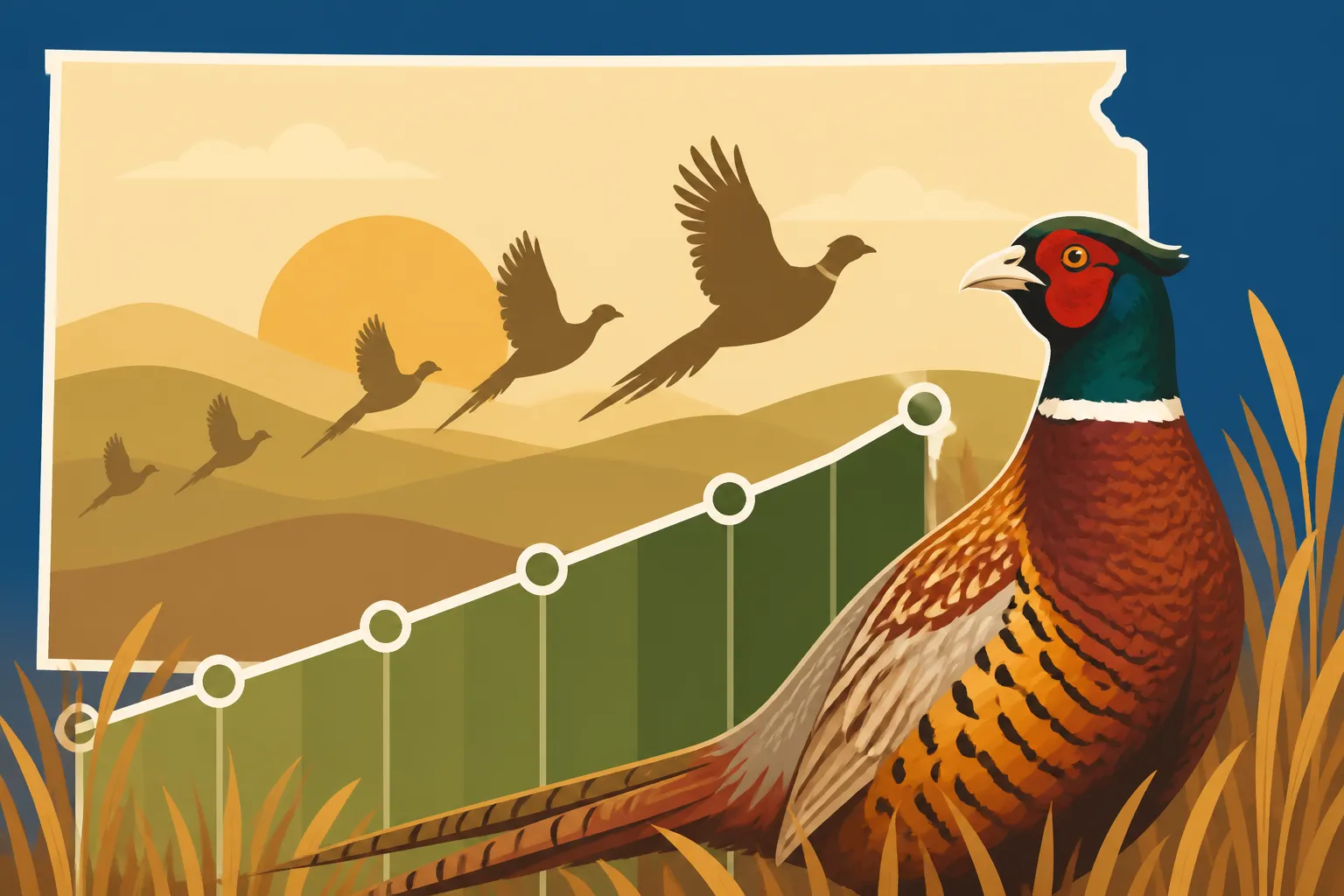
For many hunters, the mention of South Dakota immediately conjures images of vibrant ringneck pheasants exploding from cover. But understanding the history of these incredible birds in the state, their population fluctuations, and what drives those changes is critical for anyone planning a hunt. It's frustrating to hear conflicting reports or simply feel like the "good old days" are gone, leaving you wondering what to expect. This comprehensive guide will peel back the layers of South Dakota's pheasant population history, from their initial introduction to the factors that shaped their rise, fall, and current status, giving you a clearer picture of what makes the "Pheasant Capital of the World" tick.
The Ringneck's Grand Entrance: How Pheasants Arrived in South Dakota
The story of South Dakota pheasants is truly a saga of introduction, adaptation, and an almost unbelievable success story. Unlike many native game species, the ringneck pheasant isn't indigenous to the North American continent. They're an import, a gift from distant lands that found a perfect new home in the vast prairies and agricultural fields of South Dakota. Understanding their origins is key to grasping how they became such an integral part of the state's identity and economy.
Early Introductions and Initial Success
The very first attempts to introduce ringneck pheasants to the United States date back to the late 1700s, but it wasn't until the late 1800s and early 1900s that widespread, successful introductions began to take hold. For South Dakota, the popular narrative often credits Judge Owen Denny of Oregon with the first successful introduction in the Willamette Valley in 1881, from which birds eventually spread. However, the birds that truly established the massive South Dakota populations were largely introduced directly into the state starting around 1898-1903. These early attempts were often localized, with a handful of birds released by private citizens and enthusiastic sportsmen who saw the potential for this striking, fast-flying game bird. They envisioned a future where these colorful foreigners would thrive, providing both sport and a valuable food source.
These initial releases weren't always smooth sailing. There were trial and error, false starts, and areas where the birds simply didn't take. But the South Dakota landscape offered something uniquely suited to the ringneck: a mosaic of small grains, corn, grasslands, and wetlands that provided everything a pheasant needed—food, water, and crucially, protective cover from predators and harsh weather. It wasn't long before these hardy birds, originating from Asia, began to demonstrate their incredible adaptability, establishing breeding populations and starting to expand their range across the state. In many ways, the success was almost instantaneous once the right combination of birds and habitat converged. The populations exploded in the early part of the 20th century, leading to South Dakota's claim to fame. If you're curious about the specifics, you can delve into articles like When Pheasants Were Introduced to South Dakota.
The Role of Private Citizens and State Programs
While individual landowners and sportsmen deserve immense credit for those initial, passionate releases, the state quickly recognized the burgeoning potential of the pheasant. The South Dakota Department of Game, Fish and Parks (GFP) played a pivotal role in accelerating the ringneck's spread through organized stocking programs. They established game farms to raise pheasants for release, focusing on areas with suitable habitat where populations hadn't yet fully taken hold or needed a boost. This governmental support helped to solidify the pheasant's presence across the state, ensuring that the birds weren't just a localized phenomenon but a statewide resource.
Beyond direct stocking, state programs contributed by managing habitat and establishing regulations that allowed the population to grow sustainably. Early hunting seasons were carefully managed, sometimes starting with short seasons and low bag limits, to allow the birds to proliferate. The combination of private initiative and governmental oversight created a powerful synergy. The enthusiasm of the people, coupled with structured conservation efforts, paved the way for the pheasant to become the iconic game bird it is today. This historical foundation is a major reason Why South Dakota Is the Pheasant Capital in the eyes of many.
The Golden Age: Factors Fueling South Dakota's Pheasant Boom
Ask any seasoned hunter about South Dakota pheasants, and you'll likely hear tales of the "good old days"—those years when birds seemed to be everywhere, flushing in waves, and limiting out felt almost effortless. This wasn't just a figment of nostalgic memory; there was a genuine "golden age" for South Dakota's pheasant population, driven by a confluence of favorable habitat conditions and cooperative weather patterns that created an ideal environment for these prolific birds.
Habitat is King: CRP and Diverse Farming Practices
The single most significant factor contributing to the pheasant boom was, without a doubt, habitat. In the mid-to-late 20th century, particularly from the 1980s through the early 2000s, South Dakota's agricultural landscape offered an unparalleled bounty of pheasant-friendly cover. The federal Conservation Reserve Program (CRP) played an absolutely colossal role. CRP incentivized farmers to take highly erodible or environmentally sensitive cropland out of production and plant it with grasses and other native vegetation. These vast expanses of undisturbed, dense cover provided critical nesting habitat, brood-rearing cover, and winter thermal protection, all within close proximity to food sources. For a bird that relies on cover for every stage of its life cycle, CRP was a game-changer.
Beyond CRP, the general farming practices of the era were also more beneficial to pheasants. Less intensive farming, smaller field sizes, and a more diverse crop rotation created a patchwork quilt of habitat. Think about it: fields of corn, soybeans, and small grains, interspersed with hayfields, shelterbelts, and those glorious CRP acres. This variety provided reliable food throughout the year and crucial escape cover. Roadside ditches, often left unmowed for longer periods, also offered safe nesting areas. It was an ecosystem perfectly tailored to the pheasant's needs, creating a veritable paradise for wild birds to flourish. Hunters often relied on these diverse cover types, learning tactics like Working South Dakota Shelterbelts for Roosters or Hunting Food Plots and Corn Edges.
The Goldilocks Climate: Perfect Weather Patterns
Even the best habitat can be undermined by extreme weather, but during the pheasant's golden age, South Dakota seemed to experience a series of "Goldilocks" years—conditions that were "just right." Mild winters with manageable snow cover meant high hen survival rates, ensuring a robust breeding population for the spring. Pheasants are remarkably tough, but prolonged deep snow and extreme cold can lead to significant winter mortality, especially when food sources become inaccessible.
Following these mild winters, springs were often characterized by timely, moderate rainfall that promoted lush vegetation growth without being excessively wet or cold during the crucial nesting and brood-rearing periods. Early season storms or extended cold snaps can decimate young pheasant chicks, which are highly vulnerable in their first few weeks of life. When spring weather cooperates, nesting success is high, and chick survival thrives, leading to a strong hatch and a significant increase in the fall population. This consistent string of favorable weather, combined with abundant habitat, allowed the pheasant population to reach its zenith. Many still remember South Dakota's Peak Pheasant Population as a benchmark for what's possible.
The Shifting Landscape: Understanding Recent Population Declines
While the memories of the pheasant boom years are cherished, it's undeniable that South Dakota's pheasant population has seen significant fluctuations, and in some areas, noticeable declines from those historic highs. This shift isn't a simple story of one culprit, but rather a complex interplay of environmental changes, agricultural evolution, and natural pressures. Understanding these factors is vital for managing expectations and appreciating the ongoing conservation efforts.
Habitat Loss and Agricultural Intensification
The primary driver behind any significant pheasant population decline is, almost without exception, habitat loss. The same CRP acres that fueled the boom began to recede as federal programs changed, commodity prices rose, and farmers found it more economically viable to put land back into production. Acres that once provided dense, perennial cover were converted back to row crops, dramatically reducing available nesting, escape, and wintering habitat. When a pheasant hen has fewer safe places to nest, fewer chicks are born. When those chicks have less cover to hide from predators, fewer survive.
Furthermore, agricultural practices have become increasingly intensive. Larger equipment, fence-row-to-fence-row farming, and the widespread use of herbicides and pesticides have left less room for wildlife. Roadside ditches are often mowed earlier and more frequently, destroying nests. The diverse landscape of the past has, in many areas, given way to vast monocultures that offer limited benefit to pheasants, especially outside the growing season. This intensification means less food, less cover, and a fragmented landscape where pockets of birds become isolated and vulnerable. You can really see the impact when looking at articles like CRP Loss and South Dakota Bird Numbers, which details this trend.
Winter Severity, Drought, and Predation Pressures
While habitat is the foundation, weather acts as a powerful accelerator or decelerator of population trends. South Dakota has experienced periods of severe winters, particularly in recent decades. Blizzards with deep, crusted snow and prolonged periods of extreme cold can be devastating for pheasants, especially in areas with limited winter cover. Birds can starve if food sources are buried, or succumb to exposure, leading to significant hen mortality. This directly impacts the next year's breeding potential. Learning about Hard Winters and South Dakota Hen Survival highlights just how critical this factor is.
On the other end of the spectrum, prolonged droughts can also negatively impact populations. Dry conditions lead to less robust vegetation growth, reducing the quality of nesting and brood-rearing cover. It can also impact insect populations, which are a vital protein source for growing pheasant chicks. Fewer insects mean less nutritious food for young birds, making them more susceptible to disease and predation. Speaking of predation, while always a factor, when habitat is scarce, pheasants become more vulnerable to predators like coyotes, foxes, and raptors. Without ample escape cover, a bird's chances of evading a hungry predator decrease significantly. These environmental stressors, combined with habitat changes, have collectively contributed to the challenge of maintaining high pheasant numbers. This is where tools like GoHunt's mapping features can sometimes help hunters identify areas that might still hold good cover despite overall trends, by analyzing satellite imagery and public land layers.
Tracking the Unseen: The Evolution of Pheasant Population Monitoring
One of the ongoing challenges for hunters and wildlife managers alike is accurately assessing pheasant populations. Unlike large game animals where aerial surveys or harvest data might provide clear numbers, pheasants are small, secretive, and incredibly difficult to count directly. This has led to evolving strategies for population monitoring in South Dakota, each with its own strengths and limitations, and a shift away from methods that once seemed indispensable.
The Legacy of the Brood Survey and Its Retirement
For decades, the cornerstone of South Dakota's pheasant population assessment was the annual roadside brood survey. Conducted every summer, typically in late July and early August, GFP biologists and staff would drive predetermined routes, counting pheasants seen along roadsides, specifically differentiating between adult hens and their broods. This data was then used to calculate parameters like the average number of birds per mile, the average brood size, and the hen-to-chick ratio. These numbers provided a crucial index of nesting success and overall reproductive output for the year, giving hunters an idea of what to expect for the upcoming season. It became a highly anticipated report, eagerly awaited by hunters near and far.
However, over time, the effectiveness and reliability of the brood survey came into question. Variables such as roadside vegetation height, time of day, weather conditions during the survey, and even changes in farming practices that impacted pheasant visibility along roadsides, all complicated consistent data collection. The methodology, while valuable for a long period, struggled to capture the full picture amidst changing landscapes and bird behaviors. Ultimately, the GFP made the difficult decision to discontinue the traditional roadside brood survey, moving towards more comprehensive, albeit less publicly digestible, data collection methods. This decision led to much discussion, and articles like Why the Brood Count Was Discontinued explain the rationale in detail.
Modern Approaches to Estimating Bird Numbers
With the retirement of the traditional brood survey, South Dakota GFP has transitioned to a more multifaceted approach to estimating pheasant populations. This involves leveraging a combination of data sources to build a more robust, albeit less direct, picture of pheasant numbers. One key component is harvest data. Every year, hunters are required to report their pheasant harvest, and this data—including the number of birds taken, hunting effort, and hunter success rates—provides valuable insight into the overall population and accessibility of birds. If hunter effort goes up but success rates decline, it's a strong indicator of fewer birds.
Another critical piece of the puzzle comes from winter counts and pheasant counts at various state-managed lands. While not comprehensive statewide surveys, these localized counts on Game Production Areas (GPAs) and Walk-In Areas (WIAs) can offer insights into overwinter survival and local densities. Additionally, habitat monitoring plays a crucial role. By tracking the acreage and quality of habitat programs like CRP and other conservation easements, wildlife managers can infer potential carrying capacity for pheasants across different regions. Advanced techniques using aerial imagery and spatial analysis, much like how a mapping tool such as GoHunt might leverage satellite data, can help assess habitat quality on a broader scale. This blend of direct and indirect metrics aims to provide a more accurate, if less precisely numbered, understanding of the state's pheasant population trends.
Here's a quick look at how monitoring methods have evolved:
| Method | Period Used | Primary Goal | Advantages | Disadvantages |
|---|---|---|---|---|
| Roadside Brood Survey | Early 1900s – Early 2020s | Estimate annual reproductive success & fall population | Direct counts of broods, easy to understand | Susceptible to weather, roadside cover, visibility biases |
| Hunter Harvest Data | Continual | Gauge hunter success, effort, and population trends | Reflects actual hunter experience, statewide coverage | Relies on accurate reporting, influenced by hunter numbers |
| Habitat Monitoring | Continual, increased emphasis now | Assess carrying capacity & potential for birds | Identifies core population drivers, long-term trends | Doesn't directly count birds, inferences needed |
| Winter Counts/Local Surveys | Continual | Estimate overwinter survival & local densities | Provides specific localized data | Not representative of statewide population |
| Satellite/Aerial Imagery | Emerging | Identify and quantify habitat features at scale | Objective, covers vast areas, identifies changes over time | Requires sophisticated analysis, doesn't directly count birds |
Looking Ahead: The Future of South Dakota's Pheasant Legacy
The future of South Dakota's pheasant hunting is a topic of constant discussion, speculation, and passionate advocacy. While the days of limitless birds may be a thing of the past in some regions, the state remains a premier destination for pheasant hunters. The ongoing health of the pheasant population hinges on a delicate balance between human activities and natural processes, requiring continuous conservation effort and adaptive management strategies.
Conservation Efforts and Hunter Contributions
Recognizing the undeniable link between habitat and pheasants, South Dakota GFP, along with various conservation organizations, is deeply committed to habitat creation and preservation. Programs designed to incentivize landowners to establish perennial cover, plant food plots, and improve nesting habitat are absolutely critical. Organizations like Pheasants Forever and Ducks Unlimited work tirelessly with private landowners and state agencies to implement these habitat projects, often focusing on key pheasant strongholds. These efforts aren't just about pheasants; they benefit a myriad of other wildlife species that rely on healthy grassland and wetland ecosystems.
Hunters, in fact, are the financial backbone of these conservation efforts. Through the purchase of hunting licenses, habitat stamps, and federal excise taxes on firearms and ammunition (Pittman-Robertson Act), hunters directly fund wildlife research, habitat acquisition, and management programs. Every time you purchase your South Dakota Nonresident Small Game Licence Price or a South Dakota Habitat Stamp Requirements, you're contributing directly to the health of the very resource you enjoy. Furthermore, hunters often volunteer their time for habitat projects, demonstrating a deep commitment to ensuring the pheasant legacy continues for future generations. Engaging with resources like GoHunt can also connect hunters with data and insights that help them make informed decisions about where to hunt and how to support conservation through their choices.
Managing Expectations in a Changing Environment
For hunters, particularly those who remember the absolute peak years, it’s important to manage expectations realistically. While South Dakota will always be a pheasant hunting mecca, the landscape has changed, and bird numbers fluctuate annually based on weather, habitat, and other factors. Instead of expecting historical highs every year, it's more productive to focus on understanding current conditions and adapting hunting strategies. This might involve Scouting South Dakota Public Ground Before the Season more thoroughly, using mapping tools to pinpoint quality cover, or being more strategic about where and when you hunt.
The South Dakota GFP regularly releases updated information on hunting prospects, habitat conditions, and regional outlooks. Paying attention to these reports, rather than relying solely on anecdotal evidence, can help hunters plan more successful and enjoyable trips. The challenge now isn't necessarily about finding birds at all, but about finding pockets of high-quality habitat that still hold strong numbers, even if the overall statewide average isn't what it once was. The ringneck pheasant is a resilient bird, and with continued dedication to habitat, sound management, and the unwavering support of hunters, its future in South Dakota, while dynamic, remains bright. Just remember that the experience of being out in the field, the flush of a rooster, and the camaraderie of the hunt are often as rewarding as the daily limit itself.
Disclaimer
The information provided in this guide is for general informational purposes only and is not intended as legal advice or a substitute for official regulations. Hunting laws and regulations in South Dakota can change frequently. Always consult the most current South Dakota Game, Fish and Parks official hunting handbooks, regulations, and licensing requirements before planning or engaging in any hunting activity. Ensure you are aware of all local, state, and federal laws.