South Dakota Deer Tag Transfer Rules
It's a common, heartbreaking scenario: you've drawn that coveted South Dakota deer tag, planned your hunt, maybe even coordinated with friends, and then life throws a curveball. A family emergency, an unexpected work commitment, or even a sudden illness can derail your meticulously laid plans. The immediate question that pops into most hunters' minds is, "Can I just transfer my tag to someone else?" It seems like a logical, fair solution, right? This guide is going to get down to the nitty-gritty of South Dakota’s deer tag transfer rules, explaining why the common sense approach often isn't the legal one and what your real options are when circumstances change.
Understanding South Dakota's Strict Non-Transfer Policy for Deer Tags
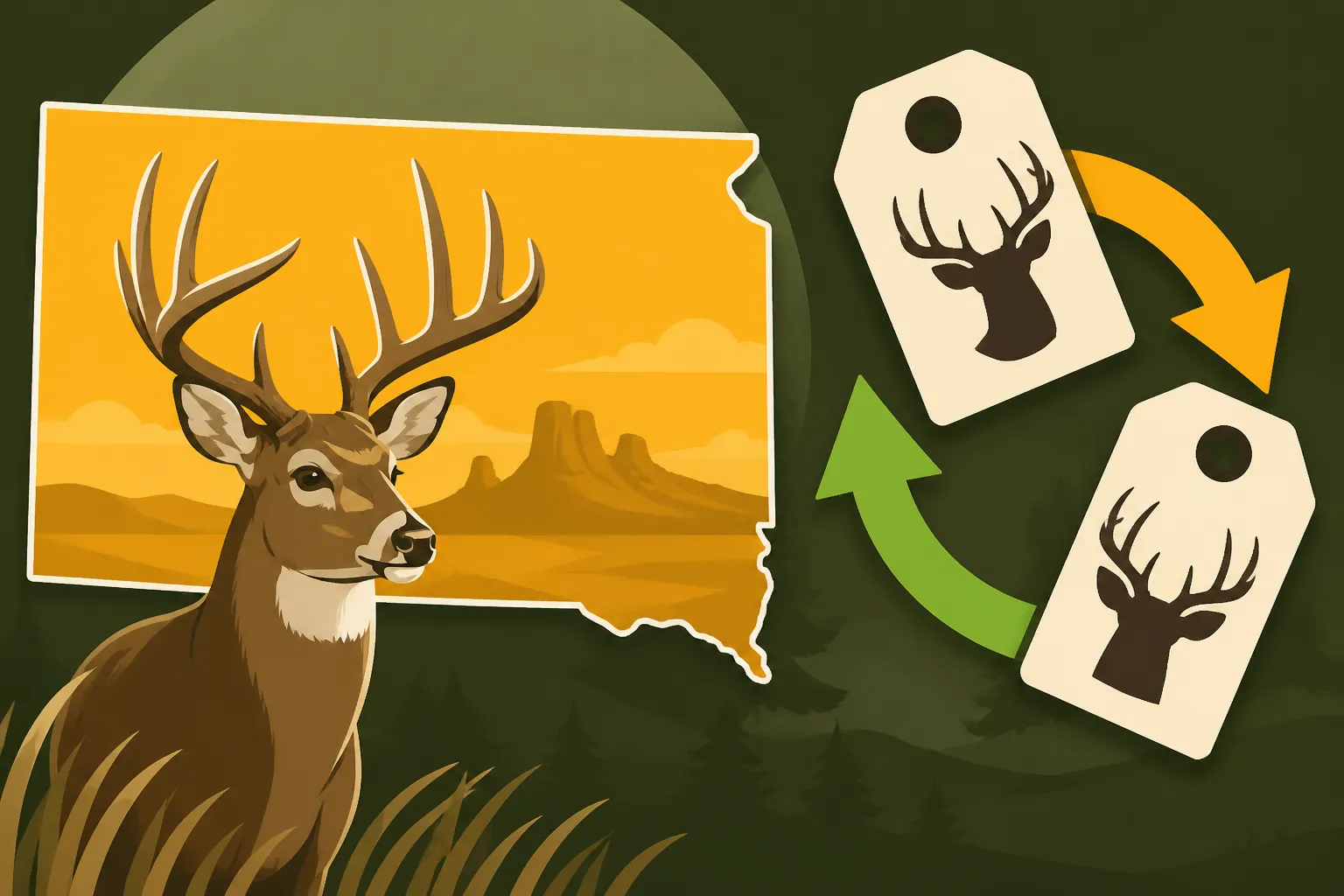
Let's cut right to the chase: South Dakota deer tags, and most hunting licenses for that matter, are strictly non-transferable. This means the tag you draw or purchase is issued specifically to you, the individual hunter, and cannot be legally given, sold, or otherwise transferred to another person. It doesn't matter if it's your best friend, your spouse, or your child – that tag is tied directly to your name and your hunter ID.
The South Dakota Game, Fish and Parks (GFP) has this rule in place for several very good reasons, all centered around fair chase, wildlife management, and preventing the commercialization of hunting opportunities. Imagine if tags could be freely bought and sold; it could quickly lead to a black market where wealthier individuals could hoard tags, or tags for prime areas could fetch exorbitant prices, pushing out average hunters. Furthermore, it complicates wildlife management efforts. Each tag is allocated based on scientific data about herd health, population objectives, and hunter demand. If tags could be transferred, it would become incredibly difficult for GFP to accurately track harvest, manage pressure in specific units, and ensure tags are going to legitimate applicants who followed the proper draw processes. It's about maintaining integrity in the system and ensuring that every hunter plays by the same rules, giving everyone a fair shot at drawing a tag.
Common Scenarios and the Reality of Unused Tags
Life is unpredictable, and it’s completely understandable why hunters often wish they could transfer a tag. These situations are tough, and it feels like a waste to let a hard-won tag go unused.
When Plans Change: Sickness, Scheduling Conflicts, and More
Picture this: you and your buddies apply for West River Mule Deer Hunting in South Dakota, putting in for the same unit, hoping to draw together. Miraculously, you all get tags! Then, a week before the season opener, your friend Mark breaks his leg or gets called overseas for an urgent work project. He’s devastated, and you're left with a tag he can't use. Your first thought might be, "Can I just give his tag to my cousin who didn't draw?" The answer, unequivocally, is no. Mark's tag is his and his alone. Even if it goes unused, it cannot be legally transferred to your cousin.
This scenario plays out constantly, leading to frustration. Hunters invest time, effort, and money into the application process, sometimes accumulating South Dakota Preference Points Explained for years, only to have circumstances dictate they can't hunt. It's a bummer, no doubt, but the rule stands firm. Trying to bend it puts both hunters at risk of serious penalties.
Youth Hunters and Mentored Opportunities
Another area of frequent confusion revolves around youth hunters. South Dakota offers fantastic opportunities for young hunters, including a dedicated South Dakota Youth Deer Season. Sometimes, a parent or mentor might consider using a youth's tag if the child loses interest, or they might think they can "transfer" a portion of the opportunity to an adult. Again, this is not permitted. A tag issued to a youth remains that youth's tag.
However, South Dakota does have provisions for South Dakota Apprentice Hunting Rules and mentored youth hunts, where an unlicensed apprentice hunter can hunt under the direct supervision of a licensed adult. This allows new hunters, especially youth, to experience hunting before completing a hunter education course and purchasing their own license. It's a great way to introduce them to the sport, but it's crucial to understand that the youth is still the primary hunter in this scenario, and the adult is simply supervising; the adult isn't "using" the youth's tag themselves. When researching these specific regulations, resources like GoHunt can be really helpful in breaking down the nuances of youth hunting opportunities and ensuring you’re compliant with all GFP guidelines. Always double-check the latest regulations to understand who can legally fill a tag.
What Happens to Unused Tags and Your Options
So, if you can't transfer your tag, what can you do if you simply can't make your hunt?
No Refunds, No Exchanges, No Transfers
For the vast majority of South Dakota deer tags, especially those obtained through the main draw periods, there's no mechanism for a refund, exchange, or transfer if you don't use it. Once the tag is issued and your plans change, that license will simply go unused. It's a tough pill to swallow, especially when you consider the time and anticipation that goes into drawing a tag for South Dakota Deer Licence Types by Region. The GFP doesn't typically offer a credit for future applications or a monetary refund if you cannot participate. This reinforces the importance of being reasonably certain you can hunt when you apply for a tag, given the competitive nature of some draws.
Leftover Licenses: A Different Opportunity
It's important not to confuse "transfer rules" with "leftover license sales." South Dakota often has South Dakota Leftover Licence Sales for specific deer units or license types after the main draw periods and subsequent re-draws are completed. These leftover licenses are available on a first-come, first-served basis, and any eligible hunter can purchase them if they're still available.
This is not a transfer of an existing hunter's tag. Rather, these are tags that were never claimed or allocated in the initial draw phases, or perhaps they are antlerless tags that have less demand. If you missed out on the draw or want a second opportunity, keeping an eye on these leftover sales is a smart move. Websites like GoHunt often provide up-to-date information on when and where these leftover tags become available, which can be a valuable tool for hunters looking to capitalize on additional opportunities. It's a separate purchasing event, open to anyone eligible, and distinct from anyone trying to pass off their personal tag.
The Serious Consequences of Attempting an Illegal Tag Transfer
Trying to bypass the non-transfer rule can lead to significant and long-lasting problems. Wildlife violations are taken very seriously in South Dakota, and ignorance of the law is rarely an acceptable defense.
If a conservation officer discovers that you've used a tag issued to someone else, or attempted to transfer your tag to another individual, both parties could face severe penalties. These can include:
- Substantial Fines: Wildlife violations often carry hefty financial penalties, sometimes hundreds or even thousands of dollars, depending on the specifics of the offense.
- Loss of Hunting Privileges: This is often the most painful consequence for dedicated hunters. You could lose your hunting privileges in South Dakota for a period of years. Because of the Interstate Wildlife Violator Compact, this suspension could also extend to other member states, meaning you might be barred from hunting across a large portion of the country.
- Forfeiture of Game and Equipment: Any animal harvested illegally, along with potentially your firearm or other hunting equipment used in the commission of the offense, could be confiscated.
- Criminal Record: Depending on the severity of the violation, it could result in a misdemeanor or even felony charge, leaving you with a criminal record.
- Reputational Damage: Being cited for a wildlife violation can damage your standing in the hunting community and reflect poorly on the sport as a whole.
It’s simply not worth the risk. The South Dakota GFP has enforcement measures in place, and conservation officers are well-versed in identifying suspicious activities. For more details on specific violations, you can look into topics like South Dakota Wildlife Violation Penalties.
Here's a quick look at actions related to deer tags:
| Action | Legality in South Dakota | Consequences of Illegal Action |
|---|---|---|
| Transferring your issued deer tag to another person | Illegal | Fines, license revocation, potential criminal charges, game/equipment forfeiture |
| Using a deer tag issued to another person | Illegal | Fines, license revocation, potential criminal charges, game/equipment forfeiture |
| Selling your issued deer tag | Illegal | Fines, license revocation, potential criminal charges, game/equipment forfeiture |
| Applying for and purchasing a leftover tag | Legal | (Assuming you are eligible and follow proper purchase procedure) |
| Mentoring a youth hunter with their tag | Legal | (Assuming you follow all rules for mentor/apprentice hunting) |
Proactive Planning to Avoid Transfer Headaches
Since tag transfers aren't an option, the best strategy is to plan carefully and understand the system before you apply.
Diligent Application Strategies
The key to avoiding the dilemma of an unused, non-transferable tag is to be as certain as possible about your availability before the South Dakota Deer Application Deadline. If you're planning a group hunt, ensure everyone in your party understands the commitment. Sometimes, applying individually rather than as a group, if that's an option, might offer more flexibility if one person's plans change.
Before applying, take the time to research the units and draw odds. Tools like GoHunt provide invaluable data on previous draw statistics, success rates, and unit information. This kind of research can help you make an informed decision about where and when to apply, potentially helping you choose units with better odds or those that align better with your group's availability. Understanding the process of South Dakota Big Game Draws and How to Apply is paramount to making smart choices from the outset.
Understanding Draw Systems and License Types
South Dakota's draw system can be complex, especially for non-residents. Familiarize yourself with How the South Dakota Draw System Works, the different South Dakota Deer Licence Types by Region, and how specific tags are allocated. For instance, some tags might be for "any deer," while others are restricted to "antlerless deer." Knowing the specifics of the tag you're applying for, and the likelihood of drawing it, can help you manage expectations and plan accordingly.
If you're considering a guided experience, remember that outfitters don't "transfer" tags either. They often assist hunters with the application process or hunt on land that qualifies for South Dakota Owner-Operator Deer Tags, but the permit remains in the individual hunter's name. Always confirm details when Booking a South Dakota Deer or Antelope Hunt to understand how the outfitter manages licensing and what responsibilities fall on you as the hunter.
Ultimately, proactive planning, thorough research, and a clear understanding of South Dakota's hunting regulations are your best defense against the frustrations of a non-transferable deer tag.
Disclaimer
The information provided in this guide is for general informational purposes only and does not constitute legal advice. Hunting regulations, laws, and policies in South Dakota are subject to change. It is the responsibility of every hunter to consult the official South Dakota Game, Fish and Parks (GFP) regulations and statutes annually to ensure compliance with all current rules and requirements. Always refer to the most recent South Dakota Hunting and Trapping Handbook for definitive information.