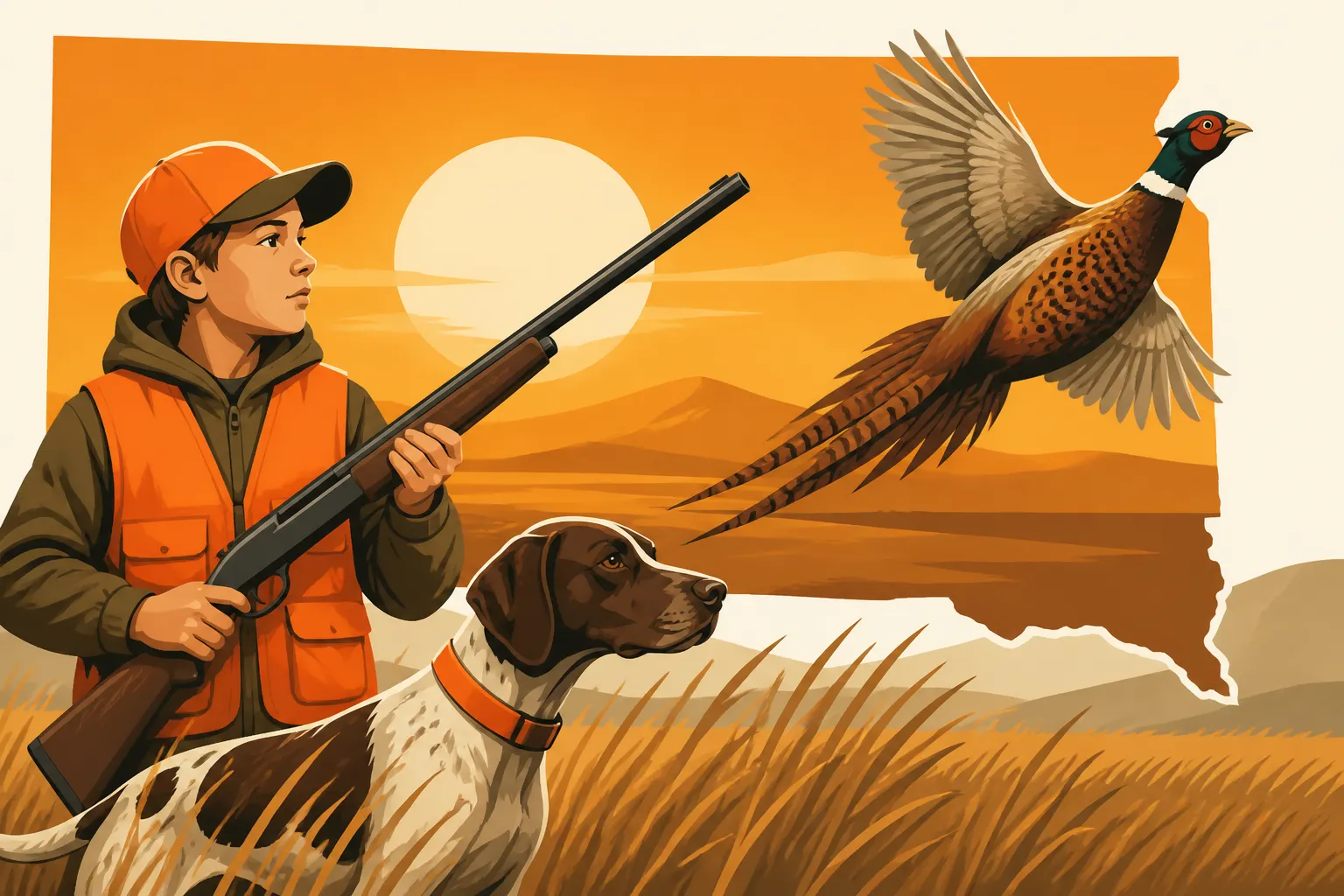
South Dakota Youth Pheasant Season
Hunting with kids can sometimes feel like an uphill battle, especially when you're trying to navigate complex regulations and ensure they have a genuinely positive experience. It's easy to get lost in the details of licenses, dates, and areas, making what should be a joyful family tradition feel like a chore. This guide is here to untangle the specifics of the South Dakota Youth Pheasant Season, offering clear, detailed insights into its purpose, rules, and how you can create lasting memories while teaching invaluable outdoor skills.
Understanding the South Dakota Youth Pheasant Season
The South Dakota Youth Pheasant Season is a fantastic initiative designed to give young hunters a dedicated, less pressured opportunity to experience pheasant hunting before the general season opens. It's a chance to build confidence, practice skills, and truly connect with the outdoors, often under milder weather conditions. This special season removes some of the competitive edge found during the busier general opener, allowing for a more focused and educational experience.
Understanding the Season Dates and Structure
Typically, the South Dakota Youth Pheasant Season kicks off a week or so before the main statewide pheasant opener. For instance, in recent years, if the general opener was the third Saturday in October, the youth season might begin the weekend prior. This timing is crucial because it means fewer hunters in the field, less overall pressure on the birds, and often, more predictable weather. Imagine walking through a pristine field, crisp autumn air, with your young hunter, not having to worry about bumping into multiple other groups every hour. It creates a much calmer, more conducive environment for learning and enjoyment. These dates are set by the South Dakota Game, Fish and Parks (GFP) Commission and are consistent statewide, so you don't have to worry about different zones. It's one of the best ways to introduce a new generation to South Dakota Ring-Necked Pheasants.
The season usually spans a full weekend, sometimes extending into Monday, offering flexibility for families. It’s important to double-check the exact dates each year on the official GFP website or through resources like GoHunt, as they can shift slightly. This dedicated window ensures that the focus remains squarely on the youth, providing a valuable head start to the state's most iconic hunting activity. It’s not just about harvesting birds; it's about the entire experience of being in the field, from scouting to walking, to the thrill of a flush.
Eligibility Requirements for Young Hunters
To participate in the South Dakota Youth Pheasant Season, there are specific age criteria that need to be met. Generally, hunters must be under the age of 18 on the opening day of the season. This means that if a young hunter turns 18 during the season, they are still eligible to participate in the youth hunt. The age requirement is a critical component to ensure the program targets its intended audience: the next generation of outdoor enthusiasts. This isn't just a casual guideline; it's a legal requirement designed to maintain the integrity and purpose of the youth hunt.
Beyond age, participants must also possess the necessary hunting licenses and stamps. This typically includes a youth hunting license, a small game license, and a habitat stamp, although specific requirements can vary by resident status and year. It’s always best to check the current year’s regulations carefully. For non-residents, there might be specific youth small game licenses or combinations available that cover this period. The GFP website is your ultimate authority on current licensing, or tools like GoHunt can often consolidate this information for easy access. Remember, ensuring all paperwork is in order before heading out is not just good practice, it’s a legal necessity to avoid any unfortunate issues in the field.
The Core Purpose Behind the Youth Hunt
The establishment of a dedicated youth pheasant season by the South Dakota Game, Fish and Parks Department wasn't an arbitrary decision; it's a strategic move rooted in conservation and hunter recruitment. The primary goal is to provide a less competitive, more enjoyable entry point for young people into the hunting tradition. In a world increasingly dominated by screens and indoor activities, getting kids outdoors and engaged with nature is more important than ever. This season acts as a bridge, making that initial experience positive and memorable.
One of the key benefits is the reduced pressure. On the general opener, fields can be crowded, birds can be skittish, and the pace can be intense. For a novice hunter, this can be overwhelming and even discouraging. The youth season offers a gentler introduction, allowing young hunters to learn gun safety, dog work, and field etiquette without feeling rushed or intimidated. It's about nurturing an appreciation for wildlife and the outdoors, ensuring that the hunting heritage continues to thrive in South Dakota for generations to come. It’s a crucial component in ensuring a future for South Dakota Pheasant Season and Licences.
Why a Dedicated Youth Season Matters
The value of the South Dakota Youth Pheasant Season extends far beyond just bagging a few birds. It’s an investment in the future of hunting, a hands-on classroom for life skills, and a prime opportunity for families to bond in meaningful ways. In an age where outdoor pursuits sometimes struggle to compete with digital distractions, these dedicated youth opportunities are more vital than ever.
Fostering a Lifelong Love for Hunting
For many young people, their first hunting experience can define their perception of the sport for years to come. A crowded, frustrating, or intimidating initial outing can quickly turn them off. The youth pheasant season is specifically designed to prevent this by minimizing common stressors. Imagine a young hunter, maybe their first time out, experiencing several flushes and perhaps even harvesting their first pheasant. This success, coupled with the focused attention of a mentor, creates a powerful, positive memory. It’s these early successes and positive associations that plant the seeds for a lifelong passion. It transforms hunting from a theoretical activity into a tangible, exciting, and rewarding adventure.
This early, positive exposure helps instill an understanding of why hunting is important – not just for sport, but for conservation, wildlife management, and the ethical sourcing of food. When a child learns to appreciate the challenge, the beauty of the landscape, and the respect for the animal, they're more likely to become responsible, ethical hunters themselves. It's about cultivating a deep connection to the land and its resources, an appreciation that will carry far beyond the pheasant fields.
Learning Opportunities and Skill Building
The youth season provides an unparalleled learning environment. Without the intense pressure of the general opener, mentors can take their time to teach fundamental hunting skills in a low-stress setting. This includes everything from proper gun handling and shooting mechanics to understanding bird behavior and working with hunting dogs. For instance, a mentor can patiently explain Safe Gun Handling on a Bird Drive, demonstrating proper muzzle control and trigger discipline without the urgency of a fast-paced hunt. It’s about building a strong foundation.
Beyond the technical skills, young hunters also learn crucial life lessons. They develop patience, perseverance, and problem-solving abilities as they navigate fields and track birds. They learn about teamwork, whether it's coordinating with other hunters or interacting with dogs. They also get a real-world lesson in conservation, understanding how habitat management directly impacts wildlife populations. These are not just hunting skills; they are character-building experiences that contribute to a well-rounded individual. It's a hands-on education that classroom walls simply cannot replicate.
Conservation and Future Hunter Recruitment
The South Dakota Youth Pheasant Season is a direct and effective tool for conservation and ensuring the future of hunting in the state. Every hunting license and habitat stamp purchased by a young hunter, or on their behalf, contributes directly to funding wildlife management programs, habitat restoration, and land acquisition initiatives. This financial support is the backbone of conservation efforts across South Dakota.
Furthermore, hunter recruitment is critical for the long-term health of wildlife populations. When hunter numbers decline, so does the political and financial support for conservation. By providing an accessible and enjoyable entry point, the youth season helps create new generations of hunters who will advocate for wildlife and contribute to conservation funding. It ensures that the knowledge, ethics, and traditions of hunting are passed down, securing a future for game species like pheasants and the habitats they depend on. It’s a proactive step to combat declining hunter participation and reinforce the vital link between hunting and conservation.
Licensing and Regulations for Young Hunters
Navigating the licensing and regulatory landscape for youth hunting can sometimes feel like a maze, but it's essential for a legal and ethical hunt. South Dakota's Game, Fish and Parks Department has specific rules in place to ensure safety, promote ethical hunting, and manage wildlife populations effectively. Understanding these nuances before you even pack your shotgun is paramount.
Required Licenses and Stamps
For any young hunter participating in the South Dakota Youth Pheasant Season, there are a few key pieces of paperwork that must be in order. First and foremost, a Youth Hunting License is typically required. This is often a reduced-cost license, acknowledging the educational purpose of the hunt. Additionally, a Small Game License is usually necessary, as pheasants fall under this category. Don't forget the Habitat Stamp! This stamp is a vital piece of the puzzle, as its sales directly fund habitat improvement projects across the state, benefiting pheasants and many other species.
For non-residents, the process is similar but may involve specific nonresident youth small game licenses or combination packages that cover the pheasant season. It's crucial to purchase these well in advance of the season. The GFP website is the authoritative source for the exact pricing and types of licenses needed for the current year. Using resources like GoHunt can help you quickly find links to the GFP licensing portal and ensure you haven't overlooked any requirements. Missing a single stamp or license, no matter how minor it seems, can lead to fines and spoil an otherwise perfect hunting trip.
Adult Supervision Rules and Responsibilities
South Dakota takes the safety and mentorship of young hunters very seriously, which is reflected in its adult supervision rules. Any hunter under the age of 16 must be accompanied by an adult 18 years of age or older. This isn't just about having an adult present; it's about active supervision. The accompanying adult must be legally capable of hunting in South Dakota and must be in immediate physical control and close proximity to the young hunter, able to provide direct instruction and intervention if needed. This means they can't be off hunting in a separate field or sitting in the truck.
The adult's responsibilities extend beyond just physical presence. They are responsible for ensuring the youth hunter understands and adheres to all hunting laws, including bag limits, shooting hours, and ethical considerations. They serve as a mentor, guiding the young hunter through scenarios, reinforcing Blaze Orange Rules on a Bird Hunt, and teaching proper field etiquette. This adult supervision is foundational to creating a safe and educational experience, passing on not just hunting techniques but also a deep respect for the resource and the law.
Daily Bag and Possession Limits
Even during the youth pheasant season, daily bag and possession limits are strictly enforced. These limits are in place to ensure sustainable harvesting and to manage the pheasant population effectively. While the general pheasant season has a daily bag limit, the youth season often mirrors these regulations to teach consistency and responsible harvesting from the outset. Typically, this means a daily limit of three roosters and a possession limit that is three times the daily limit after the first day of hunting.
It's absolutely critical that both the youth hunter and the supervising adult understand these limits before the hunt begins. Over-harvesting, even unintentionally, can lead to serious legal repercussions. This also ties into the ethical lessons taught during the hunt: taking only what is allowed and what you will use. It's an opportunity to discuss the concept of fair chase and responsible resource management. Keeping track of birds harvested is an important part of the hunting experience and teaches accountability.
South Dakota Youth Pheasant Season Key Regulations Overview
| Regulation Aspect | Typical Requirement | Important Note |
|---|---|---|
| Eligibility Age | Under 18 on opening day of the season. | Check current year's GFP regulations for exact cut-off. |
| Required Licenses | Youth Hunting License, Small Game License, Habitat Stamp. | Non-residents may need specific combo licenses. |
| Adult Supervision | Required for hunters under 16; adult must be 18+, legally able to hunt, and in immediate physical control. | Adult is responsible for youth's adherence to all laws. |
| Daily Bag Limit | Typically 3 male pheasants (roosters). | This applies per licensed hunter. |
| Possession Limit | Typically 9 male pheasants (roosters) after the first day. | This applies to birds in possession, including at home. |
| Shooting Hours | Generally from 10:00 AM to sunset. | Similar to the general season start time; check annual rules. |
| Blaze Orange | Required for all hunters. | Minimum coverage specified; check GFP handbook. |
Note: Always consult the official South Dakota Game, Fish and Parks (GFP) hunting handbook for the most current and exact regulations for the season you plan to hunt.
Making the Most of the Youth Season
The success of a youth pheasant hunt isn't solely measured by the number of birds in the vest; it's about the quality of the experience, the lessons learned, and the memories created. To truly make the most of this special season, a thoughtful approach to preparation, tactics, and safety is key. It's about setting the stage for an enjoyable and educational adventure, rather than just another day in the field.
Pre-Season Preparation and Mentorship
Effective preparation begins long before the first shot is fired. This is where mentorship truly shines. Start by involving your young hunter in the planning process. Show them maps, explain habitat, and discuss the likely behaviors of pheasants. Use digital tools like GoHunt or the South Dakota GFP Public Hunting Atlas to identify potential areas for Scouting South Dakota Public Ground Before the Season. This helps build anticipation and gives them a sense of ownership over the hunt.
Physical preparation is equally important. Ensure they have appropriate clothing, particularly layers, because South Dakota weather can change quickly. Good, broken-in boots are non-negotiable for comfort and safety in the field. Talking about Boots for Walking Cattails All Day can prevent blisters and discomfort that can quickly derail a young hunter's enthusiasm. Practice shooting at a range to build confidence and reinforce firearm safety. These sessions are invaluable for making them feel comfortable and competent with their firearm, ensuring they know how to handle it safely and effectively when that rooster flushes.
Hunting Tactics for Success with Kids
When hunting with youth, the typical run-and-gun tactics of the general season often need adjustment. The goal isn't just to cover ground quickly but to create opportunities that are manageable and rewarding for a young hunter. Focus on smaller, more accessible cover types like grass strips, smaller sloughs, or the edges of food plots. Instead of trying to push massive fields, break them down into smaller, more manageable sections. This allows for more frequent breaks and maintains engagement.
Walking at a slower pace is crucial. This gives the young hunter time to process the environment, watch the dogs work, and be ready when a bird flushes. It also allows time to explain what's happening – "See how the dog's tail is working? He's hot on a bird!" If you're utilizing dogs, remind your young hunter that Pointing Dogs Versus Flushers on Wild Birds have different styles, and how to anticipate a flush based on their behavior. Emphasize teamwork: how the walkers, blockers (if you have them), and dogs all work together to create opportunities. Keep the atmosphere light and positive, celebrating effort and learning, not just the harvest.
Prioritizing Safety and Enjoyment
Safety must always be the paramount concern when hunting with youth. Before stepping into the field, review all firearm safety rules, especially the four primary rules: assume every gun is loaded, never point a gun at anything you don't intend to shoot, keep your finger off the trigger until ready to fire, and be sure of your target and what is beyond it. Walk through hypothetical scenarios and discuss safe shooting lanes. Remind them about the importance of wearing proper blaze orange, which is required by South Dakota law.
Beyond physical safety, prioritize the young hunter's enjoyment. Don't push them too hard. If they're tired, cold, or simply losing interest, take a break, warm up, or call it a day. A few positive, shorter hunts are far more beneficial than one long, miserable experience. Bring plenty of snacks, water, and perhaps even a thermos of hot chocolate. Celebrate every small victory, whether it's a good shot, a successful retrieve by the dog, or simply spending quality time together in the field. Remember, the goal is to create positive memories that will encourage them to come back year after year.
Finding the Best Spots for Youth Hunters
One of the biggest hurdles for any hunter, especially those guiding youth, is finding productive and accessible land. South Dakota offers a fantastic array of public hunting opportunities, but understanding how to utilize them effectively can make all the difference for a successful youth pheasant hunt. The youth season’s reduced pressure often makes these areas even more appealing.
Leveraging Public Hunting Areas
South Dakota boasts an impressive amount of public hunting land, much of which is available through programs like Walk-In Areas (WIAs) and Game Production Areas (GPAs). These are prime candidates for the youth season because they offer open access without the need for private permission. When looking at WIAs, target those with diverse habitat – a mix of tall grass, cattail sloughs, and woody cover – as these areas tend to hold more birds. Utilize the South Dakota Public Hunting Atlas, available online and often through apps like GoHunt, to identify these parcels. The atlas provides boundaries, habitat types, and access points, which is invaluable for pre-hunt scouting.
Consider areas that are slightly off the beaten path or require a bit more walking, as these often see less pressure. During the youth season, even popular spots might be less crowded, giving your young hunter a better chance at unpressured birds. Learn how to identify Reading Aerial Imagery for Cattail Cover or other prime pheasant habitat from home. Remember that Hunting South Dakota Walk-In Areas is a privilege, so always respect the land and its signage. Be mindful of parking and access routes, especially if other hunters are present, to ensure a pleasant experience for everyone.
Seeking Private Land Permission
While public lands offer great opportunities, gaining access to private land can often provide an even more exclusive and productive experience for a youth hunter. Many landowners are receptive to allowing youth hunters, especially if approached respectfully and well in advance of the season. Start by identifying farms or ranches that have good pheasant habitat near your desired hunting area. A great way to do this is by physically driving around and observing the landscape, or by using mapping tools from GoHunt to identify property boundaries and potential cover.
When seeking permission, always be polite, introduce yourself, and clearly state your intention to bring a young hunter. Offer to share any harvested birds, bring a small thank-you gift, or even help with a chore around the farm. Reassure the landowner that you will be respectful of their property, close all gates, and clean up after yourselves. This kind of initiative not only opens doors but also teaches your young hunter valuable lessons in communication, respect, and building relationships within the hunting community. A positive relationship with a landowner can secure future hunting opportunities, not just for the youth season, but for years to come.
Understanding Hunting Pressure Patterns
Even during the youth season, understanding how hunting pressure impacts bird behavior is crucial. While typically less crowded than the general opener, some easily accessible public areas might still see a fair number of hunters. Pheasants quickly learn to avoid pressure, often retreating to dense cover or running out of fields long before hunters reach them. This is where strategic thinking comes in.
Look for areas that might be overlooked, perhaps those requiring a longer walk-in or situated further from main roads. Consider hunting later in the day, after others have moved on, as birds may start to move back into more open cover. Pay attention to wind direction; birds often flush into the wind, so positioning your young hunter to capitalize on this can increase success rates. Knowing Finding Ground That Sees Fewer Hunters often involves a bit more effort or a willingness to explore less obvious spots. By being observant and adapting your approach, you can significantly improve the chances of finding unpressured birds and creating more exciting flushes for your young hunter.
Disclaimer
Hunting is an inherently dangerous activity. Always prioritize safety, understand and follow all South Dakota Game, Fish and Parks regulations, and ensure proper firearm handling. This article provides general information and should not be considered legal advice. Consult the official South Dakota GFP website and current hunting handbooks for the most accurate and up-to-date regulations before any hunt.