Blaze Orange Rules on a Bird Hunt
Heading out for a South Dakota pheasant hunt can feel like a pilgrimage, but amidst the excitement of wild birds flushing, one crucial detail often causes confusion: blaze orange. Many hunters, particularly those unfamiliar with the state's specific regulations, wonder exactly when and where they need to wear it, fearing a violation or, worse, compromising safety in the field. This guide will cut through the uncertainty, laying out the precise legal requirements and offering best practices for blaze orange on your next bird hunting adventure in the Rushmore State.
Decoding South Dakota's Blaze Orange Laws for Upland Birds
The rules surrounding blaze orange in South Dakota are designed primarily for safety, ensuring that hunters are highly visible to others, especially during overlapping hunting seasons. It's not just about what you're hunting, but often when and where you're hunting it. Getting these details right is paramount to a safe and legal hunt.
The Core Legal Mandate for Small Game Hunters
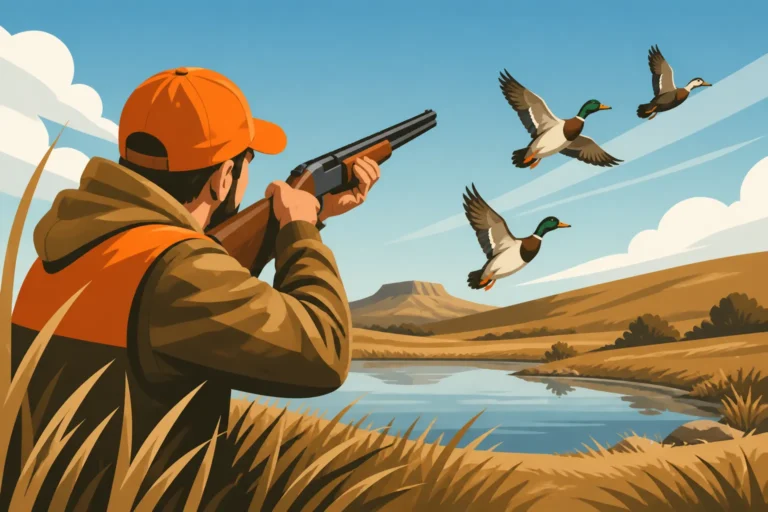
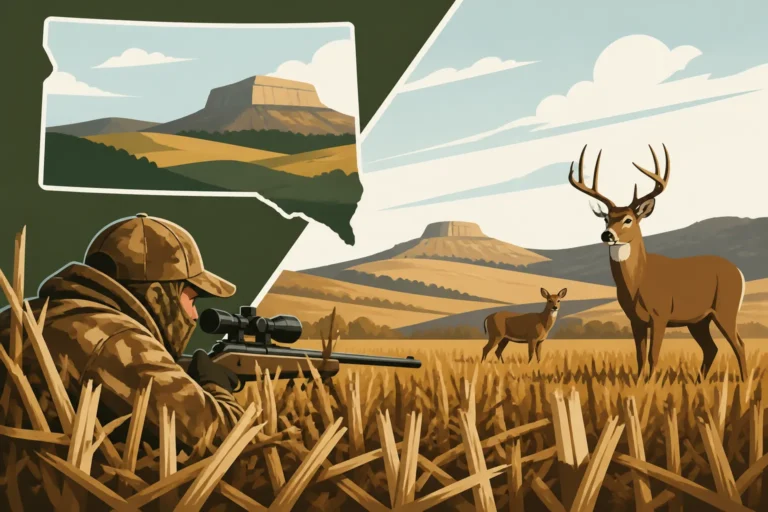
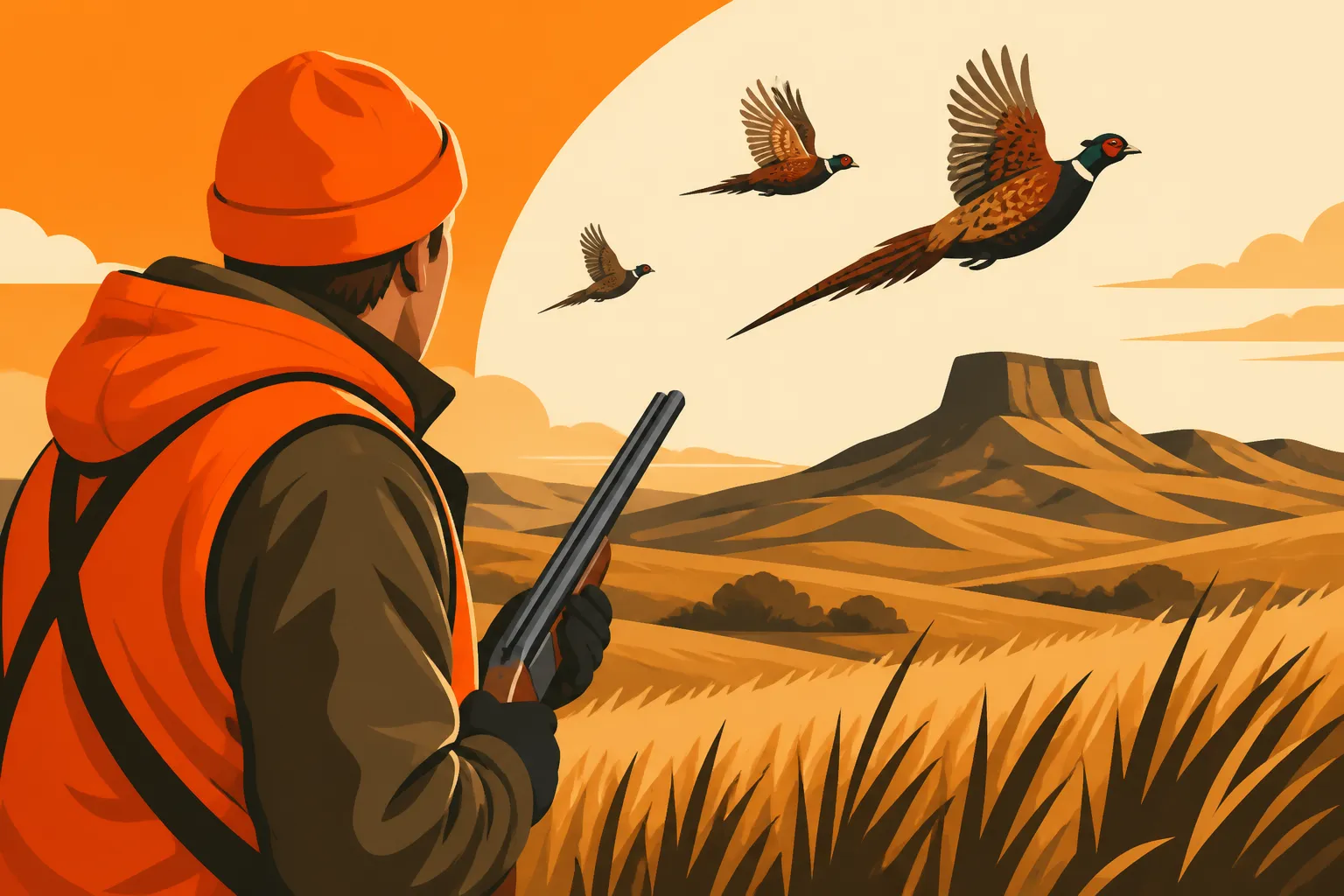
South Dakota law is quite specific regarding blaze orange. During any legal firearms deer season—which includes the widespread East River and West River firearm deer seasons—any person hunting small game, including pheasants, grouse, partridge, or varmints, is required to wear a certain amount of blaze orange. This isn't just a suggestion; it's a non-negotiable legal mandate. The requirement states that you must wear at least 400 square inches of solid blaze orange, fluorescent orange, or fluorescent pink material above your waist. Crucially, this material needs to be visible from all sides, offering 360-degree visibility. On top of that, you must also wear a blaze orange, fluorescent orange, or fluorescent pink cap.
Imagine you're walking a CRP field on a brisk November morning, a common scenario for South Dakota Pheasant Season and Licences. Even if you're solely focused on pheasants, if a firearm deer season is concurrently open in that unit, you are legally obligated to meet these blaze orange standards. The intent is clear: to prevent accidental shootings by ensuring that anyone moving through cover is easily identifiable as a human, not game. It's a critical piece of the safety puzzle when multiple hunting activities share the same landscape.
Specifics: Public Land, Private Land, and Road Hunting
The application of blaze orange rules doesn't typically distinguish between public and private land when it comes to the core legal requirements during concurrent firearm deer seasons. If the deer season is open, the rules apply. This means whether you're working a private corn stubble field or navigating the thick cover of a Walk-In Area, your blaze orange needs to be on. Many hunters, especially those new to the state or exploring areas like Hunting South Dakota Walk-In Areas, might assume private land offers more leniency, but when big game seasons are in full swing, safety precautions are universal.
Road hunting is another area where these regulations hold firm. While South Dakota has specific laws governing hunting from roads or road rights-of-way, if you are engaged in any small game hunting activity from a legally permissible road right-of-way during a firearm deer season, the blaze orange requirements remain. This includes retrieving game that might have fallen into a road ditch. The principle of maximum visibility for safety never takes a break, no matter your proximity to a public thoroughfare. When you're planning your South Dakota adventure, perhaps even using a resource like GoHunt to scout prospective Walk-In Areas, always double-check the current firearm deer season dates in your specific unit to ensure you're compliant.
Beyond Pheasants: Other Bird Species and Unique Scenarios
While pheasants grab most of the headlines in South Dakota, the state offers fantastic opportunities for other upland birds and waterfowl. Understanding how blaze orange rules apply to these diverse pursuits is key to staying legal and safe.
Requirements for Grouse, Partridge, and Other Small Game
The blaze orange mandate isn't exclusive to pheasants. As mentioned, it generally applies to any small game or varmint hunting that occurs during an open firearms deer season. So, if you're out chasing South Dakota Prairie Grouse and Partridge in the western part of the state, or targeting Hungarian partridge in the north, and a firearm deer season is active in your area, you absolutely need to comply with the 400 square inches and orange cap rule. The same goes for rabbit or squirrel hunting, or even predator hunting during these overlapping periods.
This often means that for a good portion of the traditional upland bird season, from the October opener well into December, blaze orange will be a standard part of your attire. Hunters often find themselves in situations where they're focused on flushing birds, but it's essential to remember that other hunters in the area might be targeting deer with rifles. Your blaze orange acts as a clear signal, reducing any potential for misidentification in dense cover or across open expanses. It's not just about protecting yourself from deer hunters; it's also about being visible to other bird hunters who might be driving a distant field.
Waterfowl Hunting and the Blaze Orange Exception
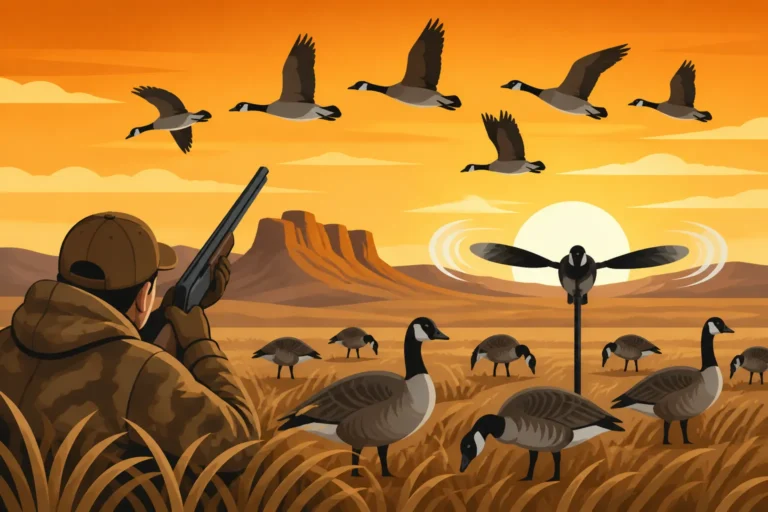
Now, here's where things get a bit different. Waterfowl hunting, by its very nature, relies on concealment. Ducks and geese have incredibly sharp eyesight, and any unnatural flash of color like blaze orange will send them soaring away from your decoys faster than you can blink. Because of this fundamental difference in hunting strategy, waterfowl hunting is generally exempt from blaze orange requirements, particularly when you are hunting from a blind or over decoys.
This exemption is critical for hunters who spend their fall days chasing birds on the prairie potholes and larger bodies of water, as detailed in guides like Waterfowl Hunting the South Dakota Prairie. However, this doesn't mean safety goes out the window. In fact, the absence of blaze orange places an even greater emphasis on other safety protocols: absolute positive identification of your target, strict muzzle control, and clear communication with your hunting partners about zones of fire. When moving to and from your blind in low light, some waterfowl hunters might still opt for a blaze orange cap or vest that can be easily removed once they're set up, just for that added layer of visibility during transit.
Practical Considerations for Maximum Visibility and Safety
Meeting the legal minimum for blaze orange is one thing, but truly prioritizing safety means thinking beyond the bare requirements. There are many ways to enhance your visibility in the field, making your hunt safer for yourself and everyone around you.
Why More Than the Minimum is Always Better
While 400 square inches and a cap might be the legal baseline, consider it exactly that: a minimum. In the real world of hunting, especially in diverse South Dakota cover types, more blaze orange is almost always better. Think about it: when you're wading through a dense cattail slough or pushing a thick shelterbelt, as described in methods like Pushing a Cattail Slough With Blockers or Working South Dakota Shelterbelts for Roosters, sections of your clothing can easily be obscured by vegetation. A vest might meet the letter of the law, but if half of it is covered by the heavy weeds you're pushing through, your actual visible orange might be less than ideal.
Layering a blaze orange jacket over a vest, or choosing gear that offers more substantial coverage, can make a significant difference. The goal is to be seen. You want other hunters to spot you easily, even if only a portion of your body is intermittently visible through the brush. This is especially true on large, open landscapes where hunters might be spread out over considerable distances, and visual contact can be fleeting.
Choosing the Right Blaze Orange Gear for the Conditions
Selecting the right blaze orange gear involves more than just picking up the first vest you see. The conditions you'll encounter in South Dakota can vary wildly, from warm early season days to frigid late-season blizzards. For warmer hunts, a lightweight mesh vest combined with a cap might be perfect. It provides the necessary visibility without causing you to overheat while walking miles. However, as the temperatures drop, you'll want blaze orange gear that integrates with your layering system. This could be a heavier blaze orange jacket, or a vest designed to fit comfortably over insulated clothing.
Consider the fit and functionality. You want gear that doesn't restrict your movement, especially when swinging a shotgun on a flushing bird. Look for items that are durable enough to withstand brush and burrs, which are a constant companion on the South Dakota prairie. Also, think about the full 360-degree visibility. Some vests only offer orange on the front and back, with open sides. Ideally, your blaze orange should wrap around your torso, ensuring you're visible from any angle. When exploring options, look for high-quality vests or jackets, like those often reviewed or recommended on platforms catering to serious hunters, or even specific gear features highlighted in articles you might find through GoHunt's extensive content library. Remember that Layering for South Dakota Wind is crucial for comfort, and your blaze orange gear needs to fit into that system.
Common Misconceptions and Smart Hunting Practices
Even with clear regulations, certain myths and misunderstandings persist about blaze orange. Dispelling these and embracing a safety-first mindset will benefit every hunter in the field.
When Blaze Orange Isn't Legally Required (But Still Recommended)
It's true that blaze orange isn't universally required for all hunting seasons or all species. For instance, during archery-only deer seasons, blaze orange is typically not mandated for deer hunters. Similarly, if you are hunting small game outside of any concurrent firearm deer season (e.g., early season grouse hunting before the main deer seasons open), the strict legal requirement for blaze orange may not apply. However, even in these scenarios where it's not legally required, wearing a blaze orange item, like a hat, can still be a smart move, especially when moving to or from your hunting location in low light. It's a simple, proactive step that can significantly increase your visibility and peace of mind.
Consider a situation where you're pursuing a late-season pheasant, and while the firearm deer season might have closed, there could still be other hunters in the field pursuing other species or even just scouting. While the law might not compel you, good judgment and a commitment to safety should. Being easily identifiable as a human hunter is always preferable to blending in, even when targeting non-deer species.
Communicating Safety with Your Hunting Party
Beyond individual gear choices, effective communication within your hunting party is perhaps the most critical component of blaze orange safety. Everyone in your group should understand the legal requirements and, equally important, agree on additional safety protocols. Before you even step into the field, have a conversation about expectations for blaze orange, especially when conducting a bird drive where hunters are spread out, potentially out of sight of one another for periods.
This includes discussing zones of fire, ensuring everyone knows where other members of the party are, and maintaining strict Muzzle Discipline With Blockers Ahead. For example, if you're pushing a cattail slough with a line of blockers and walkers, each person's visibility is paramount. Knowing that everyone is wearing bright, visible orange helps instill confidence in safe shooting lanes. Many hunters, especially those who rely on detailed digital maps for scouting, similar to the powerful tools offered by GoHunt, will mark areas where they know visibility might be compromised, prompting an extra check of blaze orange and party positions. Remember that Safe Gun Handling on a Bird Drive depends on visual awareness, and blaze orange is a cornerstone of that awareness.
Blaze Orange Requirements at a Glance
Here's a quick summary to help clarify South Dakota's blaze orange regulations for bird hunters:
| Hunting Scenario | Legal Blaze Orange Requirement | Recommended Best Practice |
|---|---|---|
| Upland Birds (Pheasant, Grouse, Partridge) | YES: During any open firearms deer season (East River, West River, Black Hills, Custer State Park), at least 400 square inches of solid blaze orange/fluorescent orange/pink material above the waist, visible 360 degrees, plus an orange cap. | Wear a full blaze orange vest or jacket over other layers, plus a substantial orange hat. More is always safer than the minimum. |
| Waterfowl (Ducks, Geese from blind/decoys) | NO: Generally exempt due to the nature of waterfowl hunting, which requires concealment. | Exercise extreme caution. Focus on positive target identification, strict zones of fire, and clear communication within your party. |
| Archery-Only Seasons (any species) | NO: Typically no legal requirement during archery-only seasons when firearms seasons are closed. | Consider wearing a blaze orange cap or small vest when moving to/from hunting locations in low light for increased visibility. |
| Varmint Hunting (e.g., coyotes, rabbits) | YES: If conducted during any open firearms deer season, the same requirements as upland bird hunting apply: 400 sq. inches visible 360 degrees above the waist, plus an orange cap. | Ensure full compliance during deer seasons. Use highly visible, solid orange gear to avoid being mistaken for game. |
| Hunting Outside of Firearm Deer Seasons | NO: If no firearm deer season is open, there is generally no legal blaze orange requirement for small game. | Still a good idea to wear some blaze orange, especially a hat, particularly when crossing open areas or moving through dense cover. |
This table illustrates that while the legal requirement for blaze orange is tied to concurrent firearm deer seasons, a safety-conscious hunter will often choose to wear it even when not strictly mandated.
Disclaimer
The information provided in this guide is for general informational purposes only and does not constitute legal advice. Hunting regulations in South Dakota can change. It is the responsibility of every hunter to consult the most current South Dakota Game, Fish and Parks (GFP) Hunting Handbook and any official regulation updates before engaging in any hunting activity. Always confirm current rules and seasons with the South Dakota Department of Game, Fish and Parks.