Layering for South Dakota Wind
One of the most insidious challenges hunters face in South Dakota isn't necessarily extreme cold, but the relentless, energy-sapping wind that can make even a moderately chilly day feel utterly brutal. Many of us have been there, shivering uncontrollably on what looked like a calm morning, only to be hammered by a biting prairie gale, regretting every single clothing choice. This guide is here to walk you through the art and science of layering for South Dakota's unique wind conditions, ensuring you stay comfortable, focused, and safe, no matter what Mother Nature throws your way.
The Unseen Predator: Understanding South Dakota's Relentless Wind
South Dakota's vast, open landscapes are beautiful, but they come with a significant meteorological challenge: wind. Unlike more mountainous regions where terrain offers some natural breaks, the prairie here is often flat and unforgiving, allowing winds to sweep across unimpeded for hundreds of miles. This isn't just a minor discomfort; it's a critical factor that can drastically impact your body's ability to retain heat and even pose a risk to your safety if not properly addressed.
The Physics of Wind Chill and Heat Loss
We all understand that cold feels colder with wind, but truly appreciating the science behind wind chill is key to dressing effectively. Wind actively strips away the thin layer of warm air your body creates around itself. It's like constantly blowing on a cup of hot coffee – the faster the air moves, the quicker the heat dissipates. In South Dakota, where you might experience a 10-15 mph sustained wind on a regular basis, a 30-degree Fahrenheit day can feel like 15 degrees or even colder, effectively pushing you into freezing temperatures without the thermometer ever showing it. This convective heat loss is brutal, and it's compounded by evaporative heat loss if you start to sweat. Moisture, whether from perspiration or precipitation, conducts heat away from your body twenty-five times faster than dry air. Standing in a cutting wind after a strenuous hike through a cattail slough, damp with sweat, is a recipe for rapid chilling and misery. That's why managing moisture is just as important as blocking the wind.
Regional Wind Patterns and Their Impact
While the entire state sees its fair share of wind, different regions present unique challenges. In the sprawling grasslands and agricultural fields of East River South Dakota, the wind can be a constant, often gusting from the northwest. When you're Walking and Blocking South Dakota Cattail Sloughs, you might be sheltered for a moment, but as soon as you break cover, that wind can hit you with full force. West River, with its rolling hills, breaks, and coulees, offers a bit more terrain variability. You might find momentary reprieve in a draw while Glassing South Dakota Breaks at First Light, but climbing out of it, or stalking an antelope across open prairie, will expose you to the full power of the wind. Even the Black Hills, despite their timbered slopes, can channel wind through valleys or expose you to fierce gusts on ridge tops, especially when you're pursuing elk. The bottom line is, no matter where you hunt in South Dakota, assume the wind will be a factor, and plan your layering accordingly. It's often the single biggest contributor to feeling cold and prematurely ending a hunt.
Building Your Personal Climate Control System: The Core Principles of Layering
Thinking of your hunting apparel as a "system" rather than just a collection of clothes is fundamental to staying warm and dry in South Dakota. The core idea is to create multiple, adjustable layers that work together to trap warm air, manage moisture, and block external elements like wind and rain. This adaptability is crucial because conditions can change dramatically within hours, or even minutes, as anyone who’s experienced a sudden prairie squall knows.
The Three Pillars: Base, Mid, and Outer Layers
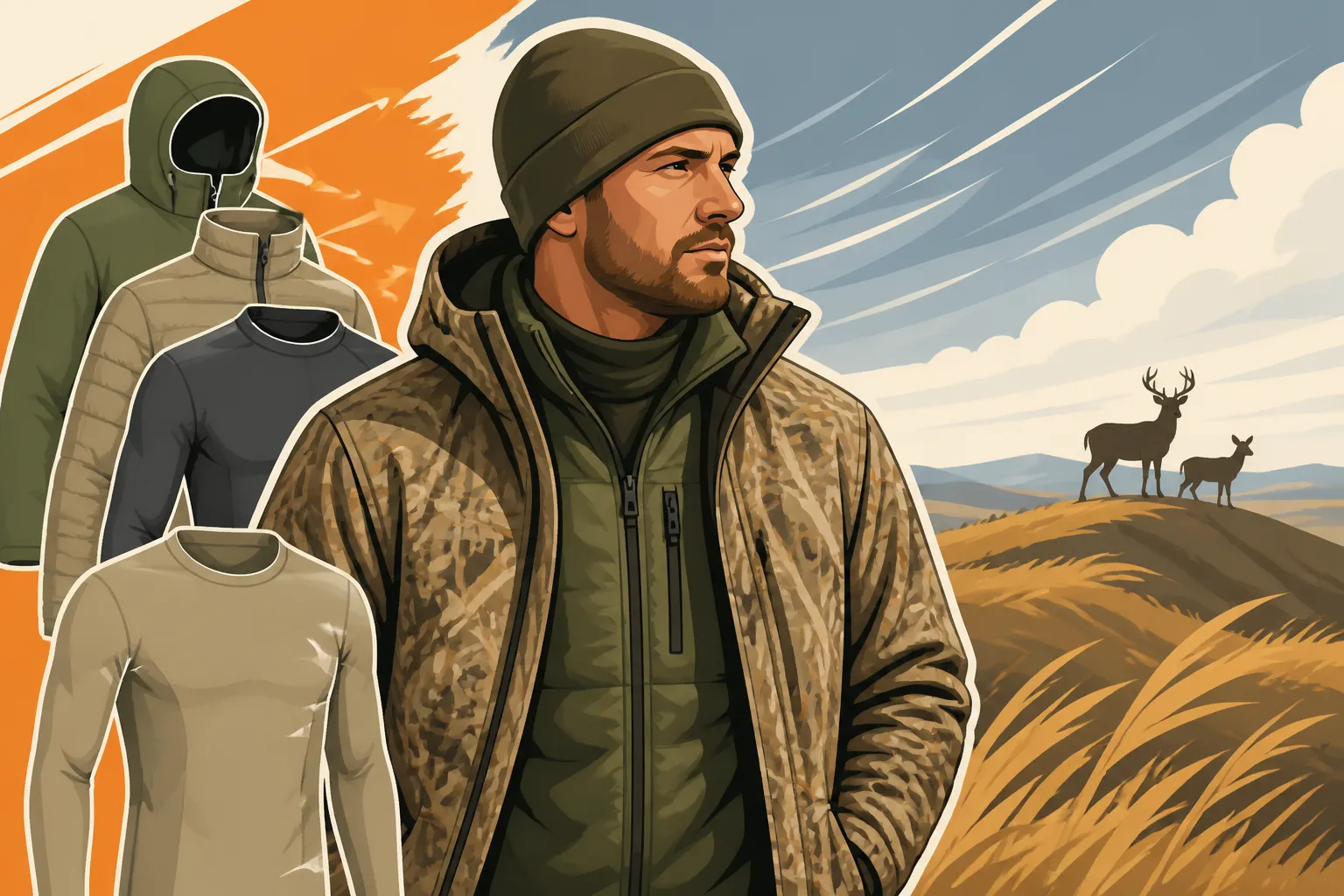
Effective layering breaks down into three distinct, yet interconnected, components: the base layer, the mid-layer, and the outer shell. Each serves a specific purpose, and understanding these roles is critical to making informed gear choices.
- The Base Layer (The Skin Manager): This is your first line of defense, worn directly against your skin. Its primary job is to wick moisture (sweat) away from your body. Remember, wet skin gets cold fast. A good base layer will draw sweat through the fabric and allow it to evaporate from the outer surface, keeping you dry and preventing that clammy chill. It also provides a thin layer of insulation, but moisture management is its star quality.
- The Mid-Layer (The Insulation Powerhouse): This layer is your main source of warmth. It's designed to trap air, which your body then heats, creating a thermal barrier. You might wear one mid-layer, or multiple thinner ones, depending on the temperature and your activity level. The beauty of this layer is its flexibility; you can add or subtract mid-layers throughout the day to fine-tune your comfort as you transition from active pursuit to stationary periods.
- The Outer Layer (The Shield): This is your protective shell, designed to shield you from the elements – primarily wind and precipitation. Its main function is to keep the wind from penetrating your insulating layers and to shed rain or snow. While it often offers some light insulation itself, its primary role is to maintain the integrity of your internal climate system by blocking external forces.
The Importance of Air Gaps and Adjustability
The magic of layering isn't just in the materials themselves, but in the tiny air pockets trapped between each layer. Your body heats this trapped air, creating an incredibly efficient insulating barrier. The more layers you have (within reason, of course!), the more air is trapped, and the warmer you'll be. This is why a few thinner layers often outperform one bulky, thick layer – more trapped air, and more adjustability.
This adjustability is your best friend when hunting in South Dakota. Imagine you're starting an early morning South Dakota Pheasant Hunting Tactics for the Opener drive. It's cold, so you bundle up. But once you start walking, especially if you're Pushing a Cattail Slough With Blockers, your body temperature rises quickly. If you can't shed a layer or vent, you'll start to sweat profusely. This sweat will then cool rapidly when you stop, leading to a quick chill. The ability to shed a mid-layer, or even just unzip your outer shell, allows you to regulate your temperature, prevent excessive sweating, and ultimately stay warmer and more comfortable for longer.
Beyond Cotton: Selecting the Right Fabrics for South Dakota's Demands
When it comes to layering, the age-old adage "cotton kills" is particularly true in a windy, cold environment like South Dakota. Cotton absorbs moisture like a sponge and holds onto it, rapidly chilling you once it gets wet. Choosing the right technical fabrics for each layer is paramount to your success and comfort.
Base Layer: Wicking Away the Chill
For your base layer, you're looking for materials that excel at moving moisture away from your skin. There are two main contenders, both excellent choices:
- Merino Wool: This natural fiber is a superstar. It's incredibly soft, doesn't itch like traditional wool, and has natural antimicrobial properties, meaning it resists odor buildup – a huge plus on multi-day hunts. Most importantly, merino wool can absorb a significant amount of moisture before it feels wet, and it continues to insulate even when damp. Brands like Smartwool, Icebreaker, and Sitka offer fantastic merino base layers. When planning your hunting gear, consider that high-quality merino is an investment that pays off season after season.
- Synthetics (Polyester, Polypropylene): Modern synthetic base layers, often made from polyester or polypropylene, are engineered specifically for moisture-wicking. They're typically more affordable than merino, highly durable, and dry very quickly. They don't have merino's natural odor resistance, but many brands treat their synthetics with antimicrobial finishes. Brands like Under Armour, Patagonia, and even some dedicated hunting lines offer excellent synthetic options. I usually have a few sets of synthetic base layers on hand, especially for those highly active days when I know I'll be working up a sweat.
Avoid cotton at all costs for your base layer. Even a little dampness from sweat will turn a cotton t-shirt into a cold, clammy blanket against your skin, and the South Dakota wind will accelerate that chilling effect dramatically.
Mid-Layers: Trapping the Warmth
This is where you bring in the insulating heavy hitters. The goal here is to trap as much warm air as possible without adding excessive bulk or restricting movement.
- Fleece: Fleece, typically made from polyester, is a fantastic mid-layer choice. It's lightweight, breathable, relatively inexpensive, and retains a good amount of insulating power even when damp. It's also quick-drying. Different weights of fleece are available, from thin microfleece pullovers perfect for mild days or as an extra layer, to heavier 200- or 300-weight fleece jackets for colder conditions. Many hunters find a good fleece vest to be invaluable for core warmth without restricting arm movement.
- Down and Synthetic Insulation: For serious warmth without bulk, down or synthetic puffy jackets are hard to beat. Down (feathers) offers the best warmth-to-weight ratio, is incredibly compressible, and packs down small. However, down loses most of its insulating power when it gets wet, which can be a real concern in South Dakota's unpredictable weather. Synthetic insulations (like PrimaLoft, Coreloft, or similar proprietary fills) are designed to mimic down's performance but crucially, they retain much of their insulating ability even when wet. This makes them a more reliable choice for an outer mid-layer that might see some exposure to the elements, or for a stationary hunt where you anticipate needing maximum warmth. When considering your Rifle Setup for South Dakota Open Country, remember that bulkier clothing can sometimes interfere with a solid cheek weld, so packable, efficient warmth is key.
Outer Layer: The Wind and Water Barrier
Your outer layer is your shield against the elements, and it needs to be up to the task of fending off South Dakota's often brutal winds and unpredictable precipitation.
- Windproof Membranes: This is non-negotiable for South Dakota. Your outer shell must be windproof. Many jackets accomplish this with integrated membranes like Gore-Tex, Windstopper, or proprietary materials from brands like Sitka, KUIU, or GoHunt's own gear recommendations. These membranes prevent the wind from penetrating your insulating layers, which is absolutely critical for preventing convective heat loss.
- Water-Resistant vs. Waterproof: While full waterproofing is fantastic, it often comes at the cost of breathability, which can lead to sweating and internal moisture buildup. For most South Dakota hunting, a highly water-resistant shell that can shed light rain and snow is often sufficient, especially if paired with good base and mid-layers. However, if you anticipate heavy, prolonged precipitation, a truly waterproof (and breathable) outer shell is indispensable. Look for features like taped seams and durable water repellent (DWR) finishes.
- Durability and Noise: Consider the type of hunting you'll be doing. A quiet, brushed softshell might be ideal for stalking deer in South Dakota Whitetail Hunting in River Bottoms, while a more rugged, slightly noisier hardshell might be acceptable for a noisy pheasant drive. Your outer layer will take a beating, so durability is important.
| Layer Type | Primary Function | Recommended Materials | Avoid At All Costs | Key Benefit for SD Wind |
|---|---|---|---|---|
| Base | Wicks moisture from skin | Merino Wool, Synthetics (Polyester) | Cotton | Keeps skin dry, prevents evaporative chill |
| Mid | Provides insulation/warmth | Fleece, Down, Synthetic Insulation | Cotton | Traps warm air, easily adjustable |
| Outer | Blocks wind & precipitation | Windproof/Waterproof Shell (Gore-Tex, proprietary membranes) | Non-windproof fabrics | Prevents convective heat loss, shields from elements |
Practical Layering Strategies for Different Conditions
Knowing the principles is one thing; putting them into practice in the field is another. South Dakota's weather often demands flexibility, and a smart layering strategy means you're prepared to adapt to whatever the day brings.
Adjusting for Activity Levels and Stops
This is perhaps the most crucial aspect of layering for South Dakota, especially if you're engaging in active hunting methods like South Dakota Pheasant Hunting Tactics for the Opener or Walking and Blocking South Dakota Cattail Sloughs. When you're moving, your body generates significant heat. If you're overdressed, you'll sweat. When you stop – whether to glass, wait for blockers to get in position, or field dress an animal – that sweat will rapidly cool, and the wind will make you feel instantly cold.
The key is to start slightly cool when you begin an activity. Wear enough to be comfortable once you're moving, but anticipate the heat generation. As you warm up, open zippers, vent your outer shell, or even shed a mid-layer entirely and stash it in your pack. Platforms like GoHunt often have excellent weather overlays on their mapping tools, which can help you anticipate temperature swings throughout the day and plan for these adjustments. When you anticipate a longer period of inactivity, immediately add back any layers you shed. This might mean pulling out an extra puffy jacket from your pack as soon as you settle into a blind or begin a quiet stalk. Don't wait until you're already shivering; be proactive.
Strategies for Early, Mid, and Late-Season Hunts
The South Dakota hunting seasons span a wide range of temperatures and conditions, each demanding a slightly different approach to layering.
- Early Season (September/Early October): Think archery deer, antelope, or the pheasant opener. Days can be surprisingly warm, even hot, but mornings and evenings can be quite cool, especially with wind. Your base layer should be lighter, perhaps a lightweight merino or synthetic t-shirt. A thin fleece or light insulated vest as a mid-layer is often sufficient. Your outer layer might be a simple windbreaker or a very light softshell, primarily for wind protection rather than insulation. You'll likely be shedding layers often. Remember, even in warm weather, a brisk prairie wind can make you feel chilly if you're stationary for too long. For Spot-and-Stalk Antelope Hunting in South Dakota, you'll likely be shedding and adding layers as you move and then sit to glass or stalk.
- Mid-Season (Late October/November): This is prime time for many hunters, but also when conditions become more volatile. Daytime temperatures can range from the 20s to 50s, and wind is almost a given. This is where the full three-layer system comes into its own. Medium to heavy base layers are appropriate, along with a robust mid-layer (heavier fleece, synthetic puffy). Your outer layer needs to be fully windproof and at least water-resistant. Having an extra, packable insulating layer (like a lightweight down or synthetic puffy) that you can throw on over everything when stationary is a game-changer.
- Late-Season (December/January): This is when South Dakota truly tests your gear. Temperatures are consistently cold, often below freezing, and the wind can be brutal, especially when combined with snow. Read up on Late-Season Hunting in South Dakota Snow before you head out. Heavyweight base layers are essential, perhaps even two mid-layers (e.g., a heavy fleece and a synthetic puffy). Your outer shell needs to be completely windproof, waterproof, and durable. Warm headwear, insulated gloves or mittens, and high-quality insulated boots are no longer optional extras; they are necessities. Consider a pair of insulated bibs or pants for maximum warmth.
Protecting Extremities: Head, Hands, and Feet
It's easy to focus on your torso, but your head, hands, and feet are often the first parts of your body to get cold and can quickly impact your overall comfort and decision-making.
- Head: You lose a significant amount of heat through your head. A good wool or fleece beanie is essential. On really cold or windy days, a balaclava or neck gaiter provides crucial protection for your face and neck, which are highly susceptible to windburn and frostbite. When you're Calling Coyotes on South Dakota Grassland, sitting still for long periods, keeping your head warm is paramount.
- Hands: Cold hands make fine motor skills like loading a rifle, using binoculars, or checking your GPS incredibly difficult. A layered approach works here too: thin liner gloves for dexterity, covered by insulated, windproof, and waterproof outer gloves or mittens. Mittens are generally warmer than gloves because they allow your fingers to share warmth. Many hunters carry a hand warmer pouch around their waist for easy access.
- Feet: Cold feet are miserable. Invest in high-quality, insulated, waterproof boots that are comfortable for all-day walking, like those recommended for Boots for Walking Cattails All Day. Pair them with merino wool or synthetic blend socks – never cotton! Layering socks can work, but avoid making your boots too tight, as this restricts circulation. A thin liner sock under a thicker wool sock is a common and effective combination. Bringing a spare pair of dry socks to change into at midday can make a huge difference in comfort.
Conclusion
Mastering the art of layering for South Dakota's ever-present wind is not just about staying comfortable; it's about staying safe and maximizing your time in the field. By understanding the principles of moisture management, insulation, and wind protection, and by making smart fabric choices for your base, mid, and outer layers, you can build a personal climate control system that will serve you well. Remember to adjust your layers to your activity level, pack extra insulation, and never underestimate the impact of wind on your head, hands, and feet. With the right gear and a thoughtful approach, you'll be ready to face whatever the South Dakota prairie throws at you, enjoying every moment of your hunt.
Disclaimer
The information provided in this guide is for general informational purposes only and does not constitute professional advice. Hunting conditions can be inherently dangerous, and weather can change rapidly. Always consult official South Dakota Game, Fish and Parks regulations, check current weather forecasts, and prioritize safety and preparedness for any outdoor activity.