Breasting Versus Plucking Birds
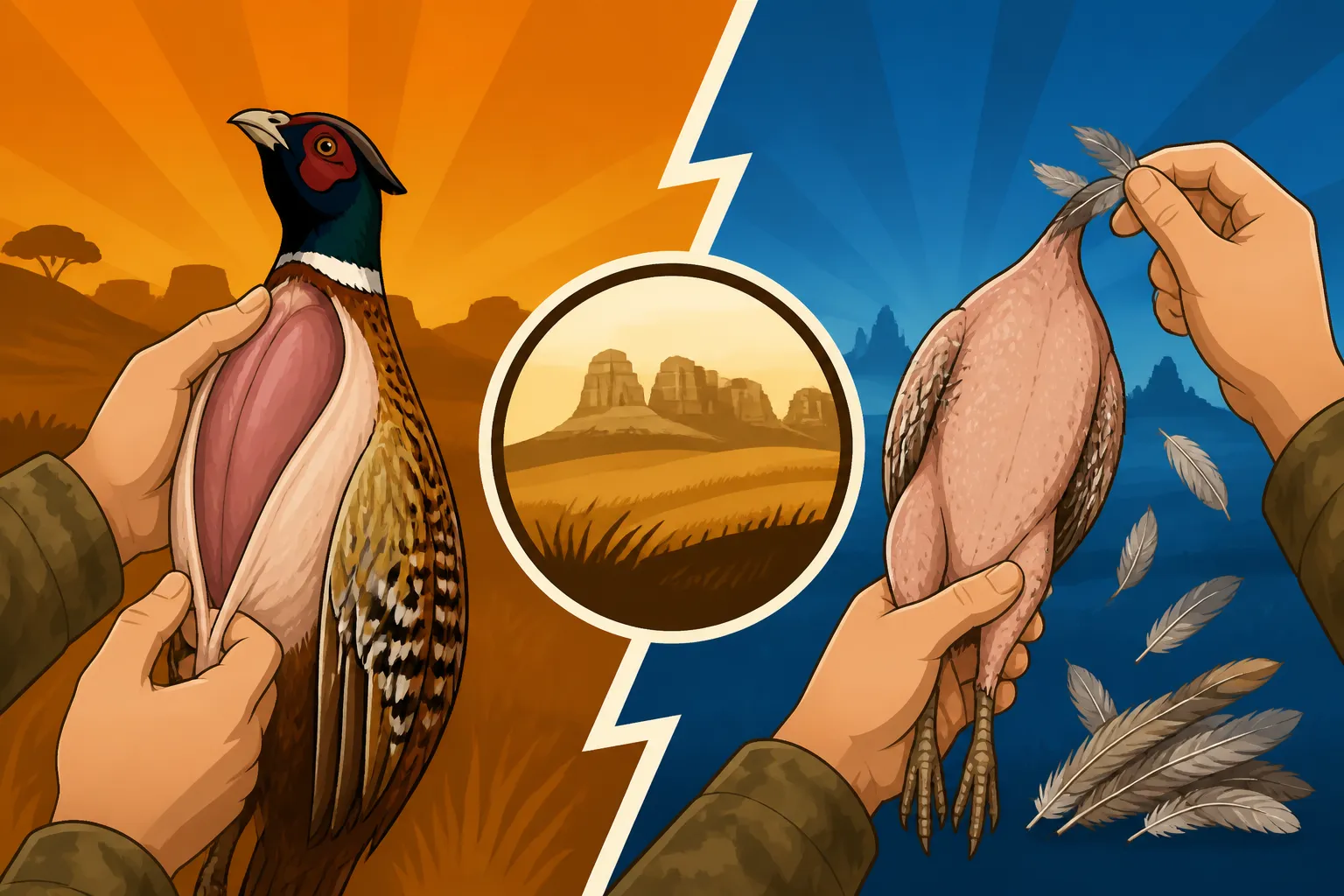
You've just wrapped up a fantastic pheasant hunt in the South Dakota prairie, the dogs are panting happily, and the vest is heavy with a limit of beautiful roosters. Now comes the moment of truth: how are you going to process these birds for the table? This decision between simply breasting out your birds or going the extra mile to pluck them whole is one that every hunter faces, and it carries implications for everything from your time commitment to the culinary possibilities back home. This guide will walk you through the nuances of both methods, helping you decide which approach is best for you and your prized game birds.
The Age-Old Debate: Why Breasting or Plucking Matters
For many hunters, the post-hunt processing is as much a part of the ritual as the hunt itself. It's where the hard-won harvest truly becomes sustenance. But the choice between taking just the breast meat and meticulously plucking the entire bird is often fraught with conflicting desires: speed versus flavor, convenience versus tradition, and practicality versus presentation. Understanding these underlying factors can make your decision much easier when you're standing in the field, or back at camp, facing a pile of fresh game.
More Than Just Meat: The Whole Bird Experience
When you breast out a bird, you're focusing on efficiency and getting the prime muscle quickly. And let's be honest, those plump pheasant breasts are often the star of many a wild game recipe. But by doing so, you're leaving behind a significant amount of delicious meat in the legs, thighs, and wings, not to mention the potential for a fantastic stock made from the carcass. Some hunters view the whole bird as a testament to the animal, honoring the full harvest, while others are purely after the main course. The decision often boils down to how much you value every last morsel and the culinary versatility that comes with it.
Time, Effort, and Field Conditions
Nobody wants to spend more time cleaning birds than hunting them, especially after a long, grueling day in the field. This is where the practicalities really kick in. Breasting is undeniably faster, requiring minimal tools and effort, making it ideal when you're pressed for time, the weather is turning, or you've got a large number of birds to process. Plucking, on the other hand, is a labor of love. It takes patience, a good setup, and usually warmer conditions to be comfortable. Imagine trying to pluck a dozen birds with numb fingers in a cold October wind; it’s not an enjoyable prospect. The environment you find yourself in immediately after the hunt often dictates which method seems most appealing. Before you even head out, knowing the forecast can help inform your processing plans. Many hunters consult tools like GoHunt to scout and plan their trips, and while it's focused on big game, the principle of thorough pre-hunt planning applies to birds too, especially when anticipating field conditions.
Breasting Out Your Birds: The Quick and Easy Path
When speed and simplicity are paramount, breasting out your game birds is often the go-to method. It’s a clean, efficient way to get the prime meat while leaving the rest of the bird behind. This technique is especially popular for smaller game birds like pheasants, grouse, and even ducks, where the leg and thigh meat might be tougher or less abundant compared to the breast.
Step-by-Step Guide to Breasting
Breasting a bird is remarkably straightforward once you get the hang of it. You'll need a sharp knife, a clean surface, and perhaps a pair of game shears if you want to speed things up even more.
- Position the Bird: Lay the bird on its back on a clean surface. For ease, some hunters prefer to hang the bird by its feet.
- Make the Incision: With your sharp knife, make an incision directly down the center of the breastbone, from the top of the chest down to where it meets the abdomen. You want to cut through the skin and feathers, exposing the white breast meat beneath.
- Separate the Breast Meat: Starting from the incision, use your fingers to gently peel the skin and feathers away from one side of the breast, working towards the wing. Once you have a good grip, continue to work the meat away from the breastbone and rib cage. Use your knife to cut along the keel bone, separating the meat cleanly.
- Cut from the Wing Joint: Locate where the breast meat connects to the wing joint. Carefully cut through this joint to free the breast entirely. Repeat on the other side.
- Remove the Tenderloins (Optional but Recommended): On the underside of each breast half, there's a smaller, more tender strip of meat – the tenderloin. Gently peel and cut these away from the main breast muscle. They're delicious and should not be wasted!
- Clean Up: Inspect your breasts for any remaining feathers, shot, or bruised meat. Trim as necessary. Give them a quick rinse with cold water if available, then pat dry.
This process is so fast that you can get a whole limit of pheasants ready for the cooler in a matter of minutes, especially if you're working with a partner. For a deeper dive into general field care, check out our guide on Cleaning Pheasants in the Field.
Pros of Breast-Only Processing
The advantages of breasting are numerous and often make it the preferred method for many hunters:
- Speed and Efficiency: This is hands-down the fastest way to process birds. You can handle several birds in the time it takes to pluck one. This is a huge benefit after a productive morning or if you're dealing with a large bag limit like the typical South Dakota pheasant limit.
- Less Mess: Breasting creates far less mess in the field or at camp. You're mostly dealing with skin, feathers, and the carcass, which can be disposed of easily (and ethically, according to local regulations). No tiny feathers flying everywhere or clogging drains.
- Convenience for Travel: Breast meat takes up significantly less space than a whole bird, making it easier to pack in coolers and transport home. This is particularly important if you're traveling a long distance from the hunting grounds.
- Focus on Prime Meat: For many, the breast is the most desirable part of the bird, offering tender, lean meat perfect for a variety of dishes. If you're primarily after fillets for grilling or frying, breasting is the way to go.
- Warm Weather Friendly: When the temperatures are mild, as they often are during the early parts of the pheasant season in South Dakota, getting the meat off the bone quickly helps it cool down faster, which is crucial for meat quality. Our article on Field Dressing in Warm October Weather offers great insights into keeping game fresh.
Cons and Considerations
While convenient, breasting isn't without its drawbacks:
- Less Meat Yield: The most obvious con is that you're leaving a good portion of edible meat on the carcass. The legs, thighs, and wings, though smaller, are rich in flavor and texture, especially when slow-cooked or braised.
- No Carcass for Stock: If you're a fan of making rich, flavorful game stock, breasting deprives you of the bones and connective tissues that are essential for a good broth.
- Lost Opportunity for Whole Roasts: A whole, plucked pheasant roasted with herbs and vegetables is a truly impressive meal. Breasting eliminates this option entirely.
- Regulatory Nuances: Always double-check current South Dakota game regulations. While breasting is generally accepted, some states or specific game species might require a "wing attached" for identification purposes during transport until you reach your final destination. Always make sure you understand Tagging and Transporting Birds Legally.
The Traditional Method: Plucking for the Whole Bird
For many, plucking a game bird is an act of respect, a nod to tradition, and a commitment to utilizing every part of the harvest. While more labor-intensive, it offers distinct culinary advantages and a deeper connection to the wild meal.
The Art of Plucking: A Step-by-Step
Plucking takes time and patience, but the reward is a beautiful, whole bird ready for the oven.
- Preparation is Key: Find a comfortable spot, ideally outdoors or in a garage, where feathers won't be an issue. Lay down a tarp or newspaper to catch the feathers. A bucket of hot water (around 140-150°F or 60-65°C) can be very helpful for "scalding" the bird, making feathers easier to remove.
- Scalding (Optional but Recommended): Dip the entire bird into the hot water for about 30-60 seconds. Test a feather – if it pulls out easily, it’s ready. Be careful not to "cook" the skin, which can happen if the water is too hot or the bird is left in too long. For pheasants, the skin can be a bit more delicate than, say, a domestic chicken.
- Start Plucking: Begin with the larger feathers on the wings and tail, working against the grain of the feathers. Use a firm, quick pull to remove them. Smaller feathers and down can be removed by rubbing the bird with your hands. Some hunters use paraffin wax dips for incredibly clean finishes, especially on waterfowl.
- Pin Feathers: These are the trickiest. Pin feathers are new, undeveloped feathers still in their sheath. They're often found along the breast and back. You might need tweezers or a small knife to gently scrape or pull them out.
- Singeing (Optional): Once most feathers are removed, any fine hairs or down can be singed off by quickly passing the bird over an open flame (a propane torch or gas stove burner works well). Be careful not to burn the skin.
- Evisceration: After plucking, lay the bird on its back. Make a cut across the abdomen, from vent to sternum. Reach inside and remove all internal organs, carefully separating them. Collect the heart, liver, and gizzards if desired (these are delicious!). Be sure to remove the windpipe and crop from the neck cavity.
- Rinse and Dry: Thoroughly rinse the inside and outside of the bird with cold water to remove any remaining debris. Pat dry with paper towels.
This meticulous process ensures you have a gorgeous bird that looks like it came from a gourmet butcher. It’s a wonderful way to honor your harvest.
Advantages of Keeping the Whole Bird
Choosing to pluck opens up a world of culinary possibilities and offers several distinct benefits:
- Maximum Meat Yield: This is the primary advantage. You're getting all the meat – breasts, thighs, legs, and wings. These different cuts offer varied textures and flavors, greatly expanding your recipe repertoire.
- Enhanced Flavor and Moisture: When cooked whole, especially roasted, the bones and skin help retain moisture and impart a deeper, richer flavor to the meat. The fat rendered from the skin can also self-baste the bird during cooking.
- Excellent for Stock: The carcass, with all its bones and connective tissues, is perfect for making incredibly flavorful game stock, which can be the base for soups, sauces, and stews. Don't underestimate the depth of flavor a good pheasant stock can add.
- Presentation Value: A beautifully roasted whole pheasant or duck makes for a stunning centerpiece at any dinner table, perfect for special occasions or when entertaining fellow hunters.
- Traditional Respect: For many, plucking is a more traditional and respectful way to process game, acknowledging the entire animal harvested.
Challenges and Time Commitment
While rewarding, plucking does come with its challenges:
- Time-Consuming: There’s no getting around it – plucking takes significantly more time and effort than breasting, especially if you're new to it or have a large number of birds. Plan on 15-30 minutes per bird, depending on your skill and the bird's feather density.
- Messy Process: Feathers will be everywhere. It's crucial to have a designated area for plucking that's easy to clean up.
- Requires More Skill/Patience: Getting a clean, un-torn skin requires a gentle touch and some practice, particularly with smaller, thin-skinned birds.
- Less Ideal in Cold Weather: Plucking with cold, stiff hands is a miserable experience. It's much more comfortable in a warm environment. If you're out late season when the South Dakota temperatures drop and snow blankets the fields, you might be opting for breasting. For tips on navigating those conditions, see our article on Late-Season South Dakota Pheasants in Heavy Cover.
- Storage Space: Whole birds take up more freezer space, which can be a consideration if you've had a particularly successful hunt and have a full bag limit.
Choosing Your Method: Factors to Consider
The "best" method isn't universal; it truly depends on your specific situation, preferences, and the birds you've harvested. Let's break down the key elements that should factor into your decision-making process.
Species and Size of the Bird
Different birds lend themselves better to different processing techniques.
- Pheasants: These are excellent candidates for both methods. Their breasts are substantial, making breasting a popular choice. However, their legs and thighs also offer good meat, especially if you plan to braise them. The skin, when plucked and roasted, can be incredibly flavorful.
- Ducks and Geese: Waterfowl often have tougher skin and a layer of fat beneath it, making plucking a more involved but often more rewarding process. The fat renders beautifully and adds incredible flavor. Their legs and thighs are also very meaty and delicious, making a full pluck highly recommended for waterfowl.
- Grouse, Quail, Partridge: These smaller birds are often breasted due to their size and the relatively small amount of meat on their legs and thighs. However, a whole roasted grouse can be a delicacy if you're up for the pluck. For instance, a Hungarian Partridge's smaller size might make plucking feel like more effort for less reward, leading many to breast them out.
Weather and Field Comfort
The environmental conditions on your hunting day play a huge role in dictating your processing choice.
- Warm Weather: If you're hunting during the early season in South Dakota, when temperatures can still be quite warm, speed is of the essence. Getting the meat off the bone and into a cooler quickly is paramount to prevent spoilage. In these conditions, breasting is often the more practical choice, allowing for rapid cooling. Our guide on Keeping Birds Cool in a Warm Truck emphasizes the importance of immediate cooling.
- Cold Weather: As the season progresses and the weather turns frigid, plucking becomes a less appealing option in the field. Your hands will get cold, and the process will be slower and more uncomfortable. If you have access to a warm garage or processing shed, then plucking becomes feasible. Otherwise, breasting quickly and taking the birds back to a warmer location for a more thorough processing might be the compromise. Remember to layer up appropriately for those cold days; our guide on Layering for South Dakota Wind can help.
Regulations and Transport
Before you even make the first cut, it's vital to be aware of the specific hunting regulations in South Dakota concerning game bird processing and transport.
- Wing Attached Requirements: Some states or specific game species require hunters to leave one fully feathered wing attached to the breast or carcass during transport from the field to a personal residence or commercial processor. This is for species identification purposes by game wardens. Always check the current South Dakota Hunting Handbook or the GFP website. Failure to comply can result in fines and loss of game.
- Tagging: Regardless of the processing method, ensure your birds are properly tagged according to regulations. This might mean placing a portion of your license on the bird if you're a nonresident hunting under the special 5-day license structure, or simply ensuring your small game license is on your person. Familiarize yourself with the South Dakota Pheasant Daily Bag Limit and possession limits to ensure legal compliance.
- Transport Home: Think about how you're getting your birds home. If you're flying, breasted birds are generally easier to pack and keep frozen in a cooler. If driving long distances, ensure you have adequate ice and cooler space.
Here's a quick comparison table to help you visualize the trade-offs:
| Feature | Breasting Birds | Plucking Whole Birds |
|---|---|---|
| Speed | Very fast (minutes per bird) | Slow (15-30+ minutes per bird) |
| Meat Yield | Breasts and tenderloins only | All meat (breasts, thighs, legs, wings, carcass) |
| Mess Factor | Low (mostly feathers and carcass) | High (feathers everywhere, water if scalding) |
| Skill Required | Low to moderate | Moderate to high (patience is key) |
| Tools Needed | Sharp knife, cutting surface | Sharp knife, cutting surface, hot water (optional), tweezers, open flame (optional) |
| Cooling Speed | Very fast (less mass) | Slower (more mass, skin insulates) |
| Freezer Space | Efficient (compact meat) | Requires more space (whole birds) |
| Culinary Uses | Fillets for grilling, frying, stir-fries | Roasting whole, braising, confit, stock, varied dishes |
| Best For | Quick processing, warm weather, travel, large limits, prime breast focus | Gourmet cooking, maximum utilization, cooler weather, traditionalists, stock making |
Beyond the Field: Handling Your Harvest for Quality
No matter which method you choose, the care you give your birds immediately after processing is just as critical as the processing itself. Improper handling can quickly diminish the quality of your hard-earned game meat.
Immediate Cooling is Key
This cannot be stressed enough: get your birds cool, and keep them cool. Game meat is no different from domestic meat; bacteria thrive in warm temperatures.
- Ice is Your Best Friend: Pack a quality cooler with plenty of ice. Layer your processed breasts or whole birds directly on ice. If possible, put a layer of ice on the bottom, then birds, then more ice on top.
- Avoid Piling: Try not to pile warm birds on top of each other, as this traps heat and slows the cooling process. Spread them out as much as possible to allow air (or ice contact) to circulate.
- Keep Clean: While cooling, try to keep the meat clean and away from any dirty water or debris. Many hunters use Ziploc bags for breasted meat before putting them on ice to prevent waterlogging, or layer the cooler with towels beneath the ice.
- Ventilation: If transporting whole, unplucked birds for processing later, ensure they have some airflow. Don't throw them in a plastic garbage bag and tie it shut; this traps heat and moisture, which can quickly ruin meat. A game bag or breathable mesh bag is much better.
Proper cooling is especially important if you plan on aging your birds slightly (though this is less common with small game than big game like deer or elk). The sooner they chill, the better the final taste and texture will be.
Packaging and Storage
Once cooled, proper packaging is essential for long-term storage and maintaining meat quality.
- Vacuum Sealing: This is the gold standard for freezing game meat. A vacuum sealer removes all air, preventing freezer burn and extending the life of your meat significantly. Label each package with the date and type of meat.
- Freezer Bags or Wrap: If you don't have a vacuum sealer, use heavy-duty freezer bags or wrap the meat tightly in plastic wrap followed by butcher paper or aluminum foil. Push out as much air as possible before sealing.
- Refrigeration Time: Freshly processed game birds can be stored in the refrigerator for 2-3 days. If you're not going to cook them within that timeframe, move them to the freezer.
- Thawing: When ready to cook, thaw your game birds slowly in the refrigerator. Avoid thawing at room temperature, as this can encourage bacterial growth.
Whether you're breasting for convenience or plucking for culinary excellence, taking pride in your post-hunt processing ensures that your hard-earned wild game will be a delicious and memorable meal for you and your family. Enjoy those South Dakota birds!
Disclaimer
The information provided in this article is for general guidance and informational purposes only. Hunting regulations, licensing requirements, and season dates can change frequently. Always consult the official South Dakota Game, Fish and Parks (GFP) website and the current year's hunting handbook for the most accurate and up-to-date information before planning or engaging in any hunting activities. Adherence to all local, state, and federal laws is the sole responsibility of the individual hunter.