Getting Meat Cooled in Warm Weather
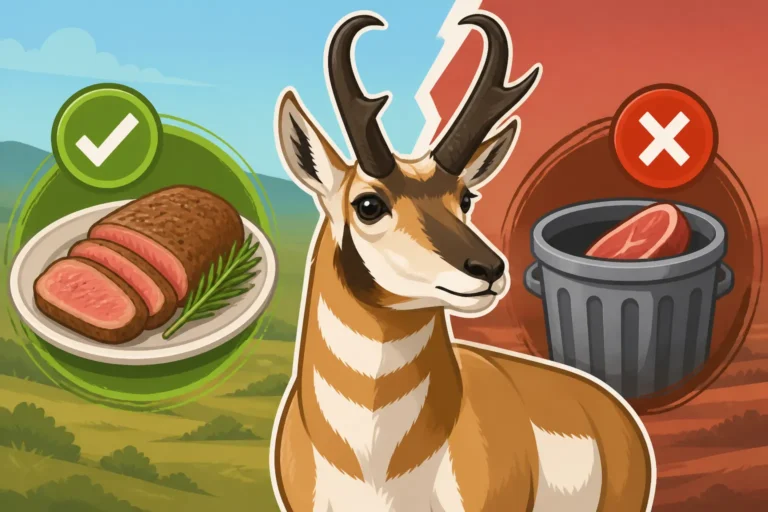
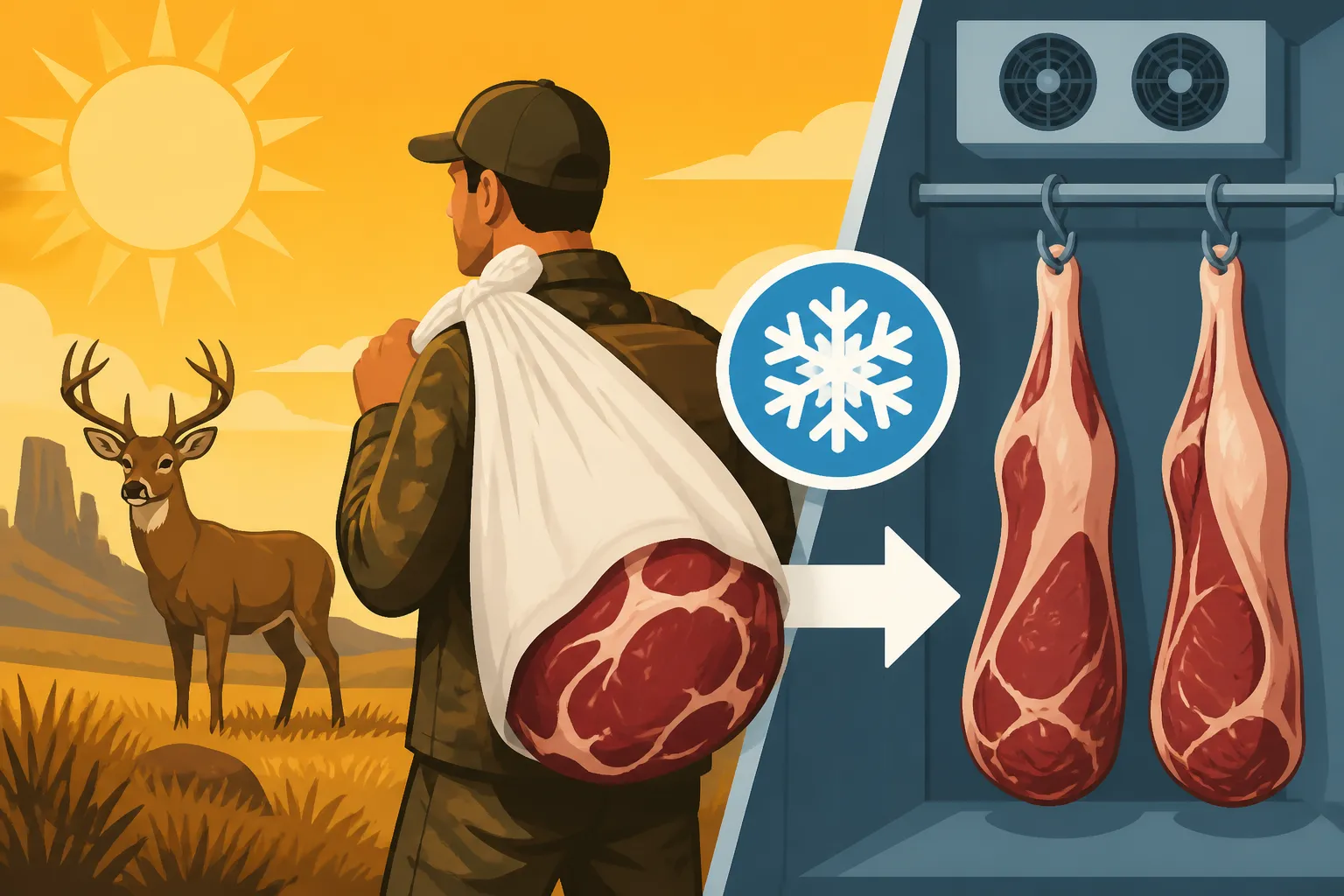
One of the most disheartening things a hunter can experience is realizing their hard-earned game meat might spoil because the weather decided to turn against them. South Dakota, with its beautiful but often unpredictable climate, can throw warm spells at us even well into the fall, making meat care a critical, urgent challenge. This guide will walk you through proven, practical strategies to ensure your game meat stays cool and fresh, protecting your harvest from the moment of truth in the field right up to your cooler for the journey home.
Why Warm Weather is Your Meat's Worst Enemy on the Prairie
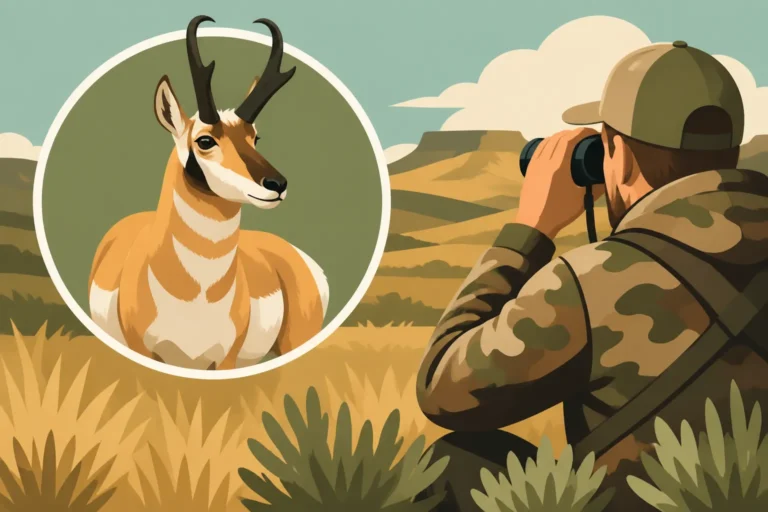
There’s nothing quite like the rush of a successful hunt, whether it’s an early September antelope on the open prairie or an October whitetail when the leaves haven’t quite turned yet. But that joy can quickly turn to anxiety when the thermometer hovers above 50 degrees Fahrenheit, or worse, pushes into the 70s. This isn't just about comfort; it's about rapidly decaying meat, and understanding why is the first step to preventing it.
The Science of Spoilage
At its core, meat spoilage is a race against time, primarily driven by bacterial growth and enzymatic breakdown. Bacteria, naturally present on the animal's hide and in its gut, thrive in warm, moist environments. Once an animal is down, its body temperature begins to normalize with the ambient air, but if that air is warm, the internal temperature of the carcass stays elevated much longer than you’d like. This creates a perfect incubator for these microscopic culprits.
Think of it like this: the inside of a warm carcass, especially a large one like a deer, is like a slow cooker for bacteria. Every degree above ideal cooling temperatures, and every minute that passes, gives these bacteria more time to multiply and produce enzymes that break down muscle tissue, leading to that tell-tale "off" smell and taste. This is why the "danger zone" for meat, generally considered between 40°F and 140°F, is so critical to understand. Unfortunately, early season hunting in South Dakota often puts us squarely in this danger zone for extended periods if we’re not proactive.
Common Mistakes Hunters Make
We’ve all seen it, or perhaps even been guilty of it ourselves, especially when adrenaline is high and excitement takes over. One of the biggest mistakes is simply leaving the game animal lying on the ground, often in direct sunlight, while waiting for photos, a helping hand, or just to catch our breath. The ground itself can act as an insulator, holding residual heat and preventing any airflow underneath the carcass. Couple that with direct sun exposure, and you’re actively cooking your meat.
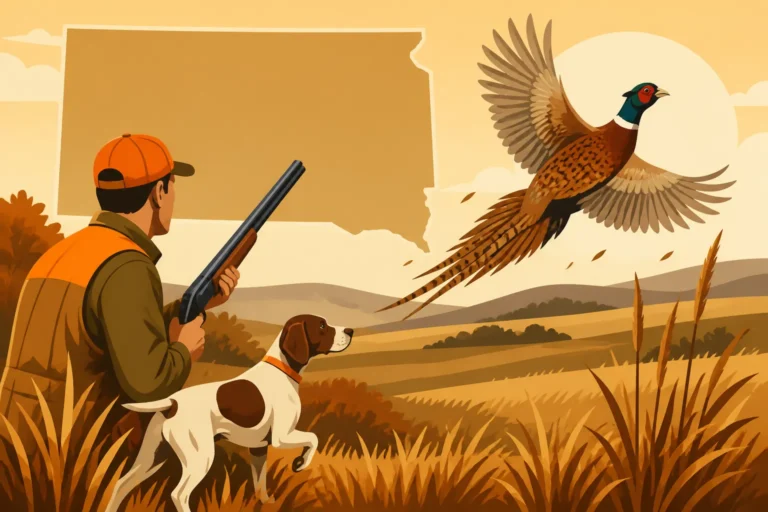
Another frequent misstep is delaying the field dressing process. Every minute a gut pile sits inside a warm animal, the bacteria are feasting and multiplying. Not completely emptying the cavity, leaving behind lungs or bits of trachea, can also contribute to spoilage. And once it's gutted, many hunters simply toss the animal into the back of their truck, sometimes even piling other gear on top, completely stifling crucial airflow. Whether it's a long drive home from the wide-open spaces of West River South Dakota or just a short hop across a few pheasant fields, proper transport is just as vital as proper field dressing.
Essential First Steps: From Shot to Field Dress
When you’re staring at a downed animal, whether it’s a big mule deer buck or a vibrant rooster, the clock starts ticking the moment it hits the ground. Your immediate actions in the field are the single most important factor in preserving the quality of your meat. Don't procrastinate; be ready to act quickly and efficiently.
Immediate Field Dressing is Non-Negotiable
This step cannot be stressed enough, especially when the weather is warm. As soon as you’ve safely approached your animal and confirmed it's expired, the knives need to come out. Field dressing is all about removing the internal organs that hold the most heat and are teeming with bacteria. For big game like deer or antelope, this means making a careful incision from the sternum to the pelvis, cutting around the anus, and meticulously removing all internal organs. Don't forget to reach deep into the chest cavity to pull out the lungs and trachea as well. The goal is to create a wide, open cavity that can cool down as quickly as possible. For detailed steps on smaller game, you might find "Field Dressing an Antelope Fast" helpful, as many of the principles apply universally to rapid cooling.
For smaller game like pheasants, prompt bleeding is the first step. A quick neck wring or a cut across the throat will help drain blood, which also holds heat and can contribute to spoilage. Following this, if you're not planning to pluck immediately, getting the bird into a cooler with ice as quickly as possible is paramount. The internal temperature of a bird, though smaller, can still cause significant spoilage in warm conditions.
Elevate and Air Out
Once the animal is gutted, the next crucial step is to get it off the ground and maximize airflow around and through the carcass. If you have a vehicle nearby, getting it into the shade is ideal. Then, prop open the chest cavity with a stick or a piece of wood. This simple act drastically increases the surface area exposed to the cooler air, allowing heat to escape more efficiently. Many seasoned hunters even remove the hide in the field in warmer weather, a process known as "caping," but if you're not comfortable with that, ensuring maximum airflow is the next best thing.
While airflow is key, so is protection from insects. Nothing ruins a fresh carcass faster than flies. Once the cavity is open, consider using lightweight game bags, especially those designed for big game, to cover the animal. These bags allow air to circulate freely while keeping flies and other unwelcome guests from laying eggs. Brands like KUIU or Argali make excellent breathable game bags that are specifically designed for this purpose. Even if the air itself is warm, circulating air will still help draw heat away from the meat faster than stagnant air.
Advanced Cooling Techniques in the Field
Sometimes, simply gutting and airing out isn't enough, especially on those unusually hot South Dakota days when the sun beats down relentlessly. This is where advanced field cooling techniques come into play, taking active steps to pull heat out of the meat.
The Ice Pack Method
This is, hands down, one of the most effective ways to drop the core temperature of a large game animal quickly. After you've field dressed your deer or antelope, the main cavity is now open. Your goal is to get clean, cold ice into that cavity. I prefer block ice because it melts slower than crushed ice, but a combination can work. Wrap your ice in plastic bags to prevent direct water contact with the meat if possible, though a little clean meltwater won't ruin anything if you're getting it to a processor quickly. Place these ice packs directly into the chest and abdominal cavities.
You'll be amazed at how quickly this method can pull heat. For an antelope taken midday in early September, far from any towns, using a couple of gallon Ziploc bags filled with ice cubes can be a game-changer. Replace the ice as it melts if you have more available, and make sure the meltwater can drain freely from the cavity. This technique turns the animal's body into a rudimentary cooler, and it’s a strategy that’s saved countless pounds of meat on warm days. Investing in a good quality cooler, like those from Yeti, RTIC, or Orion, specifically for ice and meat transport is a smart move for any hunter.
Water and Shade Strategies
While direct immersion in water isn't typically recommended for long-term meat preservation due to potential bacterial growth and waterlogging, maximizing shade and even using cool water in specific, temporary situations can be helpful. The sun is your enemy. If you can't get your animal into a shaded vehicle immediately, create shade. Tarps, blankets, or even moving the animal into the shadow of a large rock formation or vehicle can make a significant difference. You might find yourself doing the "shade dance," repositioning the carcass every hour or so to keep it out of direct sunlight as the sun moves across the sky.
In extremely dry conditions, some hunters have had success, for very brief periods, by soaking towels in cool water and laying them over the hide or within the cavity, allowing evaporative cooling to assist. However, this is a temporary fix and requires constant re-wetting to be effective. For the most part, focusing on shade and getting the carcass to a cooler or processing facility is the priority.
Quartering for Rapid Cooling
Sometimes, the best offense is a good defense, and that means breaking down the animal into smaller, more manageable pieces for faster cooling. If you're hunting a large animal, like a big mule deer buck in a remote area, or even a larger whitetail, and the temperatures are stubbornly high, quartering in the field is often the most effective way to save your meat. "Quartering a Deer in a Coulee" offers excellent guidance on this process. This not only makes the animal easier to pack out, especially if you're alone or far from a vehicle, but it dramatically increases the surface area for cooling.
Once quartered, each piece (usually two front shoulders, two hindquarters, and the backstraps and tenderloins) can be placed into individual game bags. This is where high-quality game bags shine, especially the breathable synthetic ones recommended by companies like GoHunt, which are specifically designed to protect meat while allowing it to cool. These bagged quarters can then be arranged in a cooler with ice, allowing cold air to circulate around each piece more effectively than a whole carcass would allow. Just ensure your knives are sharp and your technique is clean to minimize contamination during this process.
Transporting Your Hard-Earned Meat Home
You've done the hard work in the field, meticulously dressing and cooling your animal. Now comes the critical final leg of the journey: getting that meat from the prairie back to your home or processor, often through more warm weather. This stage is where many hunters drop the ball, and it can negate all your diligent efforts.
The Cooler Conundrum
This is where your investment in good coolers truly pays off. Forget the cheap, thin-walled coolers for warm-weather meat transport; you need something that holds ice. High-performance roto-molded coolers from brands like Yeti, RTIC, or even Igloo BMX are worth every penny. For optimal cooling, pack your meat (ideally quartered and in game bags) directly onto a generous layer of ice in the cooler. Then, layer more ice on top, ensuring as much meat surface as possible is in direct contact with the cold.
Here's the trick: avoid letting the meat sit in a pool of ice water for extended periods if you can. While cold water will draw heat, it can also promote bacterial growth if the water isn't regularly drained and refreshed. Many hunters will place a grate or a few clean, small branches at the bottom of the cooler to keep the meat slightly elevated above the meltwater, or they will frequently drain and replenish the ice. For smaller game like pheasants, a soft-sided cooler like a YETI Hopper or RTIC Soft Pack, filled with ice, works perfectly for transporting a day's limit. You can even find great reviews and gear recommendations for these types of coolers through resources like GoHunt, helping you make the best choice for your hunting style.
Vehicle Preparation
Before you even head out to hunt, think about how you'll transport your game, especially if warm weather is in the forecast. For large game, if you're planning to bring a whole animal home (not recommended in very warm weather), lay down a heavy-duty tarp or a rubber mat in the bed of your truck. This makes cleanup easier and prevents blood from soaking into your vehicle. If you've quartered the animal into coolers, secure those coolers so they don't slide around during the drive.
On the drive home, if it's still warm, consider driving with windows cracked or even the back window open a bit if it's safe to do so. This creates a subtle airflow that can help keep the ambient temperature in the truck bed or cab (if carrying smaller coolers) from getting too hot. But honestly, once the meat is properly cooled and packed in ice, the best strategy is to get it to its final destination—whether that's your freezer or a processor—as efficiently as possible. For more insights on this final leg, check out "Coolers and the Drive Home".
Dealing with Smaller Game and Birds
While big game often gets the most attention for warm-weather care, smaller game and birds are just as susceptible to spoilage. Their smaller mass means they heat up and cool down faster, but they can still go bad quickly if not handled properly.
Pheasants and Grouse
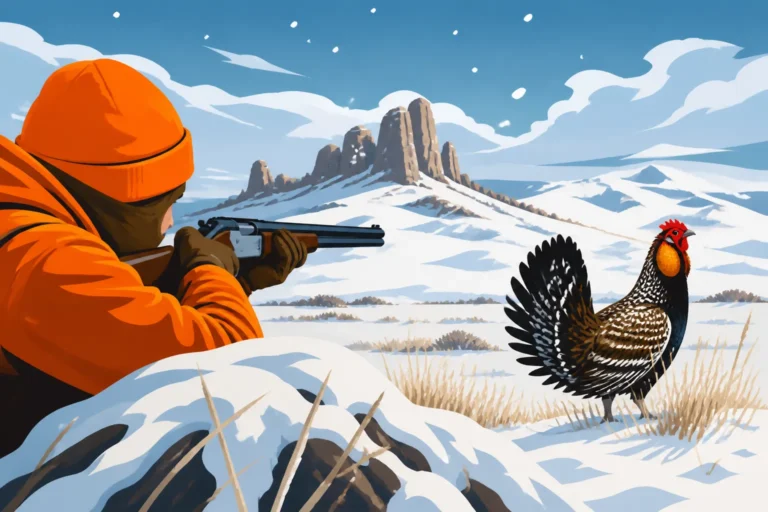
For South Dakota's iconic pheasants and the elusive prairie grouse, prompt action is key. As soon as you retrieve your bird, consider bleeding it immediately. A quick wring of the neck will help, or you can make a small cut to the jugular. This helps cool the carcass and improves meat quality. After bleeding, the birds should go directly into a cooler with ice.
Many hunters prefer to breast out their birds in the field, leaving the rest of the carcass behind. This significantly reduces bulk and allows the meat to cool down even faster. The breast meat, protected by the skin, can then be placed into Ziploc bags and buried in ice. If you prefer to keep your birds whole for plucking later, ensure they are thoroughly cooled in ice and don't let them sit in warm conditions for too long. For a deeper dive into field care, consider "Cleaning Pheasants in the Field".
Waterfowl Considerations
Waterfowl, particularly ducks and geese hunted during South Dakota's earlier seasons, present similar challenges. Like pheasants, immediate bleeding is crucial. Many hunters will clip a wing or make a cut to the throat to facilitate bleeding. Once bled, get those birds into a cooler filled with ice. Ducks and geese have a thick layer of fat and feathers that can insulate them, keeping them warm for longer, so quick cooling is even more important.
Some hunters will gut waterfowl in the field, while others prefer to keep them whole for plucking at home. If keeping them whole, make sure they are completely surrounded by ice in your cooler. Avoid piling them up in a warm truck bed, even for a short drive. The goal is to drop their core temperature as rapidly as possible to prevent any off-flavors that can develop from improper cooling.
Post-Hunt: Processing and Storage
The final stage of meat care begins once you're out of the field. All your efforts in prompt field dressing, active cooling, and careful transport culminate in proper processing and storage, ensuring your meat stays delicious for months to come.
Getting to the Processor Quickly
If you're opting for a professional processor, having a plan in place before you hunt is invaluable. Know their operating hours, especially around peak hunting seasons like the pheasant opener or deer season. Call ahead if possible, especially if you have a large animal or multiple birds. Many small-town processors in South Dakota get overwhelmed, and a delay of even a few hours can be critical in warm weather. You'll want to avoid any situation where your carefully cooled meat is sitting around in a warm holding area. To navigate this, "Finding a Processor During Pheasant Season" offers practical advice on locating and coordinating with local butchers.
When you drop off your animal, ensure the processor understands its condition and your desire for quick handling, especially if it's been a warm weather hunt. A good processor will appreciate your efforts in the field and will have systems in place to continue the cooling process immediately.
At-Home Butchering and Freezing
For those who prefer to butcher their own game, the same principles of cleanliness and speed apply. Set up a clean, cool workspace. Having all your tools ready – sharp knives, cutting boards, a meat grinder, and vacuum sealer – will make the process efficient. Once the meat is boned out, you can begin to package it. Vacuum sealing is the gold standard for freezing game meat, as it removes oxygen and prevents freezer burn, extending the life of your meat significantly.
Consider the cuts you want: steaks, roasts, ground meat, or stew chunks. For some species like deer, many hunters choose to age the meat for a few days in a controlled, cool environment (ideally 34-37°F) before cutting and freezing. This enzymatic process can tenderize the meat and enhance flavor. If you're considering this, consult "Aging Venison Before Cutting" for best practices. Regardless, get the packaged meat into a deep freezer as soon as possible, ensuring it freezes quickly to maintain texture and quality.
Comparing Warm Weather Meat Cooling Methods
Here's a quick look at the pros and cons of common warm-weather meat cooling strategies:
| Method | Pros | Cons | Best For |
|---|---|---|---|
| Immediate Gutting | Stops internal organ heat production, removes bacteria source. | Requires quick action and some basic field dressing knowledge. | All game, crucial first step. |
| Elevation & Airflow | Enhances convective cooling, gets carcass off warm ground. | Dependent on ambient air temp; slow if air is still warm. | Whole carcasses; useful even if quartering later. |
| Ice Pack Method | Rapidly drops core temperature, highly effective. | Requires ice supply, adds weight, potential for meltwater mess. | Large game in hot weather, remote locations. |
| Quartering | Dramatically increases surface area for cooling, easier transport. | Requires more time and skill in the field, more game bags. | Large game, long pack-outs, very warm conditions. |
| Cooler Transport | Maintains low temperature, protects meat from elements. | Requires good coolers and ample ice, can be bulky. | All game; essential for any drive home in warm weather. |
| Field Breast/Bleed | Very fast cooling, reduces weight, ideal for smaller birds. | Only works for specific cuts; may not be legal for all species/regions. | Pheasants, grouse, waterfowl. |
Disclaimer
This guide provides general information for field care and meat preservation. Hunting regulations and carcass transport laws vary by state and species. Always consult the current South Dakota Game, Fish and Parks regulations before hunting to ensure compliance. It's also crucial to practice safe knife handling and proper hygiene when field dressing and processing game.