Why Antelope Meat Gets a Bad Name
It's a familiar groan around hunting campfires, isn't it? Someone brings up antelope meat, and inevitably, you hear the tales: "It tastes like dirt," "It's always gamey," or "You can only make jerky out of it." This perception has unfairly given antelope a bad rap, making many hunters shy away from pursuing these incredible prairie speedsters. But I'm here to tell you that with the right knowledge and a bit of extra care in the field and kitchen, pronghorn can be some of the finest wild game you'll ever taste. This guide will walk you through the real reasons behind the "gamey" myth and, more importantly, how you can consistently put delicious antelope on your dinner table.
The Root Causes of the "Gaminess" Myth
Let's be honest, few things are more frustrating than working hard for an animal, only to have the meat turn out less than stellar. When it comes to antelope, the "gamey" taste that so many complain about isn't usually an inherent quality of the animal itself, but rather a direct result of preventable mistakes. It boils down to a few critical factors that are often overlooked, especially by hunters new to the open prairie.
Heat and Field Care Misconceptions
South Dakota antelope season often kicks off in late August or early September, which can mean blazing hot prairie sun. This is where most of the "bad meat" stories originate. Unlike deer or elk that might be killed in cooler timber or higher elevations, a pronghorn often goes down in direct sunlight, miles from a shaded tree or water source.
The moment an animal is harvested, the clock starts ticking. In high temperatures, bacteria begin to multiply at an alarming rate. If that internal body heat isn't dissipated quickly, it creates a perfect incubator for spoilage. Picture this: you make a beautiful shot on a buck at 10 AM, and it's 85 degrees with a stiff breeze. You take an hour to admire your trophy, snap photos, and then spend another hour figuring out how to get it back to the truck. By the time you've managed to load it, perhaps even thrown it whole into the bed of your pickup, two or three critical hours have passed. The meat, still holding its core body temperature, has already begun to "cook" from the inside out and develop off-flavors. Many hunters, especially those accustomed to deer hunting in colder climates, don't realize just how rapidly a pronghorn can spoil in the intense prairie heat. It's not the antelope's fault; it's the conditions and the lack of immediate, aggressive field care that are the culprits.
Shot Placement and Stress Hormones
Another significant, though less common, contributor to poor-tasting antelope meat is stress. While most hunters aim for a clean, ethical kill, sometimes things don't go perfectly. A shot that hits gut, liver, or non-vital muscle can lead to a prolonged chase or tracking effort. During this stressful period, the animal's body floods with adrenaline and other stress hormones. These chemicals, when not completely cleared from the system, can permeate the muscle tissue, resulting in a distinct, metallic, or simply "off" flavor in the meat.
Think about it from a biological perspective. When an animal is under extreme duress, its body is in fight-or-flight mode. It's releasing everything it has to survive. If that process isn't quickly and cleanly cut short by a well-placed shot, those stress compounds remain. A clean, quick kill allows the heart to pump out most of these chemicals, leaving behind pure, untainted muscle. This is a critical factor for any game animal, but given the widespread perception of "gamey" antelope, it's particularly important to emphasize here. Knowing your rifle and practicing your Practicing Prone Shots on the Prairie can significantly mitigate this risk.
Diet and Habitat Influence
Some folks might tell you that antelope meat tastes like sagebrush because of what they eat. While it's true that a pronghorn's diet—consisting largely of forbs, grasses, and indeed, sagebrush—can impart a very subtle, earthy flavor to the meat, this is rarely the primary cause of truly "gamey" meat. This natural flavor profile is what makes wild game unique and delicious, distinguishing it from domestic beef. It's not a flaw, but rather a characteristic of their incredible adaptability to the prairie ecosystem.
The issue arises when this subtle, natural flavor is compounded by poor field care or stress. Then, what would have been a pleasant, wild taste becomes amplified and distorted, leading to the harsh "gamey" experience. If you've ever had a pronghorn that truly tasted bad, it's far more likely to be a result of improper handling than the animal's diet. A well-cared-for antelope will have a mild, delicate flavor that hints at its wild existence, but doesn't overpower your palate. GoHunt's resources can even help you pinpoint areas with different forage if you're curious about regional variations in taste, though again, field care is paramount. Understanding the nuances of Pronghorn Antelope on the South Dakota Prairie and their habitat helps appreciate the unique flavors they offer.
Essential Field Care for Pristine Antelope Meat
Now that we've pinpointed the common pitfalls, let's talk about the solutions. The difference between "gamey" antelope and gourmet antelope truly begins seconds after the shot. It’s all about aggressive, immediate action to cool that meat down. This is where you, the hunter, become the most crucial link in the chain of producing delicious table fare.
Immediate Field Dressing is Non-Negotiable
This cannot be stressed enough: the moment your antelope is down, you need to get to work. Don't wait. Don't take a lengthy coffee break. Don't spend an hour making phone calls. Get to the animal, confirm it's expired, and immediately begin field dressing. The goal is to remove the internal organs as quickly as possible to stop internal heat production and allow the body cavity to begin cooling.
If you're hunting in warm weather, removing the hide as soon as possible, especially from the hindquarters and backstraps, can make a huge difference. This exposes the muscle tissue to air, allowing it to cool much faster. This isn't always practical for a solo hunter or if you're miles from your vehicle, but prioritize getting the guts out. If you're going to drag or carry the animal, consider the "gutless method" where you quarter the animal in the field, leaving the gut pile behind. This might sound intimidating, but it's incredibly efficient for solo hunters and helps reduce weight and cool the meat rapidly. Each quarter then goes into a game bag. This isn't just a recommendation; it's a golden rule for antelope. For a more detailed walkthrough, refer to guides on Field Dressing an Antelope Fast. Even if you're planning a full shoulder mount, the cape can be preserved separately while the meat is handled for cooling.
Rapid Cooling and Air Circulation
Once the internal organs are out, the next step is aggressive cooling. You need air circulating around the meat. Propping open the body cavity with a stick is a simple but effective trick. If you've quartered the animal, get those quarters into breathable game bags immediately. Synthetic game bags work well, but traditional cloth ones also allow for good airflow and protect the meat from flies and dirt.
Avoid throwing the whole animal, or even unbagged quarters, into the bed of your truck, especially if it's hot. The bed of a truck, especially a black one, can quickly become an oven, doing more harm than good. Instead, find shade if possible. A large tarp can create temporary shade. If you have ice, do not put it directly on the meat without a barrier, as melting ice water can leach flavor and promote bacterial growth if the meat gets waterlogged. Instead, place bagged quarters on a grate or elevated platform over ice in a cooler. This allows cold air to circulate without the meat sitting in water. Some hunters even bring large blankets or sleeping bags to drape over the bagged meat, creating a dark, cool pocket where it can air out without baking in the sun. This step is often overlooked, but it's absolutely crucial for Getting Meat Cooled in Warm Weather. GoHunt's mapping features can sometimes even help you identify potential shade sources or terrain features that might offer a slight thermal advantage.
Transport and Processing Precautions
The journey from the field to the processor or your home freezer is the final critical stage. Your focus should remain on keeping the meat cool and clean. If you're transporting quarters in coolers, make sure the coolers are clean and that the meat is not submerged in water. Use frozen water bottles or block ice, and ensure there’s a barrier or a drain to keep the meat dry. Many hunters will pack their bagged quarters into coolers with frozen jugs of water, which keep things cold without direct contact or messy meltwater.
As soon as you arrive at your destination, whether it's a local processor or your own cutting table, get that meat out of the bags and into a cooler filled with ice (again, dry ice or frozen jugs are preferred, or ensure drainage) or directly into a walk-in cooler. The faster you can get it to a consistently cold temperature, the better. Don't let it sit in a warm vehicle while you run errands or celebrate. If you're using a professional processor, make sure they understand the importance of immediate cooling for antelope. Many smaller towns in South Dakota are accustomed to this, but it never hurts to communicate your expectations. Properly managing Coolers and the Drive Home will ensure your hard work in the field pays off.
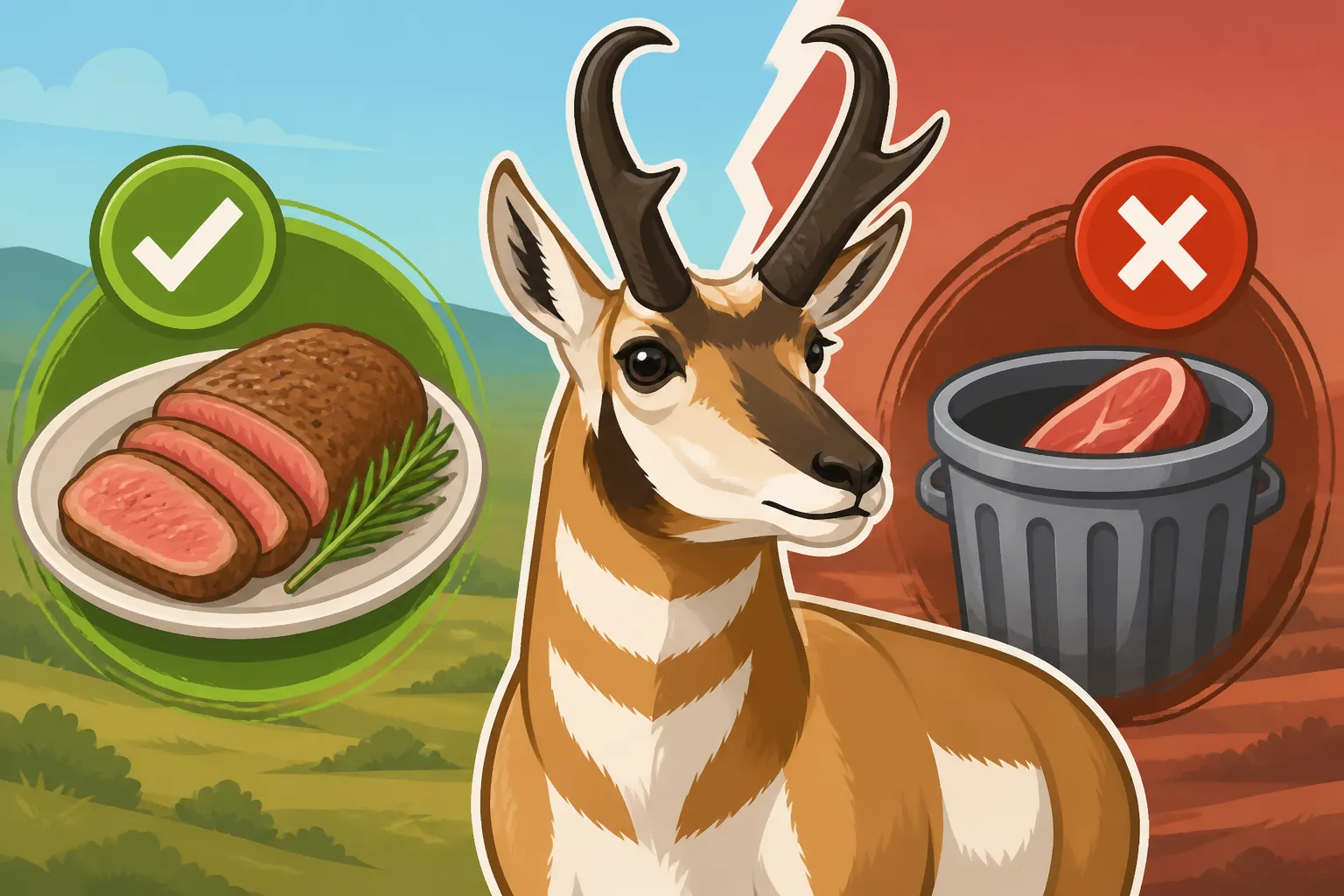
| Good Antelope Field Care Practices | Bad Antelope Field Care Practices |
|---|---|
| Immediate gutting post-kill | Delaying gutting for photos or travel |
| Quartering and skinning quickly | Transporting whole, unskinned carcass |
| Placing meat in breathable game bags | Tossing meat unbagged in truck bed |
| Using ice around bagged meat | Direct ice-to-meat contact for hours |
| Prioritizing shade and airflow | Leaving meat exposed to direct sun |
| Rapid transport to cooler/processor | Lingering in warm truck/garage |
Debunking the Myths: Cooking and Preparation
Even if you’ve done everything right in the field, improper cooking can still lead to a less-than-ideal experience. Many people make the mistake of treating antelope like beef, or they overcook it trying to "kill" the gamey flavor, which only makes it tougher and drier. The truth is, antelope meat is delicate, lean, and requires a different approach than what you might be used to.
The Right Cuts and Cooking Methods
Antelope is incredibly lean, with very little fat marbled through the muscle. This means it cooks much faster than beef or even fattier cuts of venison. Overcooking is the cardinal sin when preparing antelope. If you cook it to well-done, you're essentially ensuring a dry, tough, and potentially "liver-y" tasting experience, regardless of how well it was handled in the field.
The secret is to cook antelope medium-rare to medium. For prime cuts like backstraps or tenderloins, a quick sear on a hot pan or grill, leaving the inside rosy red, is perfect. Treat these cuts almost like a fine steak. For tougher cuts from the hindquarters or shoulders, slow-cooking methods work wonderfully. Think stews, chili, or braises where moisture can be added and slowly infused. Grinding these cuts also makes for fantastic burgers, meatballs, or sausage. Don't be afraid to experiment with different cuts and methods, but always keep its leanness in mind.
Marinades and Flavor Enhancement
Some people mistakenly believe that marinades are meant to "fix" bad game meat. While a strong marinade might mask an already gamey flavor, its true purpose with quality antelope meat is to enhance and complement its natural mildness. Because antelope is so lean, marinades can also help tenderize it and add moisture.
Acidic marinades (vinegar, lemon juice, wine) or those containing enzymes (pineapple juice, papaya) can break down muscle fibers, making the meat more tender. Herbs like rosemary, thyme, and garlic pair beautifully with antelope's subtle wild flavors. Sweet elements like brown sugar or honey can also balance savory notes. A good marinade will elevate the meat, allowing its inherent deliciousness to shine through, not hide it. Think of it as a culinary partnership, not a cover-up. If you've properly handled your Antelope Meat and How to Treat It, you'll find it doesn't need much doctoring.
Recipes That Celebrate Antelope
When you get a clean, well-cared-for pronghorn from the South Dakota prairie, the culinary possibilities are endless. Don't relegate it to just jerky! For a quick and easy weeknight meal, try thinly sliced antelope backstrap, quickly seared in a hot cast-iron skillet with a touch of butter, garlic, and fresh thyme. Serve it with roasted vegetables and a light red wine reduction. The flavor is incredibly rich yet clean.
For tougher cuts, a hearty antelope chili or stew is a fantastic option. Brown the ground or cubed antelope meat, then simmer it with tomatoes, beans, chilies, and your favorite spices for hours. The slow cooking breaks down any toughness, creating a flavorful and tender dish. Antelope burgers, mixed with a little bacon fat or ground pork to add moisture, are another crowd-pleaser. With a little creativity and respect for the animal's lean nature, you'll discover that antelope isn't just edible; it's truly exquisite, proving that its "bad name" is truly undeserved.
Disclaimer
The information provided in this article is for general guidance and informational purposes only. Hunting regulations, seasons, and licensing requirements can change, and it is the hunter's responsibility to consult the latest South Dakota Game, Fish and Parks regulations and obtain all necessary licenses before engaging in any hunting activities. Always prioritize safety and ethical hunting practices.