Hunting Roosters After a Blizzard
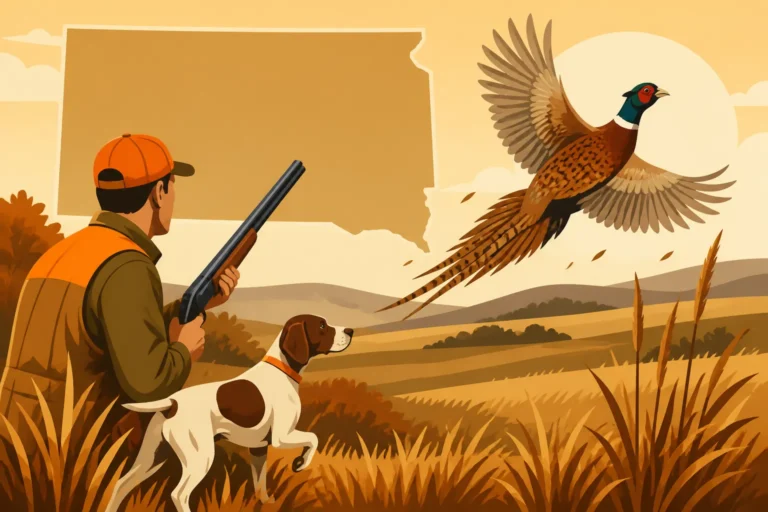
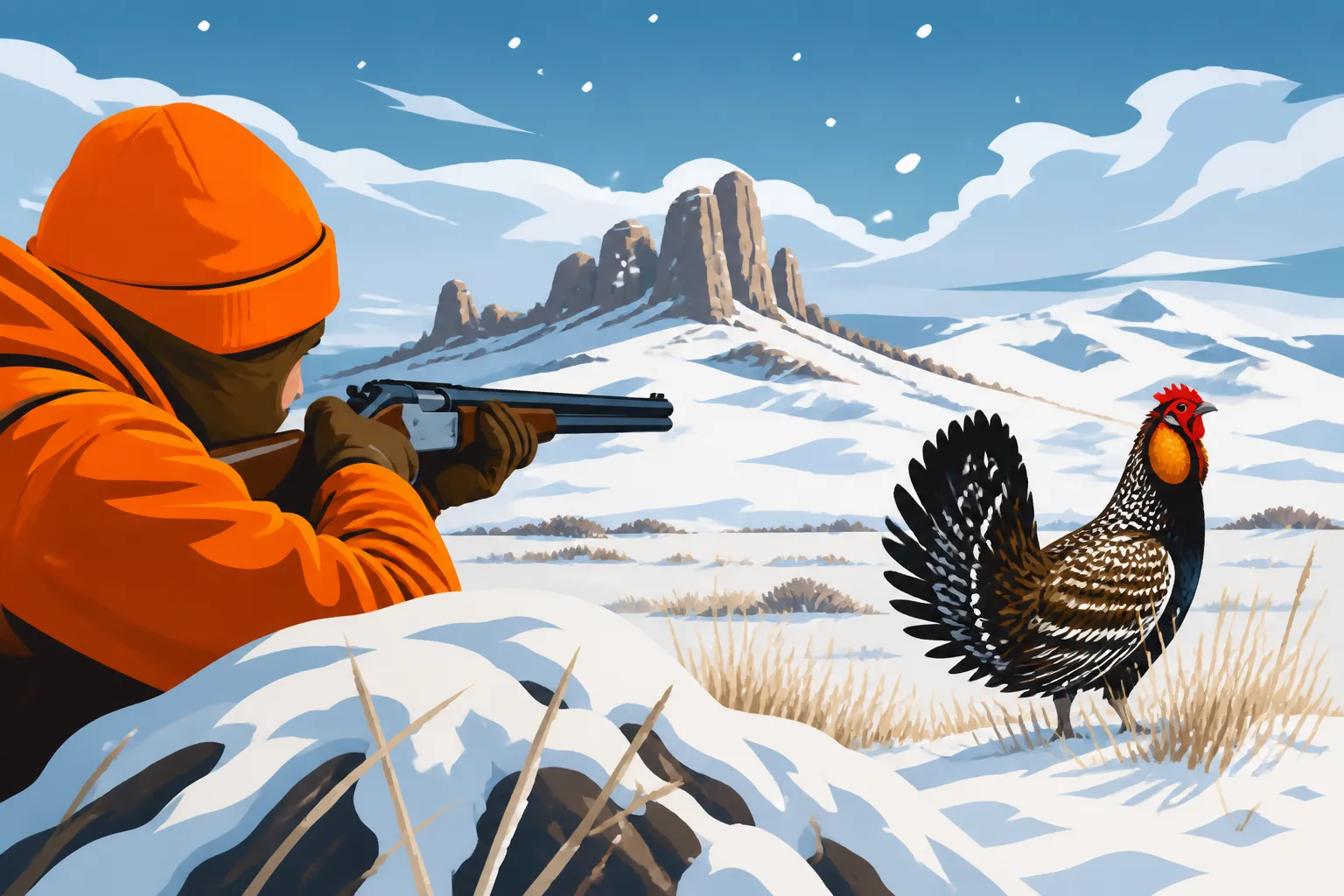
When a fierce South Dakota blizzard sweeps across the prairie, it doesn't just bring snow and wind; it fundamentally alters the hunting landscape and, more importantly, how pheasants behave. Many hunters might feel discouraged, thinking the birds are unfindable, but these challenging conditions actually present a unique opportunity for those willing to adapt. This guide will help you understand the dynamics of hunting pheasants after a blizzard, providing practical strategies and essential preparations to ensure a safe and successful late-season hunt.
Understanding Rooster Behavior After a Blizzard
Blizzards are brutal on pheasants. The intense cold, high winds, and heavy snowfall force these resilient birds to drastically change their routines and seek the densest, most protective cover they can find. Understanding these shifts is key to locating them.
Where Roosters Seek Shelter
After a blizzard, pheasants aren't just looking for cover; they're looking for survival. This means thermal protection, windbreaks, and deep snow to burrow into. Forget the sparse, open fields; roosters will be concentrated in specific, heavy cover types.
- Cattail Sloughs: These are pheasant magnets even in normal winter conditions, but after a blizzard, they become critical fortresses. The dense, interwoven stalks of cattails create insulated pockets that trap warm air and provide a barrier against the wind. Birds will burrow deep into these sloughs, often under drifts, to escape the elements. You'll find them hunkered down so tight that you might walk right past them if you're not meticulous. When pushing these areas, think about Walking and Blocking South Dakota Cattail Sloughs with a deliberate, slow pace to force birds to flush.
- Thick Shelterbelts and Tree Rows: Any substantial stand of trees or shrubs that offers a dense canopy and undergrowth becomes a vital sanctuary. Evergreens, especially cedar or pine rows, are particularly effective at catching snow and forming deep, insulating drifts beneath them, offering superb thermal protection. Deciduous trees, while offering less insulation, still provide excellent windbreaks. Birds will pack into these areas, especially those with shrubby undergrowth or brush piles that offer multiple layers of cover.
- Heavy Thermal Cover: This category includes brushy draws, thick plum thickets, and any other vegetation that creates a microclimate distinct from the open prairie. Even patches of tall, unharvested corn, if dense enough, can provide a surprising amount of thermal cover, especially if snow has drifted heavily into them. These areas offer both physical protection from predators and crucial insulation against the biting cold.
Changes in Feeding Patterns
Food becomes a critical, yet scarce, resource after a blizzard. Pheasants, like all wildlife, need to conserve energy.
- Restricted Access to Food Sources: Deep snow covers most traditional food sources like waste grain in harvested fields, grass seeds, and weed seeds. This forces birds to rely on what little is exposed or what they can access with minimal energy expenditure. They might dig shallow holes in lighter snow, but hard-packed drifts or ice crusts make this impossible.
- Prioritizing High-Energy Foods: When they do venture out, pheasants will be looking for high-energy foods that provide maximum caloric intake for the effort. Exposed corn, sunflower, or milo fields become prime targets. They won't spend much time foraging; it's a quick grab-and-go before retreating to heavy cover. This means their time in food plots or field edges will be brief, likely during the warmest part of the day, making patience and proper timing essential for hunters.
- Delayed and Shorter Foraging Bouts: Unlike fair-weather days where birds might feed for extended periods, post-blizzard feeding windows are short and typically occur later in the morning once temperatures have risen slightly and the wind has died down. This is where Ten a.m. Start Times and Bird Behaviour becomes especially relevant, as birds might not emerge until then, or even later. Hunting first light is often a wasted effort; focus your energy on mid-morning to early afternoon.
Reduced Mobility and Reluctance to Flush
This is perhaps the most significant behavioral change hunters need to understand.
- Energy Conservation: Every movement a pheasant makes after a blizzard expends precious energy needed for survival. Running through deep snow is exhausting, making birds extremely reluctant to leave the security of their heavy cover. They'd rather sit tight and hope you walk past them.
- Snow as Insulation and Concealment: Deep snow isn't just a barrier; it's also a blanket of insulation and an excellent medium for concealment. A rooster can hunker down in a snow drift, allowing the snow to cover its back, making it almost invisible to predators and hunters alike. This allows them to hold incredibly tight, often flushing at your feet or even only after a dog has put a nose right on them.
- Impact on Flushing Behavior: Expect birds to hold until the absolute last second. Instead of running ahead or flushing wild, they will often sit through several passes of a dog or hunter before bursting out with an explosive flush. This requires a much slower, more deliberate hunting pace and thorough coverage of every inch of likely cover. It can be frustrating, but knowing why they do it helps you adapt your approach.
Key Gear and Preparation for Winter Hunts
Hunting after a South Dakota blizzard isn't just cold; it can be downright dangerous if you're not properly equipped. The right gear and thorough preparation are non-negotiable for safety and success.
Layering for Extreme Cold
The prairie wind coupled with sub-zero temperatures can quickly lead to hypothermia if you're not dressed correctly. Layering is an art form in these conditions.
- Base Layers: Start with a high-quality, moisture-wicking synthetic or merino wool base layer. This is crucial for pulling sweat away from your skin, even when you're working hard, preventing the chilling effect of evaporating moisture. Avoid cotton at all costs; once wet, it loses all insulating properties.
- Mid-Layers: Add insulating mid-layers like fleece or down vests/jackets. These layers trap warm air close to your body. Think about active insulation for when you're moving and more robust insulation for when you might be standing or blocking. For colder, windier days, consider a heavier fleece or even a synthetic puffer jacket as a mid-layer.
- Outer Shell: Your outer layer needs to be both windproof and waterproof. A good quality hunting jacket designed for cold weather will have these features. The wind is often the biggest enemy on the open South Dakota prairie. Look for durable fabrics that can withstand briars and heavy cover. Pay attention to how well your jacket moves; you still need to swing your shotgun freely. To help plan your system, consider our guide on Layering for South Dakota Wind.
- Head, Hands, and Feet: Don't forget these critical areas. A warm, windproof hat (or a balaclava/facemask) is essential. Insulated, waterproof gloves are a must, perhaps with thinner liner gloves underneath for dexterity when handling your firearm or dog leads. Pack multiple pairs of socks – merino wool is excellent – and consider chemical hand and foot warmers for extra comfort.
Footwear and Traction
Walking through deep, crusted, or drifted snow is physically demanding and poses a slipping hazard. Your feet will take a beating, so protecting them is paramount.
- Insulated and Waterproof Boots: Choose boots specifically rated for sub-zero temperatures. Look for a minimum of 800-1200 grams of Thinsulate or similar insulation. Critically, they must be completely waterproof to keep your feet dry when post-holing through snowdrifts or slogging through wet cattails. Consider models with a higher shaft to prevent snow from entering. Muck Boots or similar rubber boots with heavy insulation are often preferred by many seasoned hunters for their waterproof capabilities in wet snow and slush. Our guide on Boots for Walking Cattails All Day offers more insights into ideal footwear.
- Aggressive Tread: The sole of your boots needs an aggressive, multi-directional tread pattern to provide traction on slippery, uneven surfaces, icy patches, and through deep snow. Nothing ruins a hunt faster than a fall that sprains an ankle or worse. Test your boots for grip before you head out.
- Gaiters: These are a game-changer in deep snow. Gaiters cinch around your lower leg and over your boot tops, preventing snow from getting inside your boots and soaking your socks. This not only keeps your feet dry and warm but also prevents uncomfortable chafing. Choose durable, waterproof gaiters that are easy to put on and take off.
Essential Survival Items
Even a short hunt can turn into a serious situation if conditions worsen or you become disoriented. Always be prepared for the unexpected.
- Navigation Tools: A fully charged GPS device (like a dedicated Garmin handheld or a reliable app like the one offered by GoHunt on your phone) with offline maps is vital. Pair it with a traditional compass and a physical map. Cell service can be spotty or nonexistent in many parts of the South Dakota prairie, so don't rely solely on your phone. Understand how to use your tools before you're in a whiteout.
- Fire Starter and Emergency Shelter: Pack waterproof matches or a lighter, along with some tinder (like cotton balls soaked in petroleum jelly). A small space blanket or emergency bivvy can provide crucial protection from the elements if you get stranded or need to treat an injury.
- First Aid Kit: A well-stocked kit should include bandages, antiseptic wipes, pain relievers, and any personal medications. Don't forget moleskin for blisters. Consider carrying a tourniquet if you know how to use one.
- Food and Water: Pack high-energy snacks like granola bars, nuts, or jerky. Even in cold weather, staying hydrated is important, so bring a water bottle (insulated to prevent freezing) or a thermos with a warm drink.
- Communication: A satellite messenger (like a Garmin InReach or Spot device) is highly recommended for areas with no cell service. At a minimum, ensure your phone is fully charged and consider a portable power bank. Always tell someone your hunting plan, including your intended route and expected return time. This is critical for personal safety and can be a lifesaver.
Vehicle Preparedness
Your vehicle is your lifeline to and from the hunting grounds, and getting stuck after a blizzard is a dangerous scenario.
- Fuel and Fluids: Start with a full tank of gas. Check your oil, antifreeze, and windshield wiper fluid levels. Make sure your tires are properly inflated and have good tread.
- Recovery Gear: Always carry a shovel, a tow strap, traction mats or chains, and a small air compressor. Getting stuck on a snow-covered South Dakota Prairie Two-Track is a common occurrence, and being able to self-recover can prevent a very cold night.
- Emergency Kit: In addition to your personal hunting survival gear, keep a separate emergency kit in your vehicle. This should include extra blankets, warm clothing, non-perishable food, water, a bright flashlight, jumper cables, and a fully charged spare battery pack for your phone.
- Charging Cables: Keep charging cables for all your electronic devices (phone, GPS, handheld radio) readily accessible in the vehicle.
Effective Hunting Tactics in Post-Blizzard Conditions
Hunting after a blizzard requires a significant shift in tactics. Birds are concentrated, holding tight, and their movements are predictable. This plays into the hands of a patient and methodical hunter.
Focusing on Heavy Cover
This is where the birds are, period. Don't waste time in marginal habitat.
- Prioritize Thermal Refuges: As discussed, hit the dense cattail sloughs, thick shelterbelts, plum thickets, and deep, brushy draws first. These are the survival zones. Don't just walk the edges; you need to penetrate deep into these areas.
- Working Thicker Tree Rows: Instead of walking just one side of a tree row, consider positioning blockers at the end and walking both sides if possible, or systematically driving through the thickest parts. Birds will use the deep snow and tangled branches for cover, even in what might seem like sparse cover normally. Referencing how to Working South Dakota Shelterbelts for Roosters can provide more detailed strategies for these specific cover types.
- Systematic Gridding: For larger blocks of heavy cover, employ a systematic grid pattern. This ensures no rooster is overlooked. Overlap your passes slightly to account for birds holding incredibly tight. If you're with a group, coordinate your lines carefully to maintain spacing and safety.
Slower Paces and Thoroughness
The old adage "slow and steady wins the race" was never more true than when hunting post-blizzard pheasants.
- Creeping Through Cover: Walk at a snail's pace. Think about "creeping" through the cover rather than walking. Take small steps, pausing frequently. These pauses often cause nervous birds to flush, thinking the threat has passed. The goal isn't to cover ground quickly; it's to force every bird within that cover to fly.
- Leaving No Stone Unturned: Don't bypass small pockets of cover or seemingly insignificant brush piles. A single rooster could be tucked into the smallest cluster of weeds, especially if it offers a slight bit of thermal protection or a small snow drift to hide in. Be prepared for birds to flush from literally underfoot.
- Multiple Passes: If a piece of cover looks particularly promising and isn't too large, consider making multiple passes from different angles. Birds that initially held tight might flush on a second or third pass as the pressure increases. This is especially true in very dense cattails where visibility is limited.
Leveraging Dogs for Scent and Retrieval
A good dog is an invaluable asset in these conditions, arguably even more so than on a normal hunting day.
- Importance of a Strong Nose: Deep snow and cold can diminish scent, but a good dog with a powerful nose will still be able to find birds that are buried or holding tight. Their ability to pinpoint hidden birds is critical. Dogs can follow the minimal scent trails that human hunters often miss, especially when birds have been stationary for a while.
- Protective Gear for Dogs: Don't forget your hunting partner's comfort and safety. Consider a dog vest to protect against briars and sharp ice, and to add a layer of warmth. Many vests are also brightly colored for visibility. Check paw pads frequently for ice buildup, cuts, or frostbite. Some hunters use paw balms or booties, especially in harsh conditions. Keep them hydrated with warm water. This becomes even more critical in conditions where your dog is Keeping a Dog Cool on an Early Opener, but the principle of care applies to all conditions.
- Assisted Retrieval: In deep snow, a downed bird can quickly disappear. A dog's ability to mark and retrieve is crucial, saving you time and effort in potentially dangerous terrain. Without a dog, finding a rooster that falls into a deep drift can be nearly impossible, especially if it's still alive and attempts to run or burrow.
Choosing the Right Time of Day
Timing is everything when hunting post-blizzard.
- Mid-Morning Warmth: As mentioned earlier, pheasants won't be moving much at dawn. The best time to hunt is usually from mid-morning (10 AM onwards) through early afternoon. This allows the sun to warm the air slightly, making it more comfortable for birds to move and feed. It also gives any frost or light crust on the snow a chance to soften, making movement easier for both birds and hunters. This is a common strategy for Where Roosters Sit at Midday, even in milder late-season conditions.
- Focusing on Feeding forays: While birds will primarily be in heavy cover, they will make short forays into accessible food sources during this warmer period. Positioning yourself strategically near these transitions, or driving cover adjacent to them, can be highly effective. The GoHunt app can help identify these transition zones on detailed satellite imagery, even after heavy snow.
Using Terrain to Your Advantage
Topography isn't just for big game; it plays a role in pheasant hunting too.
- South-Facing Slopes: These areas receive more direct sunlight and can be noticeably warmer, melting snow faster and potentially exposing more food. Birds will often gravitate to these slopes to bask in the sun and conserve energy.
- Draws and Depressions: These natural features provide excellent windbreaks and can accumulate deep snow, creating ideal thermal cover. They also offer natural travel corridors for birds moving between different cover types. Working these draws carefully can often yield multiple flushes.
Safety Considerations and Field Care
Safety should always be your top priority, especially when hunting in the extreme conditions that follow a blizzard.
Recognizing Hypothermia and Frostbite
These are real and present dangers on the South Dakota prairie in winter.
- Hypothermia Symptoms: Shivering (initially, then ceasing as it worsens), confusion, slurred speech, drowsiness, and loss of coordination are all signs. If you or a hunting partner exhibit these symptoms, get to warmth immediately.
- Frostbite Symptoms: Numbness, tingling, waxy skin that appears white or grayish, and hardening of the affected area (most commonly fingers, toes, ears, and nose). Do not rub the affected area. Seek medical attention. Prevention is key: wear appropriate gear, stay dry, and monitor yourself and your companions.
- Staying Hydrated and Fed: Adequate food and water help your body generate heat. Don't skip meals or neglect hydration, even if you don't feel thirsty. Warm drinks in a thermos can be a huge morale booster and help maintain core temperature.
Navigation and Communication in Whiteout Conditions
A beautiful bluebird day can turn into a ground blizzard with surprising speed on the prairie.
- Pre-Hunt Planning: Always check the forecast thoroughly and have a backup plan. Identify landmarks before the snow starts to fly. If a whiteout is possible, seriously reconsider hunting.
- Using GPS and Compass: As mentioned, carry multiple navigation tools. If visibility drops to zero, stop, stay calm, and use your GPS to orient yourself. Don't panic and wander aimlessly. Your GoHunt mapping app can be incredibly helpful here, showing your exact location even without cell service.
- Staying Together: Hunt with a partner or group. In a whiteout, it's easy to get separated. Use whistles or two-way radios to stay in communication. Set predetermined rendezvous points if you do get split up.
- Sharing Your Plan: Always inform someone reliable (a family member, friend, or lodge staff) of your exact hunting location, planned route, and expected return time. This is non-negotiable for safety. If you don't check in, they know where to start looking.
Game Retrieval in Deep Snow
Finding a downed bird in deep snow can be challenging, but it's your responsibility to make every effort.
- Mark the Fall: When you shoot, fix your eyes on where the bird falls and pick out a landmark. Deep snow makes it easy for birds to disappear.
- Utilize Your Dog: A good retriever is a huge asset here. Trust their nose to find birds that might be completely buried.
- Systematic Search: If you don't have a dog, or the dog is struggling, establish a systematic search pattern around the fall area. Start in a tight spiral, expanding outwards. Don't give up too quickly.
- Field Dressing in Warm Weather: While it might not seem relevant, knowing Field Dressing in Warm October Weather can still inform you on proper game care principles, emphasizing the need for quick and clean handling, even in the cold. In cold weather, cooling isn't an issue, but cleanliness and preventing snow contamination are.
Emergency Planning and Sharing Your Hunt Plan
Preparedness isn't just about gear; it's about anticipating problems and having solutions ready.
- Emergency Contact List: Carry a laminated card with emergency contacts (family, local law enforcement, GFP, medical) in your pack, separate from your phone.
- Vehicle Access: Park your vehicle in a way that allows for a quick exit if conditions rapidly deteriorate. Don't block gates or access roads. Ensure it's clear of potential snowdrifts.
- Know Your Limits: Be realistic about your physical capabilities and those of your hunting partners and dogs. Hunting in deep snow is incredibly taxing. If you're feeling exhausted or the weather takes a turn for the worse, call it a day. A pheasant isn't worth risking your life.
- Local Knowledge: Before heading out, check local road conditions and weather advisories. The South Dakota Department of Transportation website is an excellent resource for this. Local knowledge is invaluable for understanding how quickly conditions can change.
Hunting pheasants after a blizzard in South Dakota can be incredibly rewarding. The birds are concentrated, often holding tight, and the snowy landscape is beautiful and serene. But it demands respect for the elements, meticulous preparation, and a willingness to adapt your hunting style. By understanding how roosters behave, equipping yourself appropriately, and implementing smart tactics, you can turn a daunting winter landscape into an unforgettable hunting experience.
Disclaimer
Hunting is an inherently dangerous activity. This guide provides general information and recommendations. Always prioritize safety, adhere to all local and state hunting regulations, and be prepared for rapidly changing weather conditions. The author and publisher are not responsible for any accidents, injuries, or legal infractions that may occur during your hunting activities. Always hunt responsibly and ethically.