Access Routes That Do Not Blow Out Birds
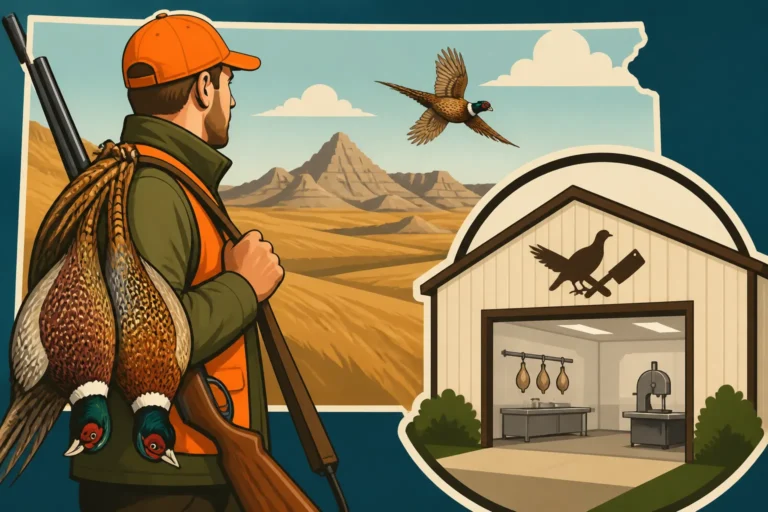
It's an all too common, soul-crushing experience: you pull up to what looks like a prime piece of South Dakota pheasant cover, full of anticipation, only to watch a handful of roosters flush wild, a quarter-mile away, practically laughing at your approach. You haven't even opened your truck door, and the hunt feels over before it's begun. This frustrating reality stems from a simple truth: how you access a hunting area can be just as crucial as the area itself. This guide will dive deep into strategies for choosing smart access routes that help you get closer to the birds without inadvertently pushing them out of the county.
Understanding Why Birds "Blow Out"
Before we can even talk about smart access, we've got to understand the enemy: the wily pheasant. These birds aren't just pretty to look at; they're incredibly adept at survival, especially when they've been pressured. Ignoring their natural instincts and learned behaviors is a surefire way to send them packing long before you're in shooting range.
The Rooster's Escape Plan
A rooster pheasant's primary defense mechanism isn't its ability to fly. Oh no, not at all. Its first line of defense is its uncanny ability to run, often silently and unseen, through even the sparsest cover. Think about it: a pheasant's natural instinct when it senses danger isn't to blast into the air and become an easy target. Instead, it prefers to keep its feet on the ground, utilizing its speed and low profile to melt away into the landscape. They'll hug the ground, use every little dip, crease, and clump of grass to their advantage, often running hundreds of yards before finally flushing if cornered.
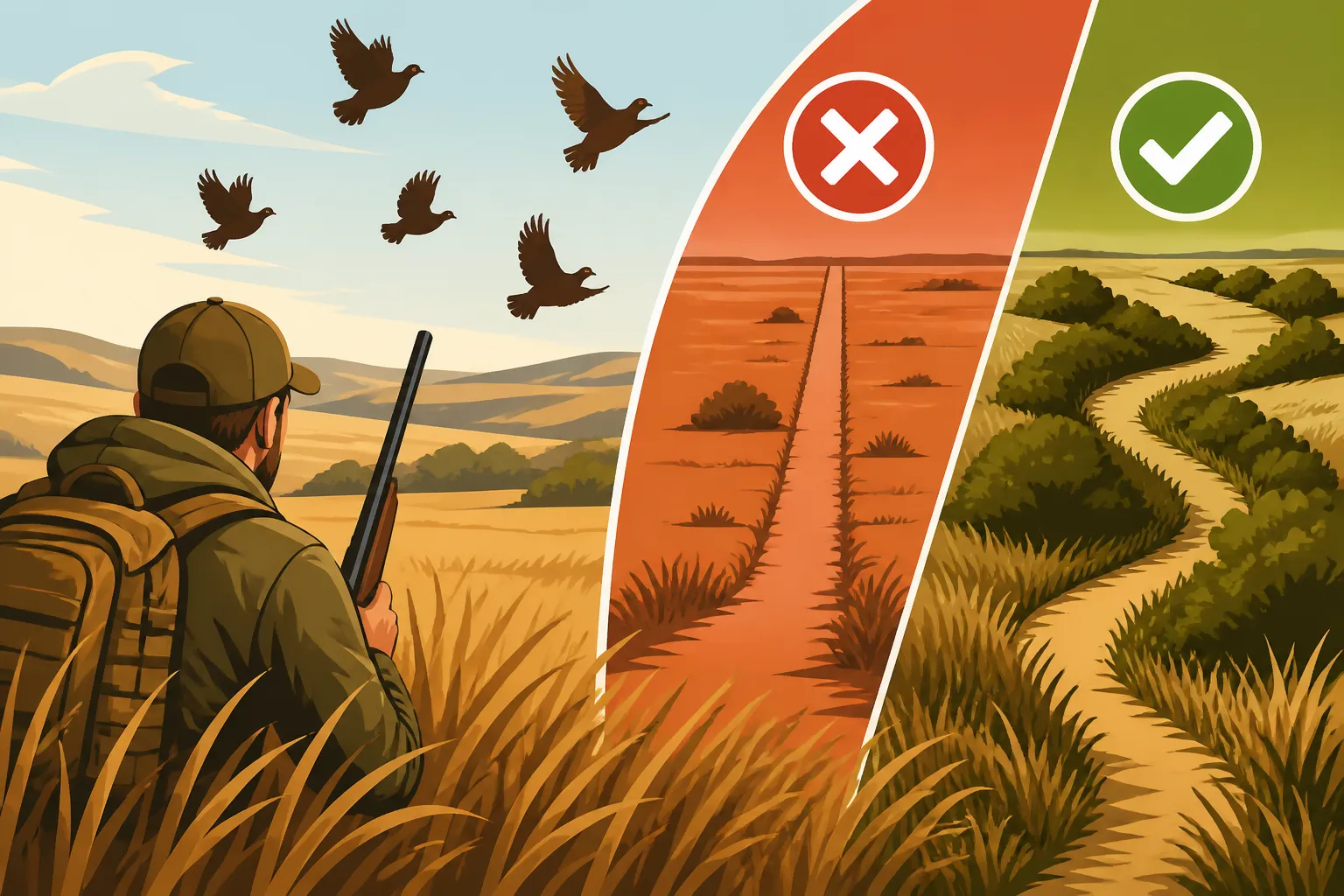
When you approach a field or slough, even if you’re trying to be quiet, the roosters inside often detect your presence long before you see them. It could be the sound of your vehicle, the crunch of gravel under tires, the scent carried on the wind, or even just your silhouette against the horizon. Once they sense you, their internal alarm system kicks in, and they instinctively start running. If you've approached from the "wrong" direction – say, directly into the open end of a field with no blockers – they'll simply run out the back and disappear over the next rise. They've effectively "blown out" because your initial access point gave them an easy escape route, and their natural running instincts kicked in long before you were close enough to influence their movement. This isn't just a random act; it's a calculated (though instinctual) move to preserve their hides.
Impact of Hunting Pressure
Now, take that natural escape plan and add a layer of human-induced education, and you've got yourself a truly challenging bird. Pheasants on public land, or even on frequently hunted private ground, quickly become what we call "wiser" birds. They're not just reacting to basic threats; they're associating specific triggers with danger. Think about it: every truck that rumbles down the road, every door slam, every group of hunters walking a fence line is a lesson for those birds. They learn. They adapt.
These pressured pheasants learn to differentiate between a farmer's tractor, which usually means no harm, and a hunter's pickup, which means trouble. They learn that vehicles slowing down near good cover means it's time to bail. They'll also recognize the rhythm of typical drives. If hunters consistently push from the south to the north, those birds will start to stage on the north end, ready to slip out before the line even gets close. This is why a simple, direct approach often fails on heavily hunted parcels. The birds have been "educated" by previous encounters, and their escape tactics evolve. They become more prone to running even further, holding tighter until the absolute last second, or making unexpected breaks to the sides rather than a predictable flush. Understanding these learned behaviors is paramount to developing access routes that minimize alerting these cunning birds.
Scouting Your Access Points for Success
You wouldn't head into a major business negotiation without doing your homework, right? The same principle applies to hunting South Dakota pheasants. "Winging it" is a recipe for frustration, especially when it comes to those critical first steps of accessing a field. Smart scouting, both from your couch and on the ground, will give you a significant advantage in getting close to birds without spooking them.
Leveraging Digital Mapping Tools
In this day and age, our smartphones and computers are powerful scouting tools. Forget driving countless miles just to look at ground; you can do a surprising amount of reconnaissance right from your living room. Digital mapping platforms are indispensable for identifying cover, understanding terrain, and, most importantly, planning your approach. Tools like onX Hunt, BaseMaps, and even dedicated platforms like GoHunt provide satellite imagery, public/private land boundaries, and topographic data that can dramatically inform your access strategy.
Before you even leave home, pull up your target area. Look for dense cover like cattail sloughs, shelterbelts, thick grass, or even standing corn. These are your prime holding spots for birds. Now, critically, look at the edges of this cover. Where are the thinner sections? Where does the cover abruptly end, meeting a road or an open field? These are potential escape routes. Also, identify any natural travel corridors – fence lines, shallow draws, even subtle changes in elevation that birds might use to move unseen. Pay close attention to roads and two-tracks. You want to identify the quietest, most inconspicuous way to get near your desired starting point without driving directly into the birds' bedroom. For instance, if a field has a road running along its entire east side, but a narrow, less-used two-track borders the north, that northern route might offer a quieter, less expected approach. Using these digital tools helps you visualize the flow of the land and mentally walk through your hunt before you've even touched your boots to the prairie, allowing for far more strategic entry points than simply pulling off the main highway. It's truly a game-changer for E-Scouting Walk-In Areas Before the Season.
On-the-Ground Reconnaissance
As fantastic as digital maps are, they're only half the battle. There's no substitute for seeing the ground with your own eyes, especially when it comes to current conditions and subtle details. This doesn't mean driving your truck right up to the cover you plan to hunt at high noon. Instead, it means a slow, quiet drive around the perimeter of the property, well before you plan to hunt it, or even the day before. You're not looking to hunt right now; you're gathering intelligence.
Look for fresh tracks along field edges, especially where birds might be feeding or crossing into thicker cover. Are there any visible roosting areas that might indicate where birds are starting their day? Check for fresh droppings or dusting bowls, which are clear signs of recent bird activity. Observe neighboring fields and woods. Where are other hunters parking? Are there any obvious high-pressure spots? The goal is to gauge real-time bird presence and get a feel for how the birds might be using the cover today, not just how it looks on a satellite image. A quick drive-by can also reveal crucial details like a newly cut hayfield, standing water you didn't see on the map, or a locked gate that changes your entire access plan. This quick, quiet observation allows you to make last-minute adjustments to your approach, ensuring you're not walking into a situation that's already blown. This kind of nuanced understanding of Hunting Pressure Patterns on Walk-In Areas can truly separate a successful day from a frustrating one.
Strategic Entry and Approach Tactics
Once you've done your homework, both digitally and on the ground, it's time to put that knowledge into action. The actual act of getting into the field is where many hunts go awry. It's about more than just walking; it's about a calculated, quiet entry that minimizes disturbance and maximizes your chances of a flush in range.
The "Back Door" Approach
Think about how most hunters approach a field. They often pull up to the most obvious access point, usually along a road or a visible parking area, and start walking into the cover. For pressured birds, this is a highly predictable and easily avoided threat. The "back door" approach is about doing the opposite: accessing the cover from the least expected angle, often the side that birds typically escape to.
This usually involves a longer, quieter walk-in to get to the "back" or "far" end of a field or slough. The idea is to position yourself ahead of the birds' natural escape route, or to come in from a direction that's less visible and audible. For example, if you have a long, narrow strip of cattails that runs east to west, and the prevailing wind and historical pressure indicate birds always run to the west, you might consider parking on the west end and making a wide, quiet loop to access the east end. Then, you'd push west. This strategy often catches birds off guard because they're used to being pushed from the east. It forces them to either hold tight, attempting to let you pass, or to flush when they realize their usual escape is blocked. Terrain features are your friend here. Using a coulee, a low ridge, or even a wide drainage ditch to mask your approach, keeping you out of sight until you're in position, can be incredibly effective. This strategic entry is a core component of South Dakota Pheasant Hunting Tactics for the Opener.
Utilizing Wind and Sun to Your Advantage
The wind and sun are two natural elements that you can either ignore to your detriment or harness to your benefit. Smart hunters always factor them into their access and hunting plans.
First, let's talk wind. Always, always, always try to approach and hunt into the wind when possible. There are several reasons for this. Most importantly, it carries your scent away from the birds. Pheasants have a decent sense of smell, and while not as acute as a deer's, they will certainly catch human odor carried on a strong breeze. By walking into the wind, you reduce the chances of birds smelling you before you see them. Secondly, it helps your dog work more effectively. A good bird dog uses its nose to locate scent cones from pheasants, and working into the wind allows them to pick up that scent more reliably and pinpoint birds accurately. Lastly, birds generally prefer to flush into the wind, as it aids in their takeoff. If you're pushing into the wind, birds are more likely to flush back towards you or to the sides, giving you a better shot opportunity as they fight the headwind to gain altitude.
Now, consider the sun. Early morning or late afternoon hunts can present challenges with low-angle sunlight. Ideally, you want the sun at your back. This does two things: it illuminates the cover ahead of you, making it easier for you to spot birds or subtle movements, and it can actually obscure you slightly from the birds' vision, making you a less distinct silhouette. Imagine looking directly into the setting sun – it's tough to see details. Birds face a similar challenge when you approach with the sun at your back. Of course, perfect conditions are rare, but being mindful of wind direction and sun angle when choosing your access and initial push can make a huge difference in how successful your hunt will be.
Vehicle and Foot Travel Considerations
You've planned your approach, you've got the wind and sun working for you, but it can all unravel in the final moments of getting out of your vehicle and starting your walk. The sounds and sights associated with human activity are like alarm bells to wary pheasants. Thinking critically about your vehicle placement and initial steps can keep those birds from giving you the slip.
Parking Smart and Quietly
One of the biggest mistakes hunters make is driving their vehicle right up to the very edge of the cover they intend to hunt. This is a massive, flashing neon sign to every pheasant within earshot that danger has arrived. Roosters, especially those on frequently hunted public land or even leased ground, quickly associate the sound of a truck pulling up and doors slamming with hunting pressure. They'll start running immediately.
The solution is simple but requires a bit more effort: park further away than you think you need to. Choose a spot that's not directly adjacent to the prime cover. Look for a natural break in the landscape, a small rise, or even a different type of cover altogether, like a patch of trees or a building, to shield your vehicle from the birds' view and muffle sound. A quarter-mile walk across open grass before you even reach the real cover can be a great investment if it means the birds haven't been alerted. When you do park, be mindful of noise. Close doors quietly, avoid loud conversations, and organize your gear before you get to the field edge. Every little bit of stealth helps. If you're hunting with a group, coordinate your arrival so you're not all pulling up and slamming doors simultaneously. This often overlooked detail about Parking Away From the Cover You Hunt is absolutely critical for success.
Walking In Before Legal Shooting Time
This tactic is particularly effective for pheasant hunting, especially during the early hours of the season when birds are still in their roosting cover. South Dakota's pheasant shooting hours typically don't begin until 10:00 AM for the general season. This provides a golden window of opportunity for the savvy hunter.
Instead of waiting until 10:00 AM to drive up and start your hunt, consider arriving earlier, say around 9:00 or 9:30 AM. Park your vehicle discreetly, as discussed above, and then make a quiet, slow walk into your starting position. The goal is to be in place, ready to hunt, right at legal shooting time. Why does this work? In the early morning, pheasants are still often in their roosting cover – heavy grass, cattail sloughs, or dense shelterbelts. They haven't moved out to feed yet. By quietly getting into position before they're expecting pressure and before they've started their daily routine, you're catching them at their most vulnerable. You're essentially beating other hunters to the punch and allowing the birds to settle into a false sense of security before the "hunt" officially begins. This strategy aligns perfectly with understanding Ten a.m. Start Times and Bird Behaviour, maximizing your chances for a productive hunt during those crucial first few minutes of legal shooting.
Group Dynamics and Communication
Pheasant hunting, especially in South Dakota's expansive cover, is often a team sport. Whether you're a small group of two or three or a larger party of half a dozen or more, how you coordinate your movements and communicate with each other is paramount to success. A disorganized group is a sure way to let roosters slip through the cracks, negating all your careful access planning.
Coordinated Drives and Blocking
When hunting larger pieces of cover like a significant cattail slough, a vast block of CRP, or a long shelterbelt, effective coordination between "pushers" and "blockers" is non-negotiable. Pushers are the hunters who walk through the cover, ideally with dogs, driving birds forward. Blockers are positioned at the far end or along the sides of the cover, waiting for birds that run out or attempt to flush early.
The challenge comes in ensuring the birds don't simply run out past the blockers or flush to the side where no one is waiting. This requires precise communication. Before starting the drive, the group needs to agree on the exact boundaries of the drive, the expected speed of the push, and the positioning of each hunter. Walkie-talkies or simple hand signals can be invaluable here. Blockers need to know when the pushers are getting close, and pushers need to know if birds are trying to break out prematurely. A common mistake is blockers being too far back, allowing birds to escape, or pushers moving too fast, sending birds flying out of range. A slow, methodical push, with consistent spacing between hunters and dogs, allows birds to be pushed into the blockers effectively. Conversely, blockers need to remain absolutely still and silent until the pushers are close enough to compress the birds, forcing a flush within shooting range. This kind of planning is critical when you're looking for the Best Way to Push a Cattail Slough or executing larger Pushing a Cattail Slough With Blockers strategies.
Silence and Stealth
While coordinating a drive, it’s easy for the excitement to build, leading to chatter, loud commands, or unnecessary noise. Remember, pheasants have excellent hearing, and excessive noise is just another warning sign. Just like when you're accessing the field, maintaining relative silence throughout the drive is crucial.
This means minimizing talking, keeping dog commands crisp but not shouting, and moving with purpose but not frantic haste. A sudden shout, a loud whistle, or an unnecessary slam of a tailgate (if someone is moving a vehicle) can send birds running or flushing prematurely, ruining the setup. Even the subtle sounds of gear clanking or boots shuffling loudly can be enough to put wary roosters on high alert. If you’re with a group, designate one person to give primary commands, especially for the dogs, to avoid confusion and excess noise. Furthermore, focus on moving at a consistent, steady pace. Erratic movements – suddenly speeding up, then stopping abruptly – can also make birds nervous. If you’re hunting with dogs, make sure they are well-trained and responsive to commands, as an out-of-control dog can make a lot of unnecessary noise and blow birds out. Remember, the goal is to surprise the birds, not announce your arrival with a parade.
Adapting to Different Cover Types
South Dakota offers a fantastic mosaic of pheasant habitat, from vast open grasslands to dense, impenetrable cattail sloughs. Each type of cover presents unique challenges and demands a different approach when it comes to access and hunting strategy. What works in one area might be entirely ineffective in another, and understanding these nuances is key to consistent success.
Open Fields and Grasslands
Hunting pheasants in wide-open fields or expansive grasslands can be deceptively challenging. While the birds might seem exposed, they have a massive advantage: they can see you coming from a mile away. In these environments, pheasants are less likely to hold tight and more likely to run, often making long, ground-hugging dashes to the nearest ditch, fence line, or patch of thicker cover.
Your access strategy here needs to focus on stealth and creating an inescapable funnel. Instead of driving straight into the middle of an open field, park well out of sight and make a long, circuitous approach on foot, using any available terrain breaks, rises, or even fence lines to mask your movement. Consider a wider spread for your hunting party, effectively creating a broader net to sweep the field. Instead of pushing in a straight line, which allows birds to run ahead and flank you, try to angle your approach or use the natural contours of the land to subtly push birds towards a pre-determined blocking point—perhaps a road ditch, a small patch of heavier cover, or a corner of the field. In these open conditions, birds can spot you and slip away quickly, so identifying those subtle escape routes on your GoHunt map beforehand is crucial. You might have to walk a lot more to get into position, but that extra effort often pays off by putting you within range of these visibility-savvy birds.
Heavy Cover and Cattail Sloughs
On the opposite end of the spectrum, we have the legendary South Dakota cattail sloughs and other heavy, dense cover types like plum thickets or very tall, mature grass stands. These areas are pheasant magnets, offering superb protection from predators and brutal winter weather. However, they also present a significant challenge for hunters due to their thickness. Birds here often hold incredibly tight, sometimes flushing right at your feet, but they can also disappear silently into the depths of the cover.
Accessing heavy cover requires a different mindset. Direct, head-on approaches can be difficult and physically exhausting, and birds can simply run parallel to your line within the cover, never flushing. The strategy here often revolves around flanking, creating pinch points, and, most critically, blocking the ends. If you’re approaching a long, narrow cattail slough, the goal is often to have blockers positioned at the far end, while the pushers slowly and methodically work their way through the slough, driving birds towards the waiting guns. For wider sloughs or patches of heavy cover, you might need flankers along the sides to prevent birds from slipping out undetected. Consider entry points that allow you to quickly get a few hunters to the far end to act as blockers, perhaps using a small ditch or an old fence line as a natural path to get ahead. These areas are where Walking and Blocking South Dakota Cattail Sloughs becomes an art form. It's about slowly, deliberately closing the net, forcing the birds' hand when they have nowhere left to run.
Table: Access Route Strategy Comparison
| Strategy Type | Best for | Pros | Cons | Key Considerations |
|---|---|---|---|---|
| Direct Approach | Small, unpressured fields; limited time | Quickest to field | High risk of blowing out wary birds; less effective for large groups | Requires extremely quiet vehicle/foot travel; best for unpressured areas |
| Back Door Approach | Pressured birds; predictable escape routes | Catches birds off guard; forces flushes into hunters' favor | Requires longer walk-in; more effort to get into position | Identify primary escape routes; use terrain to mask approach; requires prior scouting |
| Flanking Approach | Wide open fields; intelligent birds | Covers more ground; creates wider net; reduces direct visibility to birds | Requires more hunters; communication is critical | Requires a well-coordinated group; understanding bird movement patterns is key |
| Stealthy Walk-In | Any cover type, especially early morning | Minimizes initial disturbance; allows hunters to be in position on time | Can be time-consuming; requires physical exertion | Park far from cover; move quietly; be in position before legal shooting hours |
| Blocker Setup | Heavy cover (cattails, shelterbelts); large fields | Prevents birds from running out; funnels birds to shooters | Requires multiple hunters; precise positioning and communication | Designate pushers and blockers; clear communication; anticipate bird escape routes |
Disclaimer
Hunting is an inherently dangerous activity. Always prioritize safety, understand and follow all local, state, and federal hunting regulations. This guide provides general information and recommendations; however, specific conditions, regulations, and personal skill levels may vary. The author and publisher assume no responsibility for accidents, injuries, or legal infractions incurred while hunting. Always hunt ethically and responsibly.