Whether Ground Is Leased or Owned
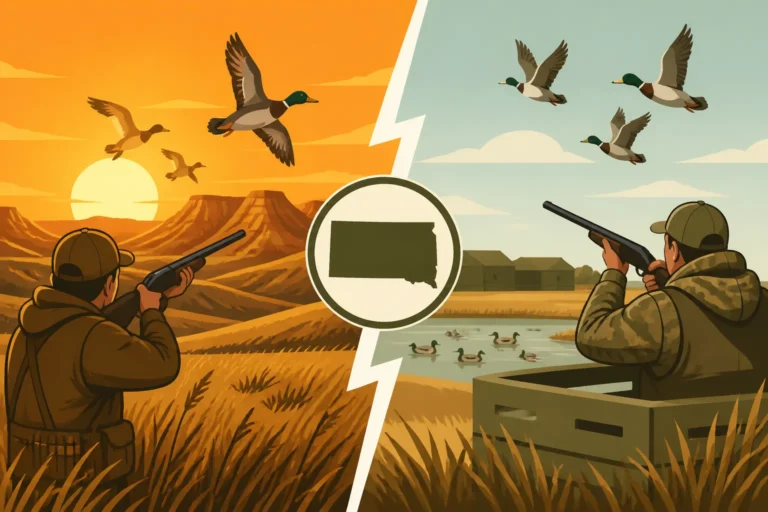
When you're dreaming of a South Dakota hunting adventure, whether it's for pheasants, deer, or antelope, one of the biggest questions that often pops up – especially when considering an outfitter – is about the land itself. You wonder, "Am I hunting on ground they truly own and manage, or is it a collection of leased parcels?" This isn't just a detail; it can significantly shape your entire hunting experience, from the consistency of habitat to the level of hunting pressure. This guide will walk you through the nuances of both owned and leased ground, helping you understand the pros and cons so you can ask the right questions and book the hunt that's truly right for you.
The Outfitter Who Owns the Ground
Imagine an outfitter who owns every acre you step on. There’s a certain appeal to that, isn't there? It often implies a deep connection to the land and a long-term vision. This setup can offer a truly unique and often highly managed hunting experience.
Advantages of Owned Land
When an outfitter owns the land, they are typically invested in it for the long haul. This isn't just a business transaction; it's often their home, their legacy, and a fundamental part of their operation. This ownership translates into several key advantages for the hunter.
Firstly, you often see incredibly consistent habitat management. An owner can implement long-term strategies for food plots, native grass restoration, shelterbelts, and water sources because they know the land isn't going anywhere. They might install extensive networks of feeders, plant specific cover crops to hold birds through the winter, or develop water features crucial for big game in dry years. This consistent, dedicated effort means the game animals have stable, high-quality habitat year after year, which can lead to stronger populations and healthier animals. They can plan habitat projects years in advance, knowing they'll reap the benefits. This deep, personal investment in the land's health directly impacts the quality of hunting it can sustain. You'll often find yourself walking through areas that have been meticulously shaped to optimize game activity, offering prime opportunities. Think about the strategic placement of cover near food sources, or how a waterhole is carefully maintained to attract deer even in the driest conditions; these are the fruits of long-term habitat management. For more on this, you might explore Habitat Work and Food Plots on a Lease, as many of the principles apply directly to owned ground as well.
Secondly, there's often reduced hunting pressure. An owner has absolute control over who hunts their property and when. They can dictate hunter numbers, rotation schedules, and even rest periods for certain areas, ensuring the game isn't constantly harassed. This meticulous control results in less disturbed animals, which tend to be more predictable and less wary. For big game, this can mean better trophy quality over time, as bucks and bulls have a chance to mature without excessive pressure. For pheasants, it means birds that aren't pushed hard every single day, allowing them to settle into their routines. This controlled environment creates a more natural hunting experience where game behaves more typically, instead of being constantly on high alert from continuous human presence. It also means you often have the property to yourself or share it with a very limited, controlled group, enhancing the sense of wilderness.
Lastly, the long-term knowledge an owner possesses about their land is invaluable. They’ve likely walked every acre countless times, through all seasons and weather conditions. They know where the deer bed down when the wind blows from the north, where the pheasants roost after a snowstorm, and the subtle contours that funnel game. This deep, intimate understanding of the terrain, animal patterns, and micro-habitats can significantly improve your chances of success. They can read the land like an open book, guiding you to spots you'd never find on your own and adapting tactics based on minute changes in conditions. This isn't just about pointing you to a field; it's about understanding the entire ecosystem they've nurtured.
Potential Downsides of Owned Land
While owning ground offers clear benefits, it also comes with some practical considerations that might not suit every hunter or every type of hunt.
One potential limitation is limited acreage. While the quality of an owned property might be exceptional, it might not always be as vast or diverse as an outfitter who manages a large portfolio of leased lands. This can mean less variety in the types of cover or terrain you hunt. If the property is smaller, an outfitter might need to rotate hunting parties more frequently on the same ground or rely on nearby public land to supplement the experience. For someone seeking endless miles of diverse prairie, a single, albeit excellent, owned parcel might feel somewhat constrained. The experience is often highly concentrated, which is fantastic for consistent quality, but might lack the sheer scale some hunters envision.
Another factor is higher costs. Owning and maintaining significant tracts of hunting land is a massive financial undertaking. Taxes, insurance, habitat work, infrastructure—these expenses add up quickly. Naturally, these substantial overhead costs are often reflected in the prices charged to hunters. While the quality and consistency might justify the premium, it means that hunts on owned ground can sometimes be more expensive than those offered by outfitters who primarily lease. This isn't always a deal-breaker, but it's an important consideration for your budget.
Finally, there's a risk of what some might call "monoculture" if the owned land is very uniform. If an outfitter owns a large block of, say, primarily CRP grass, it might offer fantastic pheasant hunting but potentially less variety if you're looking for different types of cover like cattail sloughs, river bottoms, or diverse crop edges. While the owner's habitat management might diversify it to some extent, they are ultimately working within the confines of their fixed acreage. This isn't a flaw, but simply a characteristic—an outfitter with a diverse set of leased properties might naturally offer a broader range of hunting scenarios across different landscapes.
The Outfitter Who Leases Hunting Rights
In South Dakota, it's very common for outfitters to lease hunting rights from private landowners. This model allows them to access vast amounts of prime hunting ground without the massive capital investment of ownership. For many operations, particularly those focused on pheasants and waterfowl, this is the backbone of their business.
Advantages of Leased Land
Leasing allows outfitters incredible flexibility and often access to prime real estate that might otherwise be unavailable. These advantages can significantly enhance a hunter's experience.
A major benefit is expansive and diverse terrain. By leasing multiple properties from various landowners, an outfitter can often piece together access to a truly vast and varied hunting landscape. This might include sprawling cornfields, dense cattail sloughs, rolling prairie breaks, and timbered river bottoms, all within their operational area. This diversity means they can adapt to different hunting conditions, game movements, and even hunter preferences. If pheasants are holding tight in a Cattail Sloughs as Winter Cover, they have access. If deer are feeding heavily in a particular Corn Rows and Running Roosters field, they can hunt it. This flexibility ensures that regardless of the weather or crop rotations, the outfitter has options to put you on game. It's like having a mosaic of prime hunting spots at their disposal, each offering a slightly different challenge and opportunity. You can sometimes target specific areas known for holding birds Where Roosters Sit at Midday or offering great deer movement.
Secondly, leasing grants access to prime spots that might not otherwise be available. A landowner might have a fantastic quarter-section known for holding an incredible number of pheasants or a particular draw that mule deer favor, but they don't want to manage hunters themselves. An outfitter steps in, leases that specific parcel, and incorporates it into their program. This allows you, the hunter, to experience some of the best hunting ground available without having to navigate the complexities of individual landowner relationships. These are often proven honey holes that consistently produce good hunting.
Thirdly, there's a lot of flexibility and adaptation. Let's say one of the leased properties experiences a sudden drop in game numbers due to an unexpected crop harvest, localized EHD outbreak, or heavy pressure from other sources. An outfitter with a large portfolio of leases isn't stuck. They can simply shift their focus to other, more productive parcels. This ability to adapt quickly to changing conditions, whether environmental or game-related, helps maintain a high-quality hunting experience for their clients throughout the season. They can also continually seek out new, promising leases if an existing one underperforms or isn't renewed. This resilience is a huge advantage in a dynamic environment like the South Dakota prairie.
Finally, while not always guaranteed, leasing can sometimes lead to potentially lower cost for the hunter. Because outfitters don't have the immense capital outlay and ongoing expenses of land ownership, their operational costs for land access might be lower. This can translate into more competitively priced hunts, making guided trips more accessible to a wider range of hunters. However, many factors influence pricing, so it's essential to compare services and what's included.
Potential Downsides of Leased Land
While leases offer flexibility and access, they also come with inherent challenges and uncertainties that hunters should be aware of. Understanding these can help manage expectations.
The primary concern with leased land is annual uncertainty. Leases are, by their nature, temporary agreements. A landowner might decide not to renew a lease, might want to hunt it themselves, or another outfitter might offer more money. This means an outfitter could potentially lose access to prime hunting ground from one year to the next. This annual fluctuation can impact the consistency of habitat management strategies and long-term game plans. While good outfitters have backup plans and continually cultivate new relationships, it introduces a variable that owned land doesn't have. Hunters might find the outfitter is hunting different ground than they did just a year or two prior.
Secondly, variable habitat investment can be an issue. While some lease agreements allow outfitters to implement habitat improvements like food plots or cover enhancement, others might be more restrictive. Landowners might not be keen on long-term habitat projects on their land if they only lease it out for a season or two, or if it interferes with their agricultural practices. This can limit the outfitter's ability to shape the land for optimal game production compared to an owner. The focus might shift more towards finding existing good cover rather than creating it. You might want to ask specifically about Habitat Work and Food Plots on a Lease to understand their capabilities here.
A significant challenge, especially in busy hunting areas, is neighboring pressure. Even if your outfitter controls hunting on their specific leased parcels, they can't control what happens on adjacent, unleased properties. If neighboring landowners or other hunters are constantly pressuring game, those animals might move off your leased property or become incredibly wary. This can diminish the quality of your hunt, even if your outfitter has done everything right on their end. Understanding Neighbouring Pressure on Leased Ground is crucial for setting realistic expectations, particularly for highly mobile species like pheasants and deer.
Finally, an outfitter, even a great one, might have less intimate knowledge of a newly leased property compared to someone who has owned land for decades. While they will scout thoroughly and learn the ins and outs over time, that deep, historical understanding of every nuance, every game trail, and every weather-pattern effect might take years to build. This isn't necessarily a deal-breaker, as experienced guides are adept at quickly learning new ground, but it's a subtle difference to consider.
What to Ask Your Outfitter: Key Questions and Considerations
Knowing the differences between owned and leased land is powerful, but it's only truly useful if you turn that knowledge into action. When you're speaking with a potential outfitter, don't be shy about asking direct, pointed questions. Your goal is to understand their operation's stability, reach, and commitment to quality. Platforms like BookYourHunt are excellent resources for preliminary research, often detailing the type of ground an outfitter uses, while GoHunt can provide broader context on hunting units and habitat types in South Dakota.
Understanding the Land Arrangement
Start with the basics, then dig deeper. These initial questions are critical for setting expectations.
First and foremost, ask the direct question: "Is the ground you hunt primarily owned or leased?" Most reputable outfitters will be transparent about this. If they say it's leased, follow up with, "How long have you had these leases?" and "Are they long-term agreements, or do you have to renew them annually?" A long-standing relationship with landowners and multi-year lease agreements speak volumes about stability and the outfitter's ability to manage game over time. If they're constantly scrambling for new leases, that's a potential red flag.
Next, inquire about the acreage and diversity of the properties they utilize. Ask, "What is the total acreage you have access to, both owned and leased?" and "What is the typical mix of habitat types across these properties?" You want to know if they have a good blend of different covers—corn, CRP, cattails, timber—to offer a varied hunting experience and ensure adaptability to changing conditions. A large outfitter might control a significant amount of ground; asking How Much Ground an Outfitter Controls can give you a clear picture of their operational scale. If you're going for pheasants, understanding how much of their ground includes prime winter cover like Cattail Sloughs as Winter Cover is essential.
Finally, delve into their approach to habitat management. Ask, "What kind of habitat management do you implement on your properties, whether owned or leased?" Listen for discussions about food plots, tree plantings, water sources, or efforts to enroll land in conservation programs. Even on leased ground, a proactive outfitter might have agreements with landowners to plant specific crops or leave certain fields unharvested for cover. This shows a commitment beyond just securing access; it demonstrates an investment in the game itself. It's especially vital for big game like deer, where consistent nutrition and cover are key. Don't forget to inquire about access to water, particularly in dry regions of West River South Dakota. Understanding Finding Water in Dry West River Country is crucial for all game animals, as water sources can be magnets.
Scrutinizing the Details
Once you have a handle on the land arrangement, it's time to drill down into the operational details that will directly impact your hunting experience.
One of the most important aspects is hunter density. Ask, "How many hunters will be on the property at any given time, or in my hunting party's designated area?" This question is paramount to understanding hunting pressure. An outfitter who packs too many hunters onto limited ground can quickly diminish the quality of the hunt, making game wary and increasing competition. For example, for pheasant hunting, knowing Hunter Group Size on a South Dakota Hunt is critical; a smaller, well-managed group often means better flushes and a more personalized experience.
Clarify access and boundaries. "How are property lines marked, especially on leased parcels adjacent to other private lands?" You want to ensure that your hunting party stays on legal ground and that the outfitter has clear agreements with neighbors. Trespassing is a serious issue, and a good outfitter will have clear protocols to prevent it. Inquire about how they manage access points and whether there are any "no-go" zones. Knowing Finding Property Lines in South Dakota is key, as accidental trespass can ruin a trip.
When it comes to game populations, ask about their success rates. "Can you provide a realistic overview of your typical success rates for the species I'm interested in, particularly on the ground I'll be hunting?" Be wary of any outfitter promising a "guaranteed kill." Focus on transparent information, like historical harvest percentages or average animal size. Understanding Reading Outfitter Success Claims will help you interpret their answers honestly. A solid outfitter provides context, explaining year-to-year variations or challenges.
Always, and I mean always, ask for references from previous clients. Ask for contact information for clients who hunted the specific species and, if possible, the same time of year you plan to go. A reputable outfitter will readily provide these. Contact these references and ask them about their overall experience, the quality of the guides, the condition of the land, and whether the hunt lived up to expectations. This is your best due diligence. You can use platforms like BookYourHunt to find outfitters with verified reviews, but personal references are gold.
Finally, think about booking logistics. If you're considering using a hunt consultant, they can often help navigate these questions on your behalf, providing another layer of vetting. For general research, resources like GoHunt can offer a bird's-eye view of hunting areas, helping you identify regions known for certain game, which in turn informs your outfitter questions.
| Feature | Owned Ground | Leased Ground |
|---|---|---|
| Habitat Control | High; long-term investment, consistent management | Variable; depends on lease terms and landowner |
| Acreage Potential | Often smaller, but highly focused | Potentially vast and diverse, across multiple parcels |
| Consistency | High; stable access year-to-year | Can be variable; leases may change or not renew |
| Hunting Pressure | Strictly controlled by owner | Controlled by outfitter, but influenced by neighbors |
| Local Knowledge | Deep, intimate, often multi-generational | Thorough, but might be less historical or widespread |
| Cost to Hunter | Often higher due to overhead and investment | Can be more competitive, but not always the case |
| Adaptability | Limited to specific property | High; can shift to other leases if one underperforms |
| Long-Term Vision | Generally very strong and focused | Strong for overall program, but lease-specific can vary |
Ultimately, both owned and leased ground models can provide exceptional hunting experiences in South Dakota. The key isn't necessarily one being inherently "better" than the other, but rather understanding the implications of each and asking the right questions to ensure the outfitter's operation aligns with your expectations. Do your homework, speak with potential guides, and don't hesitate to seek out Questions to Ask a South Dakota Outfitter to make sure you've covered all your bases. Knowing what to look for and what to expect will help you avoid Red Flags When Booking in South Dakota and choose the perfect outfitter for your next adventure.
Disclaimer
This article is for general informational purposes only and does not constitute professional advice. Laws, prices and regulations vary by location and change over time. Consult a qualified professional for guidance on your specific situation.