How Many Hunters Share a Field
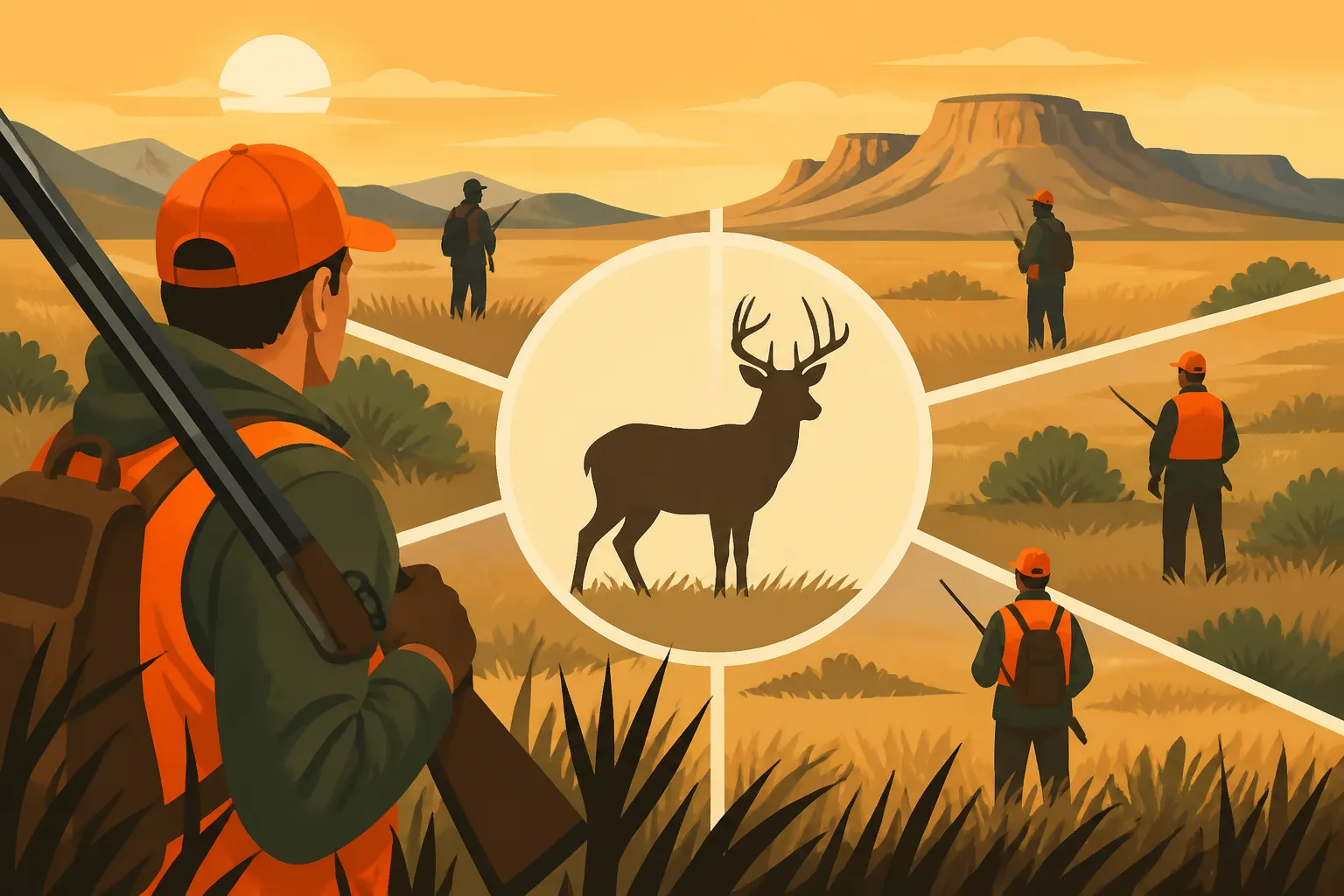
It can be incredibly frustrating to plan a South Dakota hunting trip, whether it's a dream pheasant hunt or a strategic deer stalk, and feel uncertain about one crucial aspect: how many other hunters you'll be sharing a field or piece of ground with. This uncertainty can lead to worries about safety, success rates, and the overall quality of your experience. This comprehensive guide will break down the typical hunter densities you can expect in various South Dakota hunting scenarios, from guided pheasant drives to independent big game pursuits on public land, helping you set realistic expectations and plan accordingly.
Factors Influencing Hunter Numbers in a Field
The number of hunters you might encounter in a particular field or area in South Dakota is rarely random. Several key factors come into play, influencing everything from group size on a guided hunt to the dispersion of hunters on public land. Understanding these elements can help you anticipate the experience you'll have and make more informed decisions about where and when to hunt.
Guided Hunt Group Sizes and Dynamics
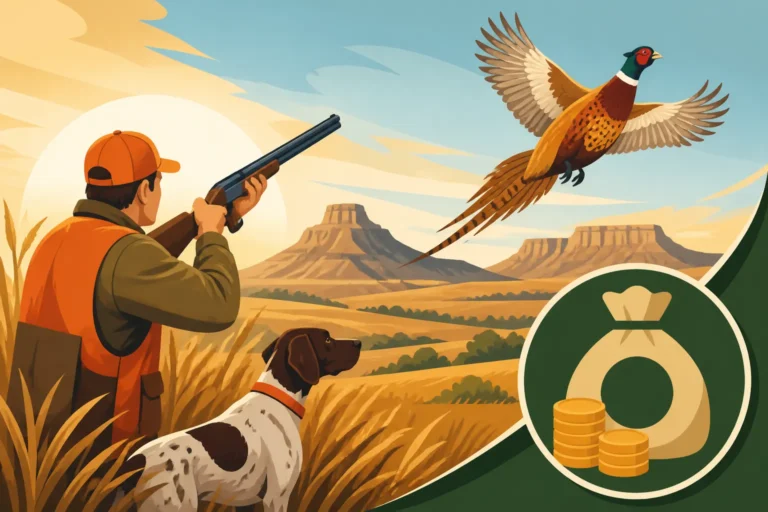
When you book a guided hunt, especially for pheasants, the number of hunters in your party is usually a deliberate decision made by the outfitter. They balance safety, effectiveness, and client experience. A typical pheasant drive involves several "walkers" pushing through cover, and "blockers" positioned at the end of the field to intercept flushing birds. The size of the field, the density of the cover, and the number of available guides and dogs all dictate how many hunters can participate efficiently and safely.
Often, you'll find pheasant operations aiming for groups of four to eight hunters. This allows for good coverage of a field, especially when performing maneuvers like Pushing a Cattail Slough With Blockers or Working South Dakota Shelterbelts for Roosters. Too few hunters, and too many birds might escape the edges or run ahead. Too many, and it can become a safety concern with overlapping shooting lanes and reduced individual opportunity. Reputable outfitters prioritize safe gun handling and effective field strategy, so they've usually optimized their group sizes for the terrain they hunt. If you're looking at options on platforms like BookYourHunt, always check the listed group sizes and ask the outfitter directly if you have concerns about the number of hunters in a field.
Public Land Hunter Density and Distribution
Hunting public land in South Dakota is a different ball game entirely. Here, the number of hunters you encounter is primarily driven by popularity, accessibility, time of year, and the type of game being pursued. Walk-In Areas (WIAs), Game Production Areas (GPAs), and National Grasslands are open to anyone with the proper licenses, leading to varying levels of pressure.
On opening weekend of pheasant season, for instance, a readily accessible Walk-In Area with good cover might see a significant number of vehicles parked at its access points. Hunters will spread out, but certain prime spots—like thick cattail sloughs or corn edges—will naturally attract more attention. For big game, especially during early rifle seasons, popular units can have multiple hunting parties vying for the same draws or coulees. However, less accessible public lands, or those requiring a longer walk-in, tend to distribute hunters more effectively, meaning you might find vast stretches of ground to yourself. Understanding Hunting Pressure Patterns on Walk-In Areas can be invaluable here, helping you predict where other hunters might congregate and how to avoid those areas for a more solitary experience.
Optimizing Your Hunt: Hunter Numbers on Guided Trips
When you've invested in a guided hunt, especially for South Dakota's renowned pheasants, knowing the expected group size and how that impacts your experience is paramount. It’s not just about getting shots; it's about the quality of the hunt, safety, and camaraderie.
Typical Guided Pheasant Group Sizes
Most South Dakota pheasant lodges and outfitters have established group sizes that they find most effective for driving birds and ensuring client satisfaction. It's a balance of efficiency, safety, and opportunity. While there's no universal "perfect" number, you'll commonly find groups ranging from 4 to 10 hunters. A smaller group, say 4-6, might be perfect for working smaller, tighter cover like shelterbelts or smaller cattail strips. It allows for more personalized attention from guides and potentially more shooting opportunities per person. Larger groups, perhaps 8-10, are often utilized for massive CRP fields or extensive cattail sloughs, where a wider line of walkers is needed to push birds effectively.
For example, when guiding a field with heavy cover, an outfitter might employ a line of 6-8 hunters walking abreast, with a couple of blockers stationed strategically at the ends or along fence lines. This maximizes the chances of flushing birds within shooting range. The Guide-to-Hunter Ratios on Bird Hunts often correlates with these group sizes; more hunters usually mean more guides to ensure safety, dog control, and effective strategy. It's always a good idea to clarify this with your outfitter when booking.
Communication and Expectations with Your Outfitter
Before you commit to a guided hunt, don't hesitate to ask your outfitter about their typical group sizes. Reputable outfitters are transparent about this because they want satisfied clients. You might ask: "How many hunters usually go out in a field together?" or "Will we always be hunting with the same group size, or does it vary?" Some lodges cater specifically to smaller, more intimate groups, while others are set up for larger corporate retreats.
Understanding the expected group size allows you to manage your expectations regarding individual shooting opportunities and the overall dynamics of the hunt. If you prefer a more spread-out experience with fewer people, a smaller group size would be ideal. Conversely, if you enjoy the energy and camaraderie of a larger party, that's something to communicate. Many outfitters are flexible and can often accommodate preferences if you communicate them well in advance, especially if you're booking as a private party. When reviewing outfitters or planning your trip on sites like BookYourHunt, these details are often listed, but a direct conversation is always best for confirmation.
Managing Hunter Presence on Public Land
Hunting public land in South Dakota offers incredible opportunities, but it also means sharing the landscape with other enthusiasts. Understanding where and when other hunters are likely to be, and having strategies to navigate that, can significantly improve your experience.
Anticipating Crowds on Walk-In Areas and GPAs
Public lands like South Dakota's Walk-In Areas (WIAs) and Game Production Areas (GPAs) are a blessing for hunters, but their accessibility means they can see considerable pressure, especially during peak seasons. Pheasant opener, for example, will see hunters flocking to popular WIA tracts that are known for good bird numbers. You might arrive at a parking area to find multiple vehicles already present, or even another group gearing up. This doesn't mean your hunt is ruined, but it requires a change in mindset and strategy.
For big game, particularly in West River units with good deer or antelope populations, easily accessible state or federal lands can also draw a crowd. The key is to think like other hunters. Areas with clear parking, mowed access trails, or those adjacent to main roads will often be hunted first and most frequently. Consider studying maps from sources like GoHunt or the South Dakota Public Hunting Atlas to identify areas that require a longer walk or have less obvious access points. Often, a quarter-mile extra walk can put you into birds or deer that haven't been disturbed. Hunters sometimes avoid thicker, more difficult cover, so areas like dense Walking and Blocking South Dakota Cattail Sloughs or neglected shelterbelts might hold birds even after initial pressure.
Strategies for Spacing and Etiquette
When you encounter other hunters on public land, especially if you arrive at the same field, communication and etiquette are crucial. A quick, friendly conversation can prevent conflicts and ensure everyone has a safe and enjoyable hunt. You might ask, "Are you heading into this field, or moving to another?" or "What part of this area are you planning to work?" Most hunters are respectful and appreciate clear communication. If a field is already being actively hunted by a group of pheasant hunters, it's generally best to move to another area to avoid interfering with their drive or creating unsafe situations.
For deer or antelope hunting, maintaining adequate spacing is paramount, not just for safety but also to avoid spooking game for another hunter. Giving a wide berth to parked vehicles or obvious stalk routes is a sign of respect. Sometimes, the best strategy is to embrace the pressure. If you know a WIA will be busy, consider hunting later in the day when some hunters have left, or even using the pressure to your advantage. Other hunters moving through cover can push game to you, particularly if you position yourself as a "blocker" on the downwind side of a large block of cover. Remember that Pheasant Hunting Etiquette on Public Ground ensures everyone can enjoy their time afield.
Here's a quick comparison of hunter presence across different South Dakota hunting scenarios:
| Hunt Type | Typical Hunter Count (per field/area) | Impact on Experience | Strategy for Success |
|---|---|---|---|
| Guided Pheasant Hunt | 4-10 (pre-arranged group) | Coordinated effort, shared shooting opportunities | Communicate preferences to outfitter, follow guide's lead |
| DIY Public Pheasant (Opener) | Varies widely, can be high | Potential crowds, more cautious movement, shared cover | Arrive early or late, seek less accessible areas, communicate with others |
| DIY Public Pheasant (Midweek) | Moderate to low | More solitude, better chance to work cover at your pace | Hunt harder, focus on less obvious cover types, longer walks |
| DIY Public Big Game | Low to moderate | Solitude possible, but popular spots can have competition | E-scout for remote access, use terrain to hide, hunt off-peak times |
| Private Land (Permission) | Your group only, or very few others | Exclusive access, controlled environment | Maintain good landowner relations, respect boundaries |
Strategies for a Quality Hunt with Varying Hunter Numbers
No matter if you're on a guided hunt with a set group or navigating public land on your own, having a strategy for dealing with varying hunter numbers can make or break your experience. It's about being prepared, adaptable, and respectful.
Adapting to Group Size on Guided Hunts
On a guided hunt, your outfitter will typically have a plan for how many hunters they'll put in a field and what role each will play. This is for safety and effectiveness. If you're part of a larger group, say eight hunters pushing a big CRP field, understand that shooting opportunities might be shared. Focus on your shooting lane, be aware of others, and celebrate collective success. Guides are experts at managing these groups, positioning hunters to maximize safe shooting. They might have a couple of hunters on the flanks, acting as "flankers," while the main line pushes the bulk of the cover. This system works, but it requires everyone to be on the same page and follow instructions.
Conversely, if you're on a smaller, more intimate guided hunt, you might find yourself with more individual shooting chances and more direct interaction with the guide and dogs. This can be fantastic for fine-tuning your South Dakota Pheasant Hunting Tactics for the Opener or practicing your wing shooting. The key is to be flexible and trust your guide's judgment. They want you to have a great hunt and will make decisions based on the conditions, cover, and bird behavior.
Finding Solitude and Success on Public Ground
For those venturing onto South Dakota's public lands, especially if you're hoping for a more solitary experience, strategizing around other hunters is essential. One of the best pieces of advice is to be willing to walk further than most. The vast majority of hunters on public land tend to stick within a quarter-mile of their vehicle. If you're prepared to put in an extra half-mile or mile walk, particularly into heavy cover or across challenging terrain, you dramatically increase your chances of finding undisturbed game. Access Routes That Do Not Blow Out Birds often involve walking in from less obvious points or going deeper into tracts.
Timing also plays a huge role. While the opening weekend draws a crowd, hunting midweek or later in the season can yield much more solitude. Hunters often thin out considerably after the initial rush. Early mornings right at legal shooting time, or late afternoons closer to sunset, can also be productive times when casual hunters might not be out. Using mapping tools to identify potential bottlenecks, isolated pockets of cover, or areas with natural barriers that deter others can give you a significant advantage. Remember, even if you see another vehicle, that doesn't mean the entire tract is "taken." A friendly wave and a question about their plans can often open up opportunities to share the resource respectfully. You might find success by focusing on strategies like Layout Blind Concealment in Stubble in less pressured areas.
Disclaimer
This article is for general informational purposes only and does not constitute professional advice. Laws, prices and regulations vary by location and change over time. Consult a qualified professional for guidance on your specific situation.