Guided Goose Hunts in Cut Corn
The frustration of trying to pattern geese on your own, spending hours scouting only to have them fly a different field, or building spreads that just don't fool those wary birds is something many hunters know all too well. This guide is here to walk you through everything you need to know about guided goose hunts in South Dakota's famous cut corn fields, from why they work to what to expect and how to pick the perfect outfitter for your next adventure.
The Allure of Guided Cut Corn Goose Hunts
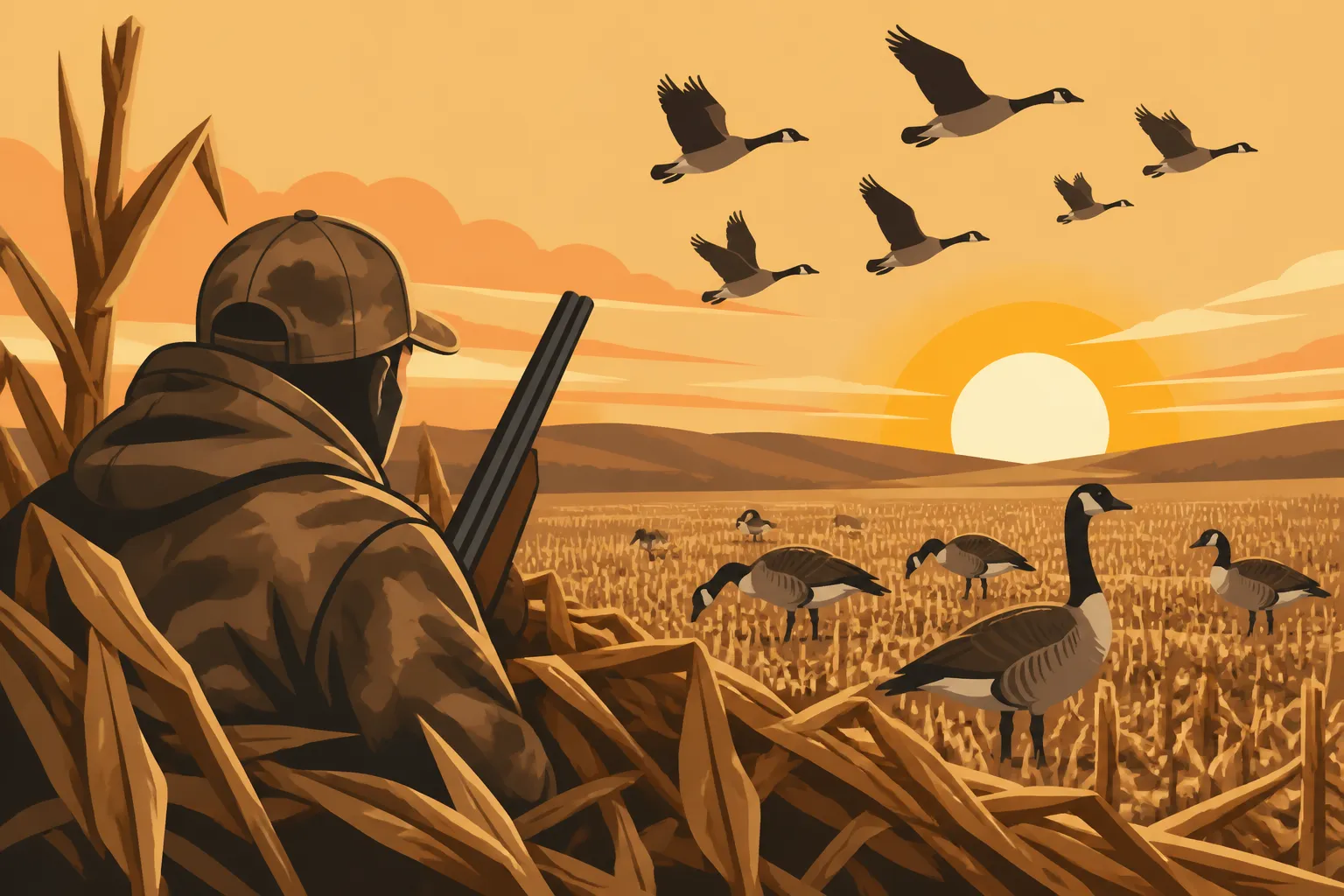
There’s just something magical about a massive spread of Canada goose decoys in a fresh cut corn field as the sun barely cracks the horizon. But that magic doesn't happen by accident. It's the result of hard work, intimate knowledge of the birds, and a well-executed plan. For many hunters, especially those traveling to the prairie, a guided hunt for geese in cut corn is the absolute best way to experience South Dakota waterfowl at its finest.
Why Cut Corn Fields Are Goose Magnets
Imagine flying for hundreds, maybe thousands, of miles on a migratory journey. What are you looking for when you finally need to put down and refuel? A wide-open buffet, of course! Cut corn fields are precisely that for migrating geese, especially Canada geese and often snow geese during the conservation order. These fields offer a readily available, high-energy food source that is easy to access. The combines leave behind spilled kernels, creating a literal feast. Geese will often feed in a field for a day or two, then move to a nearby water source or loafing area, only to return to feed again. Understanding this pattern, and having the permission to hunt these prime feeding locations, is half the battle.
Beyond the food, these fields offer space and visibility, which is crucial for these intelligent birds. They can see for a long distance, spotting predators or rival flocks, and feel secure feeding in large numbers. This is why you'll often see vast flocks congregate in certain fields, even if other seemingly identical fields are ignored. The birds have established patterns, and a good guide knows these historical feeding grounds and current bird movements better than anyone. They've spent countless hours studying Field Hunting Geese in South Dakota Cut Corn and know what draws geese in.
The Benefits of a Professional Setup
Trying to duplicate a professional goose hunting setup on your own can be a daunting, not to mention expensive, endeavor. Most guided hunts come with an impressive arsenal of tools and tactics designed to fool even the wariest geese. This usually starts with massive decoy spreads. We're not talking about a dozen floaters; we're talking about hundreds, sometimes thousands, of full-body decoys, silos, and windsocks strategically placed to mimic a contented feeding flock. The sheer volume and realistic appearance are critical to drawing in high-flying birds.
Then there's the concealment. Lying flat in a cut corn field for hours requires specialized gear. Guides typically provide comfortable and effective Layout Blinds on South Dakota Stubble. These blinds are designed to blend seamlessly with the field, keeping you hidden while offering a relatively comfortable vantage point. They're seasoned veterans at brushing these blinds in to disappear into the landscape, a skill that takes years to perfect. Finally, and perhaps most importantly, is the calling. A seasoned guide, often with years of practice, can communicate with geese in a way that truly brings them closer. Their repertoire of honks, clucks, and moans sounds authentic, drawing birds into the kill hole where they’re most vulnerable. This combination of superior scouting, massive decoy spreads, expert concealment, and skilled calling makes a guided hunt a truly high-percentage proposition.
What to Expect on a South Dakota Guided Goose Hunt
Embarking on a guided goose hunt in South Dakota is an experience unlike any other. It’s a blend of camaraderie, anticipation, and often, fast-paced action. Knowing what to expect beforehand can help you prepare and enjoy the experience to its fullest.
Typical Hunt Logistics
Your day will likely start well before dawn. Most outfitters will have you meet at a central location—perhaps a lodge, a local gas station, or a designated meeting point—to check in and go over the plan. This early start is crucial because geese are often on the move from their roosts to their feeding grounds right at legal shooting light. After a quick briefing, you'll travel in convoy or with your guide to the specific cut corn field that was scouted the day before. This is where the real work begins for the guides, and usually, the anticipation builds for the hunters.
Once at the field, you'll be directed to your layout blind. The guides will likely have already set the main decoy spread, or they'll be finishing up, ensuring every detail is perfect. You'll settle into your blind, load your shotgun, and await the guide's signal for shooting time. The hunt itself involves watching the skies, listening to the guide's calls, and being ready to sit up and shoot when the birds are committed. Between flights, there's often time for quiet conversation, coffee, and soaking in the vast South Dakota prairie. After the morning hunt, which typically lasts until midday or until limits are reached, the guides will handle the decoy pickup and bird cleaning. Be sure to understand your outfitter's policy on bird cleaning and packaging; some include it, others offer it as an add-on.
Gear and Clothing Considerations
Hunting geese in South Dakota, especially during the colder parts of the season, demands serious attention to your gear and clothing. You'll be lying or sitting relatively still for hours, often in cold, windy conditions. Layering is paramount. Start with a good moisture-wicking base layer, add insulating layers like fleece or down, and top it all off with a waterproof and windproof outer shell. Your outer layers should be in camouflage patterns that blend with the drab browns and yellows of cut corn stubble – think dry grass, dirt, or cornstalk patterns.
Warm gloves and a quality hat are non-negotiable, as you lose a lot of heat through your extremities. Many hunters also bring hand warmers and foot warmers to tuck into their gloves and boots. Speaking of boots, insulated, waterproof boots are essential. You might be walking through dew, frost, or even light snow to get to your blind, and cold, wet feet will ruin a hunt faster than anything. Eye protection and ear protection are also vital for safety. While the outfitter provides the blinds and usually the calling, you are responsible for your shotgun, ammunition (steel shot, of course!), and personal hunting licenses, including your South Dakota Federal Duck Stamp Rules and South Dakota HIP Registration. Many hunters find useful gear reviews and insights on platforms like GoHunt when planning their trips.
Choosing the Right Outfitter for Your Cut Corn Experience
With so many options out there, selecting the right outfitter can feel overwhelming. It's a significant investment of time and money, and you want to ensure you have the best possible experience. Taking the time to ask the right questions and do your homework will pay dividends.
Key Questions to Ask Prospective Guides
Before you book anything, pick up the phone and talk to a few different outfitters. Don't be shy about asking probing questions. Here are some critical points to cover:
- Ground Control: How much ground do they have access to, and is it primarily cut corn? Do they own the land or lease it? The more ground an outfitter controls, the more flexibility they have to move with the birds and find fresh feeding areas away from pressure. Ask them about their scouting routine and how they ensure they're on birds.
- Hunter Numbers & Group Size: What is their typical group size per hunt? What is their guide-to-hunter ratio? Smaller groups often mean a more personalized experience and less competition for shots. Understand if you'll be mixed with other parties or if they cater to private groups.
- Success Rates & Limits: While no outfitter can guarantee a limit every time, ask about their typical success rates. What's the daily bag limit for geese during the season you plan to hunt? Are there specific South Dakota Waterfowl Season Dates or South Dakota Early Canada Goose Season dates that are historically better?
- Services Included: What exactly is included in the price? Is bird cleaning part of the package, or is it an extra fee? Do they provide lunch or snacks in the field? What about transportation to and from the hunting grounds?
- References: Always ask for references from past clients. A reputable outfitter will be happy to provide them. Call these references and ask about their experience, particularly regarding guide professionalism, hunt quality, and how the outfitter handled any unexpected issues.
Platforms like BookYourHunt can be a great starting point for finding reputable outfitters and comparing what they offer, but always follow up with direct conversations and reference checks.
Understanding Costs and Inclusions
Guided goose hunts in South Dakota can vary significantly in price, depending on the outfitter, the length of the hunt, and what's included. Generally, costs are broken down into daily rates or multi-day packages.
| Service/Item | Typically Included (Guided Hunt) | Often Extra/Hunter Responsibility |
|---|---|---|
| Decoys & Blinds | Yes | No |
| Guide Services | Yes | No |
| Field Transportation | Yes | No |
| Bird Cleaning | Sometimes, check first | Sometimes, small fee |
| Ammunition | No | Yes |
| Hunting License | No | Yes |
| Habitat Stamp | No | Yes |
| Meals | Sometimes, check first | Sometimes |
| Lodging | Often with multi-day packages | Often separate |
| Gratuities | No | Yes (expected for good service) |
When comparing prices, don't just look at the bottom line. Consider what each outfitter includes. A slightly higher price might cover bird cleaning, a field lunch, or even lodging, making it a better value overall. Conversely, a lower price might have many hidden add-ons. Always clarify the South Dakota Nonresident Licence Costs and ensure you understand exactly what you need to purchase on your own before arriving. A comprehensive package that covers most logistics can greatly reduce stress, allowing you to focus solely on the hunt. Make sure all these details are clear in any booking contract you receive.
Maximizing Your Guided Goose Hunting Success
You’ve done your research, booked your hunt, and packed your bags. Now, how do you make the most of your time in that South Dakota cut corn field? It comes down to preparation, communication, and a healthy dose of patience.
Field Etiquette and Safety
First and foremost, a guided hunt is a team effort. Your guide is there to put you on birds, but your actions contribute significantly to the success and safety of the hunt. Always listen to your guide's instructions. They know the field, the birds, and the flow of the hunt better than anyone. This includes when to get ready, when to shoot, and when to hold fire. Don't be the hunter who jumps up early or shoots at birds out of range; it can spook the entire flock and ruin the opportunity for everyone.
Safety is paramount. Always practice strict muzzle discipline. Keep your shotgun pointed in a safe direction, typically downrange or skyward, and know where your fellow hunters are at all times. Communicate clearly if you need to adjust your position or retrieve a fallen bird. Make sure your safety is on until you are ready to shoot. Respect the property you are hunting on, ensuring all spent shells are picked up and no trash is left behind. These simple acts of respect and responsibility create a much better experience for everyone and uphold the traditions of hunting.
Practicing Your Shot and Staying Sharp
Even the best guides and decoy spreads can't put birds in your bag if you can't hit them. Geese are big birds, but they are fast and deceptive in flight. Before your trip, make sure you spend time at the shooting range. Practice shooting at moving targets, if possible, to simulate actual hunting conditions. Pay particular attention to your lead, as geese require more lead than many hunters anticipate, especially when they're cupped and coming into the spread.
Consider the effects of cold weather on your shooting. Bulky clothing can affect your swing, and cold hands can make you feel less agile. Practice shooting with the same layers you plan to wear in the field. Don't forget to practice getting out of a layout blind quickly and smoothly, finding your target, and making an effective shot. Hunting platforms like GoHunt can provide resources on shotgun patterning and shooting tips specific to waterfowl. The more prepared you are physically and skillfully, the more confident you'll be when that flock of Canada geese locks up and sails into your spread, offering a perfect shot over the South Dakota cut corn.
Disclaimer
This article is for general informational purposes only and does not constitute professional advice. Laws, prices and regulations vary by location and change over time. Consult a qualified professional for guidance on your specific situation.