Does an Outfitter Apply for You?
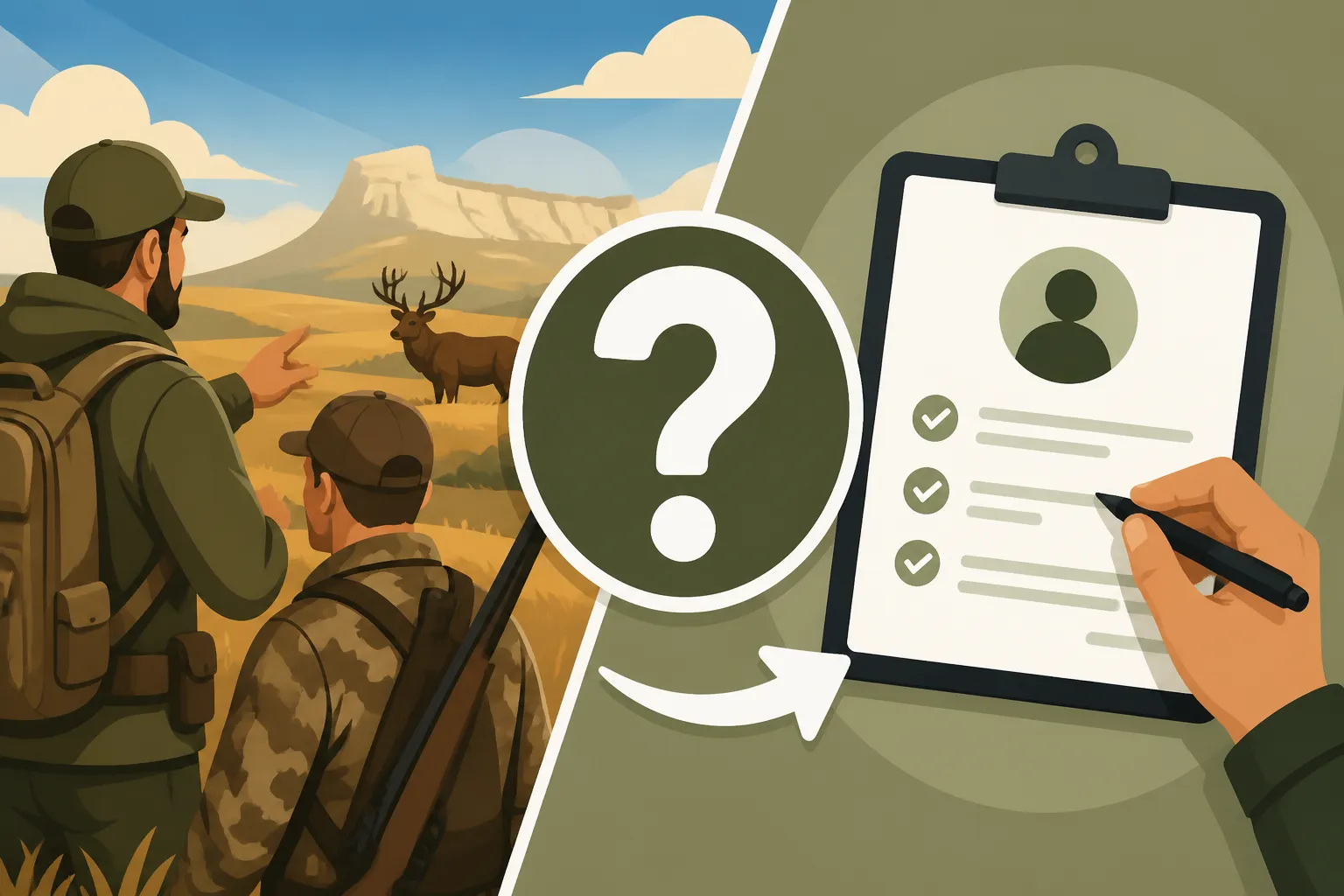
It’s a common scenario: you’ve booked a dream hunt in South Dakota, maybe a guided pheasant trip or an antelope chase, and then the question hits you. With all the paperwork, deadlines, and specific requirements, will your outfitter handle the hunting license application for you? This question often creates a knot of anxiety for hunters, especially those new to a state's unique regulations or unfamiliar with the intricacies of applying for various tags. The short answer is usually no, not entirely, but a good outfitter will be an invaluable resource in guiding you through the process. This guide will unravel the specifics of license applications, clarifying the hunter's responsibilities and the supportive role an outfitter typically plays in South Dakota.
Understanding the South Dakota License Application Process
Navigating the license and tag system in any new state can feel like a maze, and South Dakota is no exception. Hunters often assume that since an outfitter organizes so much of the trip, they'll also take care of the permits. However, the system is designed to place the ultimate responsibility squarely on the hunter.
Hunter Responsibility for Licenses
When it comes to obtaining a hunting license in South Dakota, the buck, so to speak, stops with the individual hunter. This isn't just a technicality; it's a fundamental principle of wildlife management. Each hunter is legally accountable for possessing the correct licenses, tags, and stamps required for the species they pursue and the method they use. This means understanding the different types of licenses—from the general small game license to specific big game draw tags—and ensuring all personal information is accurate and up-to-date. Missing a detail or misinterpreting a rule can lead to significant headaches, including fines or the loss of hunting privileges. It’s a bit like filing your taxes; while you might use an accountant for guidance, you're ultimately the one who signs the return and is responsible for its accuracy.
The Draw System Basics for Big Game
For big game like deer, antelope, or elk in South Dakota, many tags are allocated through a lottery or draw system, especially for non-residents. This system adds a layer of complexity that generally makes it impossible for an outfitter to apply for you directly. Non-residents typically apply for specific units and seasons, and these applications often require personal information, social security numbers, and sometimes proof of hunter education. The draw system often involves South Dakota Preference Points Explained, which are personal to the applicant and accumulate over time if you're unsuccessful in drawing a tag. These points are a personal asset and cannot be transferred or used by an outfitter on your behalf. For example, if you're hoping to hunt a trophy mule deer in West River country, you'll need to understand how many points might be necessary to even have a reasonable chance in the draw for that specific unit. The draw can be highly competitive, and the applications themselves are deeply tied to your individual hunting history and eligibility. You can learn more about how to apply in depth by looking at South Dakota Big Game Draws and How to Apply.
How Outfitters Can Assist with Applications
While an outfitter won't typically fill out your forms or submit your application for you, their role as a guide and resource is incredibly valuable. Think of them as your informed coach in the licensing arena.
Guidance and Information
The primary way a reputable South Dakota outfitter assists clients is by providing clear, up-to-date information and guidance. They know the seasons, the units, the application deadlines, and the specific license types required for the hunts they offer. A good outfitter will tell you exactly which licenses and stamps you need, which draw applications to submit, and when those South Dakota Draw Application Deadlines are. They often provide direct links to the South Dakota Game, Fish and Parks (GFP) website where you can apply yourself. They can help you understand the nuances of things like the two five-day hunting periods often associated with nonresident pheasant licenses or what a habitat stamp is for. Many hunters find platforms like GoHunt invaluable for this kind of information, but a direct conversation with your chosen outfitter should always be your first step after booking.
Direct Application Assistance With Caveats
In some very specific circumstances, usually for smaller groups or for specific types of non-draw licenses, an outfitter might offer to walk you through the application process step-by-step or even sit with you while you fill it out online. This is rare for big game draws due to the personal nature of the application, but for over-the-counter licenses, especially for small game, it's more plausible. If an outfitter offers this, they will still require you to provide all your personal information, including potentially sensitive details, and will likely have you physically present or on the phone to approve each step. It’s crucial that you are still the one initiating and approving the submission. Always be wary of any offer that seems to completely bypass your direct involvement, as this can lead to issues down the road regarding the validity of your license or tags.
Small Game and Over-the-Counter Licenses
For many of South Dakota's renowned pheasant and waterfowl hunts, the licensing process is much simpler than for big game. Non-residents typically purchase a South Dakota Nonresident Small Game Licence Price and a habitat stamp, and sometimes federal waterfowl stamps. These are often over-the-counter purchases, meaning no draw is involved; you simply buy them online or at a license vendor. In these cases, your outfitter will still instruct you on what to buy, but you’ll complete the purchase yourself. They might direct you to the GFP website, or to a platform like BookYourHunt which often integrates information about necessary licenses. This simplified process is one reason why guided pheasant hunts are so popular for out-of-state hunters—you don't have to deal with the stress and uncertainty of a draw.
Why Outfitters Usually Don't Directly Apply for You
There are several very practical and important reasons why outfitters generally don't take on the direct responsibility of applying for hunting licenses on behalf of their clients. Understanding these reasons can help manage expectations and ensure a smoother process for everyone.
Personal Information and Security
Hunting license applications, especially for big game draws, require a significant amount of personal and sometimes sensitive information. This can include full name, address, date of birth, driver's license number, social security number, and previous hunting history. Handling this level of personal data for multiple clients would be an immense administrative burden for an outfitter and would also present significant security risks. No reputable outfitter wants to be responsible for storing or transmitting your sensitive data, nor should you want them to. Identity theft is a real concern, and entrusting your personal details to a third party, even one you trust with your hunt, is generally not advisable.
Legal and Ethical Considerations
From a legal standpoint, hunting licenses are issued to an individual. An outfitter is a service provider, not an agent authorized to act on your behalf for governmental permits. There could be legal ramifications if an outfitter were to misrepresent information on an application or if a hunter were found to be hunting with an improperly obtained license. Ethically, it also removes the hunter's direct engagement with the regulatory process, which is an important aspect of responsible hunting. The state wants to ensure that the person hunting is indeed the person licensed, and that they have personally affirmed understanding and compliance with all regulations.
Hunter Preference Points Are Individual
As mentioned, South Dakota's big game draw systems often incorporate South Dakota Preference Points Explained (or bonus points, depending on the species). These points are accrued by an individual hunter over time and are tied directly to their hunter profile with the state. They represent an individual's investment in future draw success. If an outfitter were to apply on your behalf, especially if it involved misusing or incorrectly applying these points, it could jeopardize your accumulated points or even lead to sanctions. Your points are your own, and the application process is designed to protect that individual accumulation and history. Losing South Dakota Points After You Draw is a significant event for many hunters, so careful management of your application is key.
What to Discuss with Your Outfitter Regarding Licenses
Open and honest communication with your outfitter is paramount to ensuring a successful and legal hunt. Don't leave license questions to chance; discuss them thoroughly well in advance of your trip.
Clarifying Roles and Responsibilities
When you book your hunt, make it a point to explicitly discuss who is responsible for what regarding licenses and tags. Ask your outfitter directly: "What licenses and stamps do I need for this hunt, and who is responsible for obtaining them?" A good outfitter will have a clear answer and can provide a checklist or detailed instructions. They should outline your role in applying for any necessary draw tags and confirm what information they will provide to assist you. This conversation sets clear expectations and prevents last-minute scrambling or confusion. Many outfitters list this information on their websites or in their booking contracts, but it never hurts to confirm.
Deadlines and Requirements
Missing a deadline for a draw application can mean losing a year, or even several years, of hunting opportunity. Your outfitter should be able to provide you with all relevant South Dakota Draw Application Deadlines for the species you intend to pursue. Make sure you understand the difference between application deadlines for draws (which are often months in advance) and the dates when over-the-counter licenses become available or need to be purchased. Furthermore, discuss any specific requirements, such as mandatory hunter education certifications. South Dakota Hunter Safety Requirements specify who needs a safety course, and your outfitter can remind you if this applies to you or someone in your hunting party. It’s also wise to inquire about any specific state-issued IDs or numbers you might need to register for or have on hand when applying.
Hunter Education and Licensing Requirements
Every state has its own rules about hunter education, and South Dakota is no different. If you were born after a certain date (January 1, 1955, in South Dakota), you generally need proof of completing an approved hunter education course. This is a personal certification, and while your outfitter can remind you of the requirement, they cannot obtain it for you. Discuss this upfront, especially if you're traveling with younger hunters or those new to the sport. Your outfitter can guide you on where to find information about South Dakota Hunter Education and Licensing and how to ensure your certification is recognized. Being prepared with these documents well in advance will save you a lot of stress closer to your hunt date.
Here's a quick overview of outfitter involvement in license applications:
| Aspect of Licensing | Hunter's Primary Responsibility | Outfitter's Typical Role |
|---|---|---|
| Information Gathering | Research regulations, understand needs | Provide detailed guidance, links, deadlines |
| Big Game Draw Application | Complete and submit personal application | Advise on units, draw odds, preference points |
| Small Game License Purchase | Buy online or over-the-counter | Inform client which licenses to purchase |
| Personal Information Entry | Input all sensitive personal data | None (unless direct, supervised assistance) |
| Hunter Education Proof | Present valid certificate | Remind client of requirement |
| Deadlines & Compliance | Ensure all deadlines are met and laws followed | Communicate critical dates, general rules |
By staying proactive and engaging in clear communication, you can ensure your South Dakota hunting adventure is not only thrilling but also fully compliant with all licensing requirements.
Disclaimer
This article is for general informational purposes only and does not constitute professional advice. Laws, prices and regulations vary by location and change over time. Consult a qualified professional for guidance on your specific situation.