What Happens if You Do Not Draw a Tag
That feeling when the South Dakota draw results come out and your name isn't on the list for that coveted big game tag – it's a real punch to the gut, isn't it? After all the anticipation, the research, the dreams of that buck or bull, seeing that "unsuccessful" status can be incredibly deflating. But don't let that initial disappointment derail your entire season; there are still plenty of fantastic hunting opportunities and strategies to consider.
Processing the Draw Results and Initial Steps
It’s completely normal to feel a wave of frustration or even a touch of anger when you don't draw a tag you've been hoping for, especially if you've been building up preference points for years. You’ve invested time, thought, and application fees into this process, and coming up empty-handed can sting. Many of us have been there, staring at the screen, re-reading the notification just in case we missed something.
Once that initial disappointment passes, it's time to shift gears from dreaming to strategizing. The first logical step is always to double-check your application status through the South Dakota Game, Fish and Parks (GFP) online system. Sometimes, a unit you applied for might not have enough tags, or your preference points simply weren't enough in a competitive year. Knowing the exact status is crucial before moving on. Make sure you understand South Dakota Draw Results Dates so you're not left guessing when to check. This isn't just about closure; it's about confirming that your application was processed correctly and that you truly didn't draw, rather than a technical glitch or an oversight on your part.
Understanding What Happens to Your Application and Points
When you apply for a limited draw tag in South Dakota, you're essentially entering a lottery with various factors influencing your chances, chief among them the state's unique preference and bonus point system. If you don't draw, understanding the mechanics behind it is key to planning for future seasons.
The Role of Preference and Bonus Points
South Dakota utilizes a hybrid system of preference and bonus points for many of its big game draws, designed to give loyal applicants a better chance over time. If your name isn't pulled in a specific draw, your existing points for that species typically roll over and, in some cases, you might even earn an additional point for the next year’s drawing. This is a critical detail, as it means your unsuccessful application isn't a total loss; you're often building equity for a better chance down the road.
It's vital to know how this works for each species you apply for, as the rules can vary. For instance, in some draws, a preference point might guarantee you a tag after a certain number of years, while in others, bonus points simply increase your odds each year without a guaranteed outcome. The key takeaway here is that your effort to participate in the draw wasn't in vain; it likely increased your chances for the subsequent season. Many hunters choose to participate in a "point-only" purchase period specifically to build these points without committing to an application in a unit they might not hunt that year. Learning about South Dakota's Hybrid Preference and Bonus Points can give you a real edge in future applications.
Application Fees and Refunds
Another common concern when an application is unsuccessful is what happens to the money. Generally, if you don't draw a tag in South Dakota, your application fee for the license itself will be refunded. However, specific administrative fees or the cost of purchasing a preference point separately (if you chose to do so) are typically non-refundable.
It’s always a good idea to review the specific draw regulations for the species you applied for to understand the exact breakdown of fees. Most states are pretty transparent about what gets refunded and what doesn't. You can often see these transactions reflected on your GFP account or a statement from your bank in the weeks following the draw results. This transparency helps you budget for future applications and understand the true cost of playing the draw game.
| Outcome of Unsuccessful Draw | Impact on Your Hunting Plan |
|---|---|
| Preference/Bonus Points Carried Over | Increases odds for future draws; focus on building points strategically. |
| Application Fee Refunded (License) | Funds become available for alternative licenses or future applications. |
| Administrative Fees/Point Fees Kept | Acknowledged as the cost of participating in the draw system. |
| No Tag for Desired Species | Explore leftover tags, alternative species, or different hunting methods. |
| Disappointment and Frustration | Acknowledge it, then pivot to proactive planning for the current season. |
Alternative Hunting Opportunities in South Dakota
Just because your primary big game tag didn't pan out doesn't mean your hunting season is over. South Dakota offers a wealth of diverse hunting opportunities, from last-minute big game options to incredible small game pursuits. Sometimes, not drawing a tag opens the door to experiences you might not have considered otherwise.
The Leftover Tag Lottery: Your Second Chance
One of the most immediate and exciting opportunities after the main draw is the sale of leftover tags. These are licenses that weren't allocated in the initial draw for various reasons—either nobody applied for them, or too few hunters met the criteria for specific units. Leftover tags are often for antlerless deer, or sometimes for less popular units that might require a bit more legwork, but they are a legitimate way to still get a big game tag in your pocket.
Keep a close eye on the South Dakota GFP website for announcements regarding leftover tag sales. They usually operate on a first-come, first-served basis, and popular units can go quickly. This often requires quick action online as soon as sales open. While you might not get the prime unit you originally wanted, a leftover tag means you still get to participate in a big game season. This is where researching units you might not have initially considered can pay off, giving you a viable plan B. For many, Buying South Dakota Leftover Tags becomes an annual ritual, a glimmer of hope after the initial draw.
Embrace the Small Game Paradise: Pheasants, Waterfowl, and More
If big game plans fall through, South Dakota is absolutely legendary for its small game hunting, particularly pheasants. A nonresident small game license opens up a world of possibilities, and these licenses are readily available, not subject to a draw. This is often the prime reason many hunters visit South Dakota.
- Pheasant Hunting: Dive into the heart of the "Pheasant Capital of the World." The season is long, birds are abundant in many areas, and the camaraderie of a pheasant hunt with friends and dogs is truly special. You can explore South Dakota Pheasant Season and Licences to get all the details. Even if you come for big game, adding a few days of pheasant hunting can make the trip.
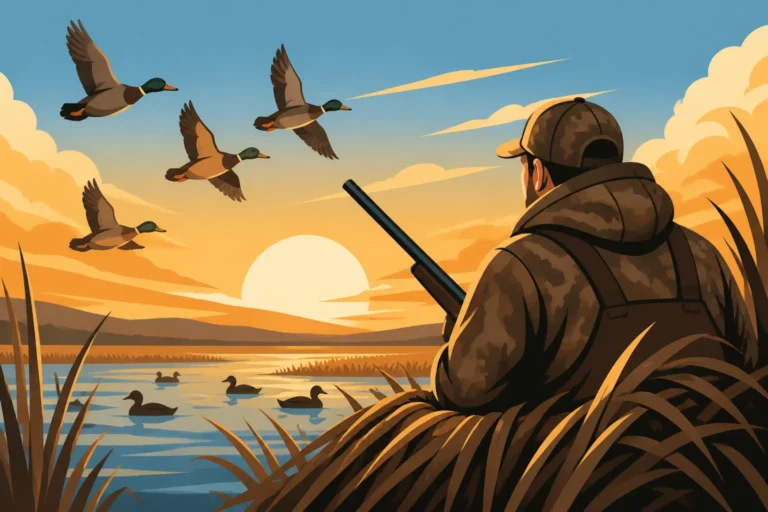
- Waterfowl: With the Missouri River and countless prairie potholes, South Dakota is a major flyway for ducks and geese. Decoying mallards or setting up for Canada geese in a stubble field offers thrilling action. Take a look at South Dakota Waterfowl Seasons and Zones to plan a trip around these birds.
- Prairie Grouse and Partridge: For a more challenging and unique experience, consider chasing sharp-tailed grouse or Hungarian partridge. These birds offer fast-paced shooting and the chance to explore the expansive prairie grasslands. Learn about South Dakota Prairie Grouse and Partridge for specific season dates and locations.
These opportunities provide an excellent fallback and are often just as rewarding, if not more so, than some big game hunts. Plus, you don't have to wait for a draw to participate.
Predator Hunting: Year-Round Excitement
Another fantastic option that doesn't rely on a draw is predator hunting. Coyotes, foxes, and bobcats are common across South Dakota, and pursuing them with calls can be incredibly exciting and challenging. Predator hunting is often open for much of the year, with specific rules and regulations to follow. This is a great way to stay sharp with your shooting skills and contribute to wildlife management efforts. You'll need to check the specific South Dakota Predator Hunting Licence Rules but generally, a small game license or even just a general hunting license might cover it.
Exploring Guided Hunts or Private Preserves
If getting a specific big game animal on the ground this year is your absolute priority, and you have the budget, booking a guided hunt or a hunt on a private shooting preserve can be an option. Outfitters often have access to private land or special tags, ensuring a hunting opportunity without going through the public draw system. Websites like BookYourHunt can be excellent resources for finding reputable South Dakota outfitters offering guaranteed opportunities, particularly for pheasants, but sometimes for deer or antelope on private ground as well. This is a different kind of hunting experience, typically more expensive, but it bypasses the lottery system entirely. You can explore South Dakota Private Shooting Preserves to understand how they operate and what they offer. It's a different animal than a DIY public land hunt, but for some, it's the right choice. Knowing What a South Dakota Guided Pheasant Hunt Costs can help you determine if this option fits your budget and expectations.
Planning for Next Season and Beyond
An unsuccessful draw isn't a failure; it's a learning experience and an opportunity to refine your long-term hunting strategy. Use this season to explore new methods, new species, or new areas, and come back even stronger for next year's draw.
Analyzing and Adjusting Your Draw Strategy
Once the sting wears off, take some time to evaluate why you didn't draw. Was it a unit with extremely high demand? Did you not have enough preference points for that particular tag? Websites like GoHunt often provide draw odds data and analysis that can be incredibly helpful in understanding past trends and making more informed decisions for future applications. This kind of research is invaluable.
Consider whether you should change units, apply for a different weapon type (like archery, where tags might be more available or draw odds are better), or simply commit to building more points. For example, South Dakota Archery Deer Season Dates often run longer and can have different tag availability compared to rifle seasons. Sometimes, the best strategy is to purchase a preference point only for a year or two, allowing your odds to increase significantly before re-entering a competitive draw. Buying a South Dakota Preference Point is a straightforward process and a smart long-term play for many non-residents.
Scouting and Learning New Areas
An "off-year" from a big game draw can be an excellent opportunity to scout new areas without the pressure of having a tag in your pocket. Drive around potential units, study maps, identify public land access like South Dakota Walk-In Areas Explained or National Grasslands Hunting in South Dakota, and look for signs of game. You can use this time to learn the lay of the land, understand game movement patterns, and discover hidden gems that might offer better success in future draws or for leftover tag opportunities.
This low-pressure scouting can be incredibly beneficial. You're not rushing to fill a tag; you're simply absorbing information, which makes you a better hunter in the long run. Plus, some of these scouting trips might reveal excellent small game opportunities you weren't aware of!
Developing New Skills and Methods
If you didn't draw a rifle tag, perhaps this is the year to really hone your archery skills or try muzzleloader hunting. Each weapon type presents its own unique challenges and rewards, forcing you to get closer to game and learn different tactics. Similarly, if you usually hunt from a stand, maybe this is the year to practice spot-and-stalk techniques for antelope or mule deer, should you draw one of those coveted tags in the future. Techniques like Spot-and-Stalk Antelope Hunting in South Dakota or West River Mule Deer Hunting in South Dakota require different skill sets that can be developed over time.
Even without a big game tag, focus on improving your overall hunting acumen. Practice shooting, refine your calling techniques, or invest more time in training your hunting dog. These skills are transferable across species and will undoubtedly make you a more effective and adaptable hunter when your number does finally come up in the draw.
Disclaimer
This article is for general informational purposes only and does not constitute professional advice. Laws, prices and regulations vary by location and change over time. Consult a qualified professional for guidance on your specific situation.