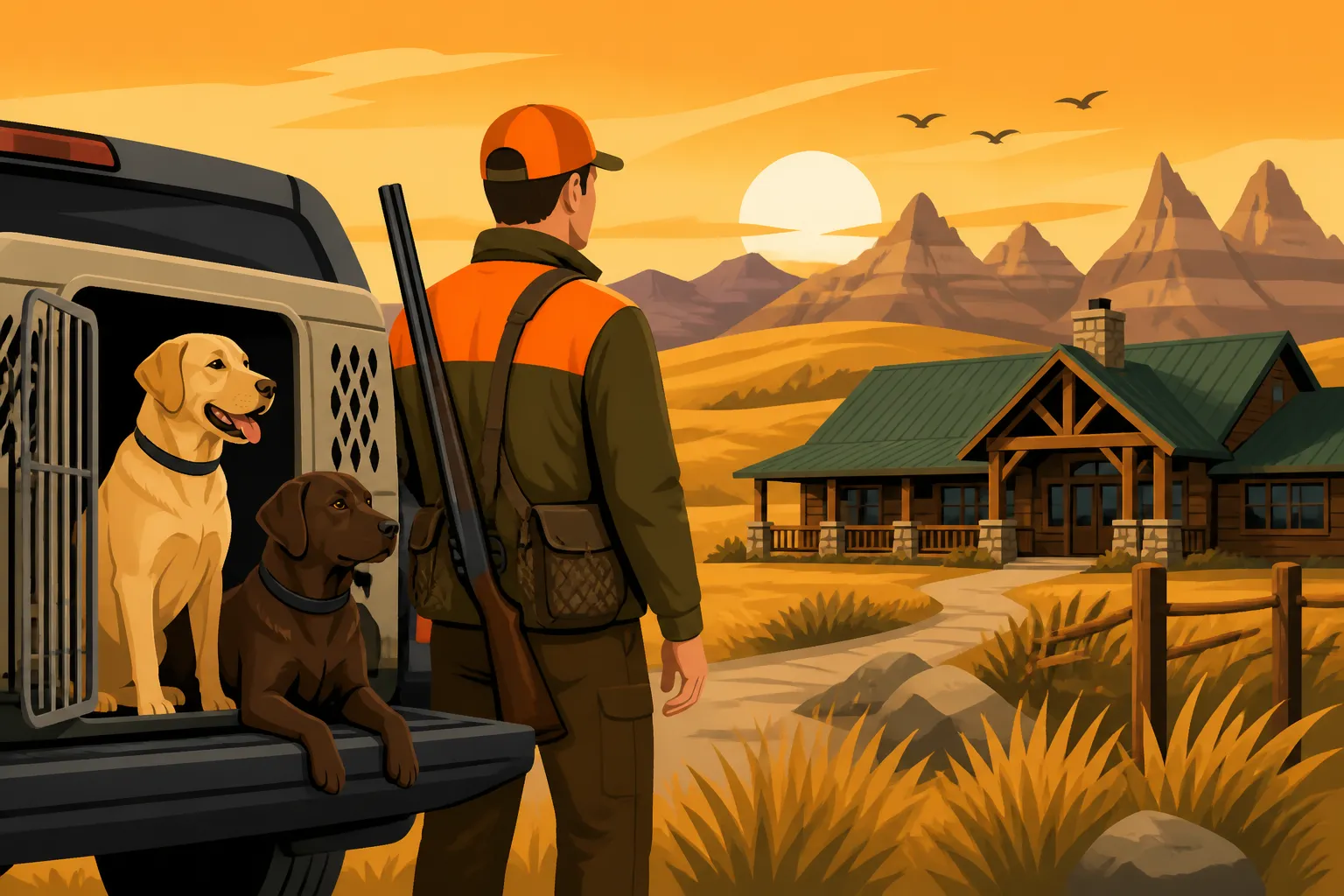
Bringing Dogs to a South Dakota Lodge
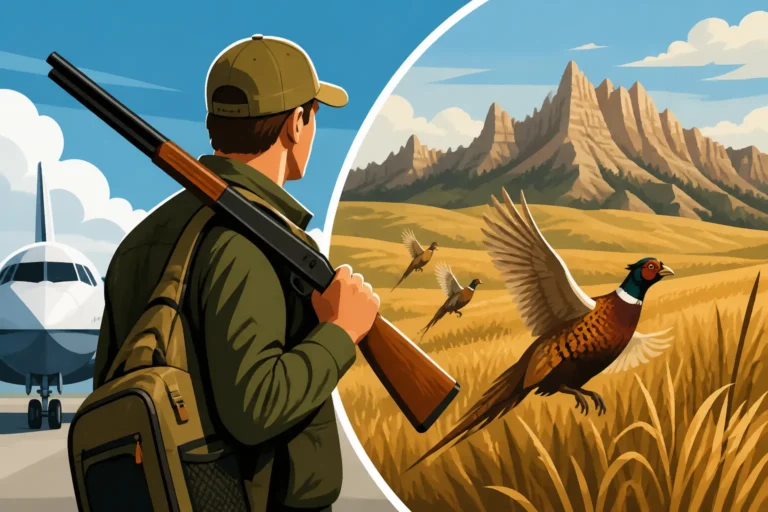
There's a special bond between a hunter and their dog, and for many, the thought of leaving their four-legged companion behind for a South Dakota hunting adventure just feels wrong. You want them there, sharing the experience, working the fields, and curled up at your feet at the end of a long day. But bringing your dog along isn't always as simple as packing their bowl and leash; there are crucial logistical and practical considerations that can make or break your trip. This comprehensive guide will walk you through everything you need to know about bringing your hunting dog to a South Dakota lodge, ensuring both you and your loyal partner have a successful and stress-free experience.
The Emotional & Practical Considerations of Bringing Your Dog
Deciding whether or not to bring your dog on a hunting trip to South Dakota is a deeply personal choice, often weighing heavily on the heartstrings. It’s more than just a logistical puzzle; it taps into the very essence of why we hunt and who we share those moments with.
The Unspoken Bond: Why Hunters Want Their Dogs Along
For so many of us, our hunting dog isn't just a tool; they're family. They're that silent, enthusiastic partner who shares every step, every scent, every triumphant retrieve. There's an incredible satisfaction in watching your dog work a field, their tail a blur, their nose glued to the ground, culminating in that explosive flush. It's a shared accomplishment that deepens the bond far beyond what any human hunting partner could offer.
Beyond the actual hunt, there's the comfort of their presence. After a long, physically demanding day chasing roosters through heavy cover, having your dog settle down next to you at the lodge, tired but content, creates a sense of home, even when you're hundreds of miles away. They’re a constant, comforting presence that makes the entire trip feel more complete and personal.
This emotional connection is powerful, and it's why many hunters will go to great lengths to ensure their dogs can join them. It’s not just about filling a limit; it’s about creating indelible memories with an animal that is literally bred to do what you love, and loves doing it with you. The familiar routine, the shared excitement, and the mutual understanding on the field—these are priceless aspects of the hunting experience that only a dog can provide.
The Logistics Juggle: What to Realistically Expect
While the emotional pull to bring your dog is strong, the practicalities demand a realistic assessment. Traveling with a dog, especially a high-energy hunting dog, adds a significant layer of planning and responsibility to an already complex trip. You're essentially packing for an extra family member, and one that requires specialized care in a demanding environment.
Think about the added gear: dog food, water bowls, extra leashes, bedding, first-aid kits tailored for canines, and specialized protective gear for rough cover. Then there's the travel itself. Is your dog accustomed to long car rides or airplane travel? The stress of new environments, unfamiliar smells, and being confined can take a toll on even the most well-behaved dog, potentially leading to anxiety, destructive behavior, or even digestive issues.
Moreover, you need to honestly evaluate your dog's temperament. Are they good with other dogs? Do they bark excessively when left alone? Are they prone to marking new territories indoors? These are not minor issues at a shared hunting lodge where other guests, their dogs, and the staff will expect a certain level of decorum. A trip meant for relaxation and enjoyment can quickly turn into a source of constant worry if your dog isn't truly suited for lodge life.
Lodge Policies and Expectations for Canine Guests
Navigating the world of hunting lodges with your dog requires a bit of detective work and clear communication upfront. Not all lodges are created equal when it comes to accommodating canine companions, and understanding their specific rules and facilities is paramount to a successful trip.
Asking the Right Questions Before You Book
Before you even think about putting down a deposit, the absolute first step is to pick up the phone and talk directly to the lodge or outfitter. Don't assume anything. Start by simply asking, "Do you allow hunting dogs?" This straightforward question can save you a lot of heartache and wasted time. Many outfitters now recognize the value of allowing dogs, but their policies can vary wildly.
If dogs are allowed, delve deeper. Ask about any specific restrictions: Are there certain breeds not allowed? Are they permitted in common areas like dining rooms or lounges, or are they strictly confined to specific lodging units or kennels? It’s important to understand if there are extra fees associated with bringing your dog, as some lodges charge a per-night or per-stay pet fee, similar to hotels. You should also inquire if there are designated exercise areas or relief spots, and what the expectations are for waste disposal. Online resources like BookYourHunt might list general pet policies, but a direct conversation is always best for the specifics of hunting dogs. For instance, you might want to ask if they have specific facilities for washing muddy paws or brushing out burrs after a long day in the field, which is a common need for hunting dogs. Questions to Ask a South Dakota Outfitter is a great resource for crafting your inquiry list.
Understanding Kennel Facilities and Their Limitations
Many South Dakota lodges catering to hunters will boast "kennel facilities," but this term can cover a wide spectrum of options. It's crucial to understand exactly what they offer. Are these outdoor runs, indoor climate-controlled spaces, or simply designated areas in your individual cabin where your dog can stay? Outdoor kennels are fine in mild weather, but imagine trying to keep your dog comfortable and safe during an unseasonably warm October day or a bitter cold November night.
Security is another major concern. Are the kennels secure enough to prevent escape artists from finding their way out? Are they locked overnight or when you're out hunting? Cleanliness and daily maintenance are also critical. You don't want your dog staying in a dirty, unsanitary kennel, especially if they're prone to picking up illnesses. Ask if the lodge provides bedding or if you need to bring your own, and what their cleaning schedule entails. Knowing what to expect regarding Kennel Facilities at South Dakota Lodges will directly impact your dog's comfort and your peace of mind throughout the hunt.
Some lodges might even allow a well-behaved dog to stay in your room, but this often comes with more stringent rules regarding noise, potential damage, and keeping the room spotless. It's a trade-off: comfort for your dog versus increased responsibility for you. If you're on a multi-day package, the last thing you want is to spend your precious evening hours deep cleaning your room or worrying about a barking dog disturbing other guests.
Liability and Responsibility: What You're Signing Up For
When you bring your dog to a hunting lodge, you are inherently accepting a significant amount of responsibility. Most lodges will require you to sign a waiver or acknowledge specific terms regarding your dog's behavior and any potential incidents. This isn't just about property damage, although that's certainly a concern if your dog decides to chew on the antique furniture. It extends to potential injury to other guests, other dogs, or even staff.
Imagine your dog getting into a scuffle with another guest's dog, or nipping a child who approached too quickly. These are real-world scenarios that can quickly turn a fun hunting trip into a legal and financial headache. Understand the outfitter's stance on these situations. Are you solely liable for any damage or injury? What is their protocol for mediating disputes between dog owners? Being clear on these points before you arrive can prevent uncomfortable confrontations later.
It's also important to remember that lodges are businesses. If your dog causes excessive barking that disrupts other guests, or if they soil common areas, the lodge has every right to ask you to either manage the situation or, in extreme cases, to remove your dog from the premises. This is why a realistic assessment of your dog's temperament and training is so vital. Your signature on their policy documents is a promise to abide by their rules and to take full responsibility for your animal.
Preparing Your Dog for a South Dakota Hunting Trip
A successful hunt starts long before you ever step foot in South Dakota. When your hunting companion is coming along, that preparation extends to ensuring they are physically and mentally ready for the journey and the demands of the prairie.
Health and Vaccinations: Protecting Your Partner
Your dog's health should be your top priority, especially when traveling to a new environment and potentially interacting with other animals. Before any trip, schedule a visit to your veterinarian for a thorough check-up. Discuss your travel plans and the specific region you're heading to in South Dakota. Ensure all core vaccinations are up to date, including rabies, distemper, parvovirus, and adenovirus.
Beyond the standard vaccines, consider asking your vet about additional protections like the kennel cough vaccine, especially if your dog will be housed in shared kennels. Tick-borne diseases are a real concern in many hunting areas, so a strong tick prevention regimen is essential. This could involve topical treatments, oral medications, or a combination. The last thing you want is for your dog to come down with an illness or be plagued by parasites during your trip. Having your dog microchipped and ensuring your contact information is current is also a smart precaution, providing an extra layer of security should the unthinkable happen and they get lost. For more specific details, you might want to review Dog Vaccination Requirements for Travel.
Training and Temperament for Lodge Life
Even the most well-trained dog at home can behave differently in a novel, exciting environment filled with new smells, people, and other dogs. Solid obedience training, particularly strong recall and kennel manners, is non-negotiable. Your dog should be able to reliably come when called, even with distractions, and be comfortable relaxing in their crate or designated space at the lodge without excessive barking or anxiety.
Socialization is another key factor. If your dog isn't used to being around other dogs, a hunting lodge full of pointers, flushers, and labs might be overwhelming, leading to stress or aggression. Expose them to new situations and different dogs well in advance of your trip. Practice leaving them alone for short periods to gauge their reaction. An overly excitable or noisy dog can quickly sour the experience for everyone at the lodge, including yourself. Remember, the goal is for your dog to be a pleasant companion, not a source of constant management.
Packing Essentials for Your Four-Legged Hunter
Just like you wouldn't forget your shotgun or hunting boots, you can't forget your dog's necessities. Start with their regular food; a sudden switch can cause digestive upset. Bring plenty of it, along with their usual food and water bowls. A portable water bowl is also essential for hydration during long days in the field.
Beyond the basics, think about comfort and safety. A familiar bed or blanket from home can provide a sense of security in a new place. A well-stocked canine first-aid kit is crucial, including items for cuts, scrapes, stomach issues, and anything specific to your dog's health. Consider specialized gear for prairie hunting like a protective vest, especially for dense cover, and high-quality boots to protect their paws from thorns and sharp stubble. Don't forget burr combs and plenty of towels for post-hunt clean-up. For more tips on keeping your dog hydrated and free of painful burrs, check out Dog Water and Burrs on the Prairie.
Managing Your Dog During the Hunt and at the Lodge
Once you're in South Dakota and the hunt is on, effective management of your dog moves from preparation to active supervision. This involves not only their performance in the field but also their behavior and well-being during downtime at the lodge.
On the Hunt: Safety, Performance, and Etiquette
When you're out in the South Dakota pheasant fields or chasing grouse, your dog is your partner, and their safety and performance are intertwined. Always ensure they have access to fresh water, especially during warmer early season hunts or when working hard. The expansive prairie can be brutal, and dehydration is a serious risk. Check their paws frequently for cuts, cracks, or embedded burrs. A quick inspection after each push or before heading back to the vehicle can prevent a minor issue from becoming a debilitating injury.
If you're hunting with an outfitter or with other hunters who have their own dogs, communication and etiquette are key. Discuss how dogs will be rotated, who will handle retrieves, and what commands will be used to avoid confusion. Some outfitters prefer their own experienced dogs or handlers to take the lead, especially in challenging cover. Be prepared to respect these preferences. Know your dog's limits and don't push them too hard, especially on consecutive days. A tired, injured, or overheated dog is not an effective hunting partner and could be at risk. For tips on managing your dog in the field, particularly in early season, consider reading Keeping a Dog Cool on an Early Opener.
Lodge Life: Quiet Hours, Socializing, and Down Time
Back at the lodge, your dog's role shifts from an active hunter to a respectful guest. This means being mindful of other hunters, guides, and lodge staff. Adhere strictly to any "quiet hours" or designated areas where dogs are not permitted. Excessive barking, especially when left alone, is a common complaint and can quickly lead to friction. If your dog is prone to separation anxiety, consider strategies to mitigate it, such as bringing a familiar-smelling shirt or leaving a radio on softly.
Socializing with other dogs at the lodge can be a fantastic way for your dog to burn off energy, but always supervise interactions closely. Not all dogs get along, and even a friendly encounter can turn sour. Ensure your dog has appropriate opportunities to relieve themselves and get some exercise outside of hunting hours. This helps prevent destructive behavior from boredom or pent-up energy. Remember, a well-exercised dog is generally a well-behaved dog. Respecting the common spaces and keeping your dog clean, especially after muddy field work, contributes significantly to a positive experience for everyone.
Unexpected Situations: Injuries and Illnesses
Even with the best preparation, unforeseen circumstances can arise. Your dog might sustain an injury in the field – a cut paw, a thorn embedded deep, or even something more serious like a strain or fracture. Knowing basic canine first aid can be invaluable for immediate care. Always have the contact information for local veterinarians or emergency animal clinics readily available. The lodge staff may also have recommendations or established relationships with local vets, so don't hesitate to ask for assistance.
Illnesses can also strike, from an upset stomach due to travel stress or a change in routine, to more serious conditions. Monitor your dog for any changes in appetite, energy levels, or behavior. If you suspect something serious, act quickly. Having a plan for Vet Care and Dog Injuries on a Trip is crucial, as getting prompt veterinary attention in rural South Dakota can sometimes be a challenge, particularly outside of regular business hours. Being proactive about their health and having an emergency plan in place ensures you can address any issues quickly, minimizing discomfort for your dog and stress for you.
Alternative Options if Bringing Your Dog Isn't Feasible
Sometimes, despite your best intentions, bringing your dog to South Dakota just isn't the right choice. Maybe the logistics are too daunting, your dog isn't suited for lodge life, or perhaps the outfitter simply doesn't allow outside dogs. Thankfully, there are excellent alternatives that can still ensure a fulfilling hunt.
Hunting with Lodge Dogs or Guides' Dogs
One of the most seamless alternatives is to hunt with the lodge's own string of dogs or the professional dogs handled by your guide. Many South Dakota pheasant and waterfowl outfitters pride themselves on their well-trained, experienced dogs. These dogs are accustomed to the local terrain, the hunting pressure, and often work flawlessly with new groups of hunters. The advantages are numerous: you don't have to worry about travel stress for your dog, or managing their behavior at the lodge.
You get to enjoy the thrill of watching top-notch dogs work the cover without any of the added responsibility. This frees you up to focus entirely on your hunt, your shooting, and soaking in the South Dakota experience. It can also be a fantastic learning opportunity, observing how seasoned professionals handle and direct their dogs. You might find that the camaraderie and efficiency of hunting over a guide's well-oiled team actually enhances your trip. For those debating the merits of different canine partners, our piece on Pointing Dogs Versus Flushers on Wild Birds offers interesting insights into different hunting styles.
Professional Boarding Services at Home
If you decide your dog is better off staying home, opting for a trusted, professional boarding kennel is a smart move. Leaving your dog in a familiar environment with caregivers you trust can provide immense peace of mind. You won't have to worry about their comfort during travel, their behavior at the lodge, or potential health issues away from their regular vet.
A good boarding facility will ensure your dog maintains their routine, gets adequate exercise, and receives proper nutrition and attention. This allows you to fully immerse yourself in your South Dakota adventure, knowing your beloved companion is safe and well-cared for. It’s an investment in both your dog’s well-being and your own stress-free enjoyment of the hunt. You can research reputable facilities in your local area, checking reviews and visiting the kennel beforehand to ensure it meets your standards.
Finding a Dog-Friendly Private Rental or Campgrounds
For hunters who prefer a more independent, DIY approach, foregoing a full-service lodge and opting for a private rental or campground can open up more possibilities for bringing your dog. Many private cabin rentals, especially in more rural areas, are pet-friendly, offering a secluded space where your dog can be more comfortable without the constraints of lodge rules or other guests. This allows for greater flexibility with their routine and less concern about barking or social interactions.
Alternatively, if you're truly adventurous and your dog is a good camping companion, utilizing South Dakota's extensive public lands and campgrounds can be an option. Places like the National Grasslands or some State Parks often have dog-friendly policies, though leashing rules and quiet hours are always enforced. While this route provides maximum freedom for your dog, it also means you're solely responsible for all aspects of their care, feeding, and any emergencies. It requires more planning on your part for provisions, shelter, and waste management. You can often find pet-friendly listings on various online booking platforms, and resources like GoHunt can assist in locating public land opportunities that might lend themselves to a more flexible, dog-inclusive DIY hunt, as can our guide on Camping on South Dakota Public Land.
| Consideration | Bringing Your Own Dog | Hunting with Lodge/Guide Dogs |
|---|---|---|
| Emotional Connection | High; shared experience, deeper bond, familiar presence | Still enjoy watching dogs work, but less personal connection |
| Travel Stress | High potential for stress on dog and owner | None for your dog |
| Lodge Rules | Must adhere strictly to pet policies, potential fees | Minimal; focus on human guest rules |
| Kennel Needs | Lodge kennel quality varies; need personal gear | Dogs housed and cared for by lodge/guide |
| Health & Safety | Responsible for all vet checks, meds, field injuries | Lodge/guide responsible for their dogs' health |
| Training Needs | Dog must be highly obedient and social | None required for your dog's performance |
| Added Gear | Significant: food, bowls, bed, first aid, protective gear | Minimal, just your personal hunting gear |
| Cost | Potential pet fees, extra supplies, vet visits | Included in guide/lodge package |
| Flexibility | Restricted by dog's needs and lodge rules | High; focus entirely on the hunt |
| Post-Hunt Care | Burr removal, paw checks, feeding, exercise | Handled by lodge staff/guide |
Disclaimer
This article is for general informational purposes only and does not constitute professional advice. Laws, prices and regulations vary by location and change over time. Consult a qualified professional for guidance on your specific situation.