Booking a South Dakota Opener Weekend
Trying to secure a spot for the South Dakota pheasant opener weekend can feel like trying to catch smoke – it's incredibly popular, wildly competitive, and often booked solid years in advance. Many hunters face the frustration of calling outfitters only to hear that dates are full, or sifting through endless online forums trying to piece together a strategy. This comprehensive guide is here to demystify the process, offering realistic advice and actionable steps to help you land that coveted opening weekend pheasant hunt in South Dakota.
Why the Opener is Such a Big Deal
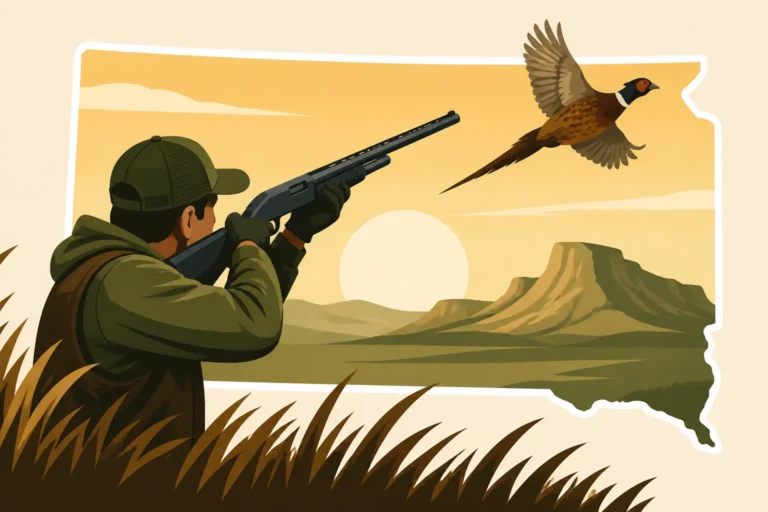
The third Saturday in October, the traditional start of the South Dakota pheasant season, isn't just another date on the calendar; it's a deeply ingrained tradition, a pilgrimage for many, and a genuine spectacle of wingshooting. This isn't just hype; there are concrete reasons why this particular weekend draws such immense crowds and commands such high demand. Understanding these factors is the first step in appreciating the challenge – and the reward – of booking an opener hunt.
The Cultural Significance and Tradition
For generations, the South Dakota pheasant opener has been a cornerstone of hunting culture. Families plan their entire fall around it, friends reunite from across the country, and small towns burst at the seams with hunters. It's more than just hunting; it's community, camaraderie, and a shared passion for the ringneck. The anticipation builds for months, culminating in that crisp October morning when the air is electric with the cackle of roosters and the bark of flushing dogs. This tradition means that many prime spots, particularly with established lodges and landowners, are passed down or re-booked by the same groups year after year, making new entry incredibly difficult without a strategic approach. It's not just about the birds; it's about being part of something bigger, a shared experience that transcends the hunt itself.
The Bird Behavior Advantage
Beyond tradition, there’s a biological advantage to hunting pheasants during the opener. Early season birds are, frankly, a bit "dumber." They haven't been pressured yet by legions of hunters and barking dogs. Their instincts to hold tight in cover or run long distances are not as finely tuned as they will become later in the season. You'll often find them holding better for pointing dogs, or flushing closer for flushers, offering more shooting opportunities. The cover is also typically still quite thick, providing excellent concealment for the birds, but also making them less likely to run wide open across fields. This combination of less educated birds and abundant cover means a higher likelihood of productive hunts, especially compared to the challenges of Late-Season South Dakota Pheasants in Heavy Cover. As the season progresses, pheasants learn quickly, becoming more wary, running further ahead, and flushing wilder, making the opener a golden window for prime action.
Navigating the Booking Landscape: Guided Versus DIY Considerations
When it comes to experiencing the South Dakota pheasant opener, you generally have two main paths: booking a fully guided hunt or attempting a do-it-yourself (DIY) adventure. Both have their merits and drawbacks, and understanding them clearly is crucial to setting realistic expectations and budgeting your time and money. There's no single "best" option; it truly depends on your budget, experience, group size, and tolerance for logistical challenges.
Evaluating Guided Outfitter Packages
Opting for a guided hunt, often through a lodge or professional outfitter, typically means a streamlined, all-inclusive experience. These packages often cover lodging, meals, guides, dogs, bird cleaning, and transportation to and from the hunting grounds. The primary benefit is convenience; you show up, and everything is handled. Outfitters often have access to vast tracts of private land, which can offer better hunting opportunities and less pressure than public areas. They've also scouted the land, know where the birds are likely to be, and employ experienced dog handlers. However, this convenience comes at a significant cost, and opener weekend dates are the most expensive and hardest to secure. You're paying for expertise, access, and the removal of almost all logistical headaches. What a South Dakota Guided Pheasant Hunt Costs details the financial aspect, but expect a premium for opening weekend.
Many outfitters begin booking their opener dates a year or more in advance, often with returning clients getting first dibs. If you're a new client, you'll need to be proactive and persistent, reaching out well in advance. Resources like BookYourHunt and GoHunt can sometimes list available packages, but even these platforms often show limited opener availability. It's about finding a reputable operation that aligns with your group's size and hunting style, whether you prefer walking expansive CRP fields or working tight cattail sloughs.
The DIY Hunter's Challenge
For the adventurous and budget-conscious, a DIY opener hunt offers maximum flexibility and a more raw, self-reliant experience. This involves securing your own lodging (hotels, Airbnb, or camping), planning your meals, bringing your own dogs, and, most critically, finding your own hunting ground. South Dakota offers a fantastic amount of public hunting land, including Walk-In Areas (WIAs), Game Production Areas (GPAs), and National Grasslands. The South Dakota Game, Fish and Parks Public Hunting Atlas is an indispensable tool here.
The challenge with DIY during the opener is that public lands, especially easily accessible ones, will be packed. You'll contend with significant hunting pressure, and the "less educated" birds will quickly become wary due to constant human and dog traffic. Success often hinges on doing extensive pre-season scouting, being willing to walk much further than other groups, and exploring lesser-known or harder-to-access public parcels. It's a rewarding experience when it comes together, but it requires far more effort, research, and resilience. For many, it's a trade-off: lower cost, but higher effort and potentially lower bird numbers compared to prime private land. Remember that on South Dakota Walk-In Areas Explained, foot traffic is generally the only option, so prepare for plenty of walking.
| Feature | Guided Opener Hunt | DIY Opener Hunt |
|---|---|---|
| Cost | Higher (premium for opener) | Lower (variable, dependent on lodging/travel) |
| Availability | Extremely limited, often booked 1-2+ years out | Public land available, but highly pressured |
| Logistics | All-inclusive (lodging, food, guides, dogs, bird cleaning) | Self-managed (you plan everything) |
| Land Access | Exclusive private land | Public land (WIAs, GPAs, Grasslands), some private with permission |
| Expertise | Professional guides and trained dogs | Relies on your own hunting skills and dogs |
| Success Rate | Generally higher due to private land access and expertise | Varies greatly; dependent on scouting, effort, and pressure |
| Flexibility | Limited by outfitter's schedule and package | High flexibility (you set your own schedule) |
| Effort Required | Low pre-hunt effort; physical effort during hunt | High pre-hunt planning and significant physical effort |
The Realities of Booking: Timing, Deposits, and Availability
Let's be brutally honest: booking a South Dakota pheasant opener weekend isn't a casual affair. It requires forethought, quick action, and a solid understanding of how outfitters operate. If you're hoping to call up a lodge in August for an October opener, you're almost certainly out of luck. The window for securing these prime dates is incredibly tight and extends much further back than most first-time hunters realize.
The Race to Book Early
The single most important piece of advice for booking an opener hunt is to start early. And when I say early, I mean early. Many premier South Dakota lodges and outfitters have groups that re-book the same weekend for the following year before they even leave the current hunt. This means their opener dates are often spoken for 12 to 24 months, or even more, in advance. For a new group trying to get in, this can feel like an impossible hurdle.
Your best bet is to begin making inquiries immediately after the previous season ends, or even a couple of years out if you have a specific date or lodge in mind. Use online platforms, but also don't underestimate the power of a direct call. Speak to lodge owners or booking managers, express your interest, and ask about waitlists or cancellations. Sometimes, a spot opens up due to unforeseen circumstances, and being on a list or having made a personal connection can make all the difference. Remember, persistence pays off, but realistic expectations are key. For more on this, check out Booking the South Dakota Opener a Year Out.
Understanding Deposit and Cancellation Policies
Once you find a potential opening, be prepared to pay a substantial deposit. Opener weekend hunts are high-demand, high-value packages, and outfitters need to secure their bookings. Deposits can range from a percentage of the total cost to a flat fee per hunter, and they are almost universally non-refundable or only partially refundable under strict conditions. This is because a cancellation close to the opener means lost revenue for the outfitter, who likely turned away other eager groups.
Carefully read the outfitter's contract regarding deposits, payment schedules, and cancellation policies. Understand what happens if a member of your group drops out, or if you need to reschedule due to an emergency. Some outfitters may allow you to roll a deposit over to a different date or the following year, while others may not. Consider trip insurance, especially for a significant investment like a guided opener hunt. It might seem like an extra cost, but it can save you a lot of heartache (and money) if unforeseen circumstances prevent your trip. Be sure to read What a South Dakota Contract Should Say before committing.
Flexibility for the Win
If your heart is set on South Dakota pheasants but the opener is proving too elusive or expensive, consider being flexible with your dates. While the opener is iconic, prime pheasant hunting extends well into November and even December, especially in Late-Season South Dakota Pheasants in Heavy Cover. Hunts later in the season often come with lower price tags, and while the birds might be tougher, the experience can still be phenomenal.
Many outfitters will have more availability a few weeks after the initial rush. This also applies to midweek hunts versus weekends. If your group can swing a Tuesday-Thursday trip, you'll likely find more options and potentially less crowded fields, even on public land. Don't discount the idea of splitting your hunting into two five-day periods either, which is an option with the South Dakota Nonresident Small Game Licence Price. It might not be the opener, but it's still incredible South Dakota pheasant hunting. Embracing flexibility significantly broadens your opportunities.
What to Look For (and Ask For) in an Opener Weekend Package
Once you've navigated the competitive booking landscape and perhaps even secured a tentative reservation, the next crucial step is to meticulously examine what your opener weekend package actually includes. Not all packages are created equal, and understanding the fine print will prevent unwelcome surprises and ensure your expectations align with the reality of the hunt.
Package Inclusions and Exclusions
A guided opener package can vary wildly from one outfitter to another. Some are truly "all-inclusive," covering virtually everything from the moment you arrive until you depart. Others might be more à la carte, allowing you to customize aspects but also requiring you to arrange certain things yourself. Here's a checklist of common inclusions and exclusions to clarify:
- Lodging: Is it a shared bunkhouse, private rooms, or a cabin? What are the amenities?
- Meals: Are all meals provided (breakfast, lunch, dinner)? Are beverages included?
- Guides and Dogs: Is there a dedicated guide for your group? Are dogs provided, or can you bring your own? (Always confirm dog policies well in advance, as some lodges have strict rules or additional fees for personal dogs).
- Bird Cleaning and Packaging: Will the staff clean and package your birds? Is there an extra charge for this? How will they be prepared for travel (e.g., frozen, breasted, whole)? Cleaning Pheasants in the Field provides good context for the work involved.
- Transportation: Does the outfitter provide transportation to and from the hunting fields, or is it on you to get there? What about airport transfers?
- Licenses and Stamps: These are almost universally not included. You'll need to purchase your South Dakota Pheasant Season and Licences and South Dakota Habitat Stamp Price separately. Confirm what kind of license you need and where to acquire it.
- Ammunition: Rarely included. Plan to bring your own or purchase it locally.
- Gratuities: Tipping guides and lodge staff is customary and expected. Ask for general guidelines if they aren't provided (e.g., Tipping a South Dakota Guide).
Clarifying these points upfront will prevent misunderstandings and allow you to budget accurately.
Understanding Bird Guarantees (or Lack Thereof)
This is a big one. Some outfitters, particularly those operating on private preserves or properties with supplemental stocking, might offer a "guaranteed bird limit" or a "per-bird charge" beyond a certain quota. While this sounds appealing, it's essential to understand the distinction between a wild bird hunt and a preserve hunt. A true wild bird opener hunt is subject to the whims of nature – weather, bird populations, and hunting pressure. While a good outfitter on prime ground will put you on birds, they can't guarantee a limit every day because these are wild animals.
Be wary of "guaranteed limits" on what is advertised as a wild bird hunt, as this often implies released birds. If the outfitter is transparent about releasing birds, that's one thing, but if you're expecting pure wild pheasant hunting, clarify this point. Ask about their typical success rates on wild birds during the opener. What matters more than a "guarantee" is the quality of their ground, their dog work, and their guides' ability to read bird movement and execute drives effectively.
Utilizing Online Resources and Planning Tools
In today's digital age, hunters have access to an incredible array of online resources to help plan their trips. Platforms like BookYourHunt can be a great starting point for browsing outfitters and packages, often providing customer reviews and direct contact information. Similarly, community-driven sites or forums found through a general search like GoHunt might offer insights from other hunters about specific areas or outfitters, though always take such anecdotal information with a grain of salt.
Beyond finding outfitters, mapping tools like the South Dakota Public Hunting Atlas or apps like onX Hunt are indispensable. They allow you to virtually scout public lands, identify potential access points, and understand property boundaries. For a DIY opener, these tools are your best friends, helping you find areas that might see less pressure by requiring a longer walk or being tucked away from main roads. Remember, the best resource is often a combination of online research and direct communication with outfitters or local experts.
Common Pitfalls and How to Avoid Them
Even with the best intentions and meticulous planning, booking and executing an opener weekend hunt can have its snags. Being aware of common pitfalls can help you sidestep frustrations and ensure a smoother, more enjoyable experience. From unexpected costs to underestimating physical demands, a little foresight goes a long way.
Overlooking Hidden Costs and Fees
The sticker price for a guided hunt is rarely the final cost. As mentioned before, licenses and stamps are almost always separate. Beyond that, consider:
- Gratuities: Budget generously for tips for your guides, dog handlers, and lodge staff. This is a significant part of their income and a reflection of your appreciation for their hard work.
- Travel Costs: Airfare, car rental, fuel, and any overnight stays on the way to South Dakota.
- Ammunition: A few boxes of quality pheasant loads can add up.
- Gear: New boots, rain gear, warm layers, or a new shotgun before the trip can quickly increase your overall spend. Ensure your Rifle Setup for South Dakota Open Country is ready.
- Meat Processing/Shipping: If the outfitter cleans your birds, how are they packed for travel? If you're driving, do you have enough coolers and ice? If flying, are there specific regulations for transporting game meat, and will there be costs associated with shipping? Getting Meat Cooled in Warm Weather is essential, especially during warmer early season days.
- Souvenirs/Miscellaneous: You'll likely want a hat or t-shirt from the lodge, or perhaps a meal out in a local town.
Build a comprehensive budget that accounts for these often-overlooked expenses. It's better to overestimate and have money left over than to be caught short.
Misjudging Physical Demands
South Dakota pheasant hunting, especially during the opener when cover is dense, is a physically demanding sport. You'll be walking for miles, often through thick cattails, heavy CRP grass, or tangled shelterbelts. Add in potential muddy conditions or uneven terrain, and it can be a real workout. Don't underestimate the physical toll this can take, particularly if you're not accustomed to sustained, vigorous exercise.
For guided hunts, discuss the typical walking distances and terrain with your outfitter. Are you primarily blocking, or will you be walking all day? For DIY hunts, be prepared to cover serious ground, particularly if you're hunting public areas where you need to get away from the crowds. Even if you consider yourself relatively fit, doing some pre-season conditioning – long walks, jogging, or stair climbing – will make your hunt much more enjoyable and reduce the risk of injury. Ensure you have comfortable, broken-in boots designed for walking uneven terrain and dealing with moisture, as Boots for Walking Cattails All Day will be your best friend.
Not Confirming Details in Writing
Verbal agreements are a nice gesture, but they are insufficient for a significant investment like a hunting trip. Always insist on having all package details, dates, inclusions, exclusions, and payment/cancellation policies in a written contract or email. This protects both you and the outfitter. Read every line carefully, ask questions about anything unclear, and keep a copy for your records.
This written confirmation is your safety net. If there's a discrepancy upon arrival, you have something tangible to refer to. It also ensures that everyone is on the same page regarding expectations. Don't be afraid to be thorough; reputable outfitters will appreciate your attention to detail. This also extends to licenses; ensure you know your South Dakota Hunter Safety Requirements and what specific licenses you need, then double-check the rules yourself.
Planning Beyond the Hunt: Logistics and Expectations
So, you've secured your opener weekend, packed your gear, and maybe even squeezed in a few extra miles on the treadmill. But the planning shouldn't stop there. Thinking ahead about what happens after the shot and after the hunt will ensure a smooth, legal, and enjoyable experience from start to finish.
Travel and Accommodation Considerations
Whether you're flying into Sioux Falls (FSD) or Rapid City (RAP) and renting a car, or driving from a neighboring state, consider your travel logistics carefully. South Dakota is a big state, and driving distances between major airports and prime hunting country can be substantial. Factor in drive times and potential weather delays. Early October weather can be beautiful and mild, but prairie storms can roll in quickly, especially for those venturing to West River Hunting Country in South Dakota.
If you're doing a DIY hunt, book your accommodation well in advance. Small towns near popular hunting areas fill up quickly during the opener. Don't assume you can just show up and find a room. Consider alternative lodging like RV parks or even dispersed camping on some National Grasslands, but always check local regulations. For guided hunts, confirm what your lodge provides and if there are any restrictions on early arrivals or late departures.
Game Handling and Transport Regulations
Once you've harvested those beautiful roosters, the work isn't over. Proper game care is paramount, especially on warmer opener days, to ensure the meat is excellent. If you're on a guided hunt, the lodge will often handle cleaning, packaging, and freezing. Confirm their procedures: will they breast the birds or clean them whole? How will they be packed for your journey home? Knowing the Tagging and Transporting Birds Legally regulations is critical, especially if crossing state lines.
For DIY hunters, you'll be responsible for all of this yourself. Have a plan for cooling birds immediately in the field, whether that's a cooler of ice in your vehicle or a method to get them quickly processed. Understand South Dakota's possession limits and how those apply to cleaned birds. If you're flying, familiarize yourself with airline regulations for transporting game meat – usually, it needs to be frozen solid and properly packaged. Don't let your hard-earned pheasants spoil due to a lack of planning.
Managing Expectations and Embracing the Experience
Finally, and perhaps most importantly, manage your expectations. The South Dakota pheasant opener is an incredible experience, but it's not a guarantee of limits every day, especially on public land with high pressure. There will be tough walks, missed shots, and birds that just won't cooperate. The weather might not be perfect, and the crowds might be thicker than you hoped, particularly in areas mentioned in When South Dakota Walk-In Areas Get Crowded.
Instead of solely focusing on bird counts, embrace the entire experience: the camaraderie with your hunting partners, the incredible dog work, the stunning prairie sunrises, and the challenge of the hunt itself. A good opener hunt isn't just about the birds in the bag; it's about the memories made, the stories shared, and the satisfaction of being out in the field. South Dakota offers a unique and unforgettable hunting tradition, and approaching it with a positive, realistic attitude will ensure you enjoy every moment, regardless of the daily bag.
Disclaimer
This article is for general informational purposes only and does not constitute professional advice. Laws, prices and regulations vary by location and change over time. Consult a qualified professional for guidance on your specific situation.