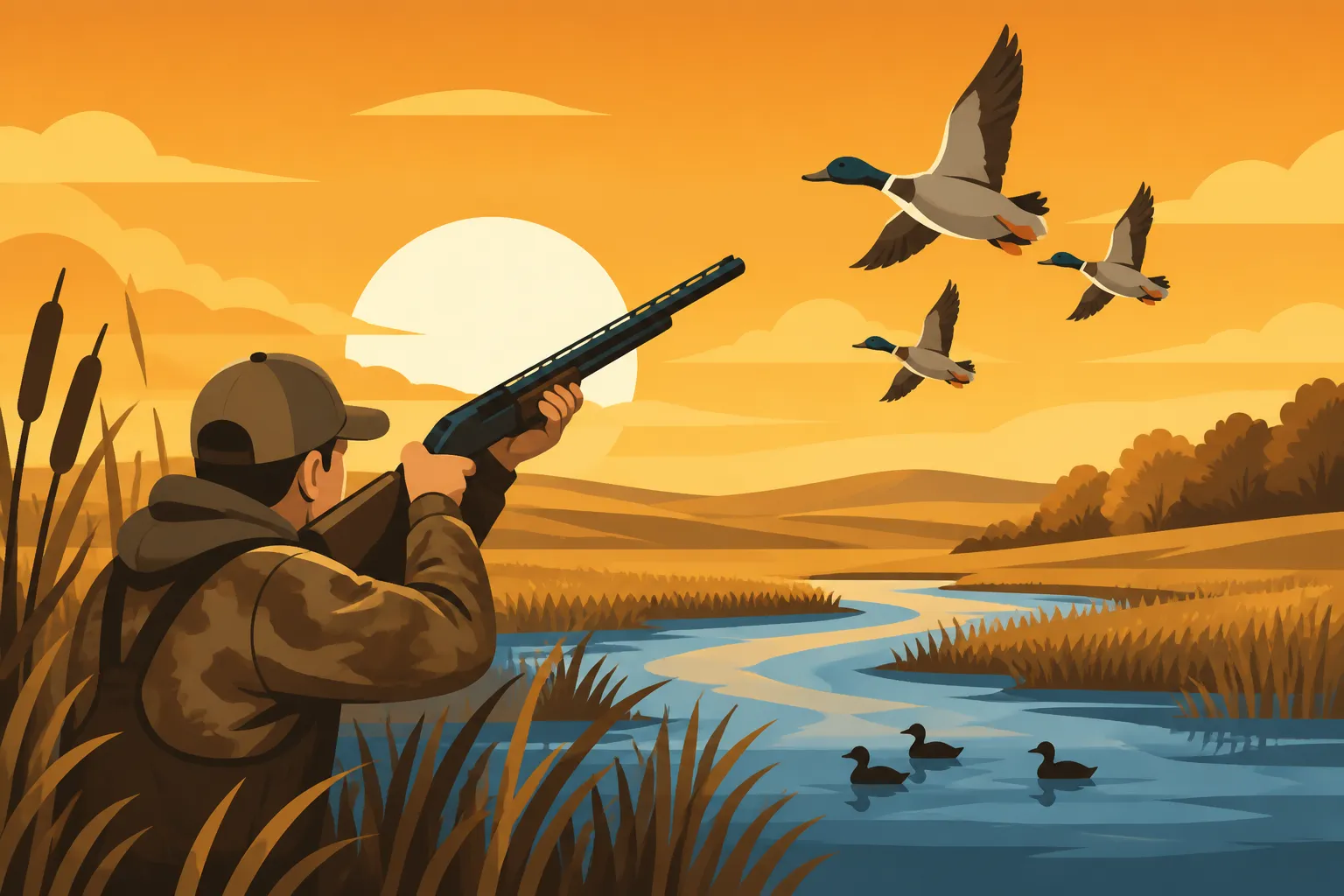
Sand Creek and Northeast Prairie Sloughs
One of the biggest frustrations for hunters new to South Dakota, or even seasoned veterans looking for new ground, is truly understanding the nuances of the prairie landscape, especially when it comes to those hidden gems known as sloughs. These watery havens, particularly in the northeast, can hold an incredible amount of game, but knowing how to locate, approach, and effectively hunt them is a skill in itself. This guide will walk you through everything you need to know about Sand Creek and the myriad of other prairie sloughs, helping you unlock their potential for a successful hunt.
Understanding the Northeast Prairie Landscape and its Sloughs
The northeast corner of South Dakota is a distinct region, characterized by its glacial history which left behind a unique mosaic of hills, depressions, and, most notably, thousands of prairie potholes and sloughs. This "Prairie Pothole Region" is a duck factory and a haven for pheasants, making it a dream destination for many hunters. But it's more than just water; it's the specific vegetation, the surrounding uplands, and the way these features interact that create such prime habitat.
The Unique Allure of Sand Creek
When we talk about specific sloughs, Sand Creek often comes up in conversations among local hunters, and for good reason. It's not just a single slough, but a system of wetlands and associated grasslands that stretch and meander, often holding water year-round or at least through much of the hunting season. This extensive nature allows it to support a fantastic diversity of wildlife. It's one of those places where you can hunt ducks in the morning, pivot to pheasants in the afternoon, and still potentially bump a whitetail buck moving between coverts. The sheer size and complexity of systems like Sand Creek can be intimidating at first, but understanding its structure—its deeper channels, cattail stands, and adjacent uplands—is key to unlocking its secrets.
What makes Sand Creek particularly alluring is its sheer scale and the robust cover it provides. Unlike smaller, isolated potholes, Sand Creek offers extensive cattail stands, thick reeds, and sometimes even stands of willow and dogwood, creating impenetrable cover that game animals simply love. These areas provide protection from harsh winter winds and heavy snow, offering a vital refuge when the weather turns nasty. For pheasants, it’s a fortress where they can roost, feed, and escape predation, especially as hunting pressure mounts throughout the season. Hunters who learn to read the contours and the changing vegetation of such a large system often find pockets of undisturbed birds that others miss.
The significant presence of water, even if shallow, also means a consistent food source and refuge for migratory waterfowl. Ducks and geese utilize these wetlands as stopovers during migration, and many species will breed here, raising broods in the thick cover. Understanding the seasonal changes in water levels and how different bird species utilize particular parts of Sand Creek at various times of the year can dramatically increase your hunting success. Whether it's early season teal darting through sparse cattails or late-season mallards holding tight in deep bulrushes, Sand Creek offers diverse opportunities.
The Role of Prairie Sloughs and Potholes
Beyond Sand Creek, the entire northeast prairie is dotted with countless smaller sloughs and potholes, each playing a critical role in the ecosystem. These are typically glacially formed depressions that collect snowmelt and rainfall, creating wetlands of varying sizes and depths. Some are ephemeral, drying up by mid-summer, while others hold water year-round. The vegetation within and around them varies just as much, from sedges and rushes in shallower areas to dense stands of cattails and phragmites in deeper, more permanent wetlands. It is this diversity that drives the incredible wildlife populations.
These small, isolated wetlands act as crucial magnets for wildlife, especially in an agricultural landscape where vast tracts of land are often tilled or grazed. For pheasants, a slough offers escape cover, thermal protection, and insect forage, particularly important for young chicks. Ducks rely on them for nesting sites, brood rearing, and abundant invertebrate food sources. The dense edges of these sloughs, where the marsh transitions to grassland, are often prime locations for deer to bed down or feed, especially during mid-day when they seek seclusion.
Understanding the water levels and vegetation composition of these prairie sloughs is paramount for a successful hunt. A slough choked with cattails might be a pheasant fortress, requiring a concerted effort to push. A more open pothole with submerged vegetation might be perfect for decoying ducks. Hunters often find that combining these different types of cover in a single outing can yield a mixed bag and a truly memorable experience. Learning to identify these different types of slough habitat, often by just looking at an aerial map, is a huge step in planning your hunt. Reading Aerial Imagery for Cattail Cover can be a great starting point for this.
Habitat Diversity and its Impact on Game
The beauty of the northeast prairie sloughs lies in their incredible habitat diversity. It's rarely just one type of cover; instead, you often find a complex tapestry. You might have open water transitioning to emergent vegetation like bulrushes and cattails, which then gives way to a strip of native prairie grasses, followed by a food plot or cornfield. This "edge effect" – where different habitat types meet – creates an explosion of life and opportunity for hunters. Each component serves a different purpose for various game species, and understanding these roles is key to predicting where game will be.
For example, pheasants often use the dense cattails within a slough for roosting and escape cover, but they'll venture out into adjacent native grass or CRP fields to feed in the mornings and evenings. Later in the season, when temperatures drop and snow falls, those thick cattails and phragmites become indispensable thermal cover, concentrating birds into predictable areas. CRP Acres and South Dakota Bird Numbers play a huge role in supporting these populations, often adjacent to prime slough habitat.
Waterfowl, too, utilize this diversity. Dabbling ducks like mallards and pintails might feed in shallow, vegetated areas of a slough, while diving ducks might prefer the deeper, more open water sections. Geese often roost on larger, open water bodies or within secure sloughs and then fly out to nearby cut grain fields to feed. Even deer, particularly whitetails, will navigate these transitions, using the heavy cover of a slough to travel undetected between bedding areas and feeding grounds. A mature buck might spend the bulk of his day bedded deep in a cattail slough, only moving at dawn and dusk.
Game Species Found in Northeast Prairie Sloughs
The rich, varied habitat of South Dakota's northeast prairie sloughs makes them magnets for a wide array of game species. It's this concentration of wildlife that makes hunting these areas such a dynamic and rewarding experience. From the explosive flush of a rooster pheasant to the whistle of a mallard's wings, these wetlands truly come alive during hunting season.
Pheasants and Other Upland Birds
It's no secret that South Dakota is synonymous with pheasants, and the northeast prairie sloughs are a cornerstone of this reputation. Ring-necked pheasants absolutely thrive in these environments. The dense stands of cattails, phragmites, and other emergent vegetation provide impenetrable security cover, crucial for protection from predators and the elements. During a blizzard, these sloughs can be lifesavers for pheasants, offering a crucial thermal blanket that other cover types simply can't match. As hunting pressure builds throughout the season, pheasants learn to rely on these thick, wet havens.
Hunting these areas for pheasants requires patience and often a good dog (or several good dogs!). Roosters will run ahead of hunters and dogs through the tangles, often flushing far out or holding tight until the last possible second. Working through the thick stuff can be exhausting, requiring good Boots for Walking Cattails All Day, but the reward of a cackling rooster exploding from cover is worth every step. Besides pheasants, you might also find Hungarian partridge or sharp-tailed grouse utilizing the drier edges of sloughs, especially where they transition into native grass. The diversity makes for exciting mixed-bag opportunities. You can learn more about these magnificent birds in South Dakota Ring-Necked Pheasants.
Waterfowl Magnet
The "Prairie Pothole Region" of the northeast is arguably one of the most important waterfowl breeding grounds in North America, and its sloughs and potholes are the reason why. These wetlands are teeming with invertebrate life, providing essential protein for breeding hens and growing ducklings. As fall arrives, these same wetlands become critical staging areas for thousands of migrating ducks and geese. You'll find everything from mallards, pintails, teal, and widgeon to canvasbacks and redheads using these waters.
Hunting waterfowl in these sloughs can be incredibly productive, whether you're jump-shooting smaller potholes or setting up a decoy spread on a larger slough or marsh. Early in the season, before ice-up, ducks will flock to these rich feeding grounds. Later, as ice begins to form, ducks will concentrate on any remaining open water, often found in deeper sloughs or areas with spring-fed currents. Waterfowl Hunting the South Dakota Prairie offers a deeper dive into hunting these incredible birds across the state. Remember to pay close attention to wind direction and concealment, as ducks and geese have keen eyesight and will quickly flare from an exposed hunter.
Deer and Other Big Game Utilizing Sloughs
While pheasants and waterfowl might be the first species that come to mind when thinking of prairie sloughs, deer, particularly white-tailed deer, are significant residents. The dense vegetation and often difficult-to-access interior of large sloughs provide excellent bedding and escape cover for deer, especially mature bucks. In an otherwise open agricultural landscape, these sloughs offer security that's hard to find elsewhere. Bucks will often bed down in the thickest part of a cattail slough during the day, emerging only under the cover of darkness to feed in nearby fields.
Hunting deer in these slough systems requires a different approach than typical timber or brush hunting. It often involves strategically setting up on travel corridors that deer use to enter or exit the slough, or even making a slow, methodical push with a group to try and move deer out to waiting standers. It’s physically demanding work, but the payoff can be a mature whitetail that has eluded other hunters. While less common, mule deer might occasionally utilize the very western edges of the northeast prairie, particularly where draws and more broken terrain meet these wetland systems. Knowing how deer use these complex habitats is key to success.
| Slough Habitat Type | Primary Game Species | Key Hunting Strategy | Difficulty to Hunt |
|---|---|---|---|
| Dense Cattail/Phragmites | Pheasants, Whitetail Deer | Slow, methodical push with dogs; standers | High |
| Open Water Potholes | Ducks, Geese | Decoy spreads; jump shooting | Medium |
| Mixed Grass/Sedge Edges | Pheasants, Partridge, Whitetail | Walking edges, flushing; spot & stalk deer | Medium |
| Shallow, Vegetated Sloughs | Dabbling Ducks, Pheasants | Wading in, decoying; walking through with dogs | Medium |
| Willow/Brushy Stands | Whitetail Deer, Pheasants | Still-hunting, stand placement | Medium |
Effective Hunting Strategies for Sand Creek and Prairie Sloughs
Hunting sloughs and thick cover in the northeast prairie of South Dakota requires a blend of strategy, patience, and often a good amount of physical exertion. These aren't always easy hunts, but they are incredibly rewarding, often holding concentrations of birds that have avoided pressure from other hunters.
Walking the Edges and Pushing Cover
For pheasants, effectively hunting a slough often means getting into the thick stuff. Smaller sloughs can sometimes be walked by a single hunter with a dog, focusing on the outer edges and gradually working deeper into the cover. However, larger sloughs, like parts of Sand Creek, almost demand a group effort. The classic "blocker and pusher" strategy is highly effective here. Pushers will slowly and thoroughly work their way through the densest cover, while blockers are positioned at strategic exit points where pheasants are likely to flush or run. This requires careful coordination and communication within the hunting party. What a Guide Does During a Bird Drive often involves setting up these very scenarios.
The key for the pushers is to move slowly and deliberately. Roosters will often run for hundreds of yards in dense cover before flushing, so a fast walk will likely just push them out of range. Zigzagging through the cattails, pausing frequently, and letting your dogs work every bit of cover can make all the difference. For blockers, knowing how pheasants typically escape these areas – often flying to adjacent fields or following a drainage ditch – is crucial for positioning. Wind direction is also a huge factor; pushing into the wind can sometimes encourage birds to hold tighter, but they'll often flush into the wind when they do decide to fly.
Scouting and Accessing Sloughs
Finding these prime slough habitats is the first step, and modern mapping tools have revolutionized this process. Applications like onX Hunt are invaluable for identifying wetland areas, understanding terrain features, and, most importantly, determining land ownership and access. You can easily spot cattail-choked depressions, open water, and surrounding habitat types from an aerial perspective. This allows you to "e-scout" potential spots from home, saving valuable time in the field. GoHunt offers similar robust mapping and planning tools, which can be particularly useful for identifying public access points and understanding the lay of the land before you even leave your truck.
Once you've identified a promising slough, ground-truthing it is essential. This means physically visiting the area (outside of hunting hours, of course) to assess water levels, cover density, and potential access routes. Many sloughs can be surrounded by private land, so identifying public access points, such as those within South Dakota Walk-In Areas Explained or Game Production Areas (GPAs), is critical. Even on public land, access might be limited to foot traffic only, requiring a decent walk to get to the prime spots. Always double-check signage and boundaries.
Adapting to Weather and Season
The effectiveness of hunting sloughs changes dramatically with the seasons and prevailing weather conditions. Early season, when temperatures are mild and vegetation is still green, pheasants might be more spread out, using a wider range of cover. Waterfowl will be abundant but can be pressured. As the season progresses into late fall and early winter, sloughs become increasingly important. Freezing temperatures and snow compress the available cover, pushing pheasants into the densest cattails. This is often when sloughs truly shine as hunting grounds. Late-Season Hunting in South Dakota Snow frequently involves targeting these heavy cover areas.
Weather also dictates strategy. On a cold, windy day, pheasants will burrow deep into the cattails, making them incredibly difficult to flush. A warmer, calmer day might see them more active and willing to move. For waterfowl, wind is often your friend, as it helps hide your presence and can encourage ducks to fly lower into a decoy spread. However, extreme cold can quickly freeze over potholes, forcing waterfowl to larger, more permanent bodies of water. Always check the forecast and adjust your plans accordingly. Understanding these dynamics is paramount for a successful and safe hunt in these often-challenging environments.
Navigating Public and Private Access in Slough Country
South Dakota offers a fantastic amount of hunting opportunity, but navigating land ownership and access, especially around prime slough habitat, can feel like a puzzle. Knowing how to utilize public land programs and respectfully gain private land access is crucial for a successful and ethical hunt.
Utilizing Walk-In Areas and GPAs
The South Dakota Game, Fish and Parks (GFP) has done an excellent job of providing access to prime hunting areas through various public access programs. Two of the most important for slough hunting are the Walk-In Area (WIA) program and Game Production Areas (GPAs). WIAs are private lands leased by the GFP from landowners, providing public hunting access for specific seasons. These lands are often marked with distinctive yellow signs and are generally open to foot traffic only. Many of these WIAs contain excellent slough and wetland complexes in the northeast prairie. Always check the Hunting South Dakota Walk-In Areas guidelines and the South Dakota Public Hunting Atlas to find current WIA locations and rules.
GPAs are lands owned and managed by the GFP specifically for wildlife habitat and public hunting. These areas are permanent public lands and are often managed to enhance slough and wetland habitat, making them prime targets for both upland birds and waterfowl. Both WIAs and GPAs are critical for nonresident hunters who may not have private land connections. When planning your hunt, use the online public hunting atlas, or a mapping app like onX Hunt, to overlay these public land boundaries with satellite imagery. This allows you to identify promising sloughs and plan your approach, ensuring you're always on legally accessible ground.
Respecting Private Land Boundaries
Despite the excellent public access programs, a significant portion of South Dakota's prime hunting ground, especially in the northeast, remains privately owned. Respecting private property boundaries is not just a legal requirement but a fundamental part of ethical hunting. Without landowner permission, hunting on private land is trespassing. It's important to understand South Dakota Trespass Law and Posted Land rules, which generally require land to be posted to prohibit entry, but asking for permission is always the best practice.
For hunters without existing contacts, gaining private land access often comes down to knocking on doors, introducing yourself, and politely asking for permission. This is especially true for those exceptional sloughs that aren't part of the WIA program. Be prepared for rejections, but a friendly demeanor and a genuine respect for the landowner's property can go a long way. Offering to help with a chore, leaving gates as you found them, and sharing some cleaned game are gestures that can build goodwill and open doors for future seasons. Always carry a physical map or use your GPS-enabled mapping app to clearly identify property lines, preventing accidental trespass.
Tools and Resources for Locating Hunting Areas
In today's digital age, hunters have an incredible suite of tools at their disposal to locate and navigate hunting areas, particularly in complex slough country. Beyond the GFP's official public hunting atlas, subscription-based mapping apps like onX Hunt and GoHunt are essential. These apps provide detailed satellite imagery, property boundaries with landowner names, public land overlays (including WIAs and GPAs), and topographical maps. This level of detail allows you to identify specific sloughs, plan access routes, and pinpoint potential staging or bedding areas for game, all from your smartphone or tablet.
Before heading into the field, spend time familiarizing yourself with these tools. Create "waypoints" for parking areas, target sloughs, and known property lines. Download offline maps, as cell service can be spotty in remote prairie locations. Beyond digital tools, don't underestimate the value of local knowledge. Chatting with locals at gas stations, diners, or small-town hardware stores can sometimes yield invaluable insights into recent game movements or historically productive sloughs. Combine these modern technologies with old-fashioned legwork and local connections, and you'll be well on your way to a successful hunt in the incredible slough country of South Dakota's northeast prairie.
Disclaimer
This article is for general informational purposes only and does not constitute professional advice. Laws, prices and regulations vary by location and change over time. Consult a qualified professional for guidance on your specific situation.