Shadehill Reservoir Hunting Access
Finding accessible hunting land, especially around larger bodies of water, can feel like trying to solve a puzzle when you’re looking at a map full of private sections. But don't despair, because Shadehill Reservoir in Perkins County offers some fantastic public hunting opportunities if you know where to look and how to approach it. This guide is all about helping you unlock those prime spots and plan a successful hunt around this expansive West River gem.
Exploring the Public Hunting Opportunities Around Shadehill Reservoir
Shadehill Reservoir, located in the rolling hills and prairie of Perkins County, represents a fantastic example of diverse hunting terrain. It's not just a big pool of water; it's surrounded by a mosaic of public lands managed by the South Dakota Game, Fish and Parks (GFP) and other agencies, offering significant access to hunters. The challenge, often, is in deciphering which lands are genuinely open, what type of cover they provide, and how best to navigate them.
Identifying Public Land Parcels Around the Water
The first step to hunting Shadehill is understanding the lay of the land. While the reservoir itself is managed by the GFP, the surrounding areas aren't uniformly public. You'll find a combination of Game Production Areas (GPAs) and potentially some School and Public Lands or even federal lands in the vicinity. These areas are typically well-marked on the ground with distinctive yellow signage, but knowing their exact boundaries beforehand is absolutely crucial. Nobody wants to accidentally step onto private land, especially after putting in the effort to stalk a buck or jump a covey of pheasants.
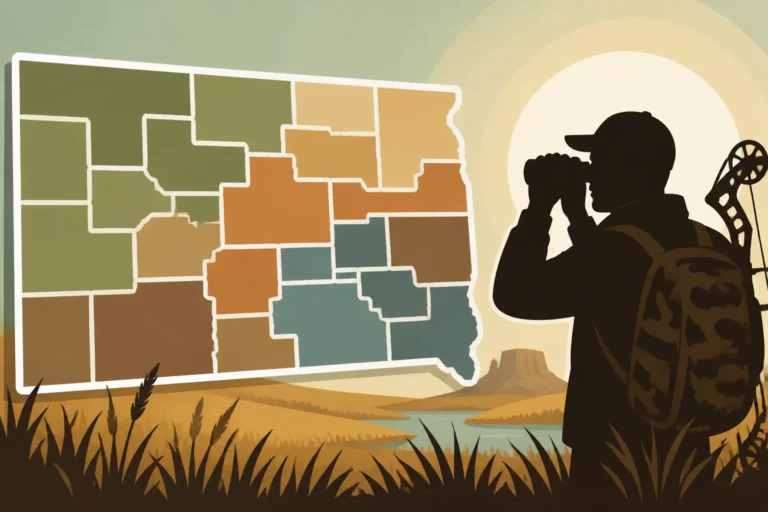
One of the best tools you can equip yourself with for this task is a reliable mapping app. Modern GPS-enabled hunting apps, like those offered by onX Hunt, are invaluable for clearly delineating public versus private boundaries right on your phone screen. You can zoom in and see the ownership parcels, locate access roads, and even mark potential hotspots from the comfort of your home. Before you even set foot on the ground, you can develop a solid plan by studying these maps. Look for fingers of public land extending into the prairie, or areas where Game Production Areas butt up against creek drainages that feed into the reservoir. These often create natural travel corridors for game. Don't forget to check the official South Dakota Public Hunting Atlas as well, which is another excellent resource for confirming land status.
Understanding the Landscape and Available Cover
The hunting experience around Shadehill is heavily influenced by its unique landscape. You're not just dealing with open prairie; the reservoir itself brings a whole different set of habitat types into play. Along the shorelines, you'll often find dense stands of cattails, bulrushes, and other wetland vegetation that provide incredible cover for pheasants, deer, and certainly waterfowl. Further back from the water, the terrain transitions into classic West River prairie – rolling grasslands, deep coulees, and brushy draws. These draws, especially those with thicker woody cover, act as critical sanctuaries for deer and other upland birds, particularly as hunting pressure increases.
Consider how these different cover types influence the game you're after. For pheasants, those cattail sloughs and tall grass adjacent to crop fields (if present nearby on private land) will be prime spots. For deer, the brushy coulees and creek bottom timber offer thermal cover and bedding areas. Waterfowl, of course, will be directly on the reservoir or utilizing smaller potholes and flooded areas nearby. The sheer variety here means you might be targeting several species in a single trip, provided you have the right licenses and tactics.
Navigating the Unique Terrain and Water Access Points
Shadehill Reservoir presents some distinct challenges and opportunities when it comes to physical access. It's not always as simple as pulling off the highway and walking into a field. The changing water levels, muddy conditions, and expansive nature of the reservoir can dictate how and where you choose to hunt.
Accessing Shorelines and Tributaries
The vast majority of hunting access around Shadehill will be on foot. Many of the Game Production Areas are designated for foot traffic only, meaning you'll need to leave your vehicle and hike in. This is where a good pair of waterproof boots becomes essential, especially if you're venturing near the water's edge or into those cattail sloughs. Water levels on the reservoir can fluctuate, exposing or submerging mud flats and creating challenging walking conditions. Always check recent weather and reservoir conditions before heading out. A dry spell might mean easier walking on exposed ground, while heavy rains could make certain areas impassable.
Focus on the numerous creek arms and smaller drainages that feed into Shadehill. These areas often have public land extending along their banks, creating natural corridors of cover that game animals use for travel and bedding. Following these contours can lead you to less-pressured areas. Hunting Whitetails in South Dakota's Missouri River Timber shares strategies for river bottom hunting that can be adapted to these tributary areas, focusing on pinch points and cover transitions. You'll want to pay close attention to where these draws meet the main body of the reservoir, as they can be hotspots for deer moving to and from water.
Boat Access and Waterfowl Opportunities
While much of the access is land-based, Shadehill Reservoir is, by its very nature, a major draw for waterfowl. If you have a boat, it opens up a whole new dimension of hunting access. Boating allows you to reach islands, remote points, and large expanses of marshy shoreline that are otherwise inaccessible. This can be a huge advantage, especially for ducks and geese that often rest in the middle of the reservoir or along secluded banks.
However, hunting from a boat on a large reservoir like Shadehill requires careful planning and safety precautions. Wind can whip up quickly, turning calm water into dangerous chop. Always check the forecast, have all required safety gear, and ensure your boat is suitable for the conditions. When targeting waterfowl, consider setting up decoys on points or in secluded coves. Decoying Ducks on a South Dakota Prairie Pothole offers great insights into decoy spreads that can be applied to smaller bays and arms of Shadehill. Remember that federal regulations apply on federal waterways, so be mindful of specific rules regarding blind construction or distance from shore.
Key Species and Effective Hunting Strategies at Shadehill
Shadehill Reservoir and its surrounding public lands offer a diverse hunting experience, primarily targeting pheasants, deer (both mule and whitetail), and a variety of waterfowl. Understanding the behavior of these species in this particular environment is key to a successful hunt.
Upland Bird Hunting: Pheasants and Sharptails
The cover around Shadehill can be phenomenal for pheasants. Those dense cattail sloughs and extensive grass fields on public ground provide everything a rooster needs: food, thermal cover, and escape routes. When hunting pheasants here, consider the wind and how birds will use the cover. They often run ahead of hunters, seeking the thickest possible escape cover. Walking Speed That Holds Roosters is an excellent resource for optimizing your pace to prevent birds from flushing out of range. If you're walking a long strip of cattails, think about strategically placing blockers at the end if hunting with a group, or adjusting your line of travel to push birds towards a more open area where they might be inclined to flush.
Beyond pheasants, the rolling prairie uplands surrounding Shadehill also hold populations of sharp-tailed grouse. These birds prefer the more open, native grasslands and are often found on the higher ground away from the immediate reservoir edge. Hunting sharptails is a different game, often involving more walking and glassing to spot birds on the prairie. Carrying a good pair of binoculars can help you spot coveys from a distance.
Deer Hunting: Whitetails and Mule Deer
Both whitetail and mule deer can be found around Shadehill. Whitetails typically prefer the riparian areas along the creeks and reservoir edges, seeking the thicker timber and brush for cover. Mule deer, while occasionally found in the draws closer to the water, often prefer the more open, rugged coulees and breaks further out into the prairie.
For whitetails, focusing on those brushy creek bottoms and areas where timber provides good hiding cover will be your best bet. Look for fresh sign – rubs, scrapes, and tracks – especially during the rut. Scouting these areas before the season is critical, perhaps using a mapping tool to identify dense pockets of cover and potential travel routes between feeding and bedding areas. Scouting South Dakota Public Ground Before the Season provides great initial steps for this process.
When hunting mule deer further afield, patience and good optics are your allies. Glassing distant coulees at first light or last light can reveal bedded deer or those moving to feed. Using terrain to your advantage for a stalk, especially with the prevailing winds, is paramount. Reading Prairie Coulees for Mule Deer offers essential tactics for understanding where these animals prefer to hide. Remember, shot distances can be long in open country, so be prepared for a prairie shot.
Waterfowl Hunting: Ducks and Geese
Shadehill Reservoir is a significant stopover for migrating waterfowl along the Central Flyway. Ducks and geese will use the main body of the reservoir for resting and rafting up, and they'll often fly out to feed in surrounding crop fields. For puddle ducks, focusing on smaller bays, backwaters, and the mouths of creeks with emergent vegetation can be highly effective. If there are smaller stock dams or potholes nearby on public land, these can also hold birds, especially in the early season.
For geese, field hunting in cut corn or other agricultural fields can be productive if you can secure access to nearby private land, but public ground along the reservoir itself can offer pass shooting opportunities or jump-shooting on smaller ponds. Setting up a blind for concealment is crucial, whether it's a natural brush blind on shore or a layout blind in a field. Paying attention to flight patterns and prevailing winds will greatly improve your success. Decoying Ducks on a South Dakota Prairie Pothole covers essential strategies that can be adapted to Shadehill's diverse waterfowl opportunities.
| Species Targeted | Typical Habitat at Shadehill | Best Time to Hunt | Key Hunting Strategy |
|---|---|---|---|
| Ring-necked Pheasant | Cattail sloughs, tall grass, brushy draws | Mid-October to December | Walking drives, push cover, utilize dogs |
| Sharp-tailed Grouse | Native grasslands, open prairie uplands | Early September to October | Spot and stalk, walk large blocks of grass |
| Whitetail Deer | Riparian timber, brushy creek bottoms, heavy cover near water | November (rut), late season | Still-hunting, stand hunting, stalking cover |
| Mule Deer | Rolling prairie, deep coulees, sagebrush flats further from water | Early November, late season | Glassing, spot and stalk, utilizing terrain |
| Ducks | Bays, coves, river arms, smaller potholes | October to November | Decoying, jump-shooting, pass shooting |
| Geese | Large open water, surrounding crop fields (if accessible) | Late October to December | Field decoying, pass shooting |
Essential Tools and Considerations for a Successful Shadehill Hunt
Hunting around Shadehill Reservoir, like any South Dakota hunt, requires good preparation and the right gear. Beyond the basic hunting equipment, there are a few specific items and considerations that will make your trip more successful and enjoyable.
Mapping and Navigation Tools
As mentioned, a robust mapping application like onX Hunt is indispensable. It not only shows land boundaries but also provides topo maps, satellite imagery, and the ability to mark waypoints. This is especially helpful for exploring uncharted public lands or for finding that specific brushy draw you spotted from the road. E-Scouting Walk-In Areas Before the Season goes into detail about leveraging these tools for pre-hunt preparation. Downloading offline maps is critical, as cell service can be spotty in parts of West River South Dakota.
In addition to digital maps, always carry a physical map of the area as a backup, along with a compass. Batteries die, and technology can fail. Being able to navigate old-school style can literally save your hunt, or even your skin, if you get turned around in unfamiliar terrain. Another great planning tool to consider is GoHunt. While often focused on western draws, it also offers invaluable insights into unit data, harvest reports, and general research on game populations within specific regions of South Dakota, which can help inform your access points and tactics for different species.
Weather Preparedness and Gear
South Dakota weather, especially in the fall and winter, can be unpredictable and harsh. Temperatures can swing wildly, and strong winds are common. Layering your clothing is absolutely essential to adapt to changing conditions. You might start a pheasant drive in a light jacket and end up needing a heavy parka for blocking a cattail slough later in the day. Waterproof and windproof outer layers are non-negotiable, particularly if you're going to be near the water or exposed on the open prairie.
For footwear, prioritize comfort and waterproofing. You'll be doing a lot of walking, potentially through mud, snow, or shallow water. Insulated, waterproof boots are critical for warmth and dry feet. Don't forget essentials like a good headlamp, a first-aid kit, and plenty of water and snacks. If you're hunting later in the season, Late-Season Hunting in South Dakota Snow provides crucial tips for staying safe and effective in colder conditions.
Respecting Land and Regulations
Always be acutely aware of property lines and hunting regulations. Public land around Shadehill is a privilege, and maintaining good relationships with private landowners is vital for overall hunting access in the state. Double-check all licensing requirements – a basic South Dakota hunting license, habitat stamp, and species-specific tags are generally required. Understand daily bag and possession limits, shooting hours, and any weapon restrictions for the areas you plan to hunt.
When encountering other hunters on public ground, common courtesy goes a long way. Share the resource responsibly. If you see another group working a piece of public land, find another area or communicate respectfully. Pheasant Hunting Etiquette on Public Ground offers valuable advice on sharing the field and ensuring everyone has a positive experience. By being prepared, respectful, and well-informed, your hunt around Shadehill Reservoir can be a truly rewarding experience, offering a slice of classic West River hunting in a unique and diverse landscape.
Disclaimer
This article is for general informational purposes only and does not constitute professional advice. Laws, prices and regulations vary by location and change over time. Consult a qualified professional for guidance on your specific situation.