Best South Dakota Counties for Public Pheasants
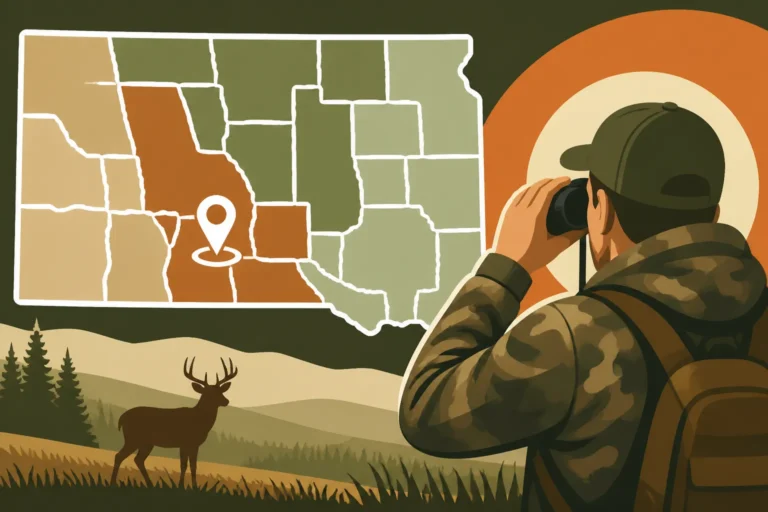
For many hunters, the dream of South Dakota pheasant hunting is palpable – the crisp autumn air, the cackling flush, the hard-working dog. But for those new to the state or looking to explore public ground, the sheer vastness of the prairie can feel overwhelming, leaving you wondering where to even begin. This guide aims to cut through that confusion, helping you pinpoint the best South Dakota counties for public pheasant hunting, so you can spend less time guessing and more time experiencing the magic of the "Pheasant Capital of the World."
Understanding South Dakota's Public Lands for Pheasants
South Dakota is famous for its abundance of pheasants, and a big part of that reputation comes from its incredible commitment to public hunting access. It's not just about drawing a tag; it's about knowing where you can actually put boots on the ground without having to knock on countless doors. For non-residents especially, understanding the lay of the land when it comes to public access is crucial for a successful trip. The state offers a variety of public land types, each with its own characteristics and best hunting practices.
The Backbone: Walk-In Areas (WIAs) and Game Production Areas (GPAs)
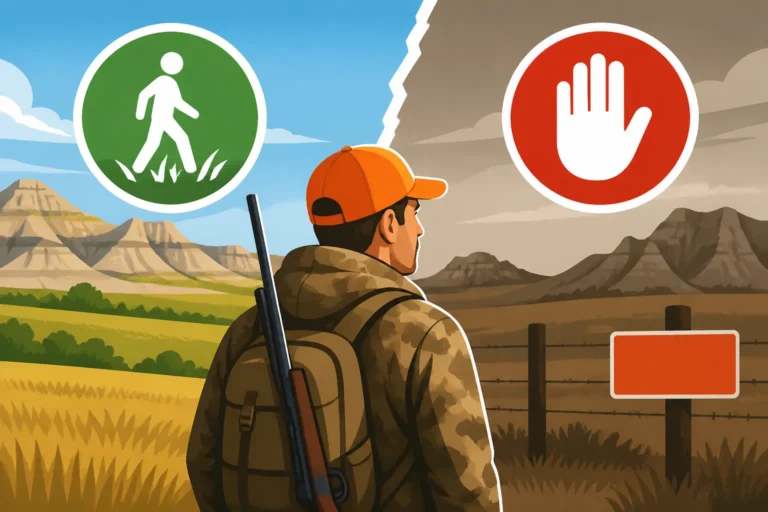
When you're looking at a map of South Dakota, particularly the hunting atlas, you'll see a patchwork of different colors and designations. The two giants for pheasant hunters seeking public access are the Walk-In Areas (WIAs) and Game Production Areas (GPAs). WIAs are privately owned lands leased by the state, typically for a period of years, to provide public access for hunting. These areas are a game-changer, literally, as they open up thousands of acres that would otherwise be private. They're usually marked with yellow signs, clearly indicating foot traffic only, and offer some incredible opportunities, often adjacent to private land that holds birds. For more on these, you can read Hunting South Dakota Walk-In Areas.
Game Production Areas, or GPAs, are state-owned lands managed specifically for wildlife habitat and public recreation, including hunting. These are permanently protected areas, often featuring diverse habitats from cattail sloughs to dense shelterbelts and native grasslands. Unlike WIAs, GPAs are always available and often larger, providing a stable foundation for public hunting. You can think of them as the anchor points of South Dakota's public hunting system. Between these two programs, hunters have an astounding amount of ground to explore, but knowing which ground is most likely to hold birds is where your planning truly begins.
The Importance of Habitat and Land Use
Pheasants are creatures of habit and habitat. They thrive in a mix of dense cover for nesting and winter survival, food sources like corn or milo, and readily available water. This means that counties with a diverse agricultural landscape, combined with dedicated conservation efforts, are often the best bets for finding birds on public land. We're talking about areas that haven't been completely tilled fence-row to fence-row. Look for places with good stands of cattails, shelterbelts, CRP (Conservation Reserve Program) ground, and unharvested crop edges. CRP Acres and South Dakota Bird Numbers often tells the story of how critical these set-aside lands are.
The patterns of land use across South Dakota directly influence pheasant populations. East River (east of the Missouri River) tends to have more intense agriculture, but also boasts thousands of prairie potholes and sloughs, creating fantastic wetland habitat alongside crop fields. West River (west of the Missouri River) is generally more ranching country with larger tracts of native grassland and sagebrush, offering different challenges and opportunities. Understanding these broad ecological differences helps you narrow down your search and understand what kind of cover you'll be dealing with when you get there.
Top South Dakota Counties for Public Pheasant Hunting
While pheasants can be found in virtually every county across the state, some areas consistently stand out due to their habitat, land access, and historical bird numbers. It's not just about sheer acreage of public land, but the quality and distribution of that land in relation to prime pheasant habitat. The best counties are those where public hunting access aligns with excellent bird-holding cover.
East River Hotbeds: Glacial Lakes and Coteau des Prairies
When most people think of South Dakota pheasant hunting, they're picturing the East River region, particularly the Glacial Lakes region and the Coteau des Prairies. These areas are truly phenomenal. Counties like Spink, Brown, Day, Clark, and Faulk regularly report some of the highest pheasant harvests in the state. Why? It's a perfect storm of habitat. The flat to rolling landscape is dotted with thousands of small wetlands, marshes, and sloughs – ideal winter cover and nesting habitat for pheasants. These natural features break up the agricultural fields, providing crucial refuge.
Within these counties, you'll find an incredible density of both Walk-In Areas and Game Production Areas. Many of these public parcels are strategically located adjacent to corn and soybean fields, creating those critical food-and-cover transitions that pheasants rely on, especially as the season progresses. Hunters venturing into these parts of the state with their South Dakota Pheasant Season and Licences in hand should prioritize scouting areas with cattail sloughs, especially those that have tall, dense reeds, as these are often where birds concentrate when pressured or during cold weather. Using an app like onX Hunt becomes invaluable here, allowing you to quickly identify WIAs and GPAs and visualize the surrounding habitat.
West River Opportunities: Scattered Pockets and River Bottoms
While East River often steals the spotlight, don't overlook the West River country for public pheasant opportunities. It’s a different kind of hunting, often more spread out and requiring a bit more work, but it can be incredibly rewarding, sometimes with less hunting pressure. Counties like Tripp, Gregory, and parts of Lyman and Jones can hold surprising numbers of pheasants, especially in river bottom areas along the Missouri River tributaries or in localized pockets of good habitat where agriculture meets grassland. The key here is to find those concentrated areas of cover that break up the vast prairie.
These areas might not have the sheer density of public pheasant land as the East River, but the quality can be exceptional. Look for creek bottoms choked with Russian olives, plum thickets, or scattered cedar trees, as well as areas where irrigation projects have created pockets of lush cover. While West River is more known for deer and antelope, a keen pheasant hunter can find fantastic opportunities. The challenges of the terrain, often with deep draws and vast open spaces, mean that when you find birds on public land here, you've often earned them, making the experience all the more satisfying.
| County | Region (General) | Primary Habitat Type | Public Land Access (Relative) | Hunting Pressure (Relative) |
|---|---|---|---|---|
| Spink | East River | Wetlands, Crop Fields, CRP | High Density WIA/GPA | High |
| Brown | East River | Wetlands, Crop Fields, CRP | High Density WIA/GPA | High |
| Day | East River | Glacial Lakes, Wetlands, CRP | High Density WIA/GPA | High |
| Clark | East River | Crop Fields, Wetlands | Moderate to High WIA/GPA | Moderate to High |
| Faulk | East River | Crop Fields, Wetlands, Grass | Moderate to High WIA/GPA | Moderate to High |
| Tripp | West River | Grassland, River Bottoms | Moderate WIA/GPA | Moderate |
| Gregory | West River | River Bottoms, Grassland | Moderate WIA/GPA | Moderate |
| Lyman | West River | River Bottoms, Grassland | Moderate WIA/GPA | Moderate |
Strategies for Locating and Hunting Public Pheasants
Finding those "best" counties is only the first step. The real work begins when you start to identify specific parcels of public land and plan your approach. It's about combining modern technology with traditional scouting and hunting wisdom. Don't expect to just drive up and find birds everywhere; a methodical approach will pay dividends.
Leveraging Technology: Mapping Apps and Scouting Tools
In today's hunting world, mapping apps are indispensable, especially for public land hunting in South Dakota. Tools like onX Hunt or GoHunt provide satellite imagery overlays that clearly show public land boundaries, Walk-In Areas, and Game Production Areas. This allows you to e-scout from home, identifying promising cover like cattail sloughs, shelterbelts, and unharvested food plots. You can trace potential walking routes, mark access points, and even drop pins on areas that look like prime pheasant real estate, such as thick corners of a field or dense plum thickets along a creek bottom. This pre-hunt preparation is critical for maximizing your time in the field.
Beyond just land boundaries, look for details in the satellite imagery. Notice where tree lines run, where agricultural fields transition to native grass, or where ditches and coulees offer linear cover. These are all potential travel corridors or roosting spots for pheasants. Many of these apps also show landowner names on private parcels, which can be useful if you're ever in a position to ask for permission for access to an adjacent field. Learning to read these maps efficiently is like having an extra set of eyes in the sky, guiding you to where the birds are likely holding. For more on this, check out E-Scouting Walk-In Areas Before the Season.
On-the-Ground Reconnaissance and Reading the Landscape
While e-scouting gets you started, there's no substitute for actually putting eyes on the ground. When you arrive in your chosen county, take some time to drive the gravel roads, observing the actual field conditions. Is the corn still standing? Are the sloughs completely frozen over or still open? Are there fresh tracks in the snow or mud? These real-time observations can confirm or contradict what your satellite imagery told you and help you adjust your plans. Sometimes a patch of cover that looked sparse from the air is actually incredibly dense and birdy on the ground.
Pay attention to subtle changes in elevation, vegetation density, and even wind direction. Pheasants will often seek thermal cover or shelter from the wind in dense draws or cattails. Look for "edge" habitats – where two different types of cover meet – as these are often transition zones for birds. If you're walking an area and not seeing birds, don't be afraid to change your tactics or move to a completely different spot. Learning to read the South Dakota landscape, both from above with technology and on foot, is a skill that develops over time but is fundamental to success on public ground. Remember, a good strategy for heavier cover might be Walking and Blocking South Dakota Cattail Sloughs.
Best Practices for Success on Public Ground
Hunting public land successfully often means being adaptable and respectful. You're sharing the resource with other hunters, and the birds are wild, not pen-raised. Understanding how hunting pressure affects bird behavior and adjusting your approach accordingly can make a huge difference in your daily bag.
Timing Your Hunt and Managing Pressure
South Dakota's public lands, especially the most productive ones, can see significant hunting pressure, particularly on opening weekend and during prime mid-season dates. If you're hunting during these busy times, consider starting your hunt a little later in the morning (the traditional 10 a.m. pheasant opener allows birds to move from roosts) or focusing on parcels that require a longer walk-in. Many hunters will stick close to their vehicles, so simply putting in an extra half-mile or mile walk can often lead you to less disturbed birds. This is where researching Hunting Pressure Patterns on Walk-In Areas can really help.
Conversely, if you're hunting mid-week or later in the season, you might find entire sections of public land to yourself. Birds that have been pressured tend to become much wilder, flushing farther out or running through cover instead of holding tight. Adjust your tactics by walking faster to push birds, or by setting up blockers at the end of cover strips. Sometimes, hitting a smaller, less obvious patch of cover that other hunters might overlook can be incredibly productive, especially if it's surrounded by good food sources.
Respecting the Resource and Fellow Hunters
Hunting public land is a privilege, and it comes with a responsibility to be a good steward of the land and a courteous fellow hunter. Always respect boundaries, even if they're not clearly marked on the ground (this is where mapping apps truly shine). Leave gates as you found them, pack out all your trash, and be mindful of your shot placement and retrieving wounded birds. Nothing detracts from the hunting experience more than finding litter or seeing game left behind.
When you encounter other hunting parties, be polite and respectful. Communication is key; a friendly wave or quick chat can often prevent conflicts. If another group is already working a piece of cover you intended to hunt, give them space and move to another area. There's plenty of public land to go around, and maintaining good hunter etiquette ensures a positive experience for everyone. A good resource for understanding these courtesies is Pheasant Hunting Etiquette on Public Ground. By planning ahead, scouting diligently, and practicing good sportsmanship, you'll greatly increase your chances of a successful and enjoyable public pheasant hunt in South Dakota.
Disclaimer
This article is for general informational purposes only and does not constitute professional advice. Laws, prices and regulations vary by location and change over time. Consult a qualified professional for guidance on your specific situation.