Camping on a Walk-In Area
After a long day of chasing pheasants through heavy cattail sloughs or stalking mule deer across vast prairie breaks, there’s nothing more appealing than the thought of simply pitching a tent right there, close to where the action is. But when it comes to South Dakota’s Walk-In Areas (WIAs), which provide incredible access to private hunting grounds, the rules around overnight stays aren't always as straightforward as hunters might hope. This guide will help clarify the regulations, explain why they exist, and offer practical solutions for camping safely and legally when you're hunting these valuable public access lands.
The Straight Answer: Can You Camp on a South Dakota Walk-In Area?
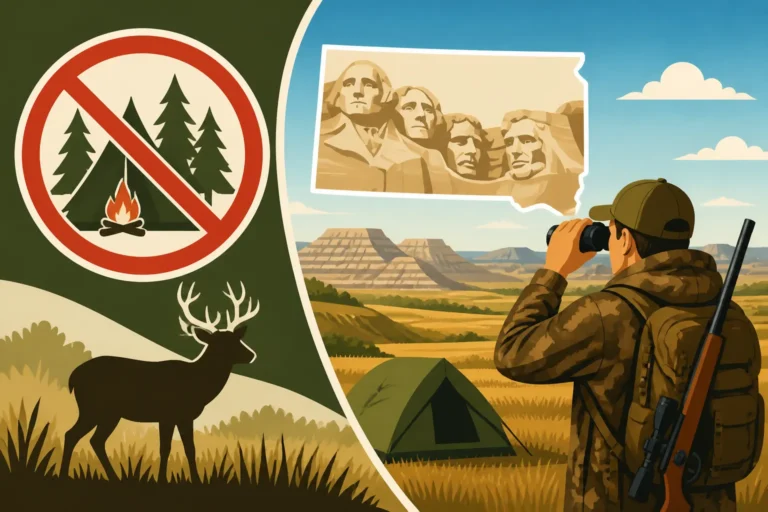
Let's cut right to the chase, because it's a question many hunters grapple with, especially those coming from out of state who might be used to different public land rules elsewhere. Generally speaking, camping is not permitted on South Dakota's Walk-In Areas. These properties are private lands leased by the South Dakota Game, Fish and Parks (GFP) to provide hunter access, and the agreements with landowners typically restrict their use to daytime hunting activities only. This means no setting up tents, no overnight stays in vehicles, and definitely no campfires.
It’s a common frustration, isn't it? You spend hours walking miles of prime habitat, your legs are burning, and the idea of driving another hour to a motel or designated campground feels like a monumental task. You look at that beautiful section of WIA and think, "Wouldn't it be perfect to just stay right here?" But the WIA program is built on a delicate balance of providing access while respecting the private property rights and wishes of the landowners. Allowing camping would introduce a whole new set of concerns—litter, fire risk, extended presence, and potential impact on agricultural operations—that would make the program much harder to maintain. So, while the convenience factor is undeniable, the rules are in place to preserve the program itself.
Why Walk-In Areas Have Camping Restrictions
The core of the WIA program is access for hunting, fishing, and trapping during daylight hours. These are not state parks or national forests designed for multi-use recreation, including overnight camping. When a landowner enrolls their property into the WIA program, they agree to allow public foot traffic for specific activities. This agreement is carefully crafted to minimize impact on their operations and privacy.
Think about it from the landowner's perspective. Their land is still their home, their farm, or their ranch. While they are compensated for allowing public access, they aren't signing up to host campers, complete with tents, trailers, and potentially disruptive activities after dark. The "foot traffic only" stipulation, which is a hallmark of the WIA program, implicitly rules out anything that requires vehicular access or extended stays beyond the hunting day. This understanding helps foster the cooperation that makes South Dakota Walk-In Areas Explained such a success for hunters.
What "Day Use Only" Really Means for Hunters
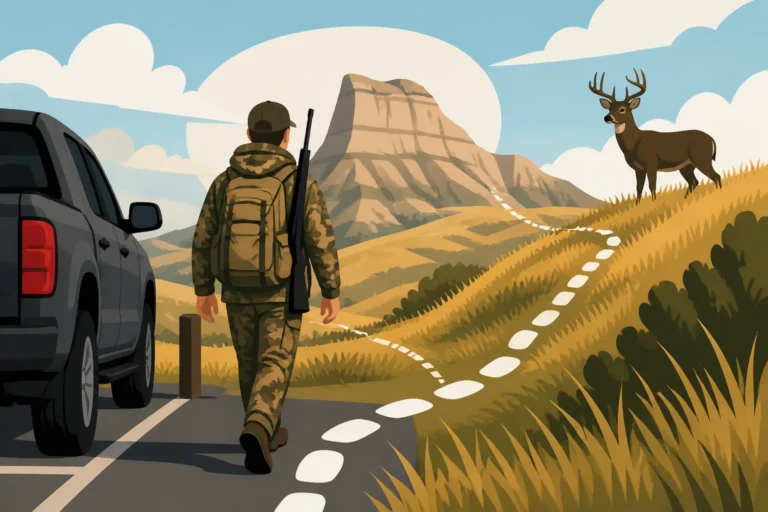
When you see a WIA sign, it's a clear indicator that the area is intended for day use. This means you should enter after legal shooting light and exit before it ends. Your vehicle should be parked in a legal spot, typically along a road right-of-way or in a designated parking area, and not left overnight if you're not planning to return for sunrise. This also means no permanent blinds or stands can be left overnight, and certainly no structures like tents.
The intent is to provide a place to hunt, not a place to live, even temporarily. Hunters are expected to be good stewards of these lands, leaving no trace, and respecting the property as if it were their own private ground. This includes packing out all trash, being mindful of gates and fences, and avoiding any actions that could jeopardize the landowner's willingness to continue participating in the program. Understanding Foot Traffic Only Rules on South Dakota Walk-In Areas is crucial for all who use these valuable resources.
Understanding Walk-In Area Rules and Restrictions
The beauty of the South Dakota Walk-In Area program lies in its simplicity and the sheer amount of access it provides. However, that simplicity means certain activities, like camping, are outside its scope. It's not just about setting up a tent; it extends to other forms of overnight habitation and activities that would fundamentally change the nature of the program.
These rules are not arbitrary. They are a product of balancing hunter demand for access with landowner concerns and the practicalities of managing thousands of acres of private land for public hunting. If WIAs were opened up to camping, the administrative burden, potential for resource damage, and increased liability for landowners would likely lead to many opting out of the program. That would be a huge loss for all of us who rely on these lands for our hunting adventures.
Prohibited Activities Beyond Camping
Beyond obvious tent camping, remember that "camping" extends to any form of overnight stay. This means:
- No RVs or Campers: Even if you could technically park your RV nearby, using it as an overnight base on a WIA is not allowed. The rules apply to the physical act of staying overnight, regardless of the shelter type.
- No Vehicle Camping: Sleeping in your truck or SUV within the WIA boundaries, even if you’re just pulling a sleeping bag out in the back, is also not permitted.
- No Campfires: Open flames pose a significant risk, especially in the often dry prairie conditions. Fires are universally prohibited on WIAs.
- No Permanent Structures: You can’t leave blinds, stands, or other equipment permanently on WIA land. Everything must be removed at the end of each day's hunt.
These regulations ensure the land is minimally impacted and ready for its primary agricultural or conservation use by the landowner the very next day. It also keeps things consistent, so hunters know exactly what to expect when they venture onto these properties.
The Importance of the South Dakota Public Hunting Atlas
Navigating the landscape of public versus private land in South Dakota can feel like a puzzle. This is where tools like the South Dakota Public Hunting Atlas become your absolute best friend. This interactive map, available online and often as a physical copy, clearly delineates WIAs, Game Production Areas (GPAs), National Grasslands, and other public access lands. Knowing what type of land you're on, or near, is the first step to understanding what activities are permitted.
Many hunters also leverage digital mapping tools like onX Hunt or GoHunt. These apps layer property ownership, public land boundaries, and even topo maps right on your phone, making it incredibly easy to see exactly where you are and what regulations might apply. For instance, if you're planning an ambitious hunt that might take you miles into a WIA, you can use these tools to scout for nearby GPAs or National Grasslands where you can set up camp legally. This pre-hunt scouting, often done from the comfort of your home, is invaluable for piecing together a successful multi-day hunt strategy that includes overnight stays. E-Scouting Walk-In Areas Before the Season is a great way to make sure your plans align with regulations.
Practical Alternatives for Overnight Stays Near Walk-In Areas
So, you can't camp directly on a WIA. That's the hard truth. But don't despair! South Dakota offers plenty of fantastic options for overnight stays that keep you close to the action without breaking any rules. The key is knowing what other types of public lands are available and where designated campgrounds can be found.
The vastness of South Dakota's hunting landscape means that while WIAs are invaluable, they are just one piece of the puzzle. There are other forms of public access land where different rules apply, and many private businesses cater to hunters looking for a place to rest their heads. Your hunting trip doesn't have to be cut short just because you can't pitch a tent right next to your pheasant field.
Designated Campgrounds and Private Lodging
For many hunters, especially those traveling with families or who prefer more amenities, designated campgrounds are the way to go. South Dakota State Parks and Recreation Areas often have campgrounds, some with electrical hookups, showers, and other conveniences. These are typically well-maintained and offer a comfortable base camp. Prices and availability vary, so booking in advance, especially during peak pheasant season, is highly recommended.
Beyond state-run facilities, many small towns across South Dakota, particularly in prime hunting regions, offer private campgrounds, motels, and even hunting lodges. These options can range from basic to luxurious, often providing services tailored to hunters, such as kennels for dogs, bird cleaning stations, and hearty meals. While they involve a cost, the convenience and comfort can be well worth it after a grueling day in the field.
Public Lands Where Camping IS Permitted
This is where your mapping tools and knowledge of How Much Public Hunting Land South Dakota Has truly come into play. Several types of public land in South Dakota do allow camping, often referred to as dispersed camping, though specific rules apply to each.
Here’s a quick overview:
| Public Land Type | Camping Allowed? | Key Restrictions/Notes |
|---|---|---|
| Walk-In Areas (WIA) | No | Day use only, foot traffic only. Private land leased for hunting access. |
| Game Production Areas (GPA) | Yes | Primitive/dispersed camping often allowed. No amenities, pack it in/out. Check local signs. |
| National Grasslands | Yes | Dispersed camping widely allowed. Practice Leave No Trace. Fire restrictions common, check ahead. |
| National Forests | Yes | Black Hills National Forest offers dispersed camping and designated campgrounds. |
| Corps of Engineers Land | Yes | Along major rivers/reservoirs; specific areas may allow camping. Check boundaries carefully. |
| State Parks/Recreation Areas | Yes | Designated campgrounds only, typically with fees and amenities. Reservations often required. |
| Waterfowl Production Areas | No | Similar to WIAs, generally day use only. Focus on waterfowl habitat. |
As you can see, places like Game Production Areas (GPAs) and the National Grasslands (like Buffalo Gap or Fort Pierre) are excellent candidates for primitive camping. GPAs are state-owned lands specifically managed for wildlife habitat and public recreation, and many permit dispersed camping. Similarly, the vast tracts of National Grasslands Hunting in South Dakota offer incredible opportunities for hunters to combine their pursuit with a true back-country camping experience. Always, always double-check specific area regulations before you set up camp. Your onX Hunt app or the Using the South Dakota Public Hunting Atlas will be crucial for identifying these areas and their boundaries.
For those heading to the western part of the state, Black Hills National Forest Hunting also offers abundant camping options, from developed campgrounds to extensive dispersed camping in more remote areas. Just remember, forest regulations apply, including fire restrictions that are very common, especially in dry years. Be sure to check the local Ranger District for current conditions and rules. This careful planning ensures you're Finding Legal Access in South Dakota for both hunting and sleeping.
Planning Your Overnight Hunt Logistics
Once you understand where you can and cannot camp, the next step is to plan your logistics. Hunting South Dakota, especially in the more remote West River country, requires a bit of foresight. You're often far from services, and weather can change dramatically, so being prepared for anything is key. Separating your hunting ground from your sleeping ground adds another layer of planning, but it's entirely manageable with a good strategy.
A common scenario is finding a prime WIA that you want to hunt hard for a couple of days. Instead of driving back to a town each night, you'd look for a nearby GPA or National Grassland access point within a reasonable drive (say, 15-30 minutes) where you can legally set up a primitive camp. This allows you to maximize your time in the field while still adhering to all regulations.
Vehicle Access and Parking Considerations
Since most public camping options near WIAs (like GPAs or National Grasslands) are still fairly primitive, you'll need to consider vehicle access. Many of these areas have gravel roads or two-tracks, which can become impassable after rain or snow. Always be aware of the conditions, and if you’re unsure, it’s best to err on the side of caution. Nothing ruins a hunt faster than Getting Stuck on a Prairie Two-Track.
When you find your designated camping spot, ensure your vehicle is legally parked and not blocking any access points. While WIAs have strict rules about leaving vehicles, many GPAs and National Grasslands allow for Overnight Parking at a Game Production Area or similar dispersed camping setups. Just be mindful of other users and potential land management activities. Your vehicle often serves as your primary storage for all your camping and hunting gear, so secure it appropriately.
Essential Gear for Primitive Camping in South Dakota
If you're opting for dispersed camping on GPAs or National Grasslands, you're looking at a primitive experience. This means you need to be entirely self-sufficient. Here’s a quick checklist of essentials:
- Shelter: A sturdy tent, sleeping bag rated for cold temperatures (South Dakota nights can get chilly even in early fall), and a sleeping pad.
- Cooking Gear: A portable camp stove (propane or white gas), cookware, and sufficient fuel. Remember, ground fires are usually prohibited or restricted.
- Water: Plenty of potable water, as sources are often scarce or non-existent. Factor in cooking, drinking, and basic hygiene.
- Food: Non-perishable food supplies for the duration of your stay.
- Navigation: Your onX Hunt or GoHunt app, a physical map, and a compass. Cell service can be spotty in remote areas.
- First Aid: A comprehensive first aid kit is non-negotiable.
- Trash Bags: Always pack out everything you pack in. Leave no trace.
- Lighting: Headlamp, lantern, extra batteries.
- Weather Appropriate Clothing: Layering is key for fluctuating prairie temperatures.
Being prepared for primitive camping means you can focus more on the hunt and less on survival. It's about being respectful of the land and self-reliant in conditions that can sometimes be challenging.
Safety and Communication When Off the Grid
Hunting and camping in remote areas, even just a few miles from the nearest town, requires a strong focus on safety and communication. Let someone know your itinerary—where you plan to hunt, where you plan to camp, and when you expect to be back. This "trip plan" is vital, especially since cell coverage can be unreliable in many West River areas.
Consider carrying a satellite messenger device (like a Garmin inReach or Zoleo) for emergency communication. These devices allow you to send texts and SOS signals even when out of cell range. They offer peace of mind not just for you, but for those back home waiting to hear from you. Always be aware of your surroundings, potential wildlife encounters, and the unique challenges of the South Dakota environment, especially during inclement weather. A little extra planning goes a long way in ensuring a safe and successful hunting adventure.
Disclaimer
This article is for general informational purposes only and does not constitute professional advice. Laws, prices and regulations vary by location and change over time. Consult a qualified professional for guidance on your specific situation.