South Dakota Record Book Mule Deer
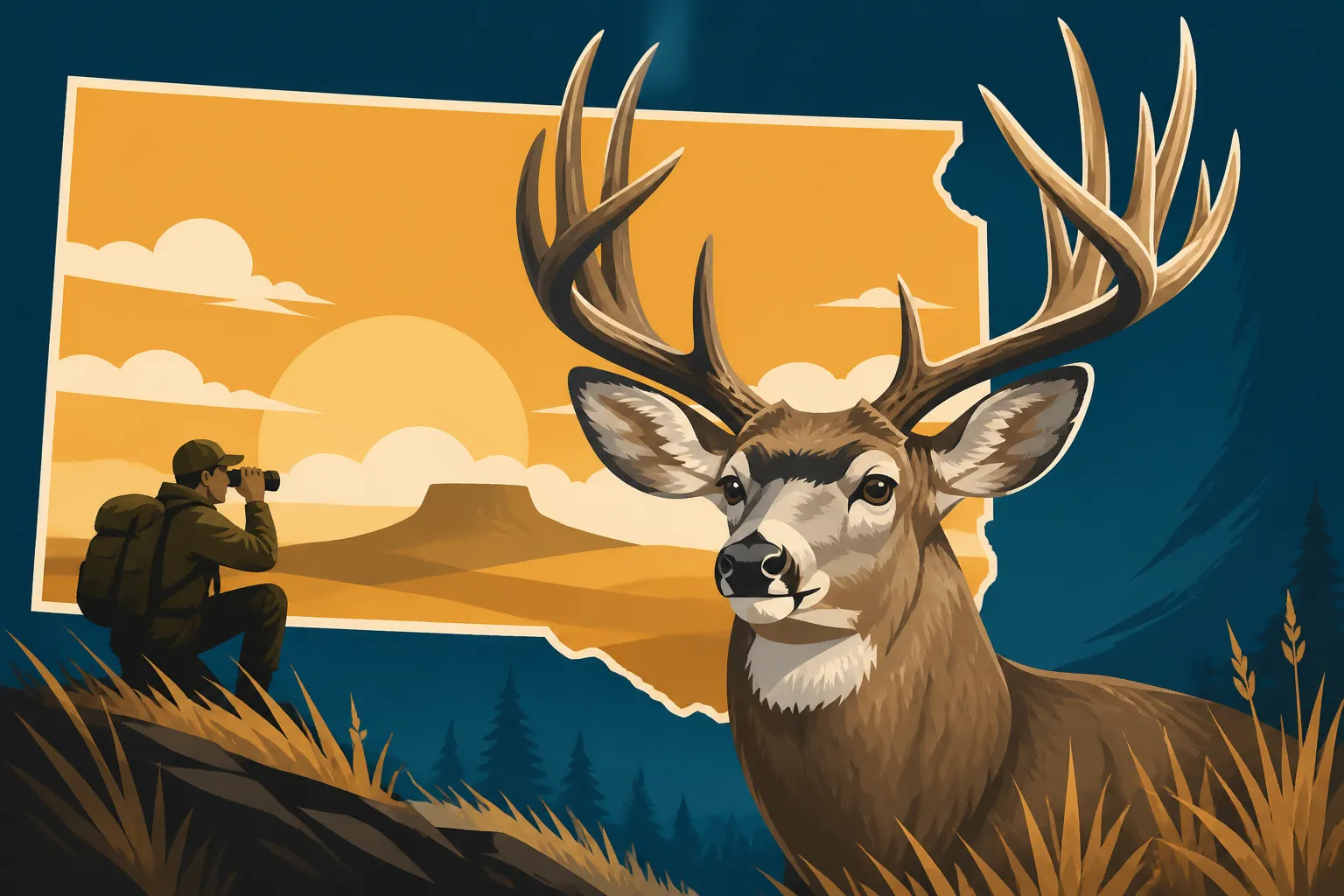
That dream of a truly giant mule deer buck, a monarch of the prairie breaks, is a powerful motivator for many hunters who set their sights on South Dakota. It’s not just about the harvest; it’s about the challenge of finding an animal that represents years of exceptional genetics, nutrition, and sheer luck. This guide will walk you through what it really means to pursue, understand, and potentially register a record book mule deer in the rugged landscapes of West River South Dakota, from understanding the official scoring systems to the relentless effort required to even catch a glimpse of such a magnificent creature.
Understanding South Dakota's Record Book Programs
When hunters talk about "record book" animals, they're often referring to national organizations that maintain stringent scoring systems. However, South Dakota also has its own proud tradition of recognizing outstanding big game trophies. Understanding these different programs is the first step toward appreciating the magnitude of a truly exceptional mule deer.
Boone and Crockett and Pope and Young
The Boone and Crockett Club (B&C) and the Pope and Young Club (P&Y) are the gold standards for North American big game records. B&C is for trophies taken with firearms, while P&Y is for those taken with archery equipment. Both clubs use a meticulous scoring system that measures antler length, circumference, and spread, along with deductions for asymmetry. There are two main categories for scoring antlers: typical and non-typical. Typical antlers are generally symmetrical, with points growing upward from the main beams. Non-typical antlers have abnormal points, drop tines, or unusual growth patterns that add to the score in a specific way. Making either of these books is a monumental achievement, reflecting a buck that not only possessed incredible genetics but also survived for many years in a challenging environment. It’s a testament to the animal itself and the hunter's dedication.
The scoring process for both B&C and P&Y involves a lengthy drying period (typically 60 days) after the animal is harvested to allow for any shrinkage. Then, a certified scorer meticulously measures every aspect of the antlers. The final score often comes down to very small fractions of an inch, which can make all the difference in whether a buck qualifies for the record book. Many hunters spend their entire lives chasing this caliber of animal, experiencing countless hours of scouting and hunting for just one opportunity.
South Dakota's Own Big Game Records Program
Beyond the national recognition, South Dakota maintains its own comprehensive big game records program, often run in conjunction with the state's wildlife department or a dedicated conservation group. This program celebrates exceptional animals taken within the state's borders, providing a more localized sense of achievement and a historical archive of the biggest bucks taken over the years. While often aligning closely with the scoring methodologies of B&C and P&Y, the state's program might have slightly different minimums for entry, making it a more accessible goal for some hunters while still recognizing truly outstanding trophies.
The South Dakota program offers a fantastic way to celebrate the quality of game animals produced by our local habitats and conservation efforts. It helps showcase the incredible potential of our mule deer herds and provides a valuable dataset for wildlife managers. For many residents, having their buck recognized in the state's record book holds a special significance, representing a pinnacle achievement in their hunting career within the state they call home or visit regularly. It’s a nod to the specific challenges and rewards of hunting the South Dakota landscape.
The Importance of Official Scoring
You might be tempted to "green score" your buck in the field, making rough measurements right after the harvest. While this can give you an exciting initial estimate, it’s absolutely crucial to understand that only a truly official measurement by a certified scorer after the mandatory drying period counts for record book entry. Antlers can and do shrink as they dry, and even a quarter-inch difference can drop a buck below the minimum score. Beyond shrinkage, official scorers are trained to be precise, consistent, and adhere strictly to the rules of the scoring system, ensuring fairness and accuracy across all entries.
Trying to score your own buck, or having an inexperienced friend do it, can lead to disappointment later. The precise measurements of main beams, points, circumferences, and spreads, along with calculating deductions for symmetry, require a keen eye and specialized tools. Before you start planning your record book submission, make sure you understand the official process and who is qualified to perform the scoring. Skipping this step can lead to frustration and potentially disqualify a truly magnificent animal from the recognition it deserves.
Where Record Book Mule Deer Come From in South Dakota
South Dakota isn't uniformly prime habitat for giant mule deer. The truth is, trophy-class bucks emerge from specific conditions and regions within the state, primarily concentrated where the land provides everything they need to thrive and grow old.
Key West River Regions
When you think of big mule deer in South Dakota, your mind should immediately drift to the vast expanses west of the Missouri River. This is the heartland of our mule deer population, characterized by rugged breaks, rolling prairies, river bottomlands, and the unique badlands terrain. Areas like the Buffalo Gap National Grassland, the Fort Pierre National Grassland, and the Cheyenne River breaks are prime examples of where these animals make their home. The sheer size of these landscapes, coupled with their relatively sparse human population, allows bucks the space and security needed to mature.
The varied topography in these West River regions provides crucial cover and diverse forage. From sagebrush flats and cedar draws to creek bottoms lined with brush, a mule deer buck can find seclusion, food, and escape routes. Hunters who consistently pursue trophy mule deer in South Dakota know that success often comes down to intimately understanding these landscapes. Focusing your efforts on these areas, and studying maps of places like the Mule Deer Range in West River South Dakota, will give you a significant advantage in your quest. The combination of minimal pressure and diverse habitat is what creates the potential for truly exceptional deer.
Habitat and Nutrition for Trophy Growth
It’s an undeniable truth in wildlife management: age, genetics, and nutrition are the three pillars of antler growth. While hunters can't control genetics, they can certainly look for areas where optimal nutrition allows bucks to express their full genetic potential. South Dakota's West River country, especially during years with good rainfall, provides an abundance of high-quality forage rich in protein and minerals. This includes various native grasses, forbs, and browse species that are essential for bone and antler development.
Adequate nutrition throughout the year, not just during the summer growth phase, is critical. Bucks need consistent access to quality food sources to maintain their body condition, especially through the stresses of the rut and harsh winters. When these conditions align – ample food, fresh water, and diverse cover – bucks not only survive but thrive. A healthy deer herd with access to prime forage is far more likely to produce bucks with impressive antler growth. Understanding this ecological balance is key to finding those areas that consistently grow larger deer.
Age Structure and Management
Even with the best genetics and nutrition, a buck simply cannot grow record-book antlers if it doesn't live long enough. The age structure of a deer population is paramount for trophy hunting. South Dakota's management strategies, which include carefully allocated tags and specific season structures, aim to allow a good number of bucks to reach older age classes. Generally, a mule deer buck hits its peak antler growth between five and seven years old, though some can continue to improve slightly or maintain size even longer.
Hunters often have to be patient, passing up younger bucks that would be impressive anywhere else, to give them a chance to fully mature. This selective harvesting strategy, combined with the low hunter density in many remote West River areas, contributes significantly to the presence of older-age-class bucks. Wildlife managers closely monitor Mule Deer Buck Age Structure and fawn recruitment rates to ensure the health and long-term potential of the herd. Without a strong population of mature bucks, the dream of a record book animal would simply remain a dream.
The Hunt for a South Dakota Record Book Mule Deer
Chasing a record book mule deer in South Dakota isn't for the faint of heart. It demands a level of dedication, patience, and strategic thinking that sets it apart from more casual hunts. It's a true test of a hunter's skills and resolve.
Extensive Scouting and E-Scouting
The pursuit of a record book buck begins long before the season opens, often spanning the entire year. Extensive scouting is non-negotiable. This isn't just a casual drive-by; it means boots on the ground, glassing for hours, shed hunting in the spring, and running trail cameras. Understanding the specific habits and patterns of mature bucks in the areas you intend to hunt is critical. These older, wiser animals have learned to avoid detection, making their daily routines and bedding areas difficult to pinpoint.
Modern tools have revolutionized this process. E-scouting platforms, such as GoHunt, allow you to analyze satellite imagery, topography, property boundaries, and historical weather patterns from the comfort of your home. You can identify potential bedding cover, water sources, and travel corridors, even mark access points on public land before you ever set foot in the field. This blend of digital reconnaissance and physical legwork, as detailed in guides like E-Scouting Walk-In Areas Before the Season, creates a comprehensive understanding of your hunting grounds, increasing your odds of encountering that elusive giant.
Patience and Persistence
Imagine spending countless mornings and evenings behind your binoculars, meticulously picking apart distant hillsides and draws. This is the reality of hunting a trophy mule deer in South Dakota. You'll spend far more time glassing than walking, searching for that telltale flash of antler or the subtle movement of a bedded buck. The West River country is vast, and a truly mature buck can disappear into seemingly minimal cover. It requires immense patience to slowly pick apart Glassing Grids on Open Breaks or dissect Reading Prairie Coulees for Mule Deer without disturbing the animals.
There will be days, even weeks, when you see nothing that excites you. You might spot many smaller bucks, but the discipline to pass them by, knowing what you're truly after, is a hallmark of a trophy hunter. The persistence comes in returning day after day, week after week, adapting your strategy to weather conditions, deer movement, and hunting pressure. It’s a mental game as much as a physical one, demanding resilience and an unwavering belief that your effort will eventually pay off.
Understanding Mule Deer Behavior
Mule deer, especially older bucks, are creatures of habit but also incredibly wary. Their survival depends on their ability to use the terrain, wind, and cover to their advantage. Learning to anticipate their movements, particularly during the rut when bucks are more active and less cautious, is crucial. Observing how they travel between bedding and feeding areas, how they react to wind shifts, and where they seek refuge during different times of the day will inform your stalking strategy. Stalking a Bedded Mule Deer Buck requires a deep understanding of these factors.
A mature mule deer buck rarely makes a mistake. They're often found in difficult-to-access areas, using broken topography and dense brush to stay hidden. When you do spot a potential record book animal, the real challenge begins: planning your approach. Considerations like Wind Direction on a Prairie Stalk become paramount. You need to use draws, ridges, and even individual clumps of sagebrush to stay concealed and close the distance for a shot. It's a chess match with an animal that has played the game its entire life, and your success hinges on predicting its next move.
Field Care and Documentation for a Potential Record
Harvesting a record book mule deer is an incredible achievement, but the work isn't over when the shot is fired. Proper field care and meticulous documentation are critical to ensure your trophy is eligible for official scoring and preserved for a lifetime.
Proper Field Dressing and Caping
Immediately after harvesting, the priority shifts to preserving the meat and the trophy. Field dressing needs to be done quickly and efficiently, especially in South Dakota's often warm early season temperatures. While getting the animal cooled down is paramount for meat quality, equal care must be given to protecting the hide and skull plate. A poorly executed field dressing can contaminate the cape or damage the skull, making it difficult for a taxidermist to create a quality mount or for a scorer to take accurate measurements.
When caping for a shoulder mount, it's crucial to leave ample hide and ensure the cut is far enough down the brisket to allow the taxidermist sufficient material to work with. Avoid making cuts that could damage the ears, eyes, or nose area, as these are critical for a natural-looking mount. If you’re unsure, it’s always better to leave more hide than less. Many hunters will make a circumferential cut behind the shoulders, then cut up the spine to the base of the skull, peeling the hide forward while leaving the skull attached. This care, similar to what's needed for Field Dressing an Antelope Fast, ensures the integrity of your trophy.
Handling the Skull Plate for Scoring
If you plan to have your mule deer officially scored, particularly for B&C or P&Y, the antlers must remain attached to the skull plate. This means cutting the skull cap with the antlers attached, rather than just sawing off the antlers. The standard cut for B&C and P&Y typically involves sawing through the skull roughly two to three inches below the eye sockets and extending back through the base of the antlers. It’s important to keep the skull plate intact, as the integrity of the skull is part of the scoring measurement.
After removing the skull plate, it needs to be thoroughly cleaned of all flesh and membrane. Any remaining tissue can attract insects or lead to decay, potentially damaging the bone. Once cleaned, the skull plate must undergo a mandatory 60-day drying period at room temperature. This allows any moisture to evaporate and for the bone to stabilize, preventing shrinkage after scoring. Rushing this step or improper cleaning can lead to an inaccurate score or even disqualification.
Connecting with a Certified Scorer
Once your mule deer antlers have completed their 60-day drying period, the next step is to locate a certified official scorer for the appropriate organization (Boone and Crockett, Pope and Young, or the South Dakota state program). You can usually find a list of certified scorers on the respective organization's website, often searchable by state or region. It's best to call ahead and schedule an appointment, as scorers are often volunteers and have busy schedules, especially during hunting season.
When you bring your trophy in, ensure it's clean and ready for measurement. The scorer will meticulously go over every aspect of the antlers, taking numerous measurements with specialized tools. They will explain the process and answer any questions you have. This isn't just about getting a number; it's a verification process that confirms the animal truly meets the rigorous standards of the record book. The official score sheet will then be submitted, and you'll eventually receive confirmation of your buck's entry into the record book, solidifying its place in hunting history.
Typical vs. Non-Typical Mule Deer Antler Scoring
Understanding the basic differences in how typical and non-typical mule deer antlers are scored is crucial for appreciating the nuance of record books. While both involve meticulous measurements, the approach to abnormal points and overall symmetry differs.
| Feature | Typical Scoring | Non-Typical Scoring |
|---|---|---|
| Main Goal | Reward symmetry and normal antler growth | Reward mass and overall antler material, including abnormal points |
| Symmetry | Deductions for differences between corresponding sides | Abnormal points are added to the score, not deducted |
| Abnormal Points | Deducted from the score | Measured and added to the score |
| Measurements | Length of main beams, points, circumferences, spread | Same as typical, but abnormal points are measured and added |
| Final Score | Net score (Gross – deductions) | Gross score (includes abnormal points) |
| Aesthetic | Clean, balanced look | Often more unique, irregular, and massive |
Disclaimer
This article is for general informational purposes only and does not constitute professional advice. Laws, prices and regulations vary by location and change over time. Consult a qualified professional for guidance on your specific situation.