Which South Dakota Game Meat Tastes Best
The age-old question of which South Dakota game meat tastes "best" is something hunters debate around every campfire and kitchen table. There's no single right answer, and anyone who tells you otherwise probably hasn't tried enough wild game! The truth is, the flavor of wild game is incredibly diverse, influenced by so many factors, and what one person loves, another might find too strong or too mild. This guide is here to walk you through what gives South Dakota's game its distinct flavors and how you can ensure every harvest is a delicious one.
Understanding the Factors That Influence Game Meat Flavor
Before we dive into the specifics of each species, it's really important to understand that "gamey" isn't a single flavor profile. It's a spectrum, and it's influenced by a whole host of environmental and biological factors. Think of it like comparing different cuts of beef – a ribeye is vastly different from ground chuck, and wild game has even more variables at play.
Diet and Habitat of the Animal
What an animal eats absolutely impacts how it tastes. This is perhaps the biggest factor that seasoned hunters will point to when discussing flavor differences. An animal that's been feeding on lush, green alfalfa will often have a milder, sweeter flavor than one that's been digging up bitter roots or browsing on pungent sagebrush. This is especially true for our deer and antelope across South Dakota.
Consider a West River mule deer that spends its life grazing on forbs and prairie grasses, compared to an East River whitetail that might be heavily reliant on corn, soybeans, and alfalfa in crop fields. Their diets are completely different, and those differences are going to translate directly into the meat. The same goes for waterfowl; a duck that's been hitting cornfields before the season will often taste different from one that's been feasting on aquatic vegetation in a pothole. It’s why sometimes a "sagey" antelope gets a bad rap, but it’s just reflecting its natural diet.
Age and Sex of the Animal
Generally speaking, younger animals tend to have more tender meat with a milder flavor. As animals age, their muscles work harder, developing more connective tissue, and sometimes a stronger, more assertive taste. This isn't always a bad thing – many connoisseurs appreciate the richer, deeper flavors of an older animal, but it's a definite difference.
For big game, a mature buck that's been through the rigors of the rut, chasing does and fighting rivals, might have a stronger flavor and tougher texture than a young doe or a yearling buck. The stress and hormonal changes during the rut can absolutely influence meat quality. This is a common discussion point when talking about deer, and something many hunters consider when filling their tag.
Stress Levels and Adrenaline at Harvest
This is a huge, often overlooked factor that has a massive impact on flavor. An animal that is stressed and pumps adrenaline through its system right before harvest can have meat that tastes "sour," "bloody," or simply off. This is because adrenaline causes a chemical change in the muscles, breaking down glycogen into lactic acid, which can affect pH and flavor.
A clean, quick, ethical harvest that minimizes stress is not just good animal husbandry; it’s crucial for good table fare. An animal that runs a long way after the shot, especially if wounded, will almost always yield tougher, less palatable meat compared to one that drops quickly. This is why practicing your shots and understanding shot placement is so important, not just for a quick kill, but for a quality meal.
A Deep Dive into South Dakota's Popular Game Meats
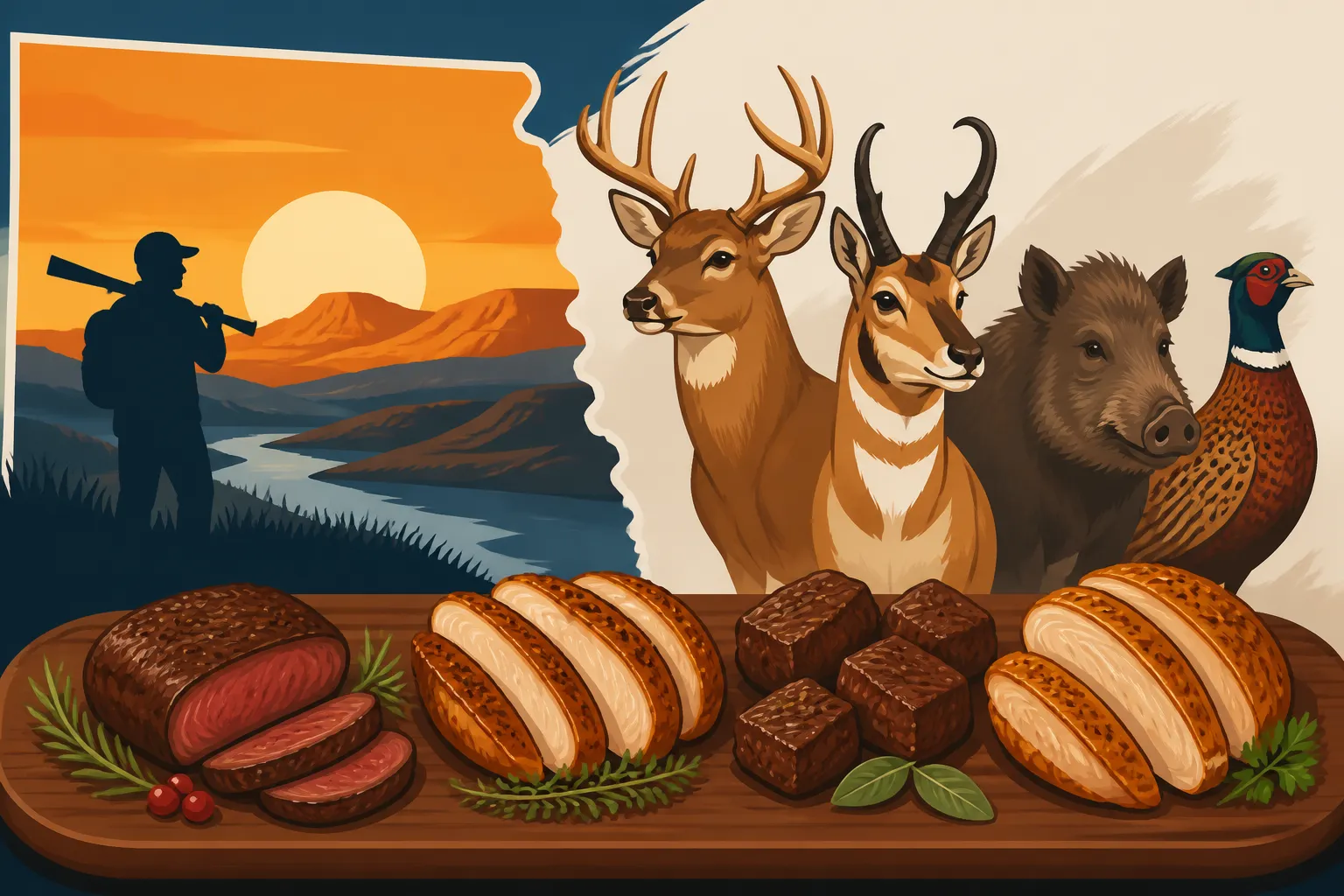
Now, let's talk turkey – or rather, pheasant, deer, and antelope! South Dakota offers an incredible variety of game, each bringing its own unique flavors to the table. We’re really spoiled for choice here in the heartland.
The Distinctive Flavor of South Dakota Pheasant
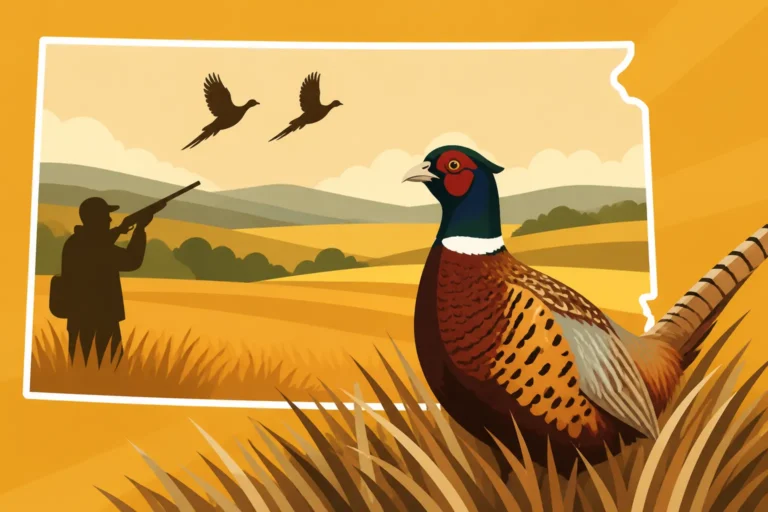
Ah, the South Dakota pheasant. For many, this is the gold standard of wild game birds. The flavor is generally mild, slightly sweet, and boasts a delicate earthiness that you just don't find in farm-raised poultry. It's lean, with a fine-grained texture that can be incredibly tender when cooked properly. There's a subtle wildness to it, but it's rarely overpowering, making it a favorite even among those new to game meat.
The flavor can vary slightly depending on what the birds have been eating – those feasting on corn might have a slightly sweeter, richer taste, while those in wilder prairie grass might have a more pronounced earthy note. Crucial to great pheasant meat is quick cooling in the field after harvest, and ensuring the birds aren't left too long in a warm vehicle. Cleaning Pheasants in the Field and Keeping Birds Cool in a Warm Truck are essential steps for maximizing this bird's delicious potential.
Exploring the Taste of South Dakota Deer (Whitetail Versus Mule Deer)
South Dakota is home to both whitetail and mule deer, and while their flavors are similar, subtle differences can be noted. Generally, deer meat is lean, rich, and savory, with a distinct flavor often referred to as "gamey." This "gamey" taste can range from mild to quite strong, depending on diet, age, and field care.
- Whitetail Deer: Often found in the river bottoms, agricultural fields, and brushy draws of both East and West River, whitetails frequently have access to crop fields. This diet can often result in a slightly milder, sweeter venison compared to deer solely reliant on wild browse. Their meat is very versatile, excellent for steaks, roasts, or grinding into burger. For more on field care, check out Getting a Deer Out of a South Dakota Coulee.
- Mule Deer: Primarily West River dwellers, mule deer often feed on a broader range of native grasses, forbs, and brush in the breaks and badlands. While still rich, some hunters report mule deer having a slightly more herbaceous or "wilder" flavor, though often less intensely "gamey" than a rut-worn whitetail buck. Proper field care and aging are absolutely paramount for excellent mule deer venison, similar to what you'd do for Deer Meat Yield From a Mule Deer. Both species, if cared for correctly, offer some of the finest red meat available.
Pronghorn Antelope: A Unique Prairie Delicacy
Pronghorn antelope often gets a bad rap, and honestly, that's usually due to poor field care. The meat itself is extremely lean, with a fine texture, and can have a unique flavor profile. When handled correctly, it's often described as tasting like a very lean, mild beef, sometimes with a subtle sweetness or a slightly earthy, almost liver-like undertone. However, if not cooled rapidly and meticulously, it can develop a very strong, unappetizing flavor that gives it the "gamey" reputation.
The key to delicious antelope is speed and cleanliness in the field. They are incredibly lean animals, and their body temperature rises quickly after harvest, which can accelerate spoilage. This is why Field Dressing an Antelope Fast is so critical. Any residual blood or offal left on the meat can also impart a strong, undesirable taste. If you've had bad antelope in the past, chances are it wasn't the animal's fault, but rather a lapse in post-harvest care. Understanding Why Antelope Meat Gets a Bad Name is the first step to enjoying this incredible meat.
The Richness of South Dakota Elk and Waterfowl
South Dakota may not be widely known for elk, but the Black Hills and some prairie units offer incredible hunting for these majestic animals. Elk meat is often considered the closest wild game to domestic beef in terms of flavor and texture, but with a richer, slightly sweeter, and more complex wild flavor. It's incredibly lean and tender, making it highly prized. An adult bull can yield an immense amount of meat, so knowing your way around Elk Meat Yield From a Black Hills Bull is important.
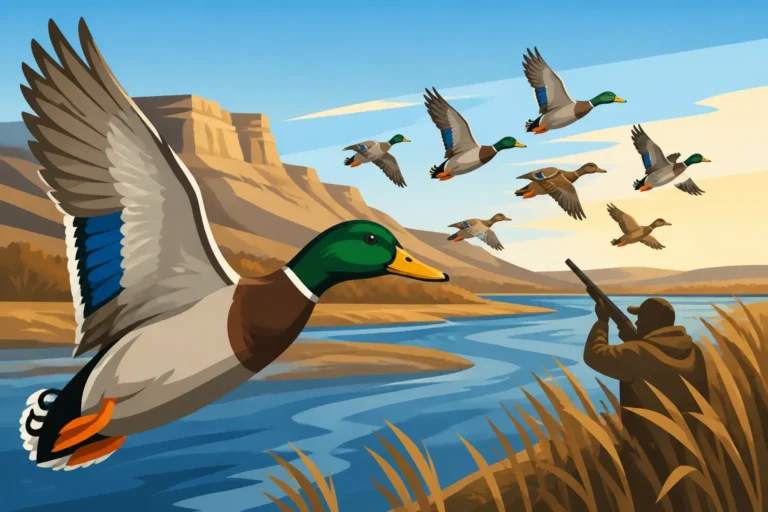
Waterfowl, particularly ducks and geese, offer a completely different experience. These birds have dark, rich meat with robust, distinctive flavors. The taste varies significantly by species and diet.
- Ducks: Mallards and pintails, especially those feeding on grain, can be quite rich and flavorful, a true delicacy. Divers, like bluebills or canvasbacks, which feed more on aquatic vegetation, might have a stronger, fishier, or more "mineral" taste, which some hunters adore and others prefer to mask with strong marinades.
- Geese: Canada geese, especially the larger birds, have very dark, firm, and robustly flavored meat. It's often compared to a very rich, lean beef, but with that unmistakable "goosey" character. Many hunters enjoy goose breasts seared, smoked, or even ground for sausage. Both ducks and geese benefit from careful plucking or breasting and rapid cooling.
Beyond the Hunt: Field Care and Preparation for Best Flavor
No matter what animal you harvest, the journey from field to plate is critical. Even the "best tasting" game animal can be ruined by poor post-harvest handling. This is where your efforts truly pay off in terms of flavor and tenderness.
The Critical Importance of Immediate Field Dressing
This cannot be stressed enough: immediate and thorough field dressing is the single most important step in ensuring delicious wild game meat. As soon as an animal is down, the clock starts ticking. The goal is to remove the entrails, which are a major source of bacteria and heat, as quickly as possible. This allows the carcass to cool down rapidly. For large animals like deer and antelope, getting that body cavity open and aired out is paramount.
Warm weather exacerbates this need. On a warm South Dakota October day, a deer or antelope carcass can spoil in a matter of hours if not promptly field dressed and started on the cooling process. We're talking about saving your hard-earned meal here. You want to get the hide off as soon as possible if conditions allow, as the hide traps heat, much like a winter coat. Utilizing resources like Antelope Meat and How to Treat It provides valuable insights into quick and effective field dressing.
Proper Cooling and Aging Techniques
Once field dressed, the next crucial step is cooling. The meat needs to cool down to refrigerator temperatures (around 34-40°F) as quickly as possible. This inhibits bacterial growth and allows the meat to "set." If you're out in West River country without immediate access to a cooler or processing facility, hanging the carcass in the shade with good air circulation is a start. For longer hauls or warmer temperatures, getting ice into the cavity can be a lifesaver. This often comes up in discussions about Getting Meat Cooled in Warm Weather.
Aging is another powerful tool for enhancing flavor and tenderness, especially for big game. This involves holding the meat at a cool, consistent temperature (again, 34-40°F) for several days or even a week or two. During aging, natural enzymes in the meat break down connective tissues, making it more tender and developing richer, more complex flavors. This isn't just for fancy steaks – aging can turn an average cut into an extraordinary one. Learning about Aging Venison Before Cutting can transform your venison experience.
Cooking Methods and Marinades to Enhance Flavor
Even with perfect field care, the way you prepare and cook wild game makes all the difference. Wild game is almost universally leaner than farm-raised meat, meaning it can dry out quickly if overcooked. This lean quality also means it readily absorbs flavors from marinades and seasonings.
| Game Species | Recommended Cooking Methods | Marinade/Seasoning Suggestions |
|---|---|---|
| Ring-necked Pheasant | Roast whole, pan-fry breasts, braise legs, stew | Herbs (thyme, rosemary), white wine, butter, cream, fruit compotes |
| Whitetail/Mule Deer | Steaks (grilled/seared), roasts (slow-cooked), stew, ground meat | Red wine, garlic, juniper berries, soy sauce, dry rubs, chili |
| Pronghorn Antelope | Quick searing (rare-medium rare), stir-fry, ground for burgers | Strong savory marinades (teriyaki, Worcestershire), fruit juices, chili |
| Elk | Steaks (grilled/seared), roasts, stew, grind for sausage | Similar to beef: garlic, pepper, rosemary, red wine, simple rubs |
| Waterfowl (Ducks) | Pan-seared breast (medium-rare), roast whole, confit | Orange, soy, ginger, maple, rich sauces, bacon wrapping |
| Waterfowl (Geese) | Roasts (slow-cooked), confit, sausage, stew | Apple, sage, garlic, balsamic, strong dry rubs |
Lean cuts like antelope, often maligned, truly shine with quick, high-heat cooking to a medium-rare doneness, or when marinated heavily and ground. Many hunters also use a thin layer of bacon or fat draped over lean game roasts to keep them moist. Don't be afraid to experiment with different marinades, rubs, and cooking temperatures to find what truly brings out the best in each piece of meat. And remember, the GoHunt app can be a great resource for finding recipes shared by other hunters!
Making Your Own Choice: Finding Your Favorite Wild Game
Ultimately, the "best" tasting South Dakota game meat is a matter of personal preference. What you find delicious might be completely different from your hunting buddy, and that’s perfectly okay. There's a wonderful journey of culinary exploration waiting for you in the wild.
Experimentation is Key
Don't be afraid to try new things. If you've only ever had pheasant, make it a point to try properly cared-for antelope or venison. Experiment with different cuts, cooking methods, and seasoning combinations. You might be surprised by what you discover! Perhaps that venison roast you thought was too gamey could be transformed into a delicious chili, or those duck breasts that were dry when overcooked could be perfect pan-seared to a medium-rare.
Keep notes on what you liked and didn't like. Did that marinade make the mule deer taste just right? Was the pheasant too dry when roasted without enough butter? This kind of personal research is what makes hunting truly a lifestyle, extending well beyond the shot.
Sharing the Harvest
One of the greatest joys of hunting is sharing the bounty with friends and family. A meal of wild game often comes with stories from the field, deepening the experience. Whether it's a pheasant pot pie from birds harvested on public Walk-In Areas or venison steaks from a Black Hills buck, sharing is part of the tradition.
Encourage others to try wild game, and be ready to educate them on the care that went into bringing that delicious meal to the table. By doing so, you're not just serving food; you're sharing a piece of South Dakota's wild heart.
Disclaimer
This article is for general informational purposes only and does not constitute professional advice. Laws, prices and regulations vary by location and change over time. Consult a qualified professional for guidance on your specific situation.