Pheasant Meat Handling and Cooking
You’ve put in the miles, the dog worked hard, and finally, you’re holding a beautiful South Dakota rooster. That’s the peak of the experience for many hunters, but the truth is, the journey isn't over yet. The real challenge, and often the most overlooked part, is ensuring that delicious bird makes it from the field to your plate in prime condition. Many hunters lament that wild pheasant meat can be tough or dry, and honestly, that's often a result of improper handling and cooking, not the bird itself. This guide will walk you through everything you need to know to transform your hard-won pheasant into a culinary delight, validating all that effort you put into the hunt.
Field Dressing and Initial Care: The First Crucial Steps
The moments immediately after a pheasant hits the ground are absolutely critical for meat quality. How you handle the bird in these first minutes and hours can make all the difference between succulent table fare and a less-than-desirable meal. Don't let your hard work in the field go to waste by neglecting these initial steps.
Why Immediate Cooling Matters
Think of that crisp fall day turning into a surprisingly warm afternoon, which often happens during the early South Dakota pheasant season. The moment an animal is harvested, its body temperature starts to drop, but internal organs and muscle mass hold heat for a surprisingly long time. This warmth, combined with ambient temperatures, creates a perfect breeding ground for bacteria. Without proper cooling, these bacteria multiply rapidly, leading to off-flavors, spoilage, and a significantly reduced shelf life. Enzymatic breakdown, a natural process in meat, also accelerates in warmer conditions, which can lead to a mushier texture if not managed. A quick cool-down slows both bacterial growth and enzymatic activity, preserving the flavor and texture you want. Field Dressing an Antelope Fast touches on similar principles for big game, but smaller birds have their own considerations.
Imagine you're walking a cattail slough on a sunny October day; the temperature is pushing 60 degrees. You bag a bird at 11 AM. If that bird sits in the back of your vest, piled with other birds, until 5 PM when you get back to the truck, it's essentially slow-cooking in its own body heat and the sun. By the time you get it home, it might already be compromised. This is why even a few degrees can be the difference.
Field Dressing Options: Gutting vs. Breast Removal
When it comes to initial processing in the field, you generally have two main approaches for pheasants, each with its own benefits and drawbacks. Understanding these can help you choose the best method for your hunting situation and conditions.
Gutting Whole Birds
This method involves removing the internal organs (viscera) while leaving the bird otherwise intact.
- Pros: By gutting the bird, you remove the primary source of internal heat and bacterial contamination immediately. This allows the body cavity to cool much faster. You also retain the entire bird, which means you have the option of roasting it whole, and you can harvest the legs, thighs, and wings, maximizing your meat yield. The carcass with bones is excellent for making rich pheasant stock, which can elevate your cooking to another level. For those who appreciate every part of the bird, this is the way to go.
- Cons: Gutting a whole bird adds more weight and bulk to your game vest or cooler. It's also a bit messier in the field, and if you're not careful, you can contaminate the meat. If you plan to pluck the bird (keep the skin on), gutting cleanly is essential to avoid tearing the skin. For very warm days, even a gutted bird needs rapid cooling, as the meat mass itself still holds heat.
Breast Removal
This is a popular method, especially for those hunting with a South Dakota Nonresident Small Game Licence Price on walk-in areas where weight matters. It involves simply removing the breast meat from the bird, leaving the rest of the carcass behind.
- Pros: This is by far the fastest and cleanest method in the field. You're only carrying the prime breast meat, which is lighter and much easier to cool down quickly because of its smaller mass. It minimizes mess and is ideal if you're covering a lot of ground or hunting in warm weather. Many hunters prefer this method for convenience.
- Cons: You sacrifice the legs, thighs, and wings, which are perfectly good meat, especially the legs and thighs for braising. You also lose the bones for stock. While convenient, some argue it's a less ethical use of the animal if viable meat is left behind. However, in many areas, scavengers will quickly clean up what's left, minimizing waste.
Keeping Birds Cool in the Field
Regardless of whether you gut your birds or just take the breasts, getting them cool, and keeping them cool, is paramount.
For Warm Weather Hunting
On those unseasonably warm South Dakota days, when the sun is high and you're miles from the truck, you need a plan.
- Ice is Your Friend: A cooler packed with ice is non-negotiable. If you're gutting birds whole, place them directly on ice or in a game bag on top of ice. For breasts, get them into a Ziploc bag and onto ice immediately.
- Shade and Airflow: Avoid piling birds in your vest, especially if they are ungutted. The body heat from multiple birds will create a mini oven. If possible, hang birds in a shaded, breezy spot during breaks, or lay them out to cool individually. This air circulation is vital.
- Game Bags: Breathable game bags protect the meat from dirt and flies while allowing air to circulate, aiding in cooling. Avoid plastic bags at this stage, as they trap heat and moisture.
For Cold Weather Hunting
Even in the late season when Late-Season Hunting in South Dakota Snow is the norm, you shouldn't just toss birds in a pile. While spoilage is less of a concern, proper cooling and handling still ensure better quality.
- Prevent Freezing: While it might seem ideal to have the cold air freeze your birds, rapid freezing without proper initial cooling (and packaging) can affect texture. Allow the birds to cool down slowly and thoroughly before they potentially freeze.
- Air Circulation: Still aim for good airflow. Don't pile birds directly on top of each other in a truck bed or unventilated space.
- Protection from Elements: Keep birds out of direct wind and blowing snow once they are cooling to prevent freezer burn or dehydration of the outer meat.
Processing Pheasants at Home: From Feathers to Freezer
Once you've made it home from the field, the next stage of processing begins. This is where you decide how you want to prepare the bird for future meals, and these choices significantly impact the final flavor and texture.
Plucking vs. Skinning: A Personal Choice
This is perhaps the biggest debate among pheasant hunters. Each method has its staunch advocates, and the best choice often comes down to personal preference, the desired cooking method, and how much time you're willing to invest.
| Feature | Plucking (Skin On) | Skinning (Skin Off) |
|---|---|---|
| Effort | More time-consuming, can be messy | Fast, relatively clean, straightforward |
| Meat Quality | Skin retains moisture, adds fat and flavor, crisps well | Meat can be drier without skin, less flavor from fat |
| Flavor Impact | Richer, more traditional game bird flavor profile | Lighter flavor, often requires more moisture in cooking |
| Cooking Versatility | Excellent for roasting, frying, grilling | Best for braising, stews, stir-fries, recipes where moisture is added |
| Tools Needed | Boiling water (optional), steady hands | Sharp knife or shears |
Plucking for the Win (Often!):
Plucking involves removing all the feathers, leaving the skin intact.
- Pros: The skin is where a lot of the flavor resides, especially with game birds. It acts as a natural basting layer, keeping the meat moist during cooking. When roasted or pan-fried, pheasant skin can crisp up beautifully, adding a wonderful textural element. This is the traditional way to prepare poultry and allows for classic preparations like whole roasted pheasant. If you want a Pheasant Meat Handling and Cooking experience that maximizes flavor, plucking is generally preferred.
- Cons: It's undeniably more time-consuming and can be quite messy. Feathers fly everywhere! Some hunters find the process tedious, especially after a long day in the field. There are techniques to make it easier, such as scalding the bird briefly in hot water (around 150 degrees F) to loosen feathers, but even then, it requires patience.
Skinning for Speed and Simplicity:
Skinning means removing the skin along with the feathers.
- Pros: This method is quick, clean, and requires minimal effort. You can get a bird processed and into the freezer in minutes. It's perfect for hunters who want to get to the meat quickly or who plan to use the pheasant in stews, chili, or other dishes where the skin wouldn't contribute much or might even get soggy. If you harvested a lot of birds, skinning allows you to process them efficiently.
- Cons: Without the skin, pheasant meat is notoriously lean and can dry out very easily during cooking. You lose that protective layer of fat and flavor that the skin provides. This means you'll need to be more deliberate with your cooking methods, often adding fat or moisture to compensate, such as by barding (wrapping with bacon) or braising.
Breaking Down the Bird
Once you've decided on plucking or skinning, it's time to break the bird down into usable portions.
For Whole Birds (Plucked and Gutted)
If you've kept the bird whole, you can proceed in a couple of ways:
- Roast Whole: You can prepare it as you would a small chicken, ready for the oven. Make sure to rinse the cavity thoroughly and pat it dry.
- Cut into Pieces: For many recipes, cutting the bird into pieces is more practical.
- Breasts: Remove the entire breast plate with the bone, or fillet the breast meat off the bone.
- Legs and Thighs: Separate these from the body. You can keep them attached or separate the drumstick from the thigh. These are excellent for braising.
- Wings: Detach the wings at the joint.
- Back and Neck: Don't discard these! Along with the giblets (heart, liver, gizzards), these are fantastic for making rich stock. This is a great way to use every part of the bird. Cleaning Pheasants in the Field might not cover this home processing, but it's the next logical step.
For Breast-Only Birds
If you only brought the breasts home, your job is much simpler.
- Trim: Inspect the breasts for any remaining shot, feathers, or bruised meat and trim it away.
- Portion: You can leave the breasts whole, cut them into cutlets, or slice them into strips or cubes, depending on your planned recipe. Packaging them whole often gives you the most flexibility later.
Packaging for Longevity
Proper packaging is crucial to prevent freezer burn and maintain meat quality for months. Freezer burn occurs when air comes into contact with the meat, causing dehydration and a tough, dry, discolored surface.
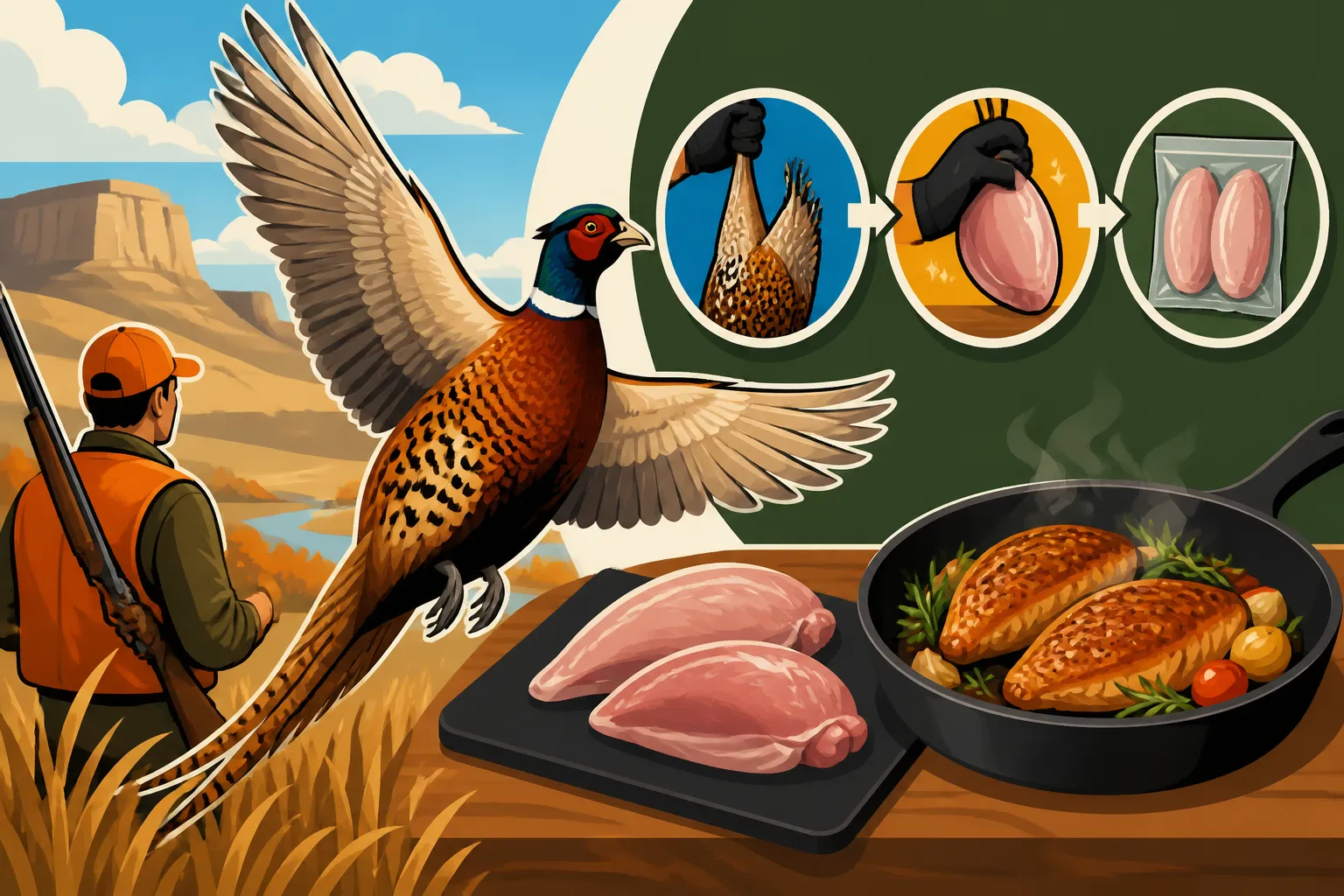
- Vacuum Sealing: This is by far the best method for long-term freezer storage. Vacuum sealers remove all the air from the package, creating an airtight seal that prevents freezer burn. Pheasant breasts, legs, and even whole birds (if small enough) can be vacuum-sealed. The investment in a vacuum sealer pays off in superior meat quality over time.
- Freezer Bags and Wrap: If a vacuum sealer isn't an option, use heavy-duty freezer bags or freezer paper.
- Freezer Bags: Press out as much air as possible before sealing. You can even submerge the bag (with the zipper mostly closed) into water to use water pressure to push out the air before sealing the last bit.
- Freezer Paper/Plastic Wrap: Wrap the meat tightly first in plastic wrap, pressing out air, then follow with freezer paper, folding the edges to create a tight seal. This double layer helps.
- Labeling: Always label your packages with the contents (e.g., "Pheasant Breasts"), the date, and ideally, the year. This helps you rotate your stock and ensures you use older meat first. You don't want to discover a mystery package of game meat years later and wonder what it is! This is as important for Getting Meat Cooled in Warm Weather and processed correctly as it is for long-term storage.
Cooking Your South Dakota Pheasant: Recipes and Techniques
Now for the fun part: turning your carefully handled pheasant into a delicious meal. The key here is understanding the nature of wild pheasant meat and choosing cooking methods that bring out its best qualities while preventing common pitfalls.
Combatting Dryness: Moisture is Key
The biggest complaint about pheasant, especially wild pheasant, is that it can be dry. Unlike commercially raised poultry, wild pheasants are lean, constantly active birds, meaning their meat has very little fat. This low-fat content makes them susceptible to drying out if not cooked properly.
- Brining: This is a game-changer for lean game birds. Brining involves soaking the pheasant in a solution of salt, sugar, and sometimes aromatics (like herbs, garlic, or citrus) for several hours. The salt helps the meat retain moisture during cooking, resulting in a juicier, more tender product. A basic brine might be 1/4 cup of salt and 1/4 cup of brown sugar per quart of water. Make sure the bird is fully submerged and refrigerated. This really helps to keep the meat from getting too tough.
- Barding or Larding: Since pheasant lacks natural fat, you can add it externally.
- Barding: This involves wrapping the pheasant breasts or whole bird with strips of bacon, pancetta, or salt pork. As the fat renders, it bastes the bird, adding moisture and flavor.
- Larding: This is a more traditional technique where small strips of fat (like pork fatback) are threaded directly into the meat. It's less common for home cooks but achieves a similar result.
- Slow Cooking Methods: These are your best friends for lean game meat.
- Braising: This involves searing the meat briefly, then simmering it in a flavorful liquid (broth, wine, cream sauce) in a covered pot or Dutch oven for an extended period. The low, slow heat gently breaks down connective tissue and infuses the meat with moisture and flavor. Think pheasant cacciatore or coq au vin.
- Stewing: Similar to braising, stewing involves smaller pieces of meat cooked slowly in liquid, often with vegetables. It's perfect for tougher cuts like pheasant legs and thighs.
- Quick Cooking Methods (with caution): While pan-searing or grilling pheasant breasts can be done, it requires extreme care and is generally best for brined meat. High heat, quick cooking times, and not overcooking are vital. Aim for medium-rare to medium doneness to avoid dry, chewy results. Overcooked pheasant breasts are a common pitfall.
Popular Pheasant Preparations
Pheasant is incredibly versatile, lending itself to a wide array of culinary interpretations. Don't be afraid to experiment beyond the basic pan-fry!
- Classic Roasted Pheasant: If you've plucked a whole bird, roasting is a beautiful way to highlight its natural flavor. Stuff the cavity with aromatics like lemon, onion, and fresh herbs. Bard the bird with bacon or baste frequently. Roast until internal temperature reaches a safe level, then let it rest. This method, especially with a properly brined bird, can yield truly spectacular results.
- Braised Pheasant Dishes: This is arguably where pheasant truly shines. Braised pheasant is tender, flavorful, and incredibly comforting.
- Pheasant with Mushrooms and Wine: A rustic dish, often using white wine, chicken broth, and a variety of wild mushrooms.
- Creamy Pheasant: Braising in a rich cream sauce with herbs is another popular option, perfect over pasta or rice.
- Pheasant Casseroles or Pot Pies: Leftover braised pheasant can be flaked and used in creamy casseroles or the ultimate comfort food: pheasant pot pie with a flaky crust.
- Quick and Easy Pheasant (Breasts): For those times you want a fast meal.
- Pheasant Stir-fry or Fajitas: Cut breast meat into strips, marinate briefly, and quickly stir-fry with vegetables. The quick cooking time and added moisture from the marinade and sauce help prevent dryness.
- Pan-Seared Pheasant Breasts: Best with brined breasts. Sear quickly in butter or oil until golden brown and cooked through, but not overcooked. A simple pan sauce made with white wine and herbs can finish the dish.
- Smoking Pheasant: For an entirely different flavor profile, consider smoking a whole pheasant or breasts. The low, slow heat of a smoker, coupled with wood smoke, adds incredible depth. Again, brining before smoking is highly recommended to keep the meat juicy.
Pairing Flavors with Wild Pheasant
Pheasant, with its mild gamey flavor, pairs wonderfully with a range of ingredients that complement its earthy notes without overpowering them. When planning your hunting trip, especially if you're using tools like GoHunt to scout promising habitat and Reading Aerial Imagery for Cattail Cover, remember to think about the culinary journey from field to table!
- Earthy and Savory:
- Mushrooms: Morels, cremini, portobello – mushrooms are a natural companion, enhancing the pheasant's earthy notes.
- Root Vegetables: Carrots, potatoes, parsnips, and sweet potatoes stand up well to the rich flavor of pheasant, especially in stews or roasts.
- Onions and Garlic: Fundamental aromatics that form the base of many pheasant dishes.
- Fruity and Tart:
- Apples: Sliced apples or apple cider can add a touch of sweetness and acidity that brightens pheasant dishes.
- Cranberries/Cherries: Dried cranberries or sour cherries in a sauce or stuffing provide a tart counterpoint to the richness of the meat.
- Citrus: A squeeze of lemon or orange zest can cut through richness and add freshness.
- Herbs and Spices:
- Classic Poultry Herbs: Sage, thyme, and rosemary are always excellent choices, bringing out traditional poultry flavors.
- Bay Leaf: Essential for long, slow braises and stocks.
- Juniper Berries: For a more pronounced gamey flavor, a few crushed juniper berries can be wonderful.
- Rich Liquids and Fats:
- Cream and Buttermilk: Cream sauces, or even a buttermilk marinade, add richness and tenderize the meat.
- White Wine or Brandy: Deglazing a pan with white wine or adding a splash of brandy to a sauce can create layers of sophisticated flavor.
- Chicken or Game Stock: The foundation of any good braise or stew, providing depth and moisture. If you've been careful with Getting a Deer Out of a South Dakota Coulee or Quartering a Deer in a Coulee, you'll know how important it is to treat every part of the animal with respect. The same goes for pheasant bones for stock!
By understanding how to properly handle your pheasant from the moment it's harvested and then applying thoughtful cooking techniques, you'll consistently create meals that truly celebrate the bounty of a successful South Dakota hunt.
Disclaimer
This article is for general informational purposes only and does not constitute professional advice. Laws, prices and regulations vary by location and change over time. Consult a qualified professional for guidance on your specific situation.