When Ducks Migrate Through South Dakota
If you're anything like me, you've spent countless hours staring at the sky, wondering exactly when those waves of ducks will start pouring into South Dakota's potholes and sloughs. It's a question that can drive us absolutely bonkers, balancing the sheer eagerness to get out there with the practical reality of whether the birds are actually here. This guide is dedicated to shedding some light on the intricate dance of duck migration through our beloved state, helping you understand the rhythms and cues that bring the waterfowl spectacle to life each fall.
Understanding the Factors Influencing Duck Migration
Ducks aren't just winging it when they decide to pack up and head south. Their movements are a complex symphony of instinct, environmental triggers, and the basic need for survival. If we want to consistently be in the right place at the right time, we need to understand the conductors of this avian orchestra. It's more than just a calendar date; it's about reading the signs Mother Nature provides.
Weather Patterns and Cold Fronts
The number one factor, hands down, that gets ducks moving through South Dakota is the weather. We often talk about "the first real cold front" with a mixture of excitement and dread, depending on how much prep work we've done. These significant weather events, especially those coming out of Canada, are like a giant invisible hand pushing birds southward. When a strong arctic high-pressure system descends, bringing with it plummeting temperatures and often snow or freezing rain, shallow water bodies in the northern reaches begin to skim over with ice. This ice-up removes accessible food sources and forces ducks to seek open water further south.
It's not just the temperature that matters, either. The strong north winds accompanying these fronts are also a huge part of the equation. Ducks are incredibly efficient flyers, but battling a headwind for hundreds of miles burns precious energy. A strong tailwind from a northern cold front can give them a free ride, making the migration much more efficient. So, when you're checking the forecast in mid-October, don't just look at the high temperature; pay close attention to the wind direction and any major drops in overnight lows across the Dakotas and up into Canada. That's your migration trigger.
Water Availability and Food Sources
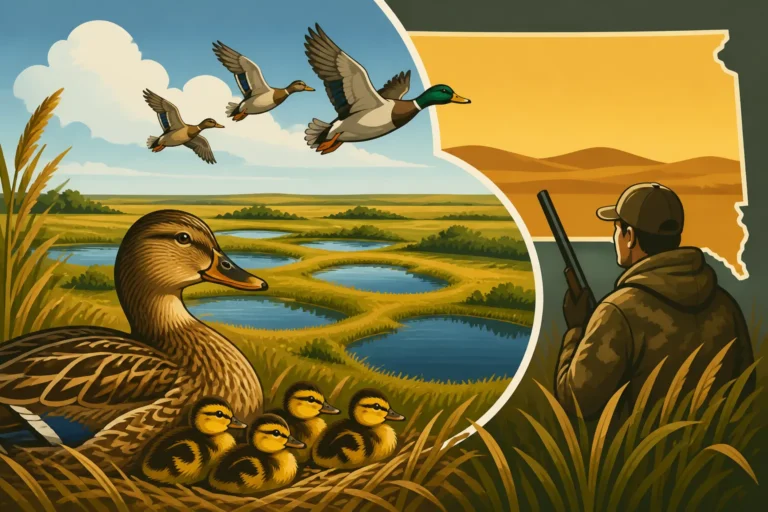
While weather is a huge push, the availability of suitable habitat and food is what largely dictates where ducks decide to stop and refuel along their journey. South Dakota is famous for its Prairie Pothole Duck Production, and these shallow wetlands are goldmines for migrating waterfowl, especially if they haven't frozen over yet. Ducks need water for resting, security, and feeding on aquatic invertebrates, seeds, and submerged vegetation. If a major drought has hit the prairie, or if early freezes lock up most of the smaller potholes, birds will often overfly these areas in search of more hospitable conditions.
Conversely, a year with abundant rainfall and healthy wetlands means more food and more places for ducks to stage and rest, potentially holding birds longer in the state. Agricultural fields, particularly those with leftover corn or beans, also become crucial feeding grounds, drawing ducks in by the thousands. Understanding these dynamics is key. You might use mapping applications like GoHunt to keep an eye on wetland conditions and crop progress in areas you plan to hunt, giving you a better idea of where birds might concentrate or move through quickly. Scouting South Dakota Public Ground Before the Season involves looking at these factors closely.
Day Length and Biological Clocks
Beneath all the external triggers, there's a fundamental, internal drive that prompts ducks to migrate: the changing length of daylight. As the days shorten after the summer solstice, a bird's endocrine system signals the onset of migratory restlessness, or "zugunruhe." This biological clock is the underlying force that tells ducks it's time to prepare for the long journey south, even before the first cold snap hits.
While day length doesn't directly dictate a specific migration date, it sets the stage. It's why, year after year, we see certain species start their southbound trek around the same general timeframes. This inherent rhythm ensures that ducks don't wait too long and get caught by a sudden, severe winter storm, or depart too early and miss out on valuable feeding opportunities in the north. It’s the foundational instinct upon which all other environmental cues build.
The Early Season Push: Teal and Early Ducks
For many of us, the opening of duck season in South Dakota is practically a holiday, signaling the start of months of waterfowl obsession. And while we dream of greenheads piling into the decoys, the early season often belongs to the smaller, faster, and often overlooked teal. These birds are the vanguard, the first wave of migrants that herald the coming waterfowl onslaught.
September's Green-Winged and Blue-Winged Blitz
When September rolls around, especially in the first few weeks, our focus is often on the earliest migrants: blue-winged and green-winged teal. Blue-wings are typically the first to depart their northern breeding grounds, often pushed by early, subtle cold fronts in late August and early September. They move fast and often in large flocks, darting and weaving over the prairie. You can often find them in very shallow water, dabbling for seeds and aquatic insects in sheet water, flooded bean fields, or the margins of larger potholes.
Green-winged teal tend to follow closely behind, sometimes mixing with the blue-wings but often forming their own tight-knit groups. They're a bit more cold-hardy and might linger longer into the fall, but their main push is definitely in the early weeks. If you’re targeting teal, remember they’re often early risers, getting up and feeding at dawn, and they'll be gone as quickly as they arrived, chasing the warmth and food further south. It’s a hunt that demands scouting and quick action when the birds are in.
The Role of Local Breeding Birds
It’s easy to get caught up in the idea of big migrations from Canada, but don't forget about the birds that actually nest in South Dakota. Many ducks, including a significant number of mallards, pintails, gadwall, and wigeon, are hatched and raised right here in our state's abundant wetlands. These local birds often provide excellent hunting opportunities early in the season, before the major migratory waves arrive. They've been feasting on local food sources all summer and are generally less wary than their northern counterparts, at least until they've been shot at a few times.
These resident ducks tend to stay until local conditions force them out. As smaller wetlands freeze, or as hunting pressure increases, they'll often consolidate on larger, deeper water bodies or move to fields. Their presence can sometimes mask the initial pushes of truly migratory birds, but they are a vital part of the early season success. Hunters often overlook scouting for these local birds, but finding their preferred feeding and loafing areas can fill a strap even before the big push from the north begins.
Early Season Hunting Strategies
Hunting during the early migration periods requires a specific approach. Teal, with their smaller size and fast flight, demand quick reflexes and often smaller shot sizes. They also love shallow water, so don't be afraid to hunt areas that might seem too thin for larger ducks later in the season. Decoy spreads for early ducks can be a bit more relaxed, often just a handful of teal or mixed puddle duck decoys, as the birds aren't as wary as they will become later in the fall.
For local birds, the key is often to find their feeding patterns. Are they hitting a specific cut cornfield? Are they loafing on a particular remote stock dam? These birds are creatures of habit, and careful observation can lead to consistent success. Concealment is always important, but early season cover is often still lush, so natural blinds can be highly effective. Remember, these early birds are usually less pressured, so a slightly less "perfect" setup can still yield great results.
Peak Migration: Mallards and Divers in Full Swing
This is the time most South Dakota duck hunters live for. The early season teal have largely moved on, and now it's time for the true stars of the show to make their grand entrance: the big mallards, pintails, gadwall, and wigeon, followed by the hardy divers. This is when the prairie truly comes alive with wings.
October's Main Event: Mallards, Pintails, and Wigeon
As October progresses, especially into the latter half of the month, the first significant pushes of mallards and other large puddle ducks begin to arrive. These are the birds that nested further north in Canada and the northern U.S., and they are responding to those stronger cold fronts we talked about. You'll start to see larger flocks, often flying higher, until they spot suitable habitat. This is when the greenheads, with their iridescent heads and unmistakable quacks, truly start to dominate the scene. South Dakota Waterfowl on the Central Flyway discusses these migrations in detail.
Pintails, with their elegant long necks and unmistakable silhouette, also make a strong showing during this period. Wigeon and gadwall will be mixed in, often providing consistent action. These birds are looking for abundant food – primarily waste grain in agricultural fields (especially corn) and seeds in shallow wetlands. Scouting becomes paramount, as these birds will pattern quickly, often feeding in fields during the morning and evening, and resting on larger water bodies during midday. A good pair of binoculars and a willingness to drive country roads are your best friends during this time.
Diver Migration on Big Water
While puddle ducks dominate the potholes and fields, the middle to late October period also brings a significant influx of diver ducks to South Dakota’s larger water bodies. Think of Lake Oahe, Lake Sharpe, Lake Francis Case, and even some of the deeper natural lakes in the northeast like Lake Poinsett or Waubay. Canvasbacks, redheads, scaup (bluebills), and ring-necked ducks arrive, seeking the deeper waters and aquatic vegetation that these large reservoirs provide.
Hunting divers is a different beast entirely than hunting puddle ducks. You often need bigger decoy spreads, heavier anchors, and a boat suitable for navigating open water. Concealment is still key, whether it's in a layout blind along a shoreline or from a boat blind tucked into cattails. These birds are incredibly fast and can be challenging to bring down, but the sight of a flock of canvasbacks roaring into a spread is something every waterfowler should experience. Understanding Decoy Spreads on a South Dakota Prairie Pothole can be helpful, even if you are on a larger lake.
Mid-Season Hunting Considerations
Mid-season hunting is all about adaptation. The birds are smarter, having dodged hunters for weeks, and the weather can be wildly unpredictable. One day you’re in shirtsleeves, the next you’re bundled against a blizzard. For puddle ducks, calling becomes more nuanced; over-calling can spook wary birds. Realistic decoy spreads, often using a mix of species, and meticulous concealment are critical. Accessing hunting spots might require breaking through skim ice on smaller potholes.
For divers, boat maintenance and safety are paramount given the colder water temperatures and potential for rough conditions on large reservoirs. Hunters should be prepared for wind – learning to read Wind Calls on Long Prairie Shots for ducks can be just as important as for big game – and have the right gear to stay warm and dry for long hours in a blind. This is also the time when public land can see increased pressure, so finding those less-traveled spots becomes a key to success.
Late Season: The Last Push Before Winter
As the calendar turns to November and December, the South Dakota duck season enters its final, often most challenging, but sometimes most rewarding, phase. The landscape is changing, the cold is biting, and only the hardiest of birds and hunters remain.
November and December's Cold Weather Birds
By late November and into December, most of the early and mid-season migrants have pushed further south, having no tolerance for freezing conditions. What remains are the true cold-weather warriors: big, tough mallards, Canada geese, and the most resilient of the diver species like goldeneyes and common mergansers. These birds have built up significant fat reserves and are equipped to handle sub-zero temperatures as long as they can find open water and food.
These late-season birds are often concentrated on the largest, deepest water bodies that are the last to freeze, such as the Missouri River reservoirs or spring-fed sloughs. They'll also be heavily utilizing waste grain in agricultural fields, sometimes flying considerable distances from their roosting water to feed. It's not uncommon to see thousands of mallards hitting a single cornfield, making for incredible field hunts if you can get permission. Hunting Food Plots and Corn Edges becomes an especially critical tactic.
Chasing the Freeze Line
Late-season duck hunting in South Dakota truly becomes a game of "chasing the freeze line." As temperatures consistently drop and shallow water bodies lock up with ice, ducks are forced to move. Hunters must constantly monitor ice conditions, looking for that critical open water that will hold birds. This might mean focusing on river systems, areas with current that keeps water open, or sections of large reservoirs that are protected from the wind and last to freeze.
The beauty of this chase is that sometimes a small pocket of open water, overlooked by others, can concentrate an incredible number of ducks. A spring-fed seep in a slough, a small section of river with a riffle, or even a dug-out cattle tank can become a temporary refuge for hundreds of birds. This is where local knowledge and relentless scouting, sometimes involving driving every two-track in an area, pays huge dividends.
End-of-Season Hunting Challenges
Late-season hunting is not for the faint of heart. The cold is relentless, demanding top-tier insulated clothing, waders, and reliable heaters for blinds. Decoy spreads might need to be larger to attract the attention of high-flying, wary birds, and constantly breaking ice to keep a spread open can be exhausting work. Ducks are incredibly educated by this point, having seen every trick in the book. Ultra-realistic decoys, minimal movement, and perfect concealment are not just advisable; they're essential.
Perhaps one of the biggest challenges is simply staying warm and focused. Frozen fingers, numb toes, and fogged-up glasses are common frustrations. But for those who brave the elements, the rewards can be incredible – a limit of big, fat mallards or hardy divers, often representing the culmination of a season's worth of effort. The camaraderie of a late-season hunt, huddled with friends against the cold, is a unique experience that cements the bond between hunter and nature.
Here's a general overview of when different duck groups typically make their main push through South Dakota:
| Duck Group | Peak Migration Period | Preferred Habitat | Key Factors |
|---|---|---|---|
| Blue-winged Teal | Early September – Mid-September | Shallow potholes, sheet water, flooded fields | Early cold fronts, day length, rapidly moves south |
| Green-winged Teal | Mid-September – Early October | Shallow wetlands, smaller marshes | Early cold fronts, food availability, a bit hardier |
| Gadwall, Wigeon | Late September – Mid-October | Potholes, larger marshes, agricultural fields | Moderate cold fronts, good food sources |
| Northern Pintail | Early October – Late October | Shallow wetlands, flooded fields, river bottoms | Stronger cold fronts, follows agricultural harvest |
| Mallards | Mid-October – Early December | Potholes, rivers, large reservoirs, cornfields | Consistent cold fronts, ice-up, abundant food |
| Divers (Canvasback, Redhead, Scaup) | Mid-October – Mid-November | Large, deep lakes and reservoirs, Missouri River | Ice-up on northern lakes, aquatic vegetation availability |
| Late-Season Mallards | Late November – December | Large open water, rivers, heated feed fields | Sustained cold, hard freeze, desperate for open water |
| Goldeneye, Merganser | November – December | Rivers, large reservoirs, open water in severe cold | Extreme cold, follow flowing water, very hardy |
This table provides a general guideline. Actual migration dates can shift by a week or two year to year based on the exact weather patterns. Always remember to check your South Dakota Waterfowl Season Dates and adapt your plans accordingly.
Disclaimer
This article is for general informational purposes only and does not constitute professional advice. Laws, prices and regulations vary by location and change over time. Consult a qualified professional for guidance on your specific situation.