Commenting on a South Dakota Season Proposal
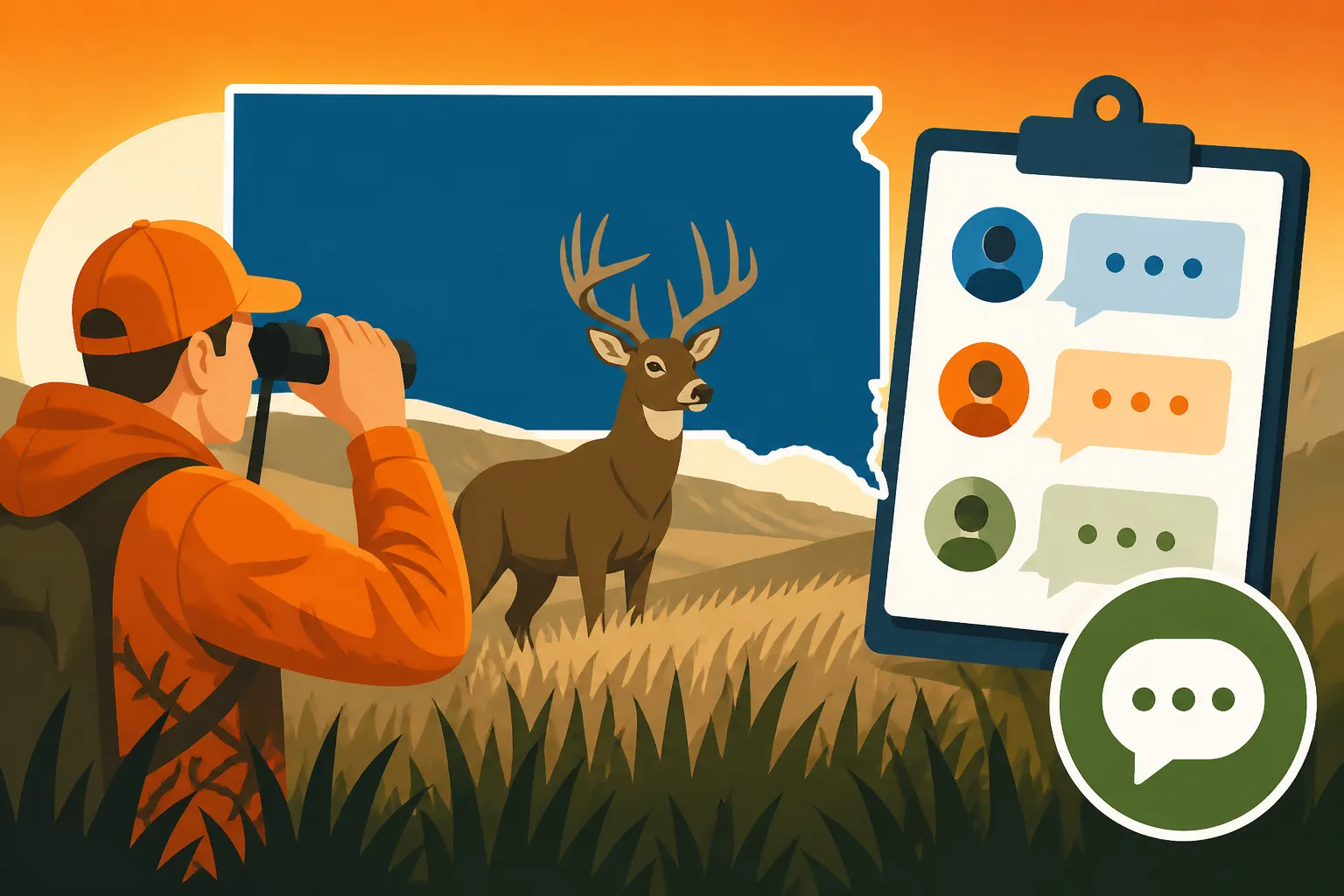
It can feel incredibly frustrating to watch as hunting season proposals are unveiled, sometimes seemingly out of nowhere, leaving you wondering if your voice as a dedicated sportsman even matters. Many hunters feel disconnected from the process, unsure how to make their opinions heard effectively. This guide is designed to demystify the South Dakota Game, Fish and Parks (GFP) Commission's public comment process, empowering you to actively participate and influence the future of hunting in our great state.
Understanding the South Dakota Game, Fish and Parks Commission Process
Before you can offer meaningful feedback, it's essential to grasp how hunting regulations come to be in South Dakota. It's not a quick, fly-by-night operation; it's a structured process designed to balance wildlife management goals with public input and hunter opportunity. Knowing the rhythm of this process helps you time your engagement for maximum impact.
The Annual Regulation Cycle
The South Dakota Game, Fish and Parks Commission follows a fairly predictable annual cycle for setting hunting and fishing regulations. Typically, initial proposals for the upcoming seasons are discussed, debated, and often revised over several meetings leading up to their final adoption. This isn't just about deer tags or pheasant limits; it covers everything from South Dakota Pheasant Season and Licences to waterfowl zones, and even less glamorous but equally important topics like South Dakota Wildlife Violation Penalties.
The Commission, composed of eight citizens appointed by the Governor, holds public meetings across the state throughout the year. These meetings are where the preliminary frameworks for seasons, bag limits, and licensing requirements are first introduced. This initial phase is critical because it's often when significant changes are first floated. Many hunters miss this early window, only becoming aware of proposals once they're nearly finalized, which limits their ability to shape the conversation from the ground up. Keeping an eye on the GFP website and news releases is your first line of defense in staying informed.
Where Proposals Originate
Proposals for new or amended hunting seasons don't just appear out of thin air. They typically originate from several sources, each with its own motivations and data. Often, GFP biologists and staff are the primary drivers, suggesting changes based on wildlife population data, harvest reports, habitat conditions, and research findings. For instance, if South Dakota Mule Deer Population numbers are declining in a particular unit, staff might propose reduced tag numbers or shorter seasons. Conversely, if pheasant brood counts are robust after a mild winter, an increase in harvest opportunities might be proposed.
Beyond biological considerations, proposals can also stem from hunter feedback submitted over time, concerns from landowners regarding game damage, or even broader legislative directives. For example, changes affecting Hunting South Dakota Walk-In Areas might be initiated by feedback from both hunters and participating landowners. It’s a complex interplay of scientific data, stakeholder interests, and policy objectives. Understanding these origins can help you frame your comments more effectively, addressing the underlying rationale rather than just reacting to the proposed outcome. Many resources, including those found on platforms like GoHunt, often provide breakdowns of these biological and sociological factors that shape proposals.
Why Your Voice Matters: The Impact of Public Comment
It's easy to feel like your single voice gets lost in the crowd, especially when dealing with a state-level commission. But that couldn't be further from the truth. The South Dakota GFP Commission truly values public input, and your thoughtful comments can indeed sway decisions. This isn't just lip service; it's a fundamental part of good governance and wildlife management.
Influencing Commission Decisions
Public comments serve as a vital sounding board for the Commission. While biological data provides the scientific foundation for decisions, the Commission also considers the social and economic impacts on hunters, landowners, and rural communities. Your comments provide that crucial qualitative data – the boots-on-the-ground perspective that scientists, despite their best efforts, sometimes miss. If a proposal for Late-Season South Dakota Pheasants in Heavy Cover doesn't seem practical in a certain area, your firsthand experience can highlight those issues.
Commissioners are appointed to represent the citizens of South Dakota, and they genuinely want to hear how proposed changes might affect you. They listen for practical concerns, unforeseen consequences, and alternative solutions that might align better with the state’s overall conservation and recreational goals. A well-reasoned argument, even from a single individual, can sometimes trigger further discussion, revision, or even the outright rejection of a proposal. Don’t underestimate the power of collective individual voices adding up to a significant message.
Beyond Just Numbers: The Quality of Your Input
While a large volume of comments on a specific topic certainly gets the Commission's attention, the quality of your input often matters more than sheer quantity. A comment that simply says, "I don't like this idea" carries far less weight than one that explains why you don't like it, backed by your observations, experiences, and perhaps even some research. For instance, if a proposal impacts CRP Acres and South Dakota Bird Numbers, simply complaining about fewer birds isn't as helpful as explaining how a specific change in season dates would impact hunting pressure on those limited acres, or how it might affect hunter participation, drawing from your decades of experience hunting pheasants.
Commissioners are tasked with making complex decisions, often balancing competing interests. Your comments can help them understand the nuances. Provide specific examples, offer constructive criticism, and suggest viable alternatives. This kind of detailed, constructive feedback is invaluable. It helps the Commission see beyond the raw data and understand the human element of hunting and conservation. Websites like GoHunt often publish analyses of proposed changes, which can be a good starting point for forming your own detailed comments.
How to Effectively Comment on a Season Proposal
So, you're ready to dive in and make your voice heard. Great! But where do you even begin? The process is straightforward once you know the steps, and being prepared makes all the difference.
Finding and Reviewing Proposals
The first step is knowing what proposals are on the table. The South Dakota Game, Fish and Parks website (gfp.sd.gov) is your primary resource. They typically post all active South Dakota GFP Commission Season Proposals well in advance of public comment deadlines. Look for sections related to Commission meetings, news releases, or specific hunting season proposals. You can also sign up for email newsletters from GFP to get notifications directly in your inbox, which is an excellent way to stay ahead of the curve.
Once you find the proposals, take the time to read them thoroughly. Don't just skim the headlines. Understand the specifics: dates, units, bag limits, and any other relevant details. Often, the proposals will include background information and the rationale behind the suggested changes. This context is crucial for crafting an informed response. For instance, if a proposal pertains to South Dakota Deer Licence Types by Region, you'll want to review the specific unit boundaries and the suggested tag allocations for those areas. Some hunting data platforms, like GoHunt, also track state-level regulation changes and can be a good supplemental resource for understanding what's being proposed and its potential implications.
Methods for Submitting Your Comments
The GFP provides several avenues for submitting public comments, ensuring accessibility for all citizens. Each method has its pros and cons, but all are equally valid ways to get your message to the Commission.
- Online Comment Forms: This is often the easiest and most common method. The GFP website will usually have a dedicated online form for each specific proposal or a general comment form. These forms guide you through the process, often asking for your personal information (name, address) and then providing a text box for your comments. This method is convenient and ensures your comments are logged efficiently.
- Email: You can usually email comments directly to the GFP Commission or a designated contact person. This method allows for more detailed, longer submissions, and you can attach supporting documents if necessary. Make sure to clearly state which proposal your comments refer to in the subject line and body of your email.
- Mail: For those who prefer traditional methods, mailing a letter to the GFP headquarters or the Commission secretary is always an option. Again, be clear and concise, and ensure your letter arrives before the stated deadline.
- In-Person at Public Meetings: Attending a Commission meeting in person and speaking during the public comment period is arguably the most direct way to engage. This allows you to look commissioners in the eye, gauge their reactions, and sometimes engage in a brief dialogue. However, it requires travel and adherence to time limits, which can be challenging. Always check the agenda and rules for public comment at these meetings beforehand.
Remember to always submit your comments before the specified deadline. Late comments might not be considered, and all your effort could be in vain.
Crafting a Compelling Argument
This is where the rubber meets the road. Simply stating your opinion isn't enough; you need to present a compelling argument. Here’s how to construct feedback that resonates:
- Be Respectful and Professional: Even if you strongly disagree with a proposal, maintain a polite and professional tone. Emotional outbursts, insults, or aggressive language will likely diminish the impact of your message. Focus on the issue, not the individuals proposing it.
- Be Specific: Reference the exact proposal, unit, or rule you are commenting on. Don't make general statements about "hunting in South Dakota." Clearly state whether you support or oppose a specific change. For instance, instead of saying, "I don't like the new deer season," state, "I am commenting on the proposed change to the West River Any Deer season in Unit 30A, reducing the tag quota by 50."
- Explain Your Rationale: This is the most crucial part. Why do you feel the way you do?
- Personal Experience: Share your firsthand experiences. "As a hunter who has spent 30 years Hunting Whitetails in South Dakota's Missouri River Timber, I've observed X, Y, and Z, which leads me to believe…"
- Data and Observation: Reference any data you've seen (GFP reports, university studies, even well-documented observations from reputable hunting forums or resources like GoHunt). If you've tracked South Dakota Pheasant Population History and seen recent declines firsthand, mention that.
- Practical Impact: Explain how the proposal would affect you, other hunters, landowners, or the resource itself. Will it create access issues? Impact hunter safety? Unnecessarily reduce opportunity? Will it put more pressure on limited public lands, like during Opening Weekend Crowds on Public Ground?
- Offer Alternatives: Instead of just criticizing, suggest constructive alternatives. If you think the proposed solution is flawed, what would you do differently, and why? Providing a viable alternative demonstrates that you've thought deeply about the issue.
- Keep it Concise: While detail is important, avoid rambling. Get straight to the point, organize your thoughts logically, and use clear, simple language. Commissioners have many comments to review.
Common Pitfalls and Best Practices for Submitting Your Feedback
Even with the best intentions, it's easy to make mistakes when submitting public comments. Learning from common pitfalls and adopting best practices will ensure your input is taken seriously and has the greatest chance of making a positive difference.
Avoiding Emotional Outbursts
It's natural to feel passionate about hunting and the resources we cherish. When a proposal seems unfair, shortsighted, or detrimental, that passion can quickly turn into frustration or anger. However, letting those emotions dictate your comment will almost always undermine your message. Commissioners are looking for reasoned arguments, not rants. A comment filled with angry language, accusations, or demands is often dismissed or given less weight, regardless of the validity of its underlying point.
Imagine two comments on the same controversial topic, such as a change to South Dakota Antelope Application Deadline that seems inconvenient. One comment screams, "This is an outrage! You people don't care about hunters!" The other calmly states, "I'm concerned that moving the antelope application deadline to X date will disproportionately affect hunters who work seasonal jobs, as it conflicts with their peak work period, potentially reducing participation in an important draw. Perhaps an alternative deadline of Y date could be considered to better accommodate a broader demographic." Which one do you think is more likely to be taken seriously and potentially lead to a re-evaluation? The latter, every time. Channel your passion into articulate, constructive feedback.
Focusing on Data and Experience
The most impactful comments are those that marry personal experience with objective information. While your gut feeling is important, backing it up with facts or observed trends makes it undeniable. For example, if you're commenting on potential changes to South Dakota Waterfowl Season Dates, don't just say, "The proposed dates are bad for duck hunting." Instead, articulate, "My experience over the last five years Decoying Ducks on a South Dakota Prairie Pothole indicates that peak migration for mallards in my area consistently occurs two weeks later than the proposed season opening. This change could result in reduced hunter success during prime times and potentially push hunters out of the state."
Where possible, reference specific biological data or trends. This doesn't mean you need to be a wildlife biologist, but a little research can go a long way. The GFP website is full of harvest reports, population surveys, and other scientific documents. Looking at these can strengthen your argument. For instance, if you’re concerned about Why South Dakota Pheasants Concentrate in certain areas, and a proposal might negatively affect those areas, citing specific habitat studies or local population data from GFP reports adds significant weight to your claim. Even general trends discussed on hunting community sites like GoHunt can spark ideas for areas of research you might pursue to support your stance. The combination of your long-term observations and accessible data creates a powerful, persuasive argument that commissioners are trained to respect and consider.
| Effective Commenting Practices | Ineffective Commenting Practices |
|---|---|
| Be Specific: Reference exact proposal numbers, units, or rules. | Be Vague: General complaints about "the hunting changes." |
| Explain Your Rationale: Use personal experience and data. | Emotional Outbursts: Angry rants, insults, or demanding language. |
| Be Respectful & Professional: Maintain a calm, constructive tone. | Unprofessional Tone: Accusations, name-calling, or profanity. |
| Offer Alternatives: Suggest practical, well-thought-out solutions. | Just Criticize: Only state what you don't like, without solutions. |
| Be Concise: Get to the point clearly, avoid rambling. | Overly Long/Disorganized: Hard to follow, main points are buried. |
| Submit on Time: Adhere strictly to published deadlines. | Late Submissions: Comments received after the deadline may be ignored. |
Disclaimer
The information provided in this guide is for general informational purposes only and is not intended as legal advice or a substitute for official regulations. Hunting laws and regulations in South Dakota can change frequently. Always consult the official South Dakota Game, Fish and Parks website and current hunting handbooks for the most accurate and up-to-date information.