South Dakota Muzzleloader and Refuge Deer
For many deer hunters eyeing South Dakota, the dream of drawing one of those coveted West River rifle tags can feel like hitting the lottery. It's a tough draw, leaving many feeling like they're on the outside looking in. But here's the good news: South Dakota offers some incredible, often less-contested opportunities through its muzzleloader and specialized refuge deer hunts. This guide will walk you through these unique seasons, helping you understand how to navigate the regulations, boost your chances, and enjoy a different, often more challenging, hunting experience.
Understanding South Dakota's Muzzleloader Deer Season
Drawing a general deer tag in South Dakota, especially for those prime West River units, can be a real grind. The anticipation of the draw results often ends in disappointment for many, particularly non-residents. This is where the muzzleloader season shines, offering a fantastic alternative that often has better draw odds and provides a unique challenge that many hunters genuinely appreciate. It's a chance to extend your season, step back in time with your hunting methods, and still pursue quality South Dakota deer.
Why Muzzleloader Hunting Appeals to Many
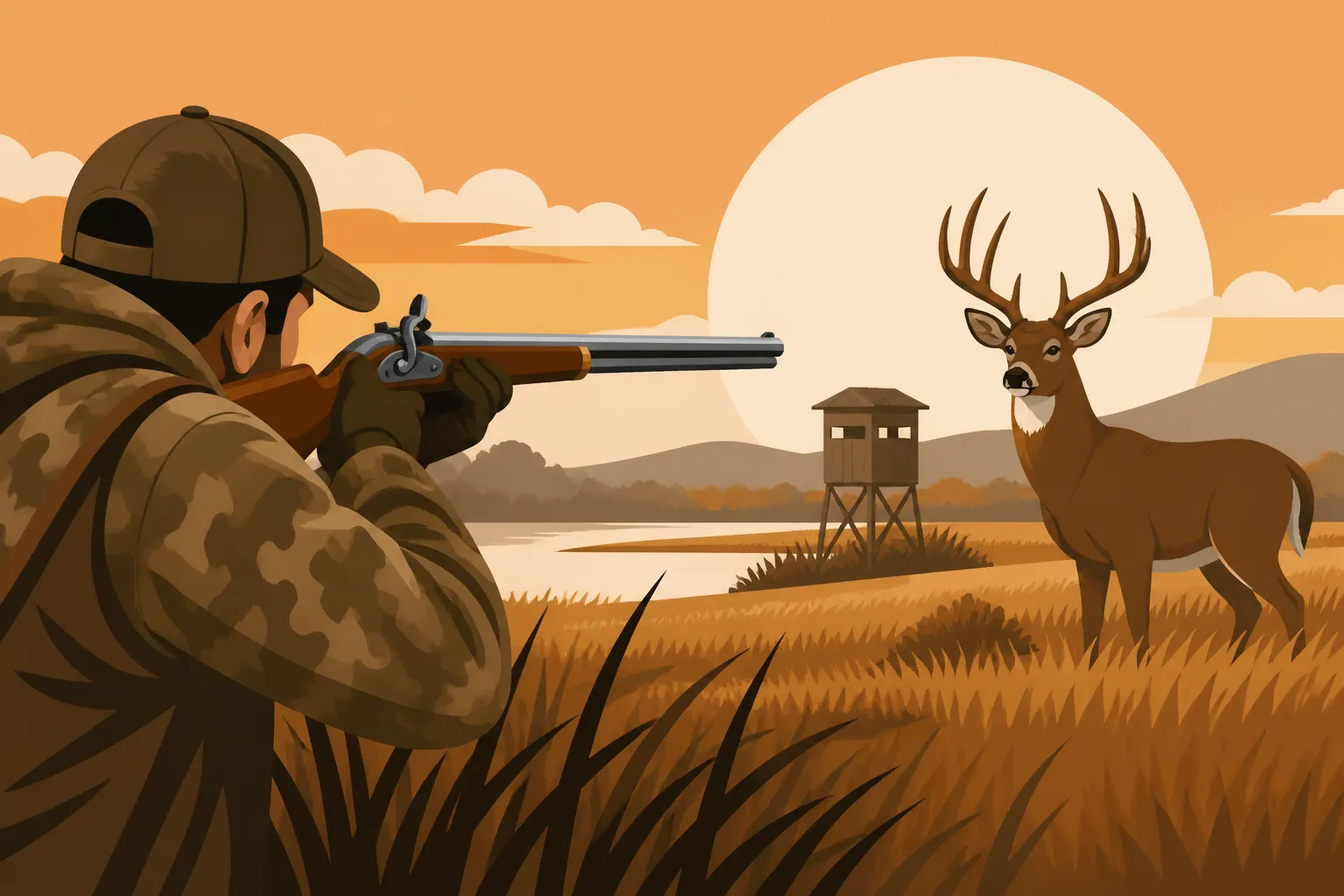
The allure of muzzleloader hunting goes beyond just better draw odds; it taps into a more traditional, almost primal, hunting experience. Unlike the modern rifle season with its high-powered optics and long-range capabilities, muzzleloaders require you to get closer, hone your stalking skills, and often become a better woodsman or prairie hunter. The single shot forces you to make that first shot count, instilling a level of discipline that's incredibly rewarding. For many, it’s a refreshing change of pace from the rush and noise of modern rifle seasons, allowing for a deeper connection with the hunt itself. Plus, the season often extends into later periods, providing opportunities when general rifle seasons are closed.
Imagine the quiet crispness of a late autumn morning, the faint wisp of powder smoke hanging in the air after a successful shot – it’s an experience that’s hard to replicate with other firearms. The deer are often more pressured by the time muzzleloader season rolls around, adding another layer of challenge and satisfaction when you finally close the distance. It’s also a great option for hunters who enjoy the challenge of a more primitive weapon but aren’t quite ready to commit to archery-only seasons. The feeling of success with a muzzleloader, knowing you earned that closer shot, is truly unmatched.
Key Rules and Regulations for Muzzleloaders
South Dakota has specific rules that define what constitutes a legal muzzleloader for deer hunting. Generally, you're looking at firearms that load projectiles from the muzzle, using black powder or a synthetic substitute. Ignition can be flintlock, percussion cap, or 209 primer, but the key is that it's a single-shot, not a cartridge gun modified to look like a muzzleloader. While scopes are typically allowed on muzzleloaders, always double-check the current year's regulations, as rules can sometimes shift. The projectile must also be loaded from the muzzle, and there are often minimum bore diameter requirements, typically .44 caliber or larger for deer.
Beyond the weapon itself, standard hunting regulations apply. Blaze orange requirements are usually in effect during muzzleloader season, just as they are for general firearms seasons, to ensure hunter safety. You’ll need to wear a minimum amount of fluorescent orange on your head and outer clothing. Legal shooting hours generally mirror those of other big game seasons, running from 30 minutes before sunrise to 30 minutes after sunset. However, it's always smart to consult the South Dakota Game, Fish and Parks (GFP) hunting handbook for the precise details each year, as slight variations or updates can occur. Staying informed ensures you’re hunting legally and safely.
Navigating the South Dakota Refuge Deer Hunts
South Dakota is home to several National Wildlife Refuges (NWRs) that, while primarily established for wildlife conservation, sometimes offer limited deer hunting opportunities. These hunts are truly special; they provide access to prime habitat that is often undisturbed for much of the year, potentially holding larger deer. However, these aren't your typical open-access public lands. These are highly controlled, permit-only hunts, designed to manage deer populations within the refuge boundaries while providing a unique recreational experience.
What Are Refuge Hunts and How Do They Work?
Refuge hunts are essentially special lottery draws for specific deer tags within the confines of a National Wildlife Refuge. These hunts are implemented for various reasons, primarily to manage deer populations that might otherwise exceed the habitat's carrying capacity or cause agricultural damage on refuge lands. They are not annual occurrences at every refuge, and the type of hunt (archery, muzzleloader, or shotgun) can vary. For example, some years, refuges like Sand Lake National Wildlife Refuge or Lacreek National Wildlife Refuge might open for a controlled deer hunt. These hunts are characterized by extremely limited permits, often creating a high-quality, low-pressure hunting experience for those lucky enough to draw.
The application process is distinct from the general state deer draw. Each participating refuge will typically announce its hunt dates and application procedures independently, often with unique rules regarding weapon types, season length, and access. Hunters usually need to apply directly through the refuge, and successful applicants receive a special permit that grants them access to hunt specific areas within the refuge. It's an incredible chance to hunt in areas that are otherwise closed to public access, providing an intimate connection with nature and the challenge of hunting truly wild deer.
Application Process and Drawing Odds
Applying for a refuge deer hunt in South Dakota usually involves a separate application process from the statewide big game draw. While statewide draws might use a system of South Dakota Preference Points Explained or bonus points, refuge hunts typically operate on a pure lottery system, meaning everyone has an equal chance regardless of their past application history. The key is to closely monitor the individual refuge websites or the South Dakota GFP announcements, as application periods are often very short and specific to each refuge. Deadlines for these hunts are critical and vary from refuge to refuge, so missing one means missing your chance entirely.
For example, a refuge might announce an application period for a special either-sex deer hunt using muzzleloaders or shotguns. Hunters would then submit an application (often with a small fee) directly to the refuge. Drawing odds can be notoriously low due to the limited number of permits and the high quality of hunting often associated with these areas. However, for those who draw, it’s a truly special opportunity. Resources like GoHunt can sometimes offer insights or help track application deadlines for various special draw opportunities, making it easier to stay on top of these unique chances. Always remember that even if you draw a refuge tag, you'll still need your general South Dakota Nonresident Hunting Licence Cost or resident license, along with a South Dakota Habitat Stamp Requirements.
Strategies for Success in Muzzleloader Season
Hunting with a muzzleloader adds a unique layer of complexity and satisfaction to deer hunting. It forces a more deliberate approach, emphasizing stealth, close-range shooting skills, and a deep understanding of deer behavior. Success in the muzzleloader season isn't just about showing up; it's about being prepared with the right gear and employing smart hunting tactics tailored to this specialized weapon.
Gear Essentials for Muzzleloader Deer Hunting
Your muzzleloader itself is obviously the star of the show. You’ll choose between traditional cap-and-ball rifles, which offer a truly classic experience, or modern in-line muzzleloaders, which are often more accurate and reliable, especially in varying weather conditions. For South Dakota's open country, an in-line muzzleloader with a quality scope is often preferred, allowing for slightly longer ethical shots than traditional models. When it comes to projectiles, sabots holding smaller caliber bullets are popular for their accuracy and velocity, but some hunters prefer full-bore lead projectiles for their knockdown power. Powder choice is equally important: loose black powder or pelletized substitutes like Triple Seven or Hodgdon Pyrodex both have their advocates, each requiring careful measurement and understanding.
Accuracy is paramount with a single-shot weapon, so spend ample time at the range practicing different distances. A good set of shooting sticks or a bipod can be invaluable for steadying your shot in South Dakota’s often windy conditions. Given that muzzleloader seasons can extend into colder weather, proper layering for warmth and stealth is crucial. Think quiet, insulated clothing that won't rustle as you move through frosty cover. Don't forget a reliable rangefinder; knowing your exact distance is even more critical with a muzzleloader's trajectory compared to a modern rifle. Finally, a good cleaning kit is essential – muzzleloaders get dirty quickly, and regular cleaning ensures consistent performance. Consider a cleaning jag, patches, and proper solvent to keep your bore pristine.
Scouting and Hunting Tactics
Effective scouting is the bedrock of successful muzzleloader hunting, especially as deer become warier after the initial rifle seasons. Start your pre-season homework by poring over aerial maps, identifying potential bedding areas, reliable food sources, and travel corridors. Pay close attention to areas with good thermal cover like dense cattail sloughs or thick shelterbelts, which deer will gravitate towards in colder weather. Once on the ground, look for fresh tracks, rub lines, and scat to confirm deer activity. Focusing on finding food plots and corn edges can also be highly productive as deer seek out reliable caloric sources during the late season.
When hunting, patience is your greatest ally. Unlike rifle hunting where a quick shot might be taken at longer distances, muzzleloaders demand a more deliberate stalk to get within effective range, typically 100-150 yards for most setups. Movement needs to be slow and calculated, paying meticulous attention to wind direction on a prairie stalk, as deer rely heavily on their sense of smell. Consider still-hunting slowly through cover or setting up an ambush point near a pinch point or food source during peak movement times. Early mornings and late evenings are typically best, but don’t discount midday movement, especially if deer are being pushed by other hunters or simply shifting between bedding and feeding areas.
Maximizing Your Refuge Hunt Opportunity
Drawing a refuge deer tag is a golden ticket, often granting access to exceptional hunting grounds that see minimal pressure. But having the tag is just the first step; maximizing this rare opportunity requires detailed research, respectful adherence to rules, and smart on-the-ground tactics. You’re hunting in a special place, and treating it with respect will not only enhance your experience but also help preserve these hunts for future generations.
Researching Specific Refuges
The absolute first step after drawing a refuge tag is to dive deep into the specific rules and characteristics of that particular refuge. Each National Wildlife Refuge operates under its own management plan, which means regulations can vary significantly from one to another. Don't assume that what applies to one refuge will apply to another. Your best bet is to call the refuge manager directly. They are often incredibly helpful and can provide insights into current deer populations, habitat conditions, and any specific quirks of the hunt area. Ask about preferred access points, areas to avoid, and any recent deer activity patterns.
Utilize tools like the South Dakota Public Hunting Atlas and online mapping applications to study the refuge's topography, cover types, and potential travel corridors. Look for pockets of overlooked habitat that might funnel deer away from other hunters. Platforms like GoHunt can sometimes offer historical data or community insights on specific refuge draws, though direct communication with the refuge staff remains paramount. Understanding the unique landscape – whether it's dense river bottoms, expansive grasslands, or wetland edges – will directly inform your hunting strategy. For instance, if the refuge has extensive cattail cover, knowing how to approach these dense areas can be a game-changer.
On-the-Ground Tactics for Refuge Deer
Once you’ve done your homework, it’s time to apply those findings to your hunt. Refuge hunts often come with specific access rules, many of them being "foot traffic only" to minimize disturbance and vehicle impact. This means you'll be covering ground on foot, so physical fitness and appropriate footwear are crucial. Given the limited number of permits, there should theoretically be less hunting pressure than on general public land, but it’s wise to still consider Hunting Pressure Patterns on Walk-In Areas and try to get away from obvious entry points. Many hunters stick to the easy-access areas, so a willingness to walk an extra mile or two can put you into undisturbed pockets of deer habitat.
Deer on refuges, while perhaps less pressured by hunters, are still wild animals and will respond to human presence. Focus on subtle features like small draws, isolated tree lines, or dense brush thickets that offer bedding cover. In wetter refuges, look for higher ground or islands of timber that provide dry bedding. Your tactics should revolve around quiet movement, patient observation, and capitalizing on deer movement during low light. Consider using the terrain to your advantage, such as using draws to hide your approach. Remember, the goal is often quality over quantity, and a single, well-executed stalk on an unpressured refuge deer can be one of the most memorable hunts you’ll ever have.
Licensing and Important Considerations
Embarking on a muzzleloader or refuge deer hunt in South Dakota requires more than just a hunting weapon; it necessitates a thorough understanding of the state's licensing structure, as well as crucial regulations concerning game handling and transport. Overlooking any of these critical details can turn a fantastic hunt into a frustrating, or even illegal, experience.
Required Licenses and Stamps
Before you even think about pulling the trigger, you'll need the proper licensing. For nonresident hunters, this typically starts with purchasing a South Dakota Nonresident Hunting Licence Cost, which is a prerequisite for any big game hunting. Additionally, all hunters 18 years and older, resident or nonresident, must purchase a South Dakota Habitat Stamp Requirements. This stamp is vital for funding habitat restoration and public access programs across the state. For specific deer hunts, you will also need the relevant deer tag, which for muzzleloader and refuge hunts, is acquired through the respective draw processes we discussed.
It's also worth noting that South Dakota has specific South Dakota Hunter Safety Requirements that must be met before purchasing a hunting license if you were born after January 1, 1949. If you’re unsure about your eligibility or the specific licenses required, the South Dakota Game, Fish and Parks (GFP) website is your go-to resource. They provide detailed breakdowns of all license types and requirements, and it’s always better to double-check before you head afield.
Carcass Transport and Regulations
Once you’ve harvested your deer, the work isn’t over. Proper field dressing is crucial, especially if you're hunting during an early muzzleloader season when temperatures can still be warm. Knowing how to quickly cool your meat to preserve its quality is paramount. South Dakota also has stringent regulations regarding Chronic Wasting Disease in South Dakota (CWD), a fatal neurological disease found in deer and elk. These rules often restrict the transport of certain carcass parts from CWD-positive counties to other areas of the state or out of state. Generally, only deboned meat, clean skull plates (antlers attached), hides, and teeth can be transported from CWD endemic areas.
It's absolutely critical to be aware of the CWD status of the county you're hunting in and to understand all carcass transport rules before you leave the field. Failure to comply can result in fines and legal issues. The GFP website provides an updated map of CWD-positive counties and detailed transport guidelines. Always tag your animal immediately after harvest, as per state regulations. This includes filling out the tag completely and attaching it to the carcass as required. Responsible handling and adherence to these regulations help protect South Dakota's deer herds and ensure a smooth journey home for your hard-earned venison.
Muzzleloader and Refuge Hunt Quick Comparison
Navigating the various deer hunting seasons in South Dakota can feel overwhelming, especially for those new to the state or looking for alternatives to the highly competitive general rifle draw. Here's a quick comparison to help differentiate muzzleloader and refuge hunts from a typical general deer season.
| Feature | General Deer Season (Rifle) | Muzzleloader Deer Season | Refuge Deer Hunts |
|---|---|---|---|
| Weapon | High-powered rifles | Muzzleloading firearms (specific calibers) | Varies by refuge (Muzzleloader, Shotgun, Archery) |
| Season Dates | Typically Nov. for rifle; Archery Sept.-Jan. | Often Oct. or late Nov.-early Dec. | Specific, limited dates; varies by refuge |
| Draw Odds | Can be very low, especially for West River | Often better than general rifle | Highly competitive lottery, very low |
| Pressure | Can be high in popular units | Generally lower | Very low due to limited permits |
| Access | General public lands (Walk-In, GPAs), private with permission | General public lands, private with permission | Restricted to specific refuge boundaries |
| Required Skillset | Marksmanship, scouting | Stealth, close-range shooting, marksmanship | Stealth, detailed scouting, rule adherence |
| Experience | Standard big game hunting | Traditional, challenging, slower-paced | Unique, highly controlled, low-pressure |
Disclaimer
Please remember that hunting regulations in South Dakota can change annually. While this guide provides comprehensive information, it is crucial to always consult the current year's official South Dakota Game, Fish and Parks (GFP) hunting handbooks and specific refuge regulations before planning and executing your hunt. We do not accept responsibility for any omissions or changes in regulations that may occur. Safe and ethical hunting practices are always paramount.