South Dakota Guided Deer Hunt Pricing
Planning a deer hunt in South Dakota, especially as a nonresident, often involves navigating the complexities of draw odds, unit choices, and, of course, the financial investment required for a quality experience. It can feel like you're trying to hit a moving target when it comes to budgeting, with so many variables influencing the final price tag. This guide is here to demystify the costs associated with guided deer hunts in South Dakota, helping you understand what drives pricing so you can plan your adventure with confidence and clarity.
Understanding the Factors Influencing South Dakota Guided Deer Hunt Pricing
When you start looking into guided deer hunts in South Dakota, you'll quickly notice that prices can vary significantly. This isn't just arbitrary; there are several key factors that outfitters consider when setting their rates. These elements collectively paint a picture of the hunt's exclusivity, effort, and likelihood of success, all of which contribute to its overall value and, consequently, its cost. It’s not just about spending money; it’s about investing in an experience tailored to your hunting goals.
Hunt Type and Species Targeted
The type of deer you're after and where you plan to hunt them will have a major impact on the price. South Dakota offers opportunities for both white-tailed deer and mule deer, each with its own habitat and hunting challenges. Generally, hunts for trophy-class mule deer in West River country might command a higher price point than a typical East River whitetail hunt, simply due to demand, habitat, and the nature of the terrain. The effort involved in scouting and guiding for these different species varies greatly.
For instance, a guided hunt focusing on a large mule deer buck in the wide-open spaces of the western breaks requires different logistics and expertise compared to tracking whitetails in the river bottoms or shelterbelts of the eastern part of the state. Outfitters invest heavily in understanding the patterns and habits of these animals in their specific territories. This specialization is reflected in their pricing, as they're not just selling a tag, but a deep knowledge of the land and its quarry.
Duration and Inclusions of the Hunting Package
The length of your guided hunt is a straightforward factor: more days in the field usually mean a higher cost. Most outfitters offer packages ranging from a few days to a full week, with the understanding that longer hunts increase your chances of success and provide a more immersive experience. Beyond the time spent hunting, the specific inclusions within the package are crucial to understanding its value.
A basic guided hunt might simply provide a guide and access to private land, while a premium package could include everything from lodging and gourmet meals to transportation, field dressing, and even caping services. Some outfitters might offer semi-guided options, where they provide scouting reports and directions but leave the actual hunting to you, which can be a more budget-friendly approach. It’s important to scrutinize what’s covered, as seemingly lower-priced hunts can quickly add up if you have to pay for every amenity separately. Think about what matters most to your comfort and success when comparing these offerings.
South Dakota Deer Licences and Draw System Costs
One of the most significant and often frustrating aspects of planning a South Dakota guided deer hunt, especially for nonresidents, revolves around the state's licensing and draw system. Unlike some states where tags are over-the-counter, many of South Dakota's desirable deer tags, particularly for mule deer or specific whitetail units, are allocated through a lottery. This adds a layer of complexity and potential cost before you even consider the outfitter's fees.
Nonresident Draw Odds and Preference Points
South Dakota utilizes a preference point system for many of its big game draws, including deer. Nonresidents typically face much tougher odds than residents, making the acquisition of preference points a common strategy. You can purchase a preference point annually without applying for a tag, slowly building your points total to increase your chances in future draws. This effectively means you might incur costs for several years before even setting foot in a deer blind.
Many nonresident hunters find themselves in a position where they either need multiple preference points to have a reasonable chance at a quality tag, or they focus on units with higher nonresident allocations, which might be less desirable or offer different hunting experiences. Outfitters often advise on the historical draw odds for their units and might even assist clients in navigating the application process. For those looking at a specific quality hunt, budgeting for the possibility of buying points for a few seasons is a realistic expectation. For more details on this process, you can check out South Dakota Preference Points Explained.
Licence Fees and Additional Stamps
Beyond the potential cost of preference points, there are the actual licence fees once you're successful in the draw. Nonresident deer licences can be a substantial expense, and they vary depending on the unit and the type of tag (e.g., West River Any Deer, East River Any Deer, Archery Deer). In addition to the deer licence itself, hunters are required to purchase a Habitat Stamp, which contributes to habitat development and conservation efforts across the state.
While these fees are standardized by the state, they are a fundamental part of the overall cost and should be factored into your budget upfront. It's not uncommon for hunters to overlook these state-mandated costs when initially researching guided hunt prices, only to be surprised later. Always confirm the exact licence and stamp requirements for your chosen hunt well in advance of the application deadlines. Outfitters generally do not include these government fees in their base package price.
Average Price Ranges for Guided South Dakota Deer Hunts
It's natural to want a ballpark figure when planning a trip like this. While exact prices fluctuate based on the outfitter, the year, and market demand, we can certainly talk about the general range you can expect to see. Remember, these are broad estimates, and a direct quote from an outfitter will always be the most accurate. But this gives you a framework to begin your budgeting process.
Whitetail Deer Hunts: East River vs. West River
When it comes to guided whitetail deer hunts in South Dakota, you'll generally find different pricing structures depending on whether you're looking at the East River or West River regions. East River hunts often focus on agricultural areas, river bottoms, and shelterbelts, where whitetail populations can be quite healthy. These hunts might be slightly more accessible and, in some cases, less expensive than their West River counterparts, particularly for management or antlerless tags.
| Hunt Type | Typical Duration | Price Range (Estimate) | Key Focus |
|---|---|---|---|
| East River Whitetail (Archery) | 3-5 Days | Moderate | River bottoms, food plots |
| East River Whitetail (Firearm) | 3-5 Days | Moderate to High | Crop edges, heavy cover |
| West River Whitetail (Archery) | 4-6 Days | High | Breaks, drainages, timber |
| West River Whitetail (Firearm) | 4-6 Days | High to Premium | Rough terrain, draws |
West River whitetail hunts, while less common than mule deer in that region, can still be found in specific river breaks and timbered areas. These hunts might involve more rugged terrain and potentially lower deer densities than prime East River spots, sometimes pushing the price higher due to the increased effort involved in scouting and guiding. Outfitters often have a deep understanding of specific pockets where whitetails thrive, making their expertise invaluable in these varied landscapes.
Mule Deer Hunts: West River and Badlands
Mule deer are predominantly found in the West River region of South Dakota, particularly in the prairie breaks, national grasslands, and near the Badlands. Guided hunts for mule deer are often highly sought after, and this demand, coupled with the unique habitat and the challenges of spot-and-stalk hunting, generally places them at a higher price point than many whitetail offerings. The logistics involved in successfully guiding a mule deer hunt can be extensive.
Outfitters who specialize in mule deer will have intimate knowledge of vast tracts of land, often leveraging glassing techniques and long-range shooting opportunities. The cost reflects the extensive pre-season scouting, specialized equipment (like high-quality optics and long-range shooting setups), and the physical demands placed on both hunters and guides. Expect these hunts to lean towards the higher end of the pricing spectrum, but they offer an unforgettable experience chasing these iconic Western deer. Researching outfits that consistently produce quality mule deer can be a great use of resources like GoHunt, which often provides detailed analyses of draw odds and unit breakdowns that can inform your choices before committing to an outfitter.
What's Included (and Excluded) in a Guided Deer Hunt Package
One of the biggest pitfalls when comparing guided hunt prices is not thoroughly understanding what's actually included in the advertised package. A lower upfront price might look appealing, but if it excludes critical services, your final cost could easily balloon. Always get a detailed breakdown from your potential outfitter so there are no surprises.
Typical Inclusions: Guide Services, Food, and Lodging
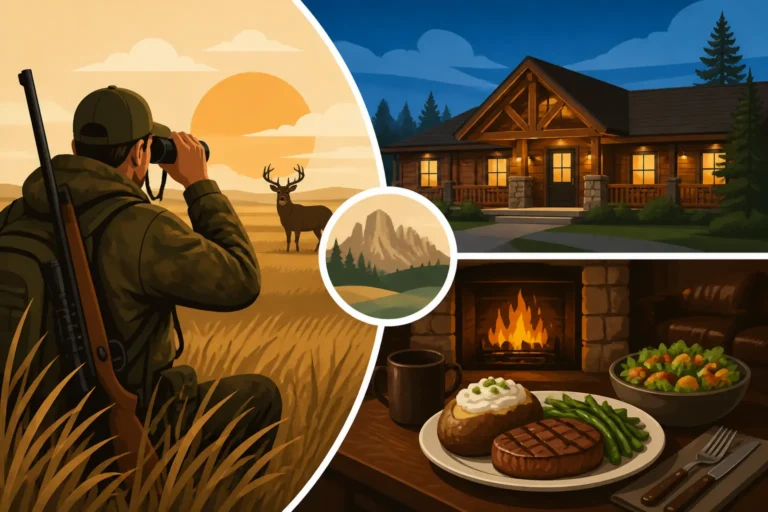
Most reputable guided deer hunt packages will, at a minimum, include the services of a professional guide. This is the core of a guided hunt, providing expertise, local knowledge, and assistance in the field. Beyond guiding, many packages are all-inclusive regarding comfort and sustenance. This typically means comfortable lodging, whether it's a rustic cabin, a farmhouse, or a dedicated hunting lodge. Home-cooked meals or catering are also standard, ensuring you're well-fed and energized for the hunt.
Transportation during the hunt, such as rides to and from hunting areas, is usually covered. Field dressing of your harvested animal, which involves gutting and preparing the deer for transport, is also a common inclusion. Some outfitters even go a step further, providing caping services for taxidermy or initial quartering to help you get the meat cooled down quickly, especially important in early season hunts where temperatures can still be warm. Knowing what to expect in terms of amenities can greatly enhance your hunting experience.
Common Exclusions: Licences, Gratuities, and Meat Processing
Despite the comprehensive nature of many packages, certain costs are almost universally excluded and will be your responsibility. As mentioned earlier, your hunting licence, tags, and any required stamps (like the Habitat Stamp) are separate government fees you must purchase yourself. Gratuities for your guide and lodge staff are another significant exclusion. Tipping is a standard practice in the outfitting industry, a way to show appreciation for hard work and excellent service. While not mandatory, it's certainly expected and should be factored into your budget.
Meat processing and taxidermy services are almost always extra. After your deer is field dressed, you'll need to decide how to get it processed. Some outfitters have arrangements with local butchers, but the cost of cutting, wrapping, and potentially freezing the meat falls to you. The same goes for taxidermy; if you plan to get a shoulder mount or European mount, that's a separate expense. Travel to and from the lodge, ammunition, personal hunting gear, and alcoholic beverages are also typically not included. Being prepared for these additional costs prevents any unwelcome financial surprises at the end of your trip. Consider using platforms like BookYourHunt to compare different outfitters' offerings side-by-side, making sure you understand all potential costs.
Evaluating the Value of a Guided South Dakota Deer Hunt
Choosing a guided hunt is a significant investment, and it’s critical to look beyond just the dollar figure. The true value lies in the experience, the opportunities, and the peace of mind that comes with professional assistance. It's about deciding what aspects of a hunt are most important to you and finding an outfitter that aligns with those priorities.
What You're Paying For: Expertise, Access, and Success Rates
When you commit to a guided deer hunt in South Dakota, you're not just paying for a few days in the field. You're investing in an outfitter's years of accumulated expertise in the specific region and their ability to read the landscape, predict deer movement, and adapt to changing conditions. This local knowledge is invaluable, saving you countless hours of scouting and guesswork. You're also gaining access to prime private land that might otherwise be unavailable. Many outfitters lease thousands of acres of quality habitat, offering exclusive hunting opportunities that can significantly improve your chances of encountering trophy animals.
Moreover, a reputable outfitter is invested in your success. They will have done extensive pre-season scouting, placed trail cameras, and monitored deer patterns to put you in the best possible position. While success is never guaranteed in hunting, a guide’s commitment, combined with quality land and strong deer populations, greatly increases your odds. This combination of expertise, exclusive access, and a higher probability of success represents a substantial part of the value you're paying for. Hunting South Dakota Walk-In Areas can offer a public land alternative, but a guided trip provides a completely different level of immersion and support.
Reputation, References, and Red Flags to Watch For
The reputation of an outfitter is paramount. Before booking any hunt, thoroughly research the outfitter's track record. Ask for references from past clients—and actually call them. These conversations can provide invaluable insights into the outfitter's professionalism, the quality of their guides, the accuracy of their success claims, and the overall hunting experience. Platforms that list outfitters, like BookYourHunt, often include client reviews and testimonials, which can be a good starting point for your research.
Beware of "guaranteed" hunts, especially for wild, free-ranging deer. While outfitters strive for success, hunting wild animals is inherently unpredictable. Any outfitter guaranteeing a kill might be less than truthful, or they might be operating on a high-fence property, which is a different experience entirely. Look for transparent communication regarding draw odds, realistic expectations for trophy quality, and a clear breakdown of costs. Contracts should be detailed and unambiguous, outlining all inclusions, exclusions, and cancellation policies. A reputable outfitter will welcome your questions and provide all necessary information to ensure you feel confident in your decision. When considering an outfitter, reviewing Checking a South Dakota Outfitter's Reputation can provide more guidance.
Maximizing Your Value and Preparing for Your Hunt
Once you've done your research and chosen an outfitter, there are still steps you can take to ensure you get the most out of your investment and have a successful, enjoyable hunt. Preparation is key, not just financially, but physically and mentally as well.
Pre-Hunt Communication with Your Outfitter
Effective communication with your chosen outfitter before your hunt is absolutely essential. Don't be afraid to ask questions, even if you think they're minor. Confirm what gear you need to bring, from clothing layers for varying South Dakota weather conditions to specific rifle calibers or archery setups. Discuss the physical demands of the hunt; if you're hunting West River mule deer, expect more walking and glassing than sitting in a blind for East River whitetails. Knowing the terrain and expected activity level allows you to properly train and prepare.
Clarify travel arrangements to the lodge, dietary restrictions you might have, and any specific preferences you have for your hunt. The more information you exchange upfront, the smoother your trip will be. A good outfitter will appreciate your proactive approach and be happy to address all your concerns. This pre-hunt dialogue helps manage expectations for both parties and ensures that everyone is on the same page for a rewarding experience.
Budgeting for the Entire Trip: Beyond the Hunt Package
Remember that the outfitter's package price is only one component of your total trip cost. You need to budget for travel expenses, which include flights or fuel if driving, and potentially rental car costs for getting to and from the hunting area. Don't forget the cost of your hunting licence and any necessary stamps. Ammo, specialized gear you might need to purchase (like specific optics or cold-weather clothing), and personal items should also be accounted for.
As discussed, gratuities for your guide and lodge staff are customary and should be a planned expense. If you harvest an animal, factor in the costs for meat processing and any taxidermy work you might want done. Lastly, always set aside a contingency fund for unexpected expenses, whether it's a minor gear failure, an extra night's stay due to travel delays, or just a souvenir you can't resist. Planning for these ancillary costs ensures that your focus remains on the hunt, not on financial anxieties. Knowing all the potential outlays helps you fully appreciate the experience.
Disclaimer
This article is for general informational purposes only and does not constitute professional advice. Laws, prices and regulations vary by location and change over time. Consult a qualified professional for guidance on your specific situation.