Why Domestic Sheep Threaten Bighorns
Domestic sheep transmit a bacterium to wild bighorns in South Dakota, causing fatal chronic pneumonia and zero lamb survival.
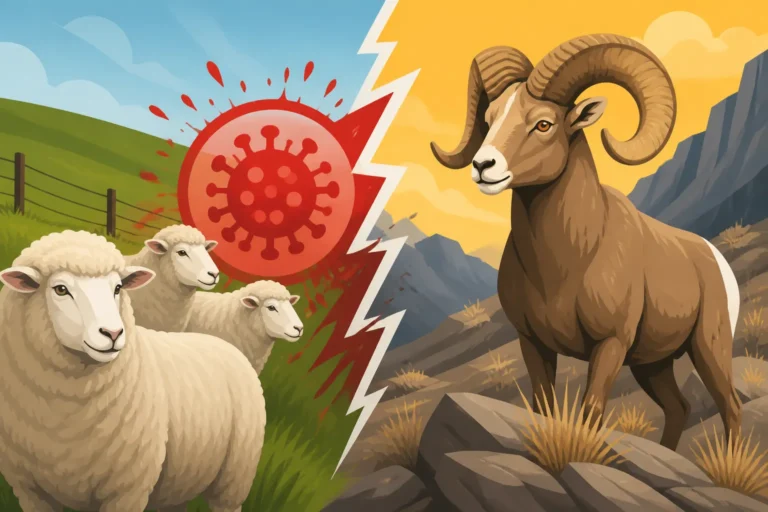
Domestic sheep transmit a bacterium to wild bighorns in South Dakota, causing fatal chronic pneumonia and zero lamb survival.
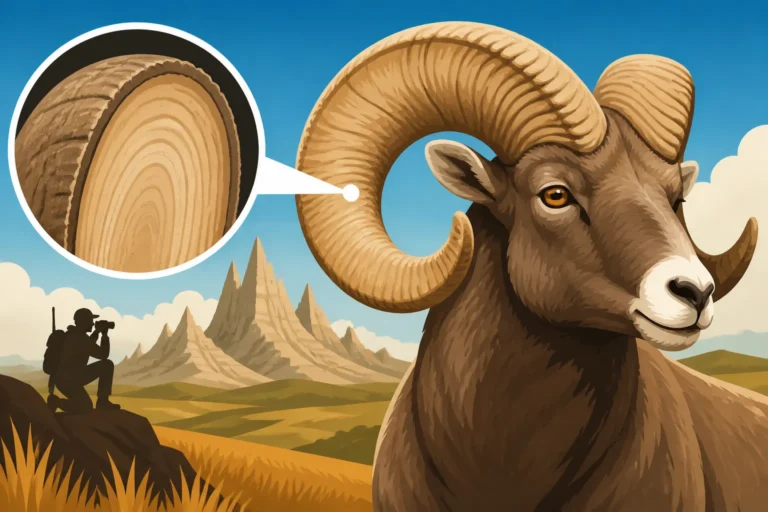
Bighorn ram horn growth rings explain how hunters count annual annuli to determine a mature South Dakota animal’s exact age.

South Dakota wolf sightings explained through regional gray wolf history, neighboring recovery efforts, and coyote identification differences.
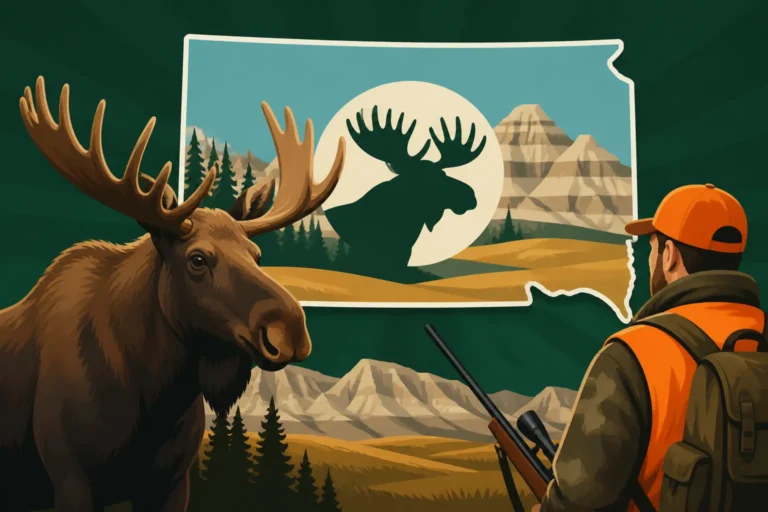
Moose populations and rare documented sightings in South Dakota explain why these large animals rarely inhabit the state.
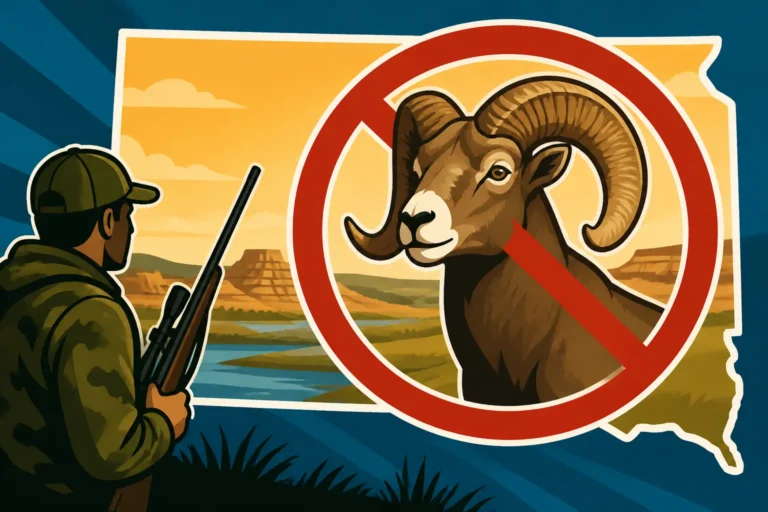
South Dakota wildlife regulations outline protected non-game animals and endangered species that hunters cannot legally harvest in the state.
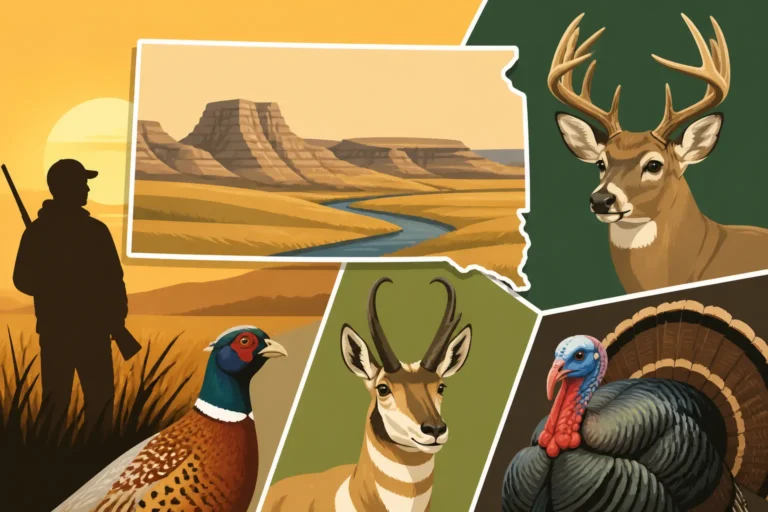
South Dakota hunters pursue ring-necked pheasants, white-tailed deer, and mule deer across expansive grasslands and agricultural fields.
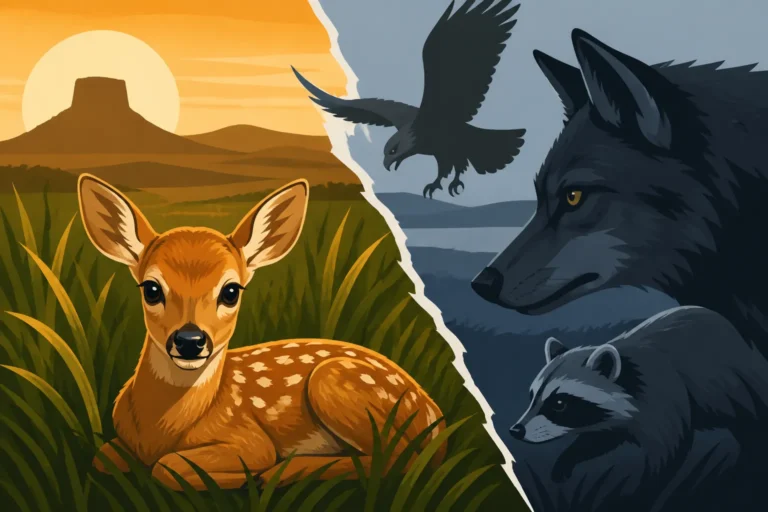
Predator impact on South Dakota deer and antelope fawns, analyzing coyote predation, habitat roles, and survival rates during their first weeks.
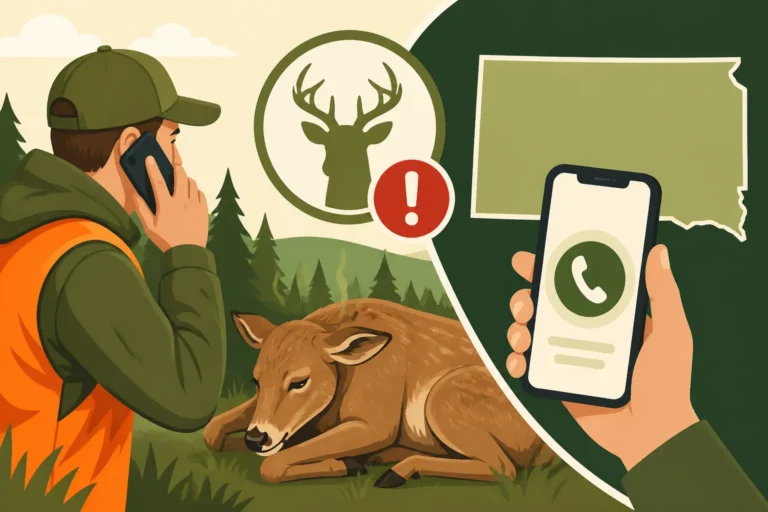
Reporting sick wildlife in South Dakota helps Game, Fish and Parks track diseases, protect game populations, and safeguard public health.
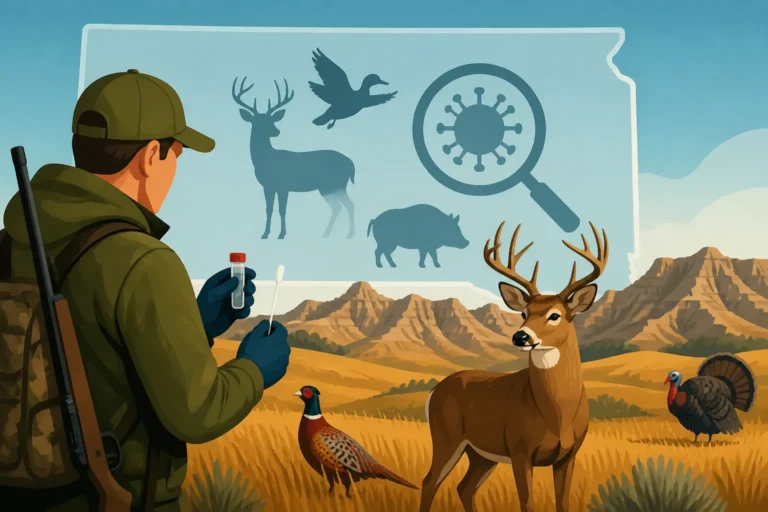
South Dakota wildlife disease monitoring protects game populations, ensures meat safety, and tracks illnesses like chronic wasting disease.
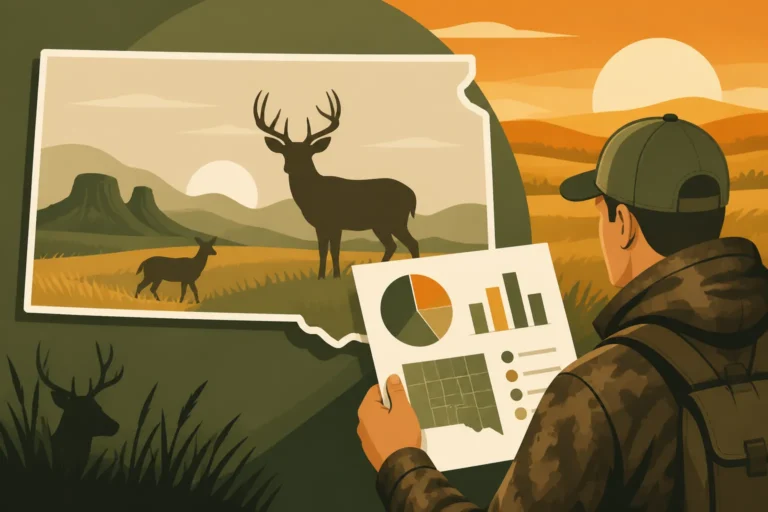
South Dakota Game, Fish and Parks harvest reports explain success rates and hunter participation to help hunters plan seasons.