Either-Sex Versus Buck-Only Antelope Tags
Navigating the world of big game tags can feel like trying to solve a puzzle with half the pieces missing, especially when you're dreaming of a South Dakota antelope hunt. Many folks get truly stumped when it comes to understanding the difference between "either-sex" and "buck-only" antelope tags, and trust me, it's not just semantics; it deeply impacts your hunting strategy and success. This guide is here to untangle that confusion, walking you through the nuances of each tag type so you can make an informed decision for your next prairie adventure.
Understanding South Dakota's Antelope Tag System
South Dakota's pronghorn antelope hunting is primarily managed through a limited draw system, which means there are only so many tags available each year, and you have to apply for them. This creates a competitive environment, but it also ensures healthy populations and quality hunting experiences. Before you even think about putting in for a tag, it's crucial to grasp the foundational elements of how these coveted licenses are allocated. It's not just about luck; it's about understanding the system.
The Basics of Pronghorn Tags
When you apply for a South Dakota antelope tag, you're entering a lottery, so to speak, where the state's Game, Fish and Parks (GFP) department distributes a predetermined number of licenses for specific units. These units are geographical areas where hunting is permitted, each with its own allocation based on population surveys and management goals. The system is designed to provide opportunity while maintaining sustainable herd numbers. You'll typically apply for a specific unit, and within that unit, you'll indicate your weapon choice – usually firearm or archery – and then the type of tag you desire. It’s a multi-layered decision that requires a bit of homework before clicking that "submit" button. Non-resident tags are particularly difficult to come by, often requiring multiple years of applying or accumulating preference points, so every application choice is a significant one. Knowing the general South Dakota Pronghorn Population Estimate for your desired unit can give you a better idea of what to expect.
Why Tag Types Matter
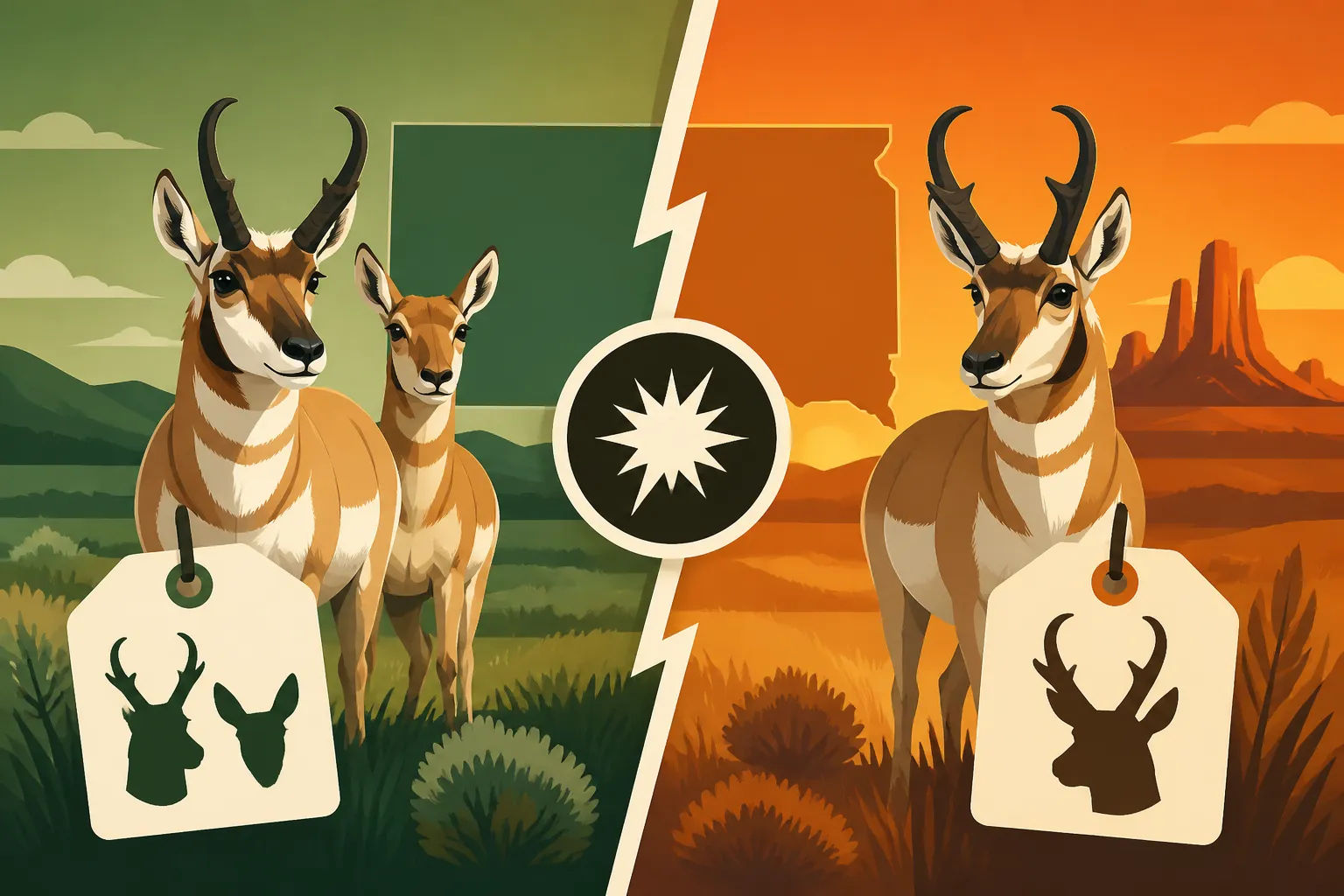
The distinction between an "either-sex" and a "buck-only" tag is perhaps the most critical choice you'll make in your application, after selecting your unit. This choice dictates what you are legally allowed to harvest if you're lucky enough to draw a tag. A buck-only tag, as the name implies, means you can only take a male pronghorn. An either-sex tag, however, gives you the flexibility to harvest either a buck or a doe. This seemingly simple difference has profound implications for your hunt planning, your chances of success, and even the quality of your hunting experience. It impacts everything from the terrain you scout to the patience you exhibit in the field. Understanding these differences upfront can save you a lot of heartache and wasted effort once the season arrives.
Delving Into Buck-Only Antelope Tags
For many, the image of a South Dakota antelope hunt conjures up visions of big bucks streaking across the prairie. The buck-only tag is specifically designed for these trophy-minded hunters, offering the chance to pursue one of the most unique and challenging big game animals in North America. However, this pursuit comes with its own set of considerations and challenges that every applicant should be aware of.
Characteristics and Limitations
A buck-only tag limits your harvest solely to a male pronghorn. This means that if you're out in the field and you spot a beautiful, mature doe, you cannot legally pull the trigger. You must positively identify your target as a buck before attempting a shot. This adds a layer of difficulty and responsibility to the hunt. Bucks can be harder to locate, especially quality bucks, as they often exhibit more wary behavior than does, particularly later in the season. They also tend to be more spread out, making glassing and stalking more challenging. Hunters with buck-only tags are usually looking for a specific type of animal – one with impressive horns, good mass, and a decent length of prong. This means you might pass on many legal bucks in search of that "dream" animal, adding to the inherent difficulty.
Hunting Strategies for Buck-Only Tags
Successfully filling a buck-only tag often requires a different approach than a more generalized hunt. Patience and extensive glassing are paramount. You'll spend hours, possibly days, behind your binoculars or spotting scope, meticulously scanning the vast prairie. Locating a good buck often means covering a lot of ground, either by vehicle on legal roads or on foot. Once a buck is spotted, the real challenge begins: a strategic stalk. Pronghorns have incredible eyesight, often described as having "8-power binoculars" built-in, so using terrain to your advantage – draws, hills, and even tall grass – becomes critical. Hunters should also consider the rut, which typically occurs in late September to early October. During this time, bucks are often more active, chasing does, and can be more predictable in their movements, although their focus on breeding can also make them more alert. Having a solid understanding of Judging a Pronghorn Buck in the Field is absolutely essential for these hunts.
Draw Odds and Popularity
Buck-only tags are generally the most sought-after licenses in the South Dakota antelope draw. This is because most hunters who dream of an antelope hunt are envisioning a buck with impressive horns as their prize. Consequently, the draw odds for buck-only tags are significantly lower than for either-sex tags, especially in prime units known for producing large animals. Many non-resident hunters, in particular, find themselves accumulating preference points for several years before drawing a buck-only tag. Services like GoHunt are invaluable for researching historical draw odds, application strategies, and identifying units with better chances based on your point totals. They provide data-driven insights that can help applicants decide whether to apply for a buck-only tag in a highly competitive unit or opt for a unit with slightly better odds. Remember to always check the South Dakota Antelope Application Deadline and submit your application well in advance.
The Versatility of Either-Sex Antelope Tags
While buck-only tags are the popular choice for many, the either-sex tag offers a fantastic and often more accessible opportunity to experience a South Dakota antelope hunt. It provides a level of flexibility that can greatly increase your chances of success and still lead to a very rewarding experience.
Unpacking "Either-Sex"
An either-sex tag means you can legally harvest either a buck or a doe. This flexibility immediately broadens your options in the field. If you're primarily after meat, a mature doe often provides excellent table fare and can be easier to locate and harvest. If a trophy buck presents itself, you're still good to go! This tag type allows you to adapt to hunting conditions, animal behavior, and your own comfort level. Imagine spending days chasing a elusive buck with a buck-only tag, only to come up empty. With an either-sex tag, if that trophy buck never materializes, you still have the option to fill your tag with a doe, ensuring you don't go home empty-handed and still get to enjoy the incredible experience of hunting South Dakota's speed goats.
Strategic Advantages and Disadvantages
The primary advantage of an either-sex tag is increased opportunity. You're simply presented with more potential targets, which can lead to a higher success rate, especially for less experienced hunters or those on a shorter trip. This also reduces the pressure of finding "the one" and allows you to focus more on the overall hunting experience, enjoying the vast prairie landscapes. If you're hunting with a mentor or guide, they might also appreciate the flexibility, allowing them to focus on a broader range of animals. However, there can be a slight disadvantage. If your ultimate goal is a record-book buck, the ease of harvesting a doe might tempt you to take an easier shot rather than holding out for a truly large buck. It requires discipline to stick to your original goal if it is indeed a trophy, knowing you have other options. For those interested in a rifle hunt, knowing the South Dakota Antelope Firearms Season Dates will be key.
Draw Odds and Hunter Preference
Either-sex tags generally have much better draw odds than buck-only tags. This is simply due to the demand; fewer hunters prioritize filling their tag with a doe, even though the meat is superb. This makes either-sex tags a more realistic option for non-residents hoping to hunt antelope in South Dakota without accumulating many years of preference points. It's often the recommended entry point for new antelope hunters or those who prioritize the experience over a specific trophy size. While the draw odds are better, these tags are still part of a limited draw system, so success is never guaranteed. Reviewing past South Dakota Draw Results Dates and success rates for either-sex tags in different units can help you strategize your application. GoHunt also offers robust tools that break down these odds by unit and tag type, providing a clearer picture of your chances.
Making Your Choice: Which Tag is Right for You?
The decision between an either-sex and a buck-only antelope tag isn't just about what you can shoot, but what you want to achieve on your hunt. It's a personal choice that should align with your hunting philosophy, experience level, and expectations for the trip.
Considering Your Hunting Goals
Are you heading to South Dakota with the sole intention of putting a Boone and Crockett-worthy buck on your wall? If so, a buck-only tag is likely your choice, and you're prepared for the potentially longer wait in the draw and the increased challenge in the field. You're probably already well-versed in Judging Pronghorn Horn Length and other trophy characteristics. However, if your primary goal is to experience a challenging prairie hunt, learn the ropes of antelope hunting, fill your freezer with delicious wild game, or simply enjoy the vast South Dakota landscape, an either-sex tag might be a far more satisfying and attainable goal. Many first-time antelope hunters find immense satisfaction in successfully harvesting their first pronghorn, regardless of sex, and then pursue a trophy buck on subsequent trips once they have gained valuable experience.
Assessing Your Skill and Experience
Be honest with yourself about your hunting skills. Are you proficient with long-range shooting? Can you execute a successful spot-and-stalk approach on highly alert animals in open country? How Close You Can Stalk a Pronghorn will heavily influence your shot opportunities. Hunting antelope, especially big bucks, requires patience, keen glassing skills, and the ability to make precise shots, often in windy conditions. If you're new to antelope hunting, or if your long-range shooting skills aren't dialed in (which they absolutely should be for prairie hunting), the flexibility of an either-sex tag can alleviate some of the pressure. It allows you to focus on the fundamentals of the hunt without the added stress of finding a specific class of animal, increasing your overall enjoyment and learning experience. Consider practicing prone shots on the prairie to prepare for the unique challenges of Spot-and-Stalk Antelope on Open Prairie.
Analyzing South Dakota's Antelope Draw
Finally, let's talk strategy. Your decision should also factor in the realities of South Dakota's draw system. If you're a non-resident with zero or very few preference points, applying for a buck-only tag in a premier unit might mean several years of unsuccessful draws. While the dream of a trophy buck is strong, sometimes getting your foot in the door with an either-sex tag in a more accessible unit is a better strategy. This allows you to gain experience, scout the land, and get a feel for hunting these incredible animals, all while continuing to build points for that highly coveted buck tag in the future. GoHunt's detailed draw odds analysis can be a game-changer here, showing you exactly how many points it typically takes to draw either type of tag in various units. It's often smarter to apply for a tag you have a realistic chance of drawing, rather than perpetually putting in for a long-shot buck-only tag year after year. For example, comparing the odds for an either-sex tag versus How Many Points to Draw West River Deer (another highly competitive draw) can put things into perspective.
Here's a quick comparison to help you weigh your options:
| Feature | Buck-Only Antelope Tag | Either-Sex Antelope Tag |
|---|---|---|
| Harvest Legal | Male Pronghorns (Bucks) only | Male or Female Pronghorns (Bucks or Does) |
| Primary Goal | Trophy hunting, specific horn size | Meat hunting, general experience, first-time hunter |
| Draw Odds | Generally much lower, highly competitive | Generally better, more accessible |
| Hunting Effort | Requires more intense glassing, specific buck searching | Broader target range, potentially less strenuous searching |
| Flexibility | Very limited, must positively identify a buck | High, can take first legal antelope encountered |
| Success Rate | Can be lower due to selective hunting and buck wariness | Often higher due to increased target options |
| Experience | Best for experienced antelope hunters or those prioritizing trophy | Great for new hunters, those focused on meat, or limited time |
Ultimately, whether you apply for an either-sex or buck-only antelope tag in South Dakota depends on your personal hunting objectives and how much risk you're willing to take in the draw. Both offer incredible opportunities to hunt one of the most unique and iconic species of the American West.
Disclaimer
The information provided in this guide is for general informational purposes only and does not constitute legal advice. Hunting regulations, season dates, and draw procedures are subject to change. Always consult the official South Dakota Game, Fish and Parks (GFP) website and current year's hunting handbook for the most accurate and up-to-date information before applying for any licenses or heading afield. It is the hunter's responsibility to know and follow all applicable laws and regulations.