Elk Calving and Summer Range
South Dakota elk calving and summer habitats determine herd movements across Black Hills forests and open prairie environments.
Know what you’re after.
Big game, small game, upland birds, and waterfowl — identification, behavior, rut and migration timing, and how each species moves through the season.
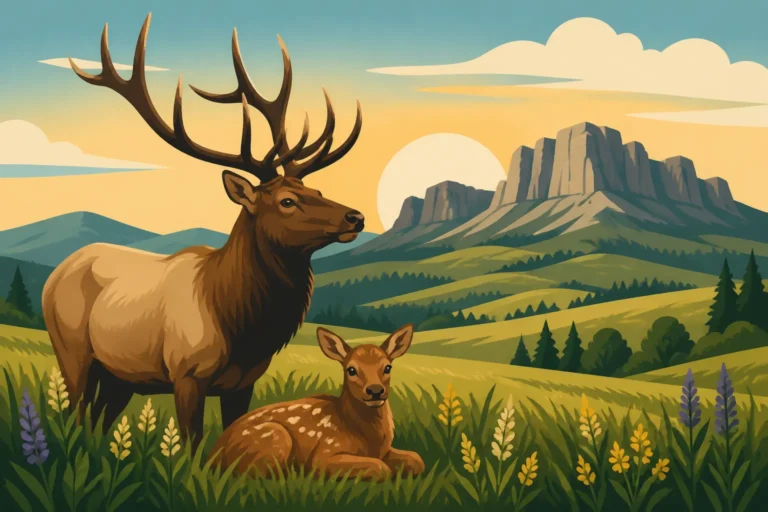
South Dakota elk calving and summer habitats determine herd movements across Black Hills forests and open prairie environments.
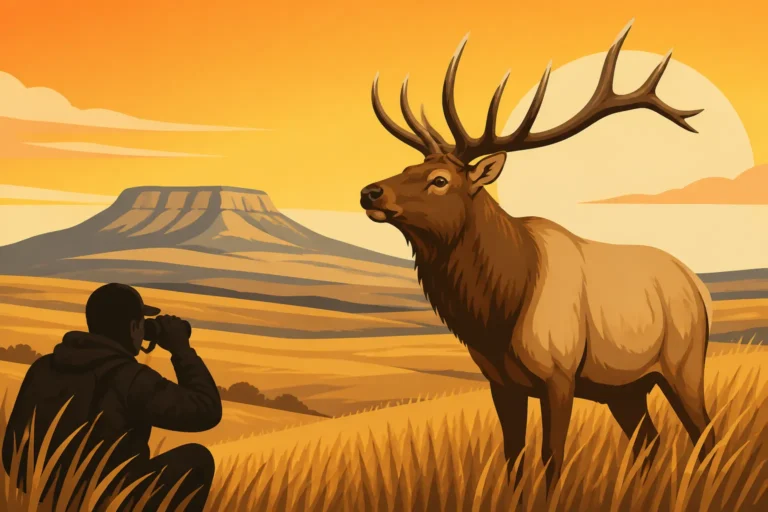
South Dakota prairie elk populations offer distinct hunting opportunities in open grasslands, river breaks, and agricultural fields.
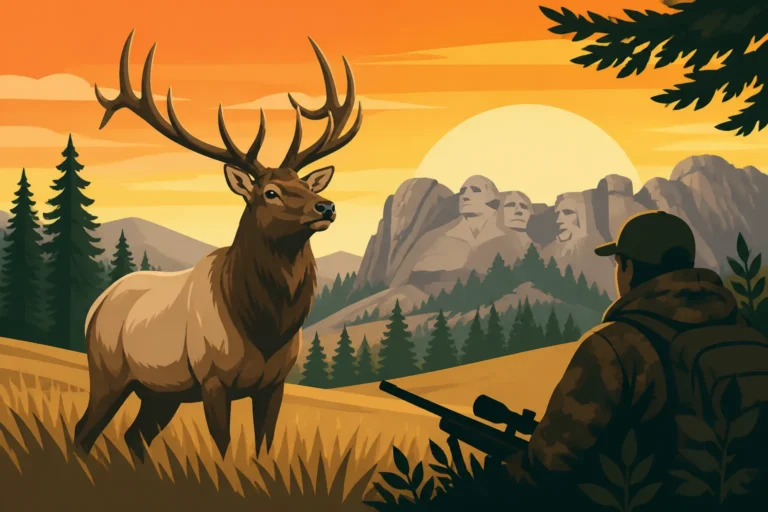
The reintroduction of fifteen elk from Yellowstone to Custer State Park in 1919 restores native wildlife populations.
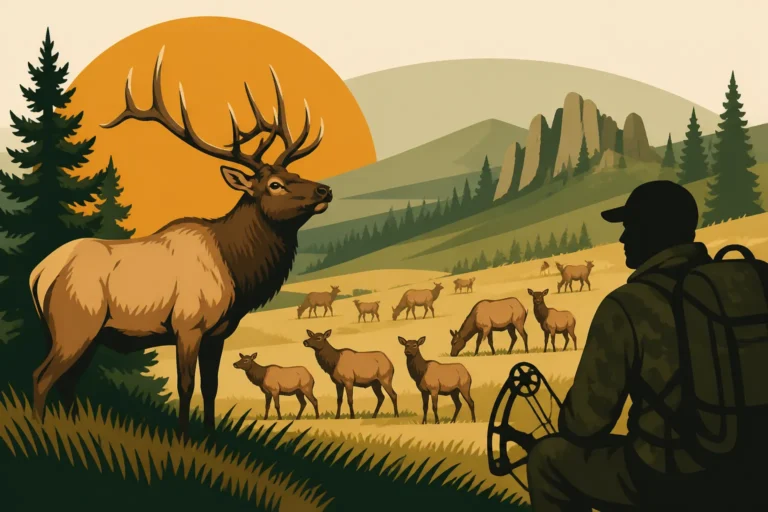
Black Hills elk herd size estimates rely on aerial surveys, population modeling, and harvest data to track wildlife dynamics.
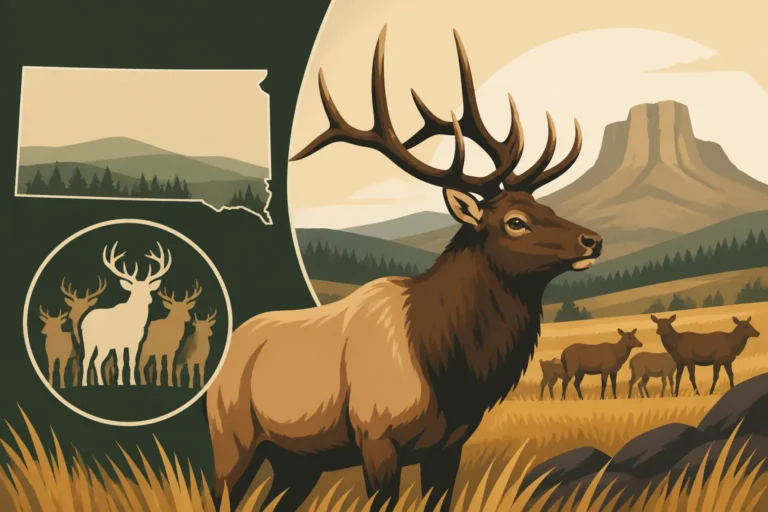
South Dakota elk population numbers and herd trends depend on aerial surveys, harvest data, and changing environmental factors.
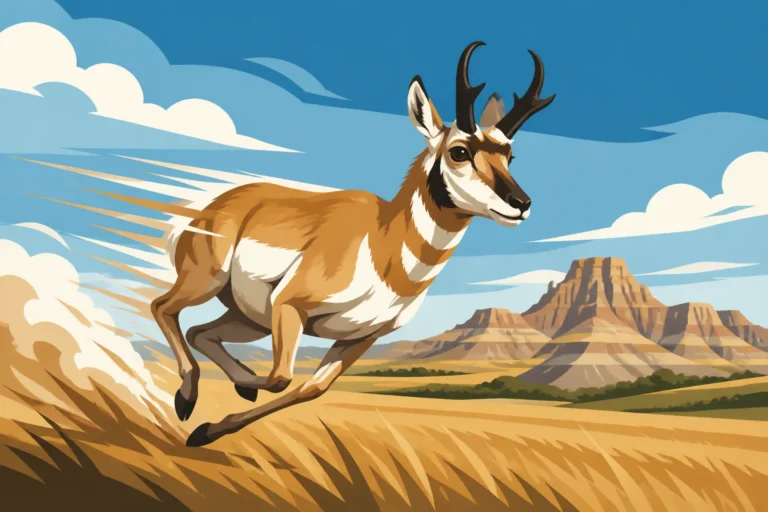
Pronghorn top speeds reaching sixty miles per hour explain how these prairie animals maintain long distance endurance against hunters.
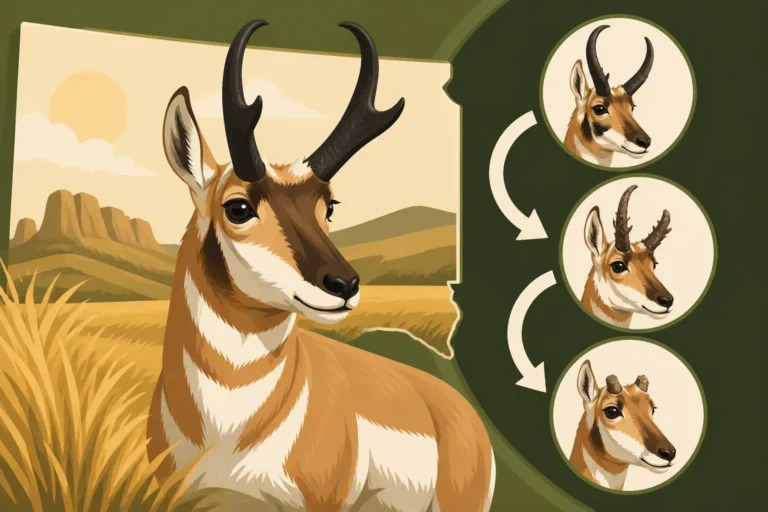
Pronghorn horn growth and shedding involves a permanent bony pedicle and an outer keratinous sheath that falls off annually.
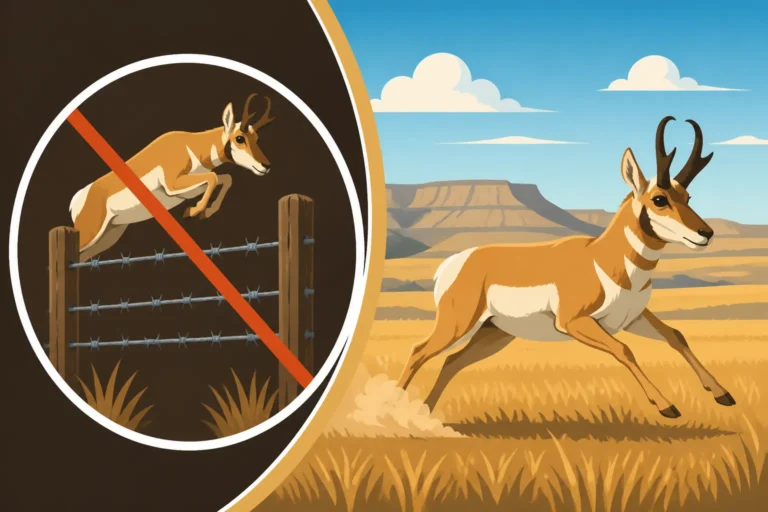
South Dakota pronghorn avoid jumping fences because their evolutionary design prioritizes speed across wide-open spaces over vertical agility.
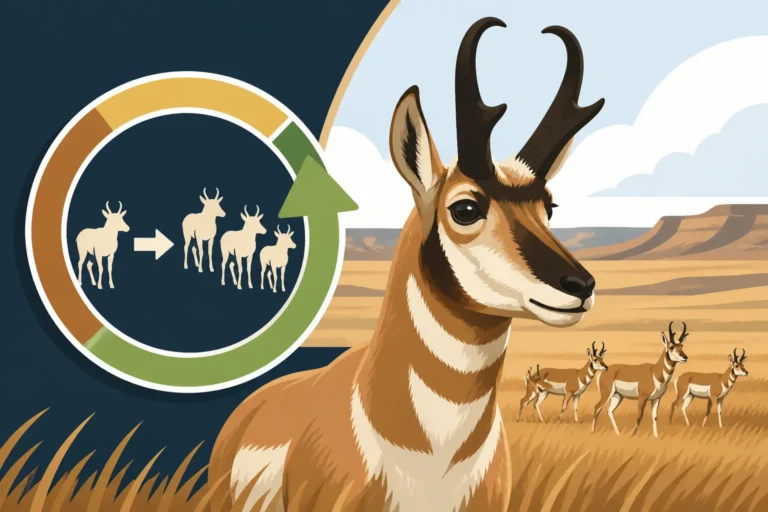
Pronghorn herd recovery timelines depend on fawn survival rates, severe winter weather impacts, and habitat fragmentation.
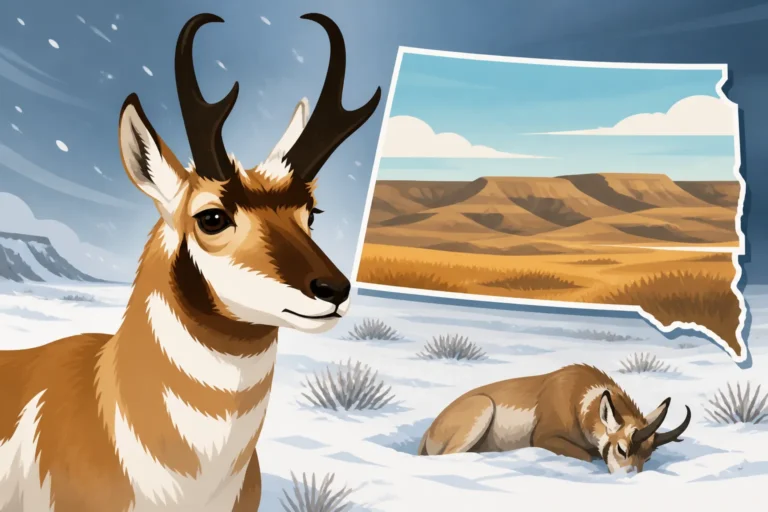
South Dakota pronghorn herds suffer high mortality during severe winters because deep snow, ice crusting, and extreme cold deplete fat reserves.