Bighorn Sheep and Mountain Goats in South Dakota
There's a special kind of hunter drawn to the extremes, the kind who dreams of chasing truly wild, magnificent creatures in landscapes that test every fiber of their being. In South Dakota, for most, that often means pheasants or deer. But for a select few, the ultimate prize involves the elusive bighorn sheep and the incredibly agile mountain goat. These aren't your typical South Dakota hunts; they demand incredible dedication, patience to navigate complex draw systems, and a physical readiness to tackle some of the state's most rugged terrain. This comprehensive guide will pull back the curtain on these once-in-a-lifetime opportunities, helping you understand the animals, the challenges, and the hopeful path to a tag.
The Allure of South Dakota's Mountain Royals
Hunting bighorn sheep or mountain goats in South Dakota isn't just about bagging a trophy; it's about experiencing the raw, untamed beauty of the state's most challenging landscapes and pursuing animals that represent the pinnacle of wildness. These hunts are exceptionally rare, making them highly coveted and deeply meaningful for those fortunate enough to draw a tag. It's a journey into areas where only the toughest survive, demanding respect for both the animal and the environment.
Understanding the Rarity and Prestige
Let's be blunt: drawing a bighorn sheep or mountain goat tag in South Dakota is akin to winning a small lottery. These are not over-the-counter opportunities; they are highly regulated, limited draws designed to manage small, fragile populations. The South Dakota Game, Fish and Parks (GFP) issues only a handful of tags each year, sometimes as few as one or two for bighorns, and a similarly tiny number for goats. This scarcity immediately elevates these hunts to legendary status, making them the ultimate goal for many hunters who have spent years applying for big game draws. The prestige isn't just in the animal itself, but in the incredible odds overcome to even step foot in their habitat with a tag in hand. It’s a testament to persistence and a deep passion for wild places and wild game.
Where These Unique Species Call Home
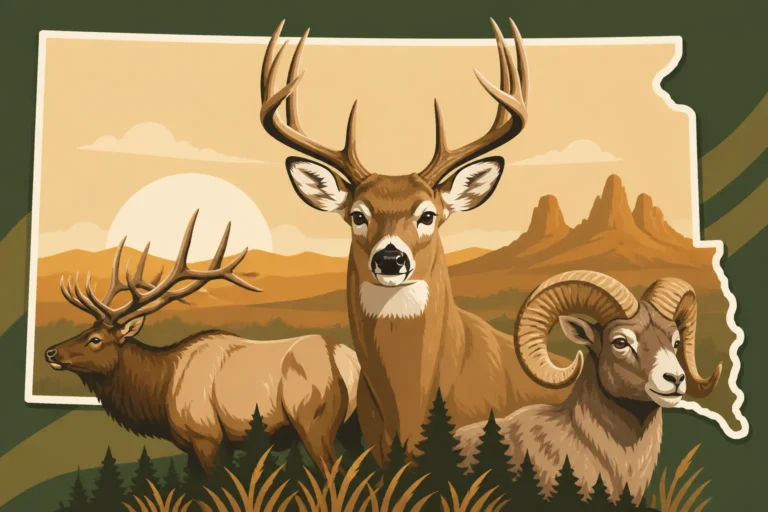
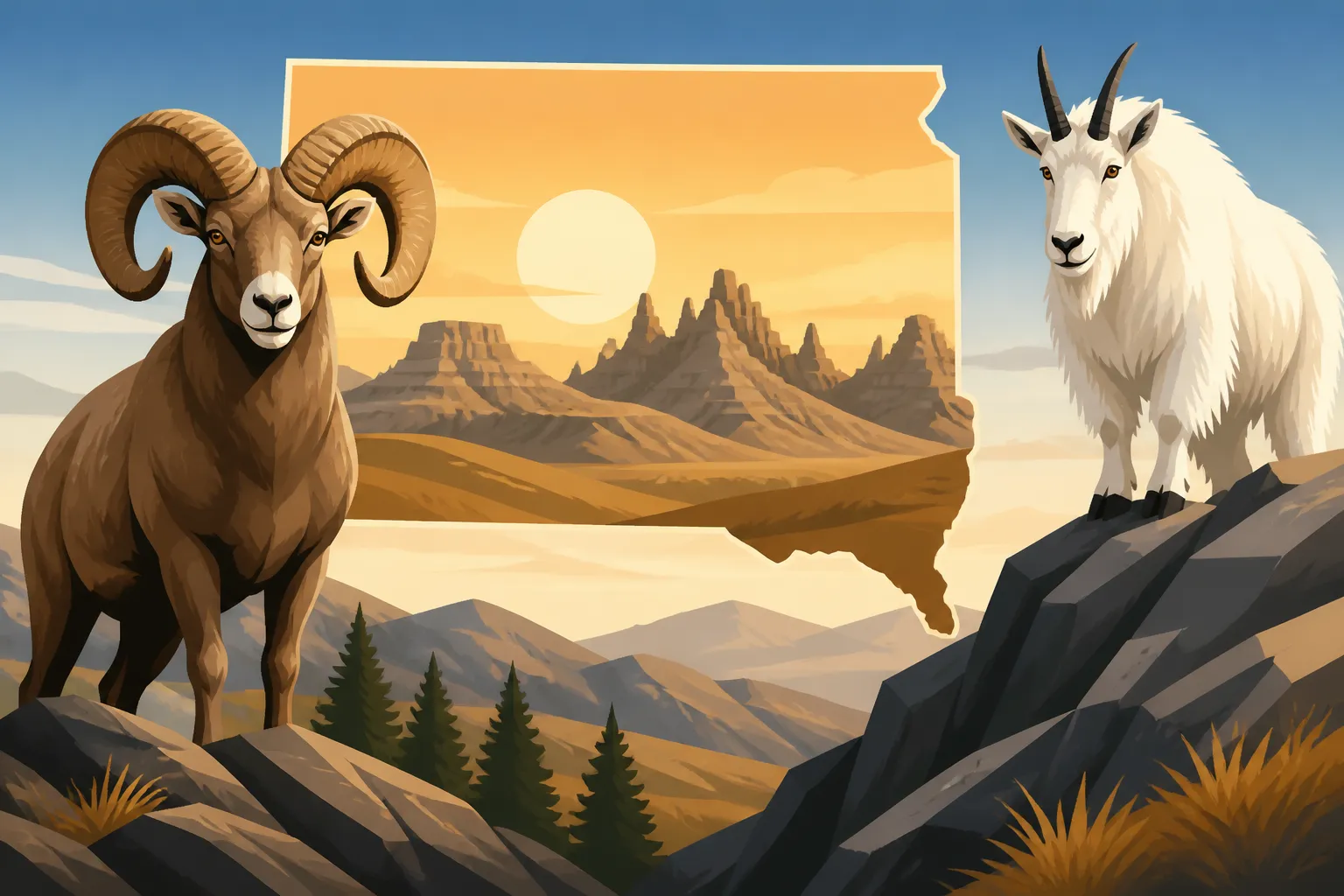
While South Dakota is largely known for its sweeping prairies and fertile farmlands, tucked away in specific regions are pockets of rugged terrain that host these incredible animals. Bighorn sheep in South Dakota are primarily found in the western part of the state. Their main stronghold is along the desolate, breathtaking breaks of the Missouri River near the Badlands and scattered across other suitable pockets of West River country where the landscape provides the necessary steep, rocky escape cover. These areas are tough, often remote, and require significant effort to navigate.
Mountain goats, on the other hand, are exclusively residents of the Black Hills. Specifically, you'll find them clinging to the craggy, granite spires and high peaks of Custer State Park and the surrounding Black Hills National Forest. Their habitat is truly vertical, demanding specialized climbing abilities and a tolerance for extreme cold and wind. It's a completely different type of country than the bighorns inhabit, but equally demanding and awe-inspiring. Knowing these distinct habitats is your first step in understanding the kind of hunt you might be getting into, should you ever beat the odds and draw a tag.
Understanding South Dakota's Bighorn Sheep
The bighorn sheep, with its magnificent curled horns and incredible agility, is a true icon of North American wildlands. In South Dakota, these sheep represent a triumph of conservation and reintroduction efforts, establishing small but robust herds in challenging environments. Pursuing them is a test of stamina, glassing prowess, and strategic planning.
A History of Reintroduction and Challenges
Bighorn sheep were native to South Dakota but disappeared from the state around the turn of the 20th century, largely due to disease, overhunting, and habitat loss. The story of their return is a long one, marked by dedicated efforts from the GFP and conservation groups. Reintroduction efforts began in the 1960s with sheep from other Western states. These initial releases, primarily into the Badlands and surrounding areas, faced numerous setbacks, including severe pneumonia outbreaks, which are a constant threat to bighorn populations across the West. Despite these challenges, persistent efforts have led to the establishment of several small, isolated herds.
Today, South Dakota's bighorn sheep populations are carefully monitored. The GFP invests heavily in disease surveillance, habitat improvement, and managing predator populations to give these sheep the best chance to thrive. While the herds are not large enough to support widespread hunting, the limited number of tags issued each year helps fund these critical conservation programs. It's a reminder that every tag sold contributes directly to the well-being of these incredible animals.
Identifying Key Bighorn Habitat
When you think about where bighorn sheep live, picture landscapes that offer a precarious balance of forage and impenetrable escape terrain. In South Dakota, this means the steep, broken canyons and rugged badlands formations of the West River region. They thrive in areas with rocky outcrops, deep coulees, and sparsely vegetated slopes that provide both sustenance and protection from predators. These sheep are masters of vertical movement, using their incredible hooves to navigate seemingly impossible cliffs.
Key areas include sections of the Badlands National Park periphery and adjacent private and public lands, as well as segments of the Missouri River breaks. The habitat can be deceptively open from a distance, but once you're on the ground, you'll quickly realize how convoluted and challenging the terrain truly is. They'll often feed on the more gentle slopes and benches, but will bolt to vertical rock faces at the first sign of danger. Understanding this behavior is crucial; it means you'll be spending a lot of time glassing from afar, picking apart the terrain with high-quality optics, hoping to spot a ram moving through its domain.
Navigating the Black Hills for Mountain Goats
Mountain goats are perhaps the most visually striking and physically demanding animal to pursue in South Dakota. Their bright white coats against the dark granite of the Black Hills make for an unforgettable sight, and their sheer athleticism in such vertical environments is nothing short of astounding.
The Black Hills Mountain Goat Anomaly
Unlike bighorn sheep, mountain goats are not native to the Black Hills. Their presence here is one of those fantastic accidents of nature. The story goes that in the early 1920s, six mountain goats escaped from a wildlife exhibit in Custer State Park. These few individuals, incredibly resilient and adaptable, not only survived but thrived and established a self-sustaining population within the Black Hills. It’s a remarkable testament to their hardiness and ability to find suitable niche habitats even when introduced to a new environment.
Over the decades, this small herd has grown and dispersed throughout the most rugged sections of the Black Hills National Forest and Custer State Park. Today, South Dakota manages this unique, non-native population through extremely limited hunting seasons, recognizing their ecological impact while also appreciating their incredible presence in the landscape. These tags are also incredibly rare, further cementing their status as a dream hunt for many.
Prime Mountain Goat Terrain
If bighorns prefer steep, rocky canyons, mountain goats demand true alpine, vertical terrain. In the Black Hills, this translates to the towering granite spires and cliffs found predominantly in the Needles area, along with other high-elevation, rugged sections within Custer State Park and the surrounding National Forest. Think areas with sheer rock faces, narrow ledges, and sparse timber at elevation. They are perfectly adapted to these treacherous environments, with specialized hooves that provide incredible grip on slippery rock.
Hunting these areas requires serious physical conditioning. You'll be ascending and descending steep, unstable slopes, often above tree line, where weather can change dramatically in an instant. Spotting a goat can be challenging, as their white coats blend surprisingly well with patches of snow and light-colored rock. However, once spotted, the stalk itself can be even more demanding, often involving technical climbing skills or navigating extremely exposed positions. Good binos and a spotting scope are non-negotiable for breaking down the vast, vertical landscapes where these goats reside. Hunters will often spend days simply glassing and patterning movements before even attempting a stalk.
Applying for These Coveted Tags
The journey to hunting a bighorn sheep or mountain goat in South Dakota begins long before you ever set foot in the field—it starts with the application process. Given the extreme rarity of these tags, understanding the draw system and maximizing your chances is paramount. It’s a game of patience, strategy, and a little bit of luck.
Understanding the South Dakota Draw System
South Dakota utilizes a preference and bonus point system for its big game draws, but for species as rare as bighorn sheep and mountain goats, the "bonus point" aspect plays a significant role in increasing your odds over time. Each year you apply and are unsuccessful, you typically earn a bonus point, which "cubes" your entries in subsequent draws. This means if you have one bonus point, you get two entries; two points, four entries; three points, eight entries, and so on. The more points you accumulate, the exponentially greater your chances become, though drawing is never a guarantee.
The application periods for these specialized tags usually align with the general big game draws, often in the late spring or early summer. It’s crucial to pay close attention to the GFP website for specific deadlines, as missing an application window means another year of waiting. Many hopeful hunters apply year after year, sometimes for decades, building up those precious bonus points for a shot at these once-in-a-lifetime opportunities. It's a true test of dedication, often requiring a long-term commitment just to get in the running. For more general information, make sure to read up on how South Dakota's hybrid preference and bonus points work.
Maximizing Your Draw Odds with Strategic Research
While luck is undeniably a major factor, smart research can give you an edge, even in draws with such low odds. Tools like GoHunt's Insider platform can be incredibly valuable here. They often provide historical draw odds data, unit breakdowns, and analysis that can help you understand trends. For example, some years might see slightly more tags issued in certain units, or you might identify units where hunter success rates have been historically higher, indicating more favorable conditions or better animal concentrations. This kind of data can inform your unit choices, though for bighorns and goats, the number of units and tags is usually so low that options are limited.
Beyond draw odds, researching the specific units where tags are offered is vital. Look into the type of terrain, public land access, and historical harvest data for those areas. Understanding the challenges of a particular unit – whether it’s primarily private land, requires extensive hiking, or has specific access restrictions – can help you make an informed decision. Remember, drawing the tag is just the first step; being prepared for the hunt itself requires an intimate knowledge of the chosen area. Checking the South Dakota Bighorn Sheep Applications and South Dakota Mountain Goat Applications information directly from the GFP is always the best starting point.
| Species | Primary Habitat | South Dakota Status | Draw Odds (Hypothetical) | Physical Demand | Conservation Role |
|---|---|---|---|---|---|
| Bighorn Sheep | Badlands, Missouri River Breaks | Reintroduced, small herds | Extremely Low (1-2 tags) | High | Fund GFP reintroduction & monitoring programs |
| Mountain Goat | Black Hills Granite Spires | Non-native, introduced/escaped | Extremely Low (1-3 tags) | Very High | Manage unique population, fund habitat studies |
Note: Draw odds are illustrative and fluctuate annually. Always consult current GFP regulations.
Essential Gear for Extreme Mountain Hunts
If you're lucky enough to draw one of these rare tags, you're not embarking on a casual stroll. Hunting bighorn sheep or mountain goats demands specialized gear designed for unforgiving terrain, extreme weather, and prolonged physical exertion. Skimping on quality here isn't just uncomfortable; it can be dangerous.
High-Performance Optics and Navigation Tools
In these vast, vertical landscapes, your eyes are your most critical tool. High-quality optics are not a luxury; they are an absolute necessity. You'll spend countless hours glassing, meticulously picking apart distant ridges, rock slides, and timber patches for the telltale glint of a white coat or the distinctive curl of a ram's horn. A good pair of 10x binoculars (like a Swarovsk or Zeiss) is the starting point, but you'll also want a powerful spotting scope (20-60x or 25-75x) on a sturdy tripod. This allows you to confirm species, sex, and judge an animal's size from extreme distances, often miles away, without risking spooking it.
Beyond spotting animals, you need to be able to navigate effectively. GPS devices, whether handheld units or reliable smartphone apps like OnX Hunt, are essential. These tools allow you to pinpoint your location, mark animal sightings, plan approach routes, and identify property boundaries, especially when hunting in the Black Hills National Forest or near the periphery of private lands. Make sure you have extra batteries or a power bank, as cold weather can drain devices quickly. Knowing how to use these tools effectively is just as important as having them; practice with them well before your hunt.
Rugged Footwear and Layered Clothing Systems
Your feet will be taking a beating on these hunts, whether traversing the crumbling shale of the Badlands or scrambling over granite in the Black Hills. Investing in top-tier hiking boots that offer excellent ankle support, stiff soles, and waterproof membranes is non-negotiable. Break them in thoroughly long before your hunt to avoid blisters, which can quickly derail a strenuous expedition. Consider bringing multiple pairs of merino wool socks to keep your feet dry and comfortable.
Layering is key for the unpredictable weather of South Dakota's western half, especially in higher elevations. You need a system that can adapt to biting wind, sudden snow squalls, and warm afternoon sun, all potentially on the same day. Start with a moisture-wicking base layer, add insulating mid-layers (fleece or puffy jackets), and top it off with a bomb-proof waterproof and windproof outer shell. Don't forget a warm hat, gloves, and a neck gaiter. Getting a grasp on Layering for South Dakota Wind is not just important for comfort, it's a safety measure when you're far from the truck. Being prepared for rapidly changing conditions ensures you can stay in the field longer and remain safe.
Tactics for Success in Rugged Terrain
Drawing a bighorn or mountain goat tag is only the first hurdle. The real work begins in the field, where you'll face physically demanding landscapes and incredibly wary animals. Success hinges on meticulous planning, unwavering patience, and a deep understanding of your quarry's behavior.
Mastering the Art of Glassing
For both bighorn sheep and mountain goats, still-hunting by slowly walking through cover is rarely the primary tactic. Instead, you'll be employing "spot-and-stalk" methods, which rely heavily on effective glassing. This means finding a vantage point, setting up your spotting scope and tripod, and systematically scanning the landscape. Don't just glance; methodically grid every inch of visible terrain. Look for subtle movements, unusual shapes, or patches of white (for goats) that seem out of place. This can be incredibly tedious, but it's where animals are found.
The best times for glassing are often early morning and late evening, when animals are typically more active, moving between bedding and feeding areas. However, mountain goats, in particular, can be found bedded on high ledges at midday, seemingly defying gravity. When you spot an animal, don't immediately rush in. Observe its behavior, identify potential approach routes that offer cover, and assess wind direction. Patience here is paramount; a hasty move can blow a stalk you've waited years for. For a broader understanding of finding animals at first light, consider how you might be Glassing South Dakota Breaks at First Light for other big game.
Strategic Stalking and Shot Placement
Once an animal is located and an approach route planned, the stalk begins. This is where your physical conditioning and mental fortitude will truly be tested. You'll need to move slowly, deliberately, using terrain features (ridges, draws, rock formations) to conceal your movement. Pay constant attention to wind direction, as these animals have an incredible sense of smell. You may need to take circuitous routes that add significant distance and elevation gain to stay undetected.
Closing the distance can take hours, or even an entire day, often requiring climbing or navigating treacherous slopes. Once within shooting range, take your time to set up for a stable shot. Given the difficulty of the terrain and the rarity of the opportunity, this is not the time to rush. Ethical shot placement is critical, especially on animals found in such rugged environments, to ensure a quick harvest and prevent a wounded animal from escaping into impossible-to-reach areas. Consider a sturdy bipod or shooting sticks, and practice shooting from prone, kneeling, and sitting positions at various inclines. For elk, similar tactics of hunting in steep terrain apply, so insights from Hunting Elk on Steep Black Hills Ridges might be relevant.
Post-Harvest Considerations and Trophy Care
Successfully harvesting a bighorn sheep or mountain goat is a monumental achievement, but the work isn't over when the animal hits the ground. The unique challenges of their habitat extend to field dressing, meat care, and trophy preparation. Proper handling is crucial to honor the animal and preserve your hard-won trophy.
Field Dressing in Remote, Rugged Areas
Field dressing a bighorn or mountain goat in their typical habitat can be a true test of endurance and skill. You'll likely be in a remote, steep, and potentially exposed location, far from any trails or roads. Speed and efficiency are key, not just for meat quality but also for your own safety and the ability to pack out. It's often best to immediately gut the animal to allow the carcass to cool, especially if temperatures are mild. If you're on a steep slope, be mindful of gravity; positioning the animal carefully can make the process much easier.
Quartering the animal into manageable pieces is usually necessary, as trying to drag or pack out a whole bighorn or goat from such terrain is incredibly difficult, if not impossible. Pack frames designed for heavy loads are essential. You'll need game bags to protect the meat from dirt and insects. If you're hunting in the Missouri River breaks, be prepared for dry conditions and potentially warm temperatures, making rapid cooling even more important, similar to what you might encounter when Field Dressing in Warm October Weather for deer. In the Black Hills, cold weather is more common, which helps with cooling but adds its own challenges to working with cold hands.
Preserving Your Hard-Won Trophy
For many, the horns of a bighorn ram or the striking white cape and black horns of a mountain goat are prized trophies. Proper field care is essential to ensure these can be mounted beautifully. After field dressing and quartering, carefully cape the animal, making sure to take enough hide for a shoulder mount. For mountain goats, their dense hair and thick skin require careful knife work. Separate the skull and horns, ensuring all tissue is removed for proper drying.
Protect the cape and skull from dirt, heat, and insects. If you're several days from civilization or a taxidermist, salting the cape heavily and allowing it to air dry can help preserve it. Bringing a small amount of salt in your pack specifically for this purpose is a smart move. Once off the mountain, get the cape and skull to a reputable taxidermist as soon as possible. Discuss your desired mount with them and follow their specific instructions for field care. Having a clear understanding of the South Dakota Big Game Records Program might also be of interest if you believe your animal has record book potential, as special care might be needed for official measurements.
Conservation and the Future of These Herds
The opportunity to hunt bighorn sheep and mountain goats in South Dakota is a privilege built on dedicated conservation efforts. Understanding the ongoing challenges these unique herds face and how hunting plays a role in their future is vital for every hunter.
Funding Conservation Through Limited Harvest
The revenue generated from the sale of these extremely limited tags, as well as the associated application fees, directly contributes to the South Dakota Game, Fish and Parks' conservation initiatives. These funds are critical for disease monitoring, habitat enhancement projects, translocations, and research programs that ensure the long-term health and viability of both bighorn sheep and mountain goat populations. For bighorns, this often means addressing threats like pneumonia, while for mountain goats, it involves monitoring their range and potential impact on native species in the Black Hills.
Every hunter who applies for or draws one of these tags becomes an indirect, or direct, contributor to these vital programs. It's a clear example of the North American Model of Wildlife Conservation at work, where hunters are the primary funders of wildlife management. The careful regulation of these hunts ensures that while a few lucky individuals get to pursue these magnificent animals, the species as a whole benefits from sustained management efforts.
The Role of Hunter Ethics and Stewardship
Because these hunts are so rare and target such iconic species, ethical conduct in the field is paramount. This includes strict adherence to all hunting regulations, making every effort to ensure a clean, humane harvest, and respecting the solitude and ruggedness of their habitat. Hunters fortunate enough to draw these tags often become ambassadors for these species, sharing their experiences and promoting responsible hunting practices.
Beyond the hunt itself, being a good steward means leaving no trace, respecting private land boundaries, and understanding the delicate ecosystems these animals inhabit. If you're using digital tools like OnX or GoHunt, use them to also understand land ownership and access points, similar to how one might scout for other species on public land, such as when Scouting South Dakota Public Ground Before the Season. The future of bighorn sheep and mountain goats in South Dakota depends not only on sound wildlife management but also on the continued commitment of hunters to ethical behavior and active participation in conservation efforts. Your responsibility extends far beyond the successful harvest—it encompasses the ongoing health of the herd and the integrity of the hunting tradition.
Disclaimer
The information provided in this guide is for general informational purposes only and does not constitute legal or professional advice. Hunting regulations, season dates, and application procedures in South Dakota are subject to change. Always consult the official South Dakota Game, Fish and Parks (GFP) website and current regulations handbook before planning any hunting trip. It is the hunter's responsibility to know and obey all applicable laws.