South Dakota Deer Application Deadline
There’s nothing quite like the mix of anticipation and anxiety that comes with hunting season, and for many, that feeling starts long before you even set foot in the field. Missing a critical application deadline for a coveted deer tag in South Dakota can truly spoil those dreams, leaving you scrambling or out of luck entirely. This comprehensive guide is here to walk you through the essential South Dakota deer application deadlines, helping you understand the different seasons, navigate the application process, and ensure you don’t miss your shot at chasing whitetails or mule deer across the prairie and through the timber.
The Crucial South Dakota Deer Application Deadline
Let's get straight to it: the application deadlines for South Dakota deer tags are not just suggestions; they are hard cut-offs that dictate whether you even get a chance to participate in the draw. For most deer hunters, especially those targeting the popular West River or East River firearm seasons, the primary application deadline typically falls in late July for the initial draw. However, this is a broad stroke, and the specific dates can vary slightly year to year for different seasons and weapons. It's an annual rhythm that every serious South Dakota deer hunter learns to live by, and missing it means you're almost certainly relegated to hoping for leftover tags, which are far less guaranteed and often less desirable.
The importance of submitting your application on time cannot be overstated. Unlike some states with rolling applications or over-the-counter options for popular hunts, South Dakota operates on a lottery system for many of its deer licenses. Your application needs to be in the system, complete and accurate, by the published deadline to be included in the draw for those tags. If you're hoping to hunt whitetails in river bottoms or pursue mule deer on the West River breaks, getting this timing right is your first and most critical step.
Understanding Different Deer Seasons and Their Dates
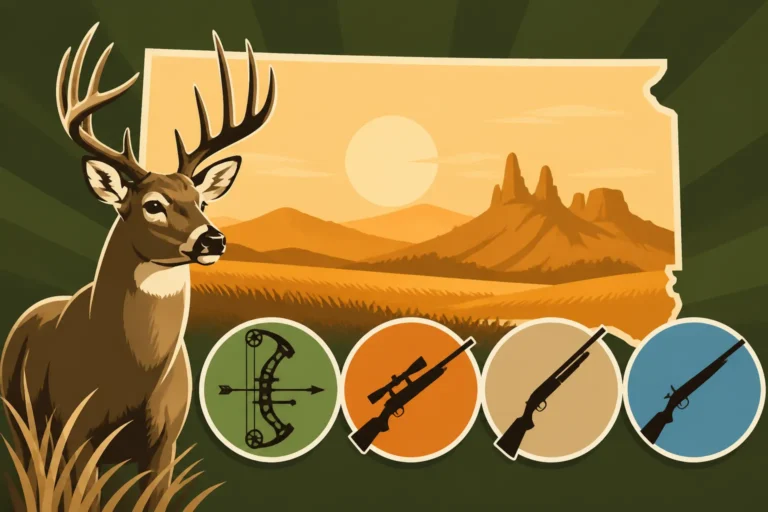
South Dakota offers a variety of deer hunting opportunities, each with its own specific application period. It’s crucial to know which season you’re aiming for, as the deadlines can differ significantly.
Archery Deer
The archery deer season in South Dakota typically spans a generous period from late September through the end of the year, often with a brief closure during the firearm season. However, the application window for the archery draw usually occurs much earlier. Non-residents, in particular, apply for a limited quota of South Dakota Nonresident Archery Deer Quota licenses. The application deadline for these archery tags generally runs in mid-June. This early deadline means you need to be planning your bowhunting adventure well in advance of the fall leaves changing. It's a great opportunity to get into the woods before the general rifle season crowds, offering a more intimate experience stalking game.
Firearms Deer (West River, East River, Black Hills)
This is where the majority of deer hunters focus their efforts, and consequently, where the competition for tags is highest. The firearm season is broadly divided into several distinct regions and license types, each with its own nuances and draw odds.
- West River Deer Licenses: These tags are highly sought after for mule deer and whitetails in the vast open country west of the Missouri River. The primary application deadline for these typically falls in late July. Hunters apply for specific units, and competition can be stiff, especially for those coveted buck tags. Understanding the draw for these can significantly influence your hunting plans, especially if you're trying to figure out How Many Points to Draw West River Deer.
- East River Deer Licenses: East of the Missouri, hunting often focuses on whitetails in agricultural country, shelterbelts, and pockets of timber. While traditionally more accessible for residents, non-residents also pursue opportunities here. The application deadline usually mirrors the West River timeframe in late July. These units can offer fantastic hunting, often with good deer densities, making the application process equally important.
- Black Hills Deer: The mountainous terrain of the Black Hills offers a unique deer hunting experience, primarily for whitetails, but mule deer are also present. The Black Hills season has its own specific unit structure and application timeline, which usually aligns with the main firearm deer deadline in late July. This distinct region requires specific knowledge of its terrain and regulations, and securing a tag often involves applying through the general deer draw.
Muzzleloader Deer
Muzzleloader season provides another chance to hunt deer, often extending into late December or early January after the general firearm seasons have concluded. The application deadline for muzzleloader tags also typically falls in late July, alongside the primary firearm draw. This season offers a challenging yet rewarding experience, often during colder weather conditions where deer patterns might shift, requiring different tactics than early season hunts. You'll want to check the specific South Dakota Muzzleloader Deer Dates for the current year to ensure you're applying for the correct period.
Here’s a quick overview of the typical application periods for South Dakota deer seasons:
| Deer Season Type | Typical Application Period | Primary Game Animal(s) | Resident/Non-Resident Focus |
|---|---|---|---|
| Archery Deer | Mid-May to Mid-June | Whitetail, Mule Deer | Non-Resident Quota |
| Firearms Deer (All Units) | Mid-June to Late July | Whitetail, Mule Deer | Both, High Demand |
| Muzzleloader Deer | Mid-June to Late July | Whitetail, Mule Deer | Both, Post-Firearm Option |
| Youth Deer | Early July to Early August | Whitetail, Mule Deer | Resident (Special Period) |
Note: These dates are typical and subject to change. Always consult the official South Dakota Game, Fish and Parks (GFP) website for the most current deadlines each year.
Navigating the Application Process and Avoiding Common Pitfalls
Once you've marked your calendar for the South Dakota Deer Application Deadline, the next step is to actually go through the process of applying. While it seems straightforward, many hunters encounter issues, from technical glitches to misunderstanding the preference point system. It’s crucial to approach this with a clear head and double-check every entry. Using reliable resources and taking your time can make all the difference between receiving that coveted draw notification and an unfortunate rejection.
How to Apply Online with South Dakota GFP
The South Dakota Game, Fish and Parks (GFP) website is your primary portal for all license applications. You'll need to create an account or log in with your existing hunter ID. Here’s a basic rundown of the steps:
- Visit the GFP Website: Navigate to the licensing section.
- Log In or Create Account: You'll need your customer ID. If you're a new applicant or haven't applied in South Dakota before, you'll need to create an account first. This usually involves providing personal information like your name, address, date of birth, and hunter safety certification details.
- Select "Apply for a Lottery Tag": Once logged in, you’ll find options for various big game draws. Choose the deer application.
- Choose Your Season and Unit: This is the critical part. You'll be prompted to select the specific deer season (e.g., West River Firearm), the unit number you wish to hunt in, and your weapon type. You often get to list multiple choices, like a first and second unit preference. Be very careful here, as selecting the wrong unit can drastically alter your draw odds or put you in an area you didn't intend to hunt.
- Enter Preference Point Information: If you have existing preference points, the system should recognize them. Ensure they are being applied correctly, especially if you're trying to build points for a future draw. We'll delve into this more in the next section.
- Provide Payment Information: All applications require payment for the tag fee, even if you don't draw. If you are unsuccessful, the tag fee is typically refunded, but a small application fee might be non-refundable.
- Review and Submit: Before hitting that final "submit" button, meticulously review every detail. Check your name, address, chosen season, unit numbers, and payment details. A small error here could invalidate your application.
- Confirmation: Once submitted, you should receive a confirmation email or a confirmation number on screen. Save this for your records! This is your proof that your application was received.
While the GFP website is generally user-friendly, some hunters find it helpful to use third-party tools for research before applying. Platforms like GoHunt offer detailed state breakdowns, draw odds calculators, and unit specific information that can help you strategize your application. Their filters for public land access or specific deer species can be invaluable for pinpointing the perfect unit to apply for, especially if you're unfamiliar with South Dakota's vast and varied terrain.
The Impact of Preference Points on Your Draw Odds
South Dakota utilizes a preference point system for its big game draws, including deer. Understanding how these points work is absolutely vital to improving your chances of drawing a tag, especially for the more competitive South Dakota Deer Licence Types by Region and units.
Here's the gist:
- Earning Points: You generally earn one preference point for each year you apply for a deer tag but are unsuccessful in the draw. You also have the option to purchase a "point-only" if you don't plan to hunt that year but want to build points for the future. You can learn more about this in South Dakota Preference Points Explained.
- Applying Points: When you apply for a deer tag, your accumulated preference points are factored into your draw chances. In a preference point system, those with more points typically draw before those with fewer. It’s not a bonus point system where points increase your odds; it’s a direct line-up.
- Losing Points: When you successfully draw your first-choice deer tag, your preference points are reset to zero for that species. This means that if you draw a sought-after West River buck tag, you'll start accumulating points again from scratch the following year.
For non-residents, particularly, understanding the point system is critical. Some of the best units for mule deer and trophy whitetails might require several years of accumulating points before you have a realistic chance of drawing. This is where tools like GoHunt truly shine, as they often provide historical draw data and point requirements for specific units. By analyzing this data, you can make an informed decision: do you apply for a less-competitive tag that you might draw with fewer points, or do you commit to building points for several years to get into a prime unit? It’s a strategic choice that depends on your hunting goals and patience.
For instance, if you're dreaming of a trophy mule deer in a specific West River unit, looking at the average points needed to draw that unit over the past few years, as often provided by GoHunt, can give you a realistic timeline. Without this foresight, you might apply year after year in a highly competitive unit with zero points and consistently come up empty-handed.
What Happens If You Miss the Main Deadline? Exploring Leftover Tags
Okay, let's say the unthinkable happens: you completely space the main South Dakota Deer Application Deadline. Or maybe you applied, but the draw didn't go your way. Is all hope lost for hunting deer in South Dakota that year? Not necessarily, but your options become significantly more limited, and the tags available are generally not for the prime hunts or units. This is where South Dakota's leftover license sales come into play.
Leftover tags are those licenses that were not allocated during the initial lottery draw. This can happen for a few reasons: either there were more tags available than applicants in certain units, or some applicants failed to claim their drawn tags. These tags are then made available to the general public on a first-come, first-served basis, providing a second chance for hunters.
Understanding South Dakota Leftover Licence Sales
The sale of leftover tags in South Dakota typically begins a few weeks or even a month after the initial draw results are announced. The South Dakota GFP will publish a list of available licenses, often broken down by unit, season, and weapon type. It's usually a frantic race, as popular leftover tags can disappear within minutes or even seconds of sales opening.
Here's what you need to know:
- Timing is Everything: Leftover sales are like a digital "land rush." You need to be ready online exactly when the sales open, often down to the second. Having your account logged in, payment information saved, and knowing exactly which tag you want to pursue beforehand is critical.
- Types of Tags Available: Don't expect to find many prime antlered buck tags in the most sought-after units. Leftovers are often for antlerless deer, or for units that are less popular due to challenging terrain, lower deer densities, or more limited public access. However, sometimes a decent tag can pop up unexpectedly, so it pays to keep an eye out.
- Limited Availability: The number of leftover tags can vary wildly each year depending on draw success and applicant numbers. Some years there might be a good selection, other years, almost nothing. This unpredictability is why relying on leftovers as your primary hunting strategy is risky. For example, Buying East River Leftover Tags might be easier than finding a West River buck tag, given the differing demand.
Strategies for Securing a Last-Minute Tag
If you find yourself needing a leftover tag, having a strategy in place will improve your chances:
- Stay Informed: Monitor the South Dakota GFP website closely for announcements regarding leftover tag sales dates and times. Sign up for their newsletters or alerts if available.
- Be Prepared: On the day of the sale, be at your computer with a fast internet connection well before the sale opens. Have your GFP account logged in and all your personal and payment information saved for quick checkout. Know the exact unit number and license type you intend to purchase.
- Be Flexible: Your dream unit for an antlered buck might not be available. Be prepared to pivot. Consider an antlerless tag if your goal is just to fill the freezer, or look at a unit you hadn't initially considered. Any deer tag is better than no deer tag, right?
- Consider South Dakota Second Deer Tags: Sometimes, even if you draw a primary tag, regulations might allow you to purchase a second, often antlerless, tag as a leftover. This is usually to help manage deer populations in certain areas. Always check the current regulations regarding multiple tags.
- Research Leftover Areas: Before the sale, spend some time researching the units that typically have leftover tags. Look at public access, deer densities, and terrain. Even a less-popular unit can offer a fantastic hunt if you do your homework. Remember, some units might be more geared towards South Dakota Whitetail Hunting in River Bottoms while others might offer chances at mule deer.
Pro Tips for a Successful Application Strategy
Applying for deer tags in South Dakota can feel like a game of chess, especially with the preference point system and the competition for prime units. Here are some seasoned tips to help you maximize your chances and avoid unnecessary stress:
Apply Early and Review the Handbook Annually
It might sound obvious, but submitting your application well before the deadline is a simple yet effective strategy. Don't wait until the last day, or even the last week. Technical issues with the website, internet outages, or simply forgetting can all derail your plans. Get it done, get your confirmation, and then you can relax.
Equally important is annually reviewing the official South Dakota Hunting Handbook Release. The GFP updates this document every year, and it contains all the current rules, regulations, unit boundaries, season dates, and application deadlines. Don't rely on last year's information or forum chatter. The official handbook is your bible for the season, detailing everything from specific South Dakota Rifle Deer Season Dates to tagging requirements.
Leverage Technology for Research and Planning
In today's hunting world, digital tools are powerful allies. As mentioned, services like GoHunt can be incredibly beneficial. Their mapping layers can show you land ownership, helping you identify public hunting ground within a unit. Their draw odds data, unit summaries, and even articles from other hunters can provide insights that are hard to come by elsewhere. For example, if you're torn between a few different South Dakota Deer Licence Types by Region, GoHunt might have data indicating which units consistently yield better success rates or require fewer points.
Beyond draw odds, mapping applications like onX Hunt are indispensable for scouting. While you can't apply through them, they help you visualize the units you're applying for, identify potential access points, and understand the terrain. This can inform your unit selection, ensuring you're applying for an area that truly aligns with your hunting style and physical capabilities.
Consider Alternative Opportunities
If drawing a prime firearm tag seems out of reach for a year or two, don't forget about other possibilities.
- Archery Season: As noted, the South Dakota Nonresident Archery Deer Quota offers a less crowded hunting experience, though it still requires an application and draw for non-residents. Archery season is a fantastic way to immerse yourself in the South Dakota outdoors.
- Muzzleloader Season: If you're willing to brave colder weather, muzzleloader season provides another chance. These hunts are often less competitive than the early firearm seasons and can offer a unique challenge.
- South Dakota Deer Tag Transfer Rules: While not common, understanding transfer rules can sometimes come in handy in specific scenarios, though these are typically for very limited circumstances and not a general strategy.
Planning your South Dakota deer hunt starts with knowing the critical application deadlines and understanding the system. Whether you're a seasoned veteran or new to the prairie, being prepared and organized will give you the best chance at success.
Disclaimer
This guide is intended for informational purposes only and is not a substitute for the official regulations published by the South Dakota Game, Fish and Parks (GFP). Hunting laws, regulations, and application deadlines can change annually. Always consult the most current South Dakota Hunting Handbook and the official GFP website for accurate and up-to-date information before applying for any licenses or heading into the field.